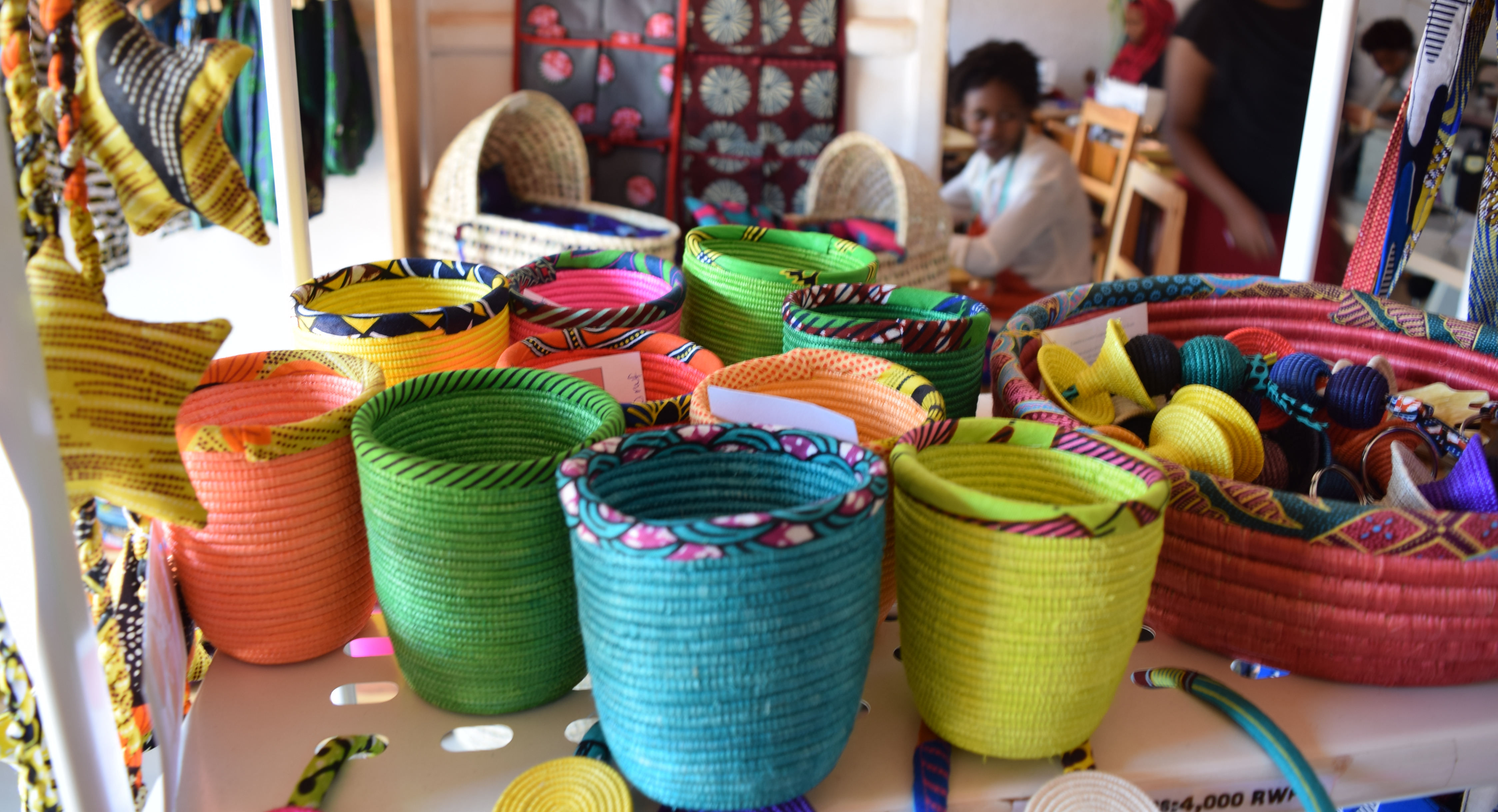
I first visited the Nyamirambo Women’s Center (NWC) when we came on our exploratory trip in June. We wanted to buy some traditional Rwandan presents for our kids so the driver took us to this place. Back then I didn’t know anything about the center and area around. Today I know that this is one of the coolest neighborhoods in Kigali and the NWC – one of the best places for handicraft gift shopping.
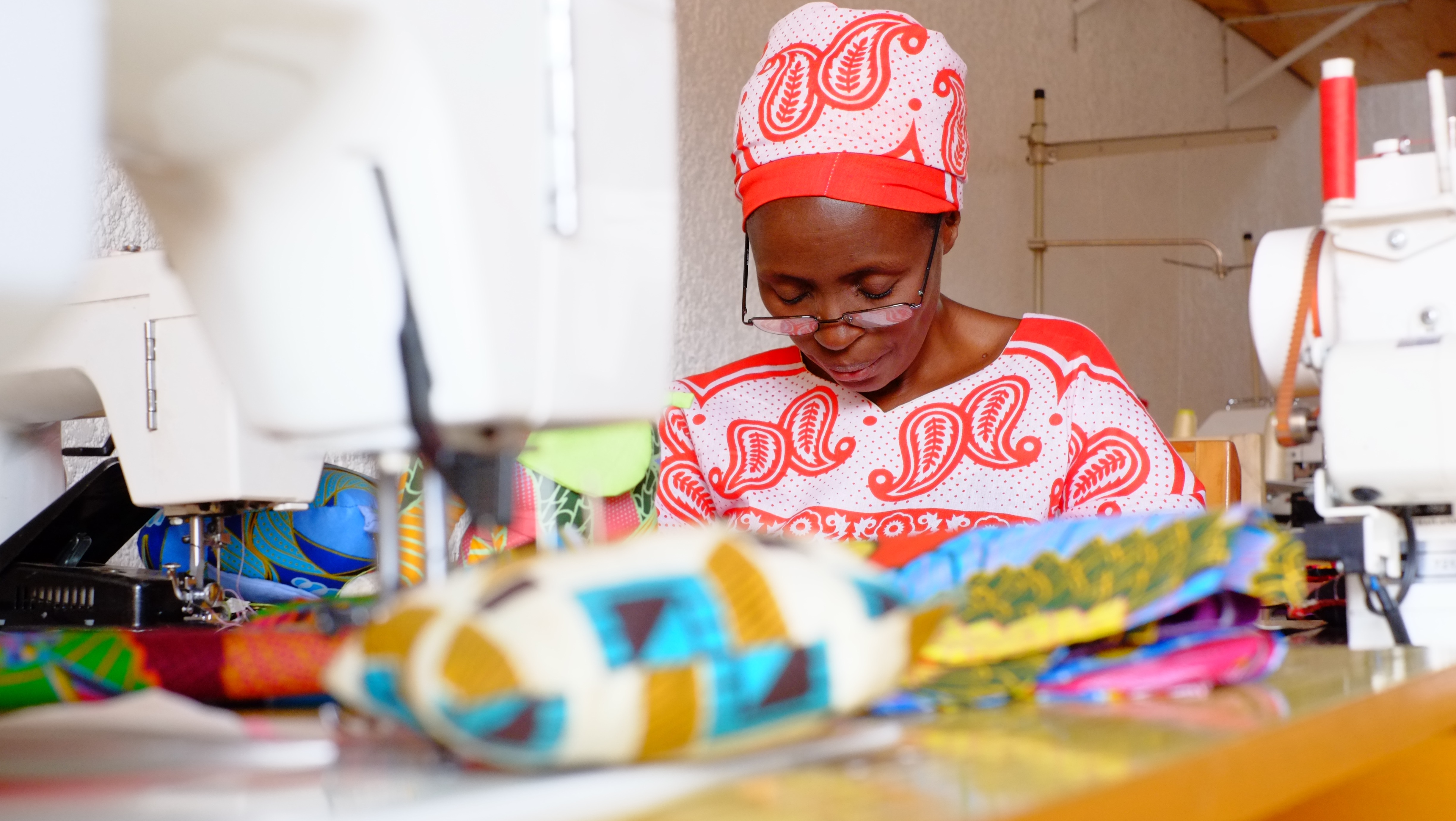
NWC (www.nwc-umutima.org) is a Rwandan NGO founded in 2007 by 18 local women. They launched a project with the aim to help other women in solving problems related to gender inequality and discrimination. I was told that the project was actually started by two ladies from Europe but I didn’t find anything about this on the Internet.
According to NWC website, the mission of NWC today is to provide education and training to disadvantaged women so that they have better opportunities for work and overcome issues related to health and family.
There are various activities that NWC runs for women: free classes in literacy, English, computer skills, handicraft, sewing, empowerment trainings on gender-based violence and community-based tourism.
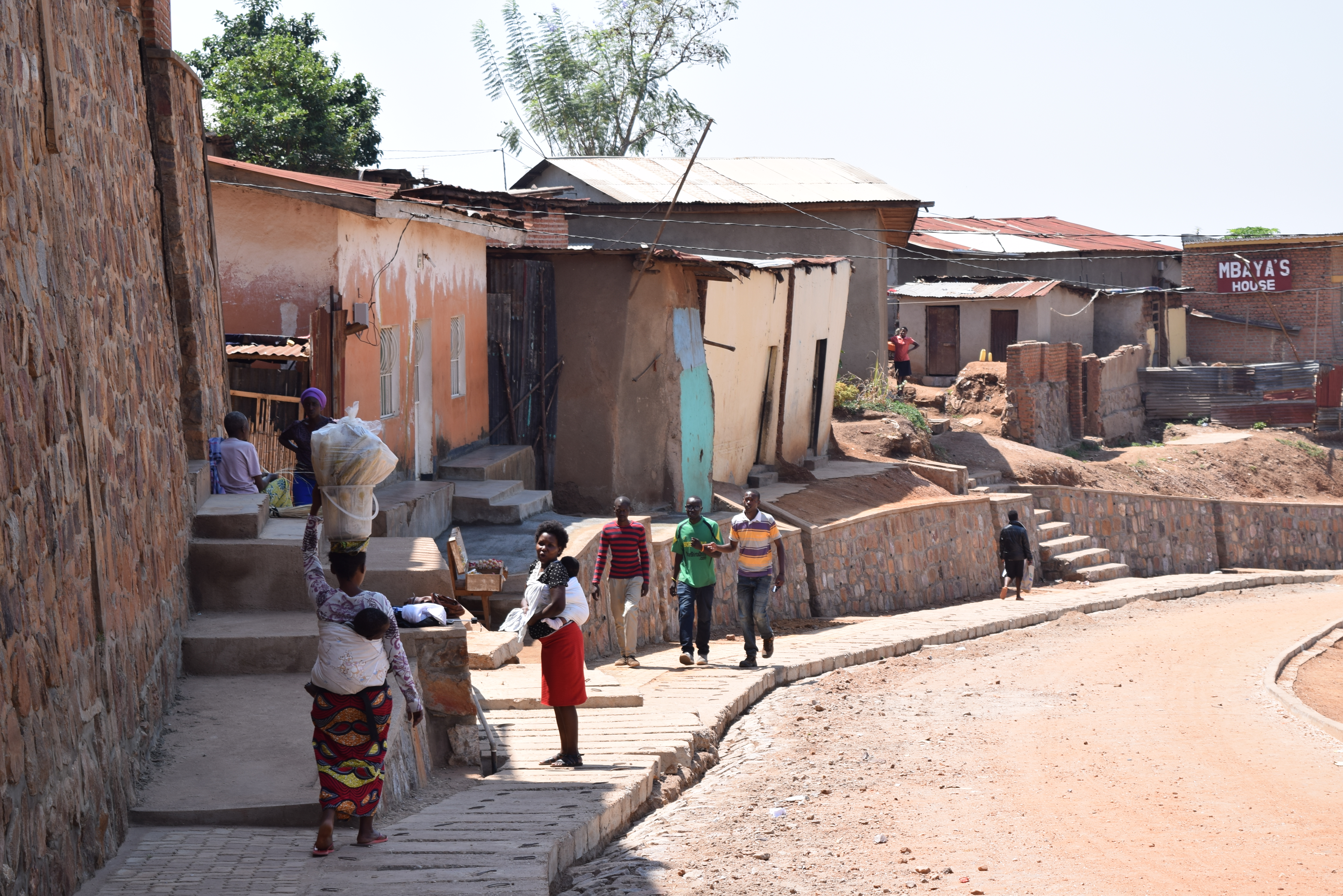
Only two weeks after we arrived in Rwanda, I took my kids to the NWC and a guided walking tour through Nyramirambo – a diverse and lively neighborhood. It was one of those rare experiences in life that stays deeply engraved in your memory…and I think in my children’s, too.
The tour started at the NWC sewing cooperative where we learned a very interesting fact – even though this is a women organization, there was one man working in the shop and guess what his job is.
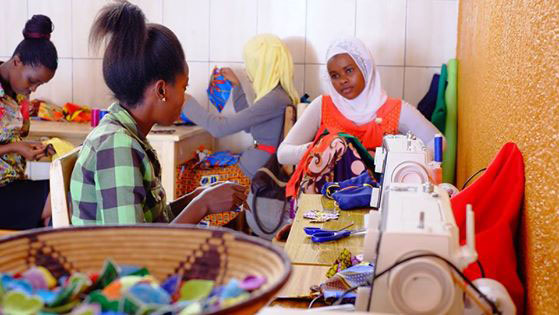
He teaches women to sew by hand and use sewing machines! We also learned that when the sewing cooperative was launched, there was hardly any sewing skills in the community, so the two European ladies had to bring someone from Europe to teach women to sew.
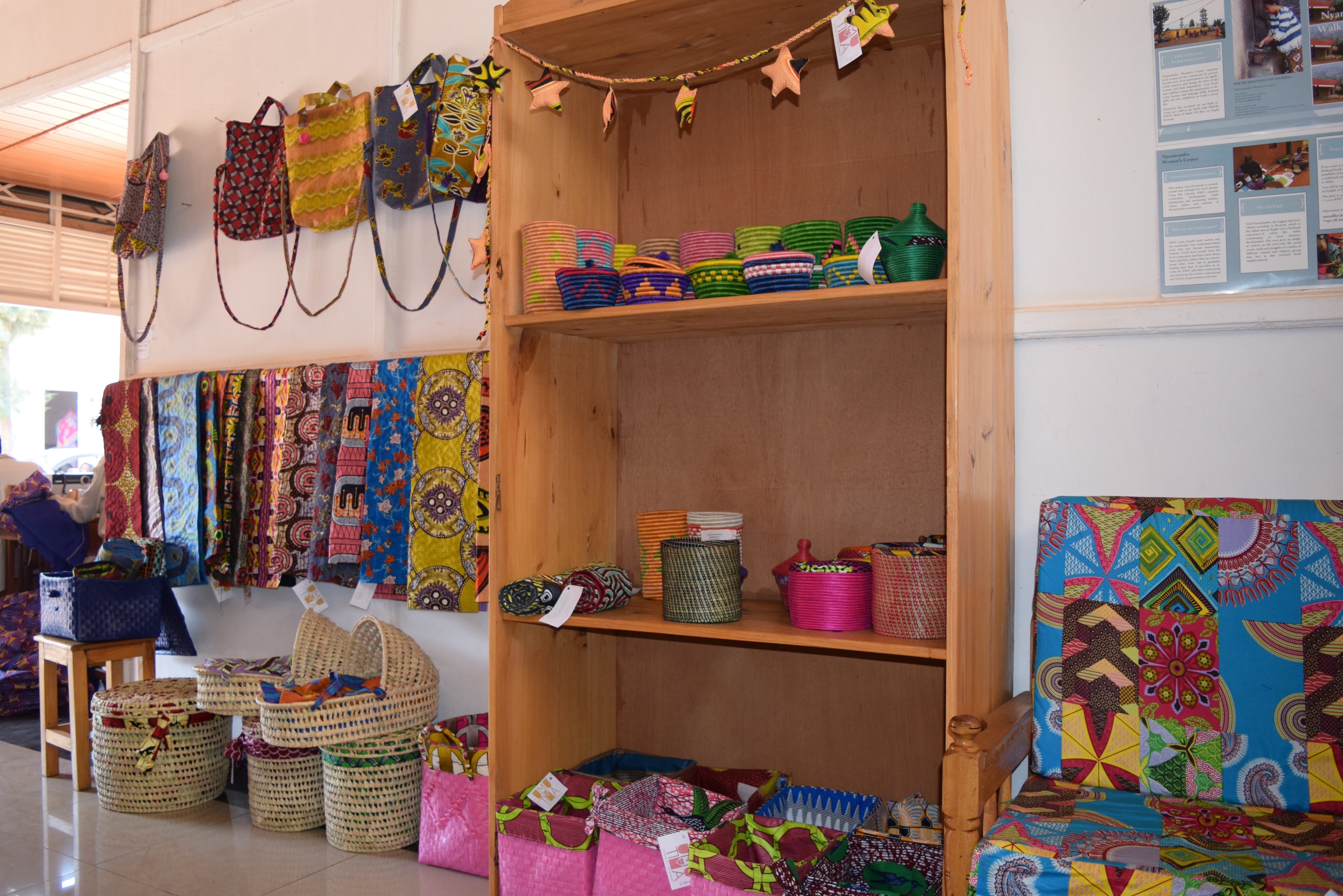
Umutima – translated from Kinyarwanda it means “heart” – is a brand by NWC launched in 2013. There are various products one can buy under this brand: children’s clothing, women bags, house decorations like table covers, baskets, bowls, handicraft jewelries and many more.
They all come with a small label in the form of a heart attached to the product.
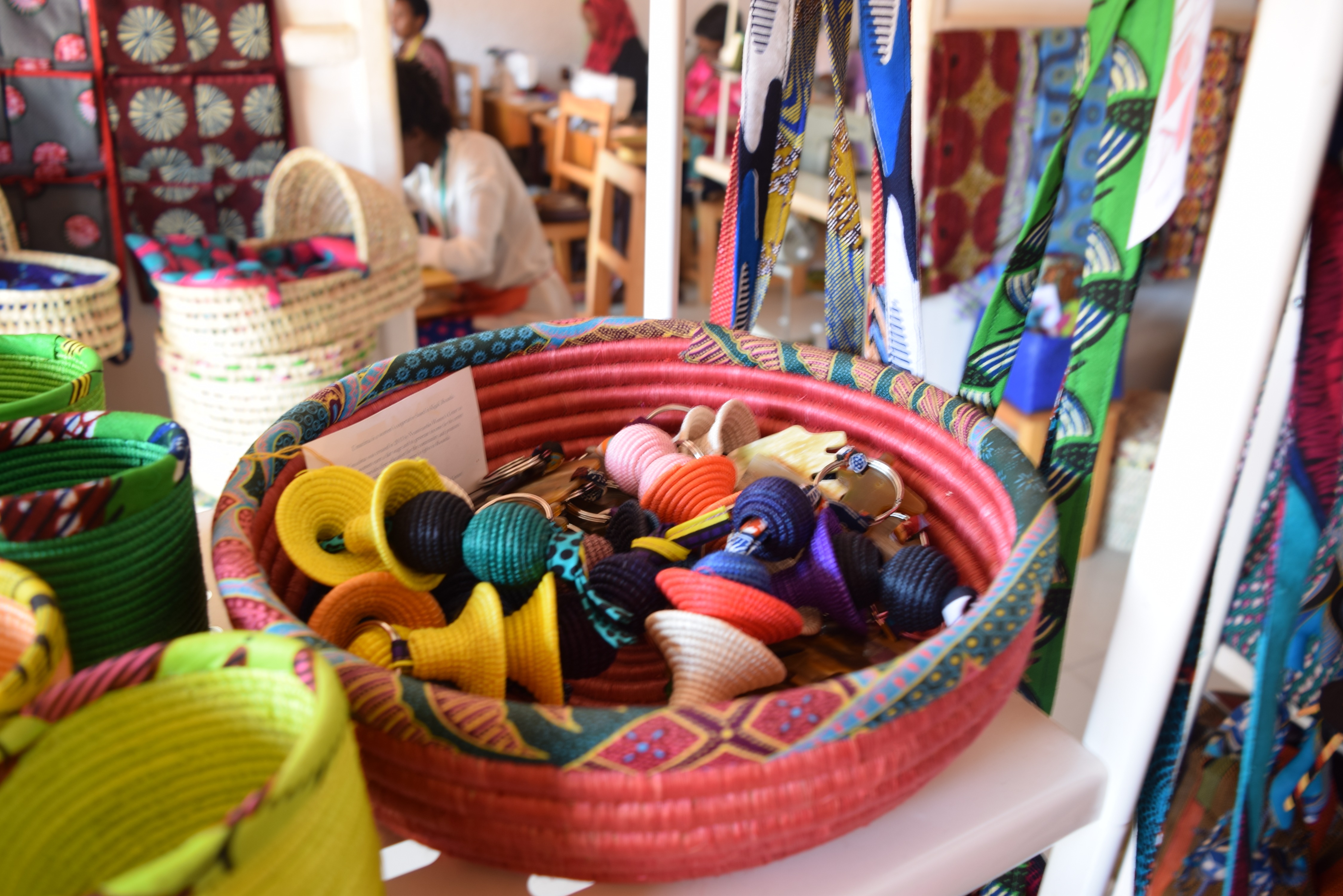
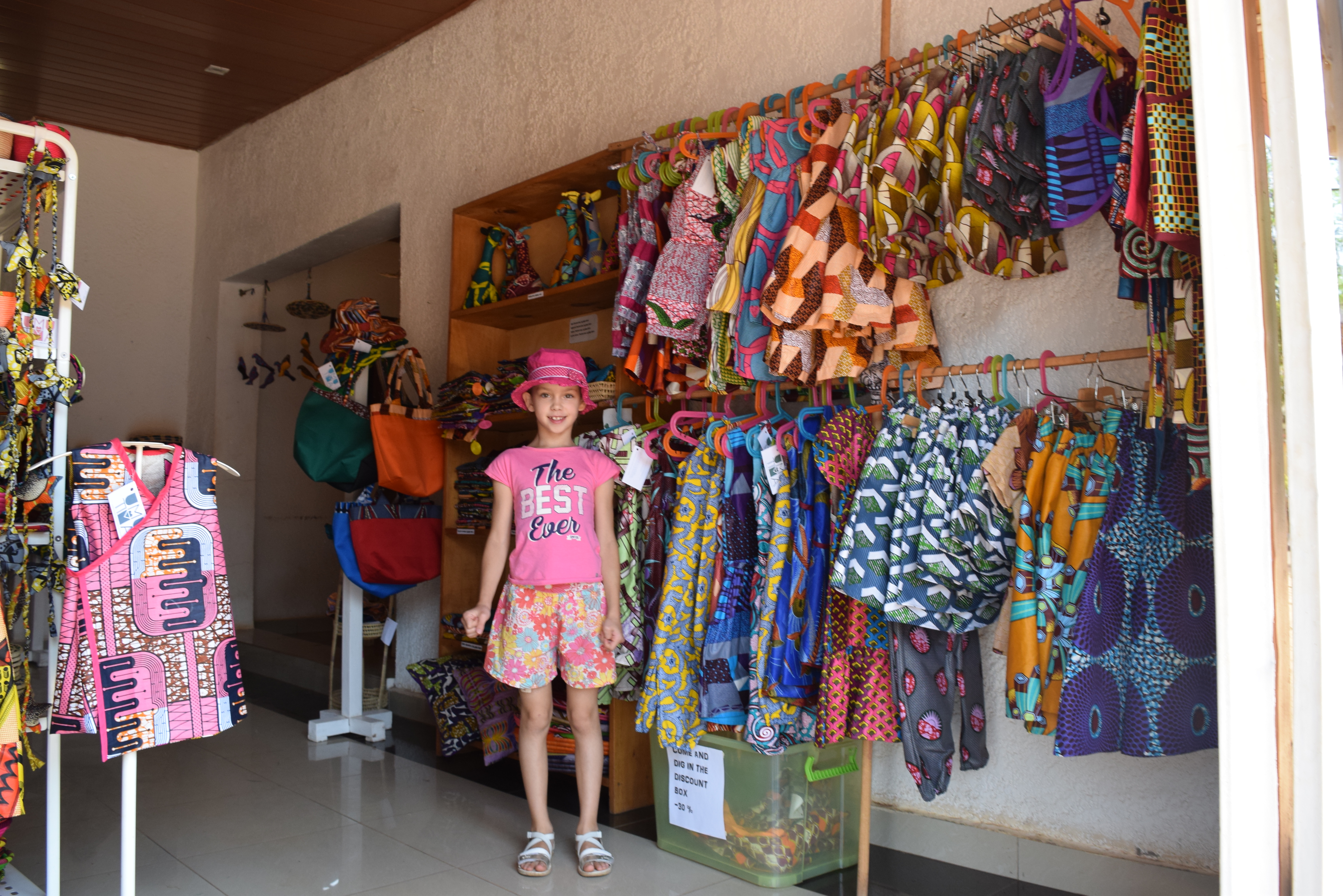
When I first entered the shop, I knew it won’t be easy to leave with empty hands. The explosion of colors, patterns and creative designs brings a smile on your face in an instant and you simply can’t resist the desire to take some of these beauties home.
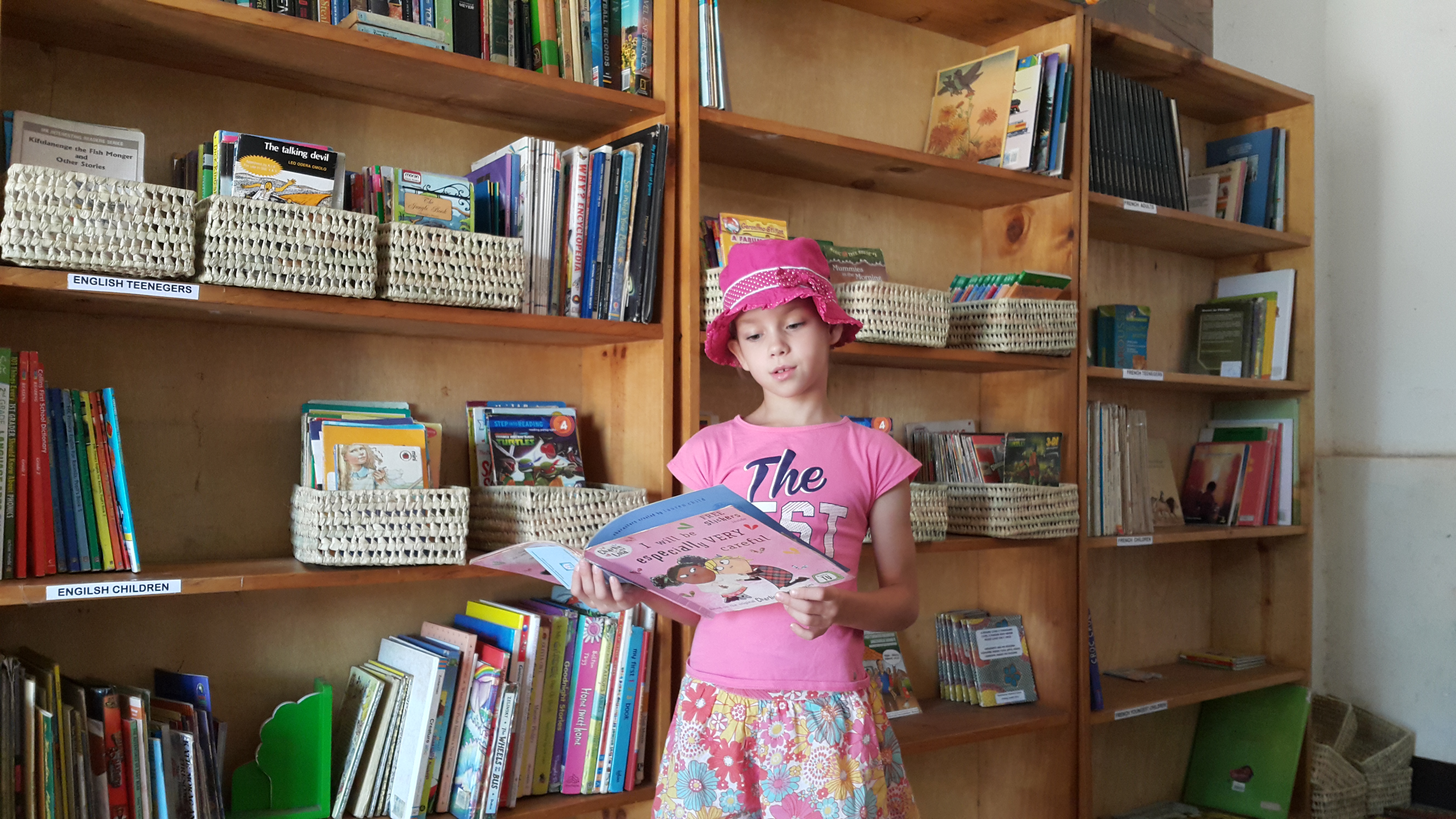
We crossed the street to visit a small community library which offers books in Kinyarwanda, English and French. It opened in 2014 with the idea to encourage reading among children in Rwanda. According to the statistics, the literacy in Rwanda is 70% but still there are many children who don’t have the opportunity to read. We came out of the library with a clear goal – donate children’s books as soon as our container from Moscow arrives in Kigali.
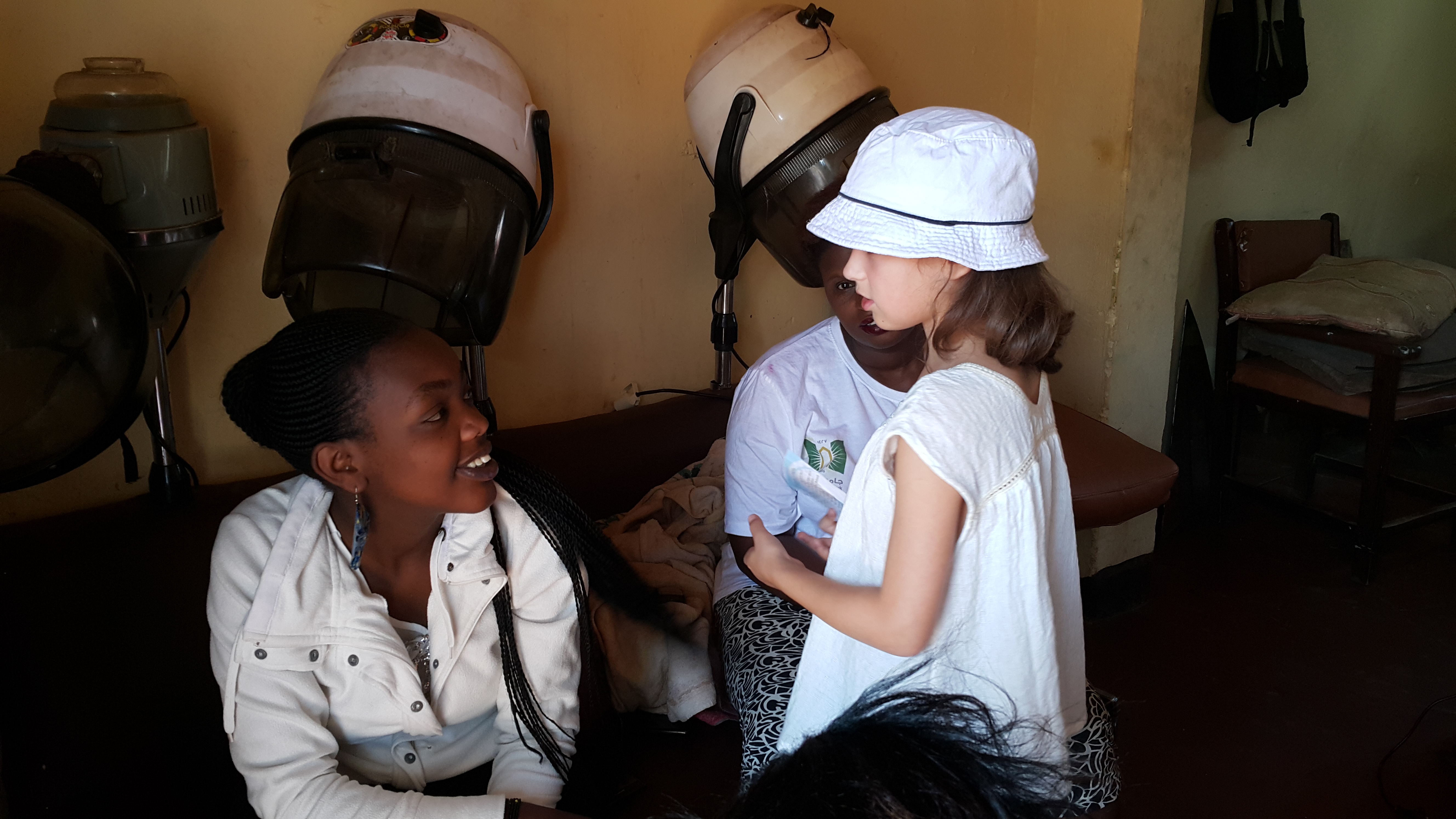
Our next stop was one of the many hair salons in Nyamirambo (and also in Kigali). Apparently, that is an important part of today’s women lifestyle. Our biggest surprise though was that many of these cool African rasta haircuts and plaits we’ve seen on women’s heads on the streets are done with fake hair attached in a special way to women’s natural hairs. This is really hard to believe when looking at a woman’s freshly done rasta hairstyle. We’ve also learned that the hair wrap many women carry used to be a symbol of motherhood in the past, something that turned into a fashion attribute of the modern African female clothing (there are some really cool hair-wrapping DIY videos on you tube, in case you are interested).
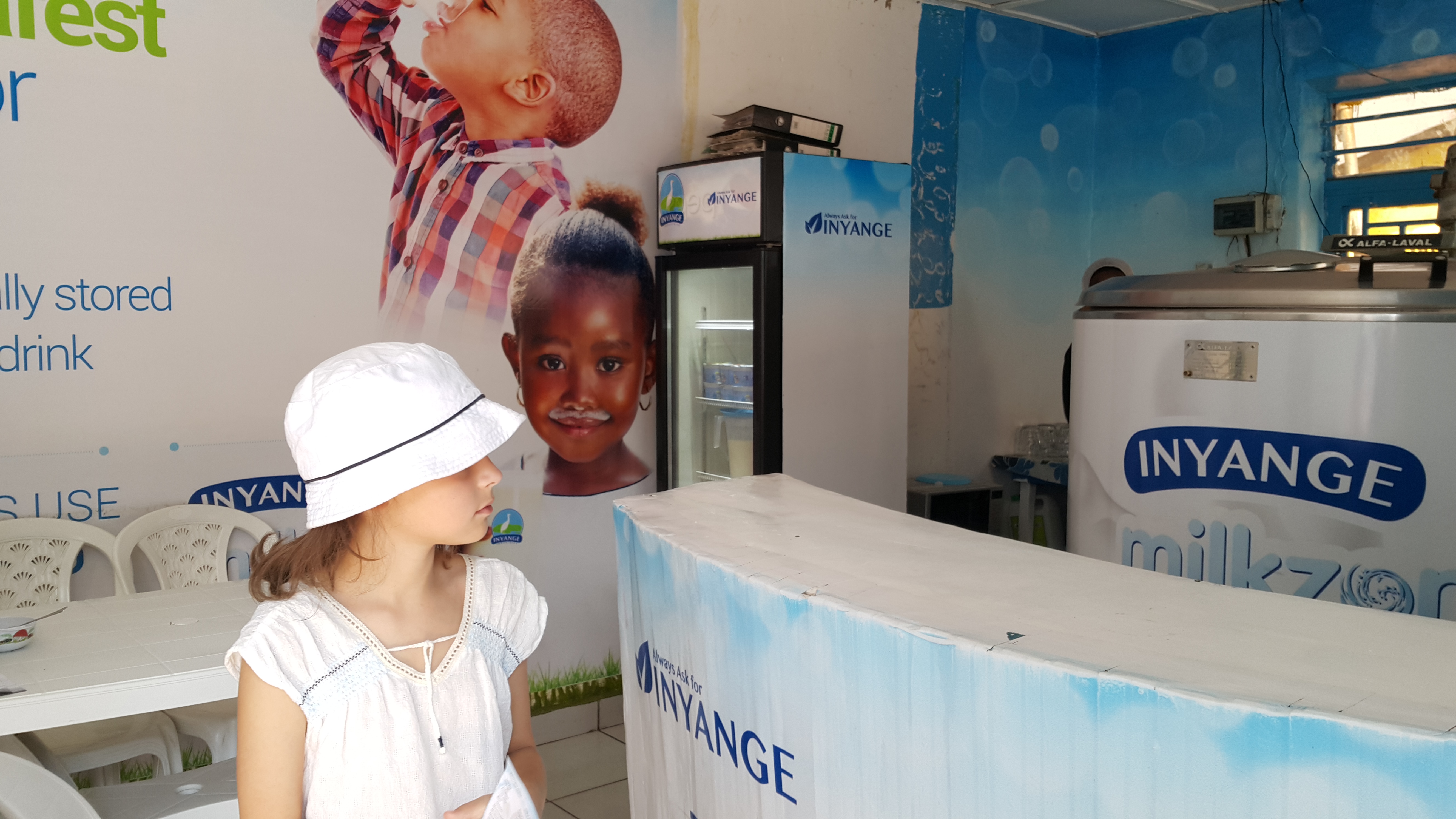
We went on to a local milk bar (aka Milkzone). This is a place where many Rwandans have their breakfast that consists of a fresh glass of hot milk and a banana. Sounds tasty, doesn’t it? I’ve recently read somewhere that the Rwandan Government promoted these milk bars (there are about 50 shops only in Nyamirambo) to encourage local families, particularly those on lower incomes, to have a healthier diet in the morning.
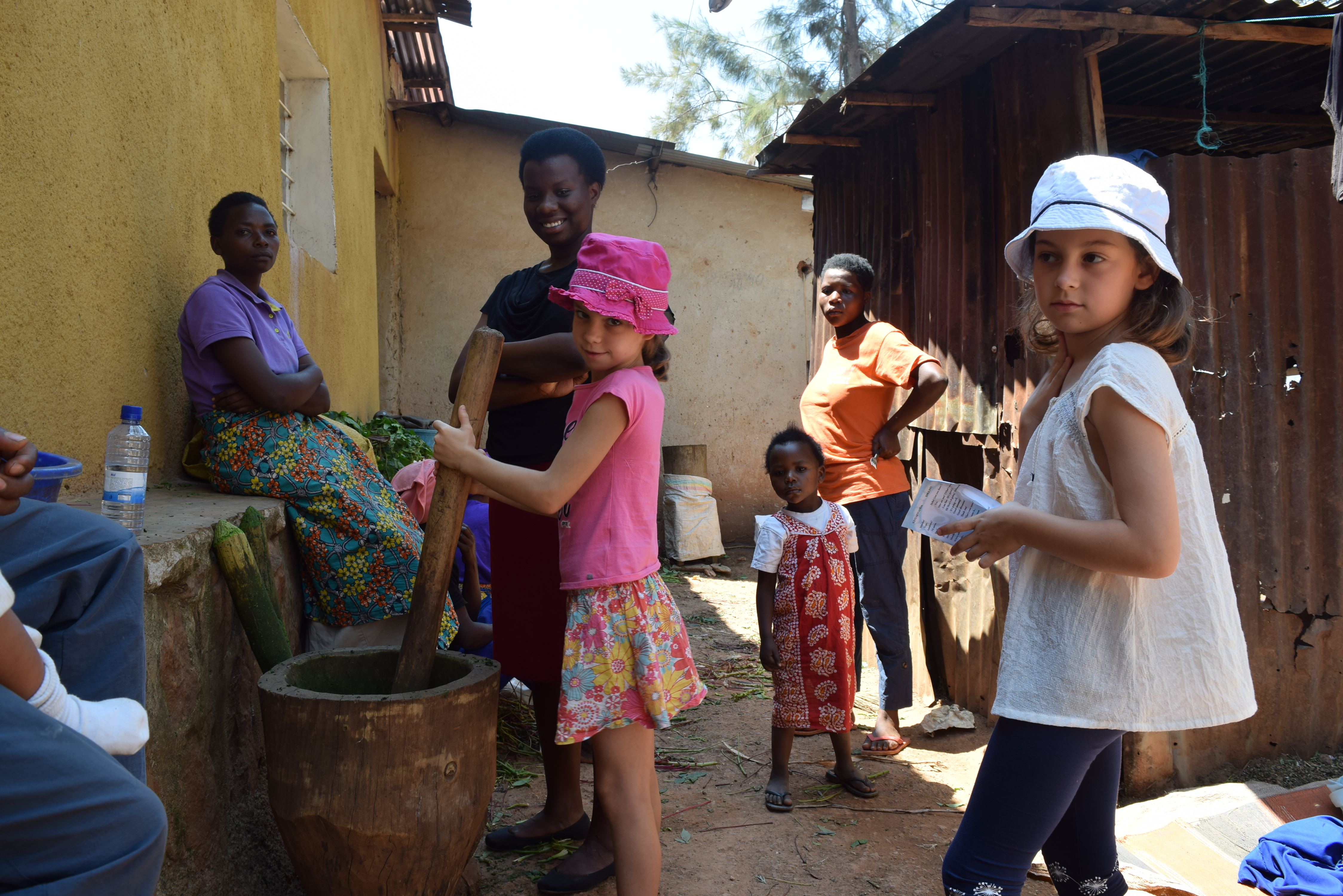
The most memorable experience of our tour took place in a local family house. It was quite unexpected by us but also seemed to be a spontaneous decision of our guide (maybe it was meant to be a surprise). We entered the inner yard of the house where we met some of the family members including a mother with a baby and a little child. The mother was feeding the baby with some kind of porridge while the child was running around and staring at us with his big dark eyes. It was a stunning encounter. We hardly said a word, not daring to interfere or disturb the daily routine of the family. Our guide demonstrated how they process the cassava leaves in something like a big wooden pounder and we tried out as well. She explained that it takes about 3 hours of smashing to bring the whole amount of leaves in the pounder to pureed condition. That’s a lot of work!
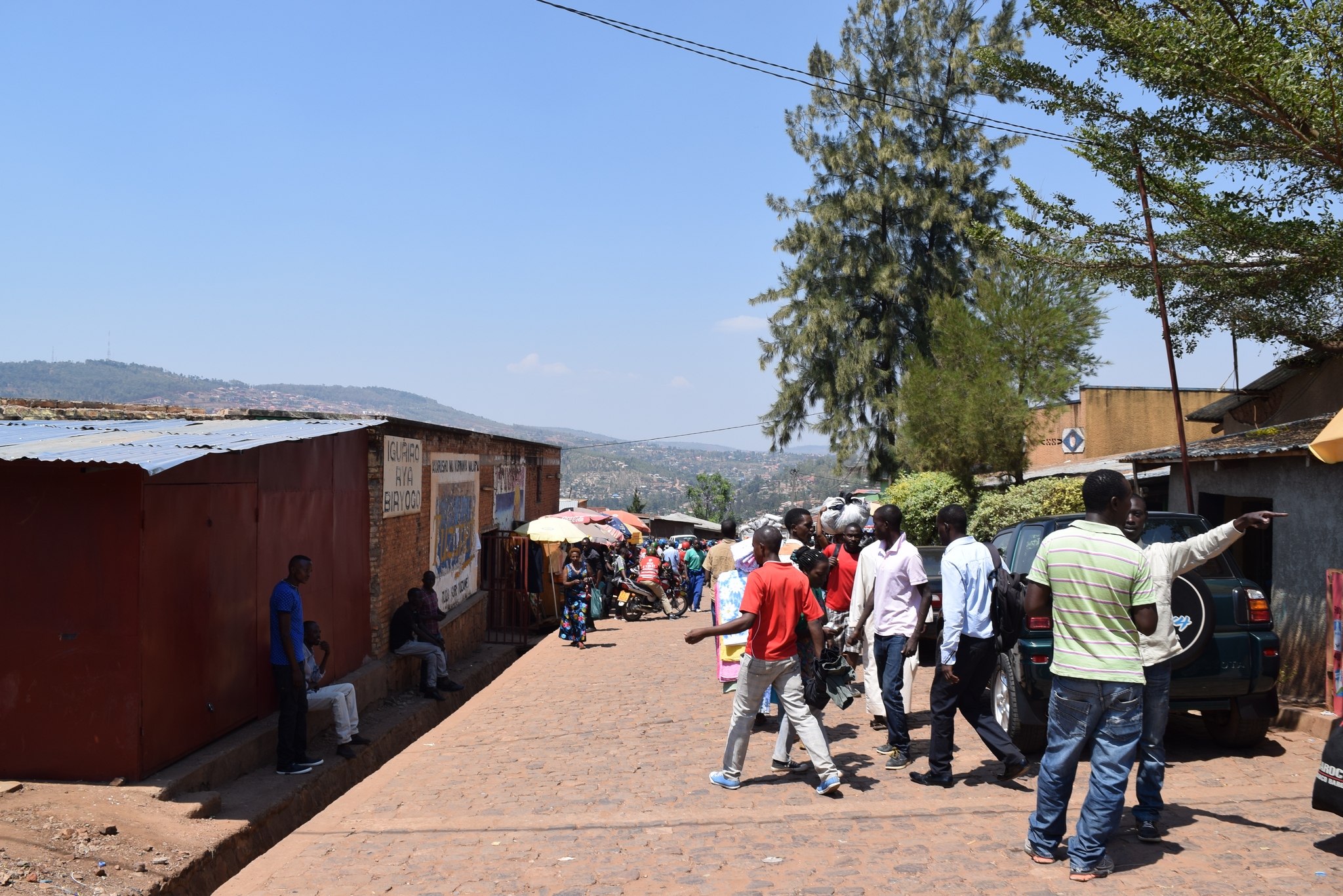
We then walked further down the street to reach the local open market. Swarms of people gathered around a place which, as the guide told us, was the local second-hand clothing auction. We didn’t dare to dive into this market as it would have been a real challenge to cope with all these bargaining people around.
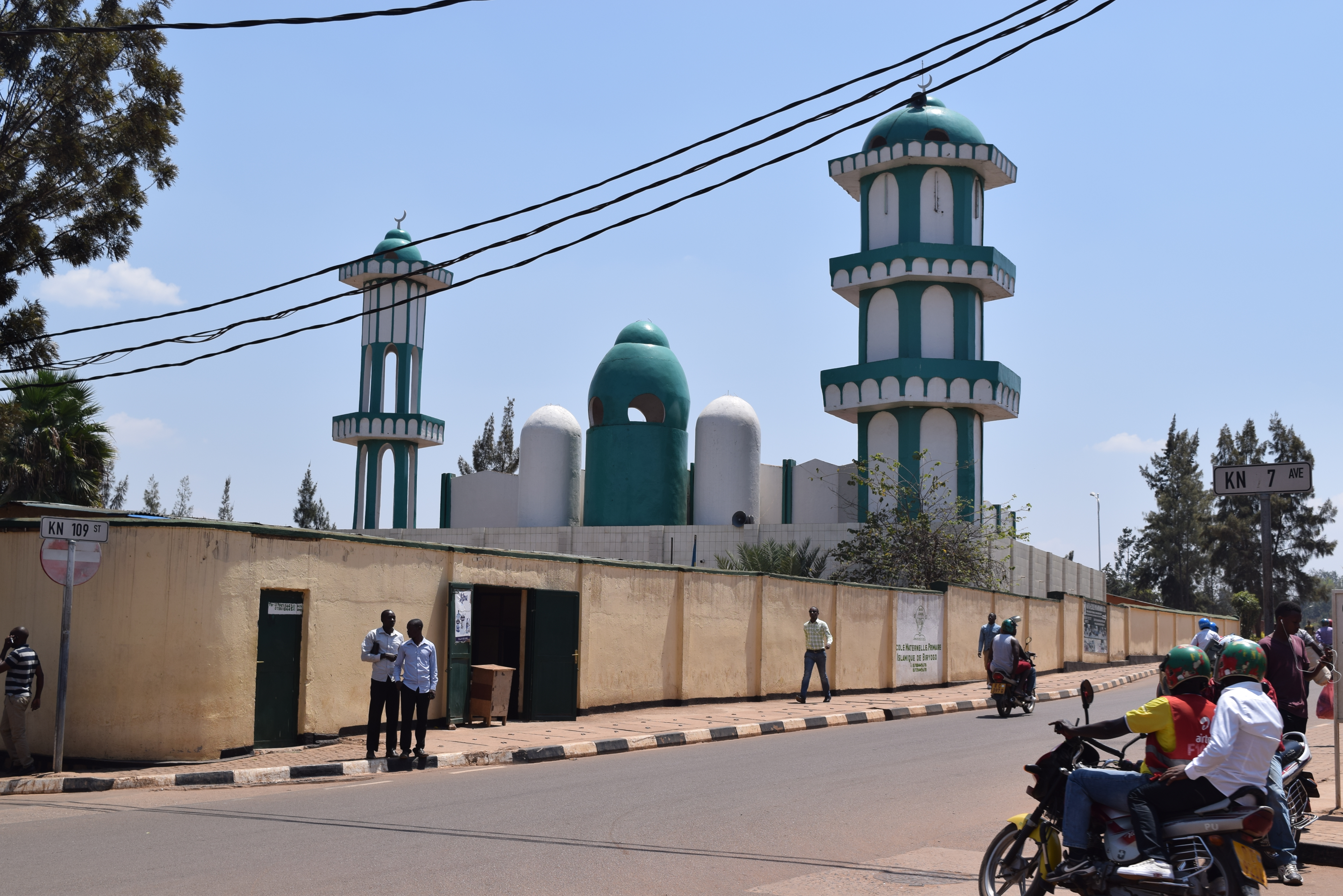
Another “must-visit” sightseeing in Nyamirambo is the Green Mosque (one of the several in the neighborhood), built when the Muslim community first came to Rwanda in the 1930s to trade their products. (As a matter of fact, today Muslims represent about 2% of Rwandan population (with Roman Catholics and Protestants representing the largest religious groups). This is the oldest mosque in Kigali and is a symbol of peace – this was the place where many Rwandans found a haven during the genocide.
Our last stop was at a local restaurant. This was part of the tour program as an alternative to a cooking lesson teaching traditional Rwandan cuisine. This time we chose the first option but I am planning to go for the cooking lesson next time as I really liked some of the traditional dishes.
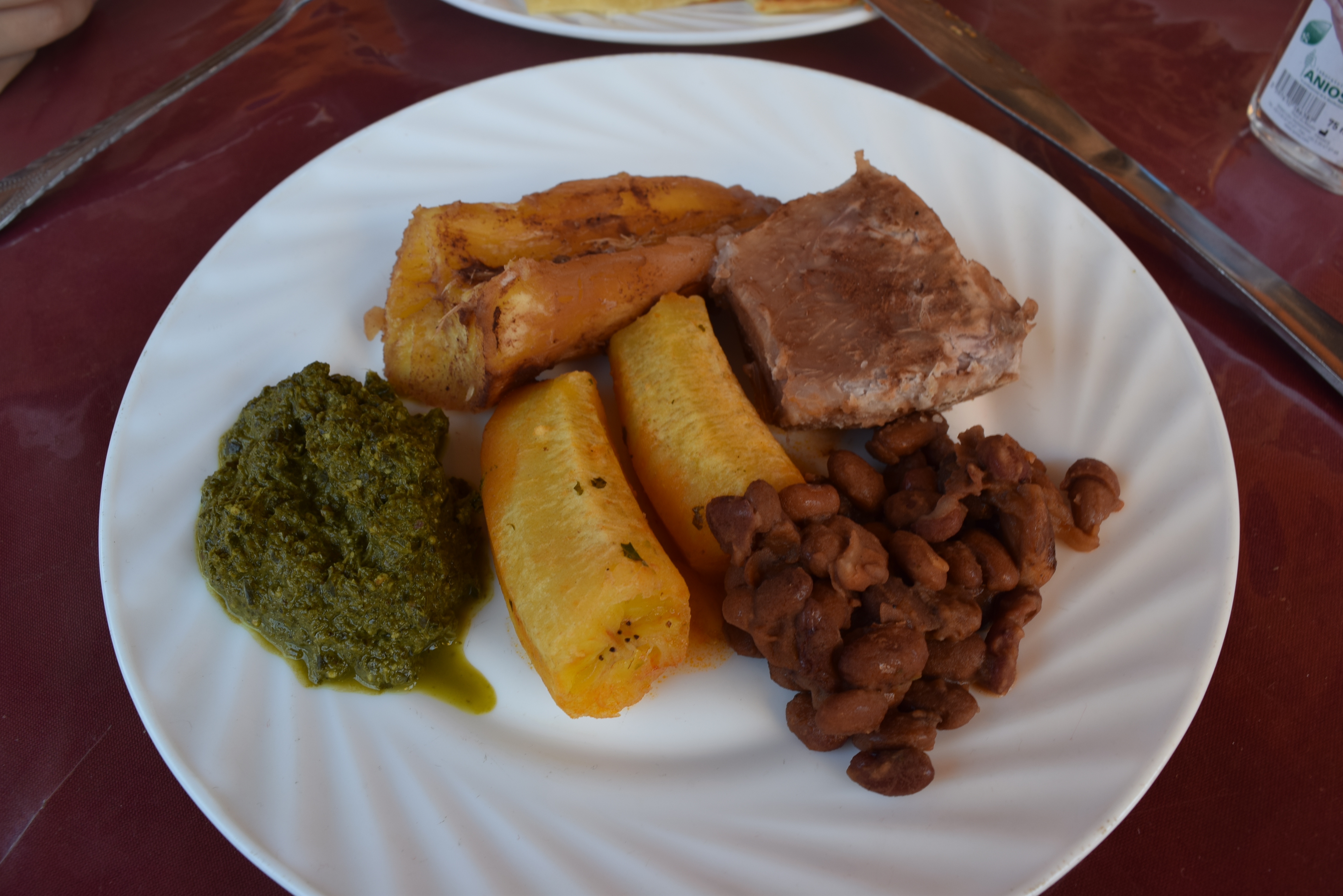
Africa has a lot of different banana sorts which can be used either for eating (as fruits), or for cooking (as vegetables). For example, there is a special sort of green bananas which never get yellow and are used for cooking (fried bananas); another sort is a small yellow banana (again, not consumed as a fruit) which is also cooked as a side dish (like French chips) and is absolutely tasty. Generally, the traditional Rwandan cuisine is quite rich on carbohydrates (bananas, roots, beans, potatoes, rice.). This explains why local people can go with only one meal during the day.
As this was my first experience, I decided to try different dishes and they were all very delicious. I particularly liked the cassava leaves sauce (similar to spinach sauce) that is usually consumed with meat, rice, potatoes or pasta.
Our tour ended back at the NWC with a little bit of gifts shopping at Umutima.
In Nyamirambo, the oldest neighborhood of Kigali, we got a great insight into the everyday life and challenges of this vibrant and colorful city. After 3 hours full of impression we headed back home exhausted but with a wide smile on our faces!
To view other posts, click here.