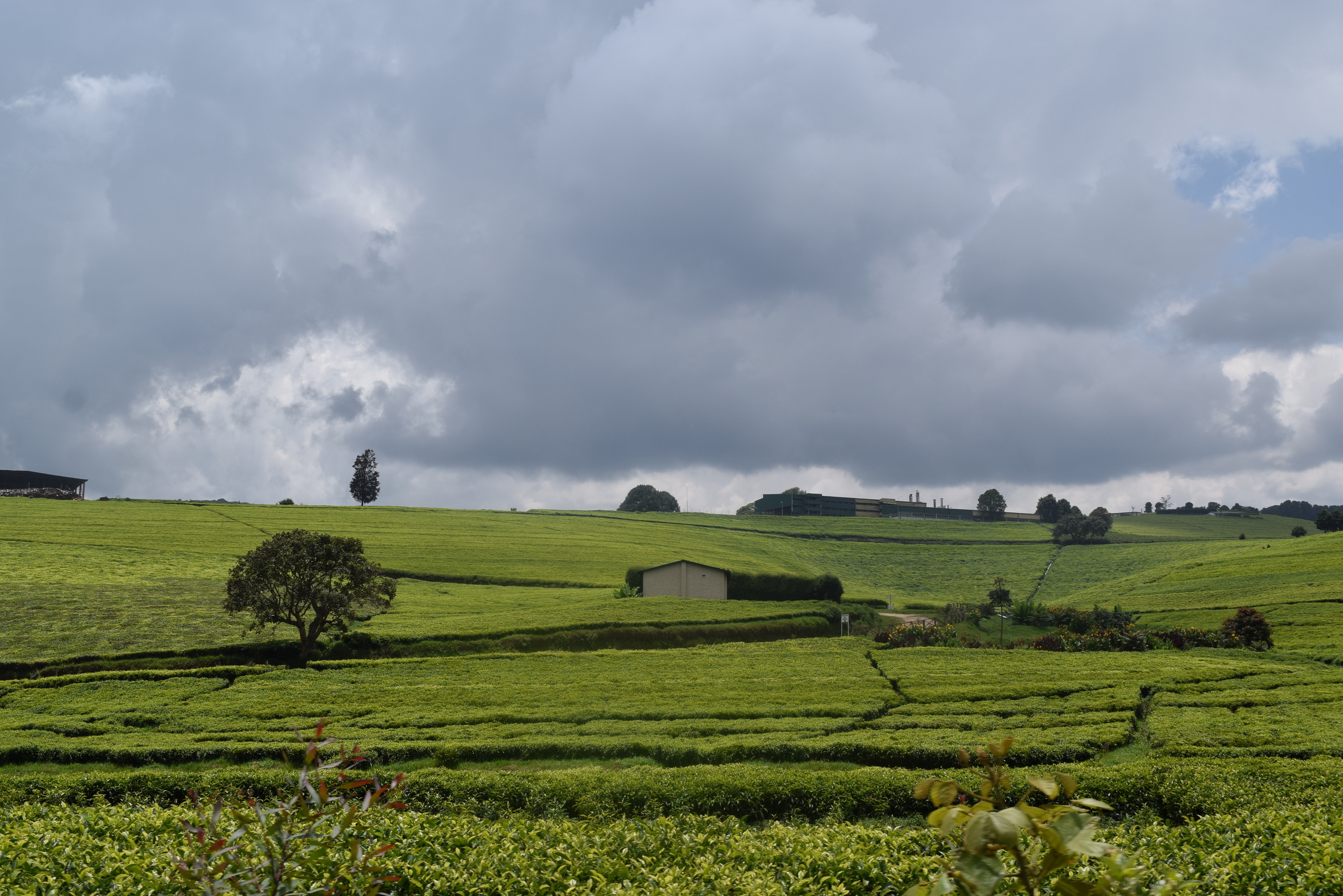
Rwanda will always have a special place in my heart and mind. I would dare to say that Rwanda has transformed my life.
You have certainly heard these phrases many times. Often they are associated with remote places in the world typically labelled as “exotic” or “a place to escape reality”. But I am not referring to the temporary change that inevitably settles in our thoughts during a longer vacation somewhere far from your country, and which quickly fades away after returning to home. I am talking about all types of change, permanently settled in both my brain hemispheres which is now expressing itself in multiple aspects of my life – from the boring daily chores to long-term personal and professional aspirations.
I’ve recently had the opportunity to share my family and personal experiences in Rwanda at a local Traveler’s Club, and the audience’s positive reaction, curiosity and hunger for knowledge motivated me to write this post. I hope it will touch and provoke you in a positive way. Read on to take a few key messages that may trigger similar transformations in your life, and the life of those around you, or encourage you to continue the course you have already taken.
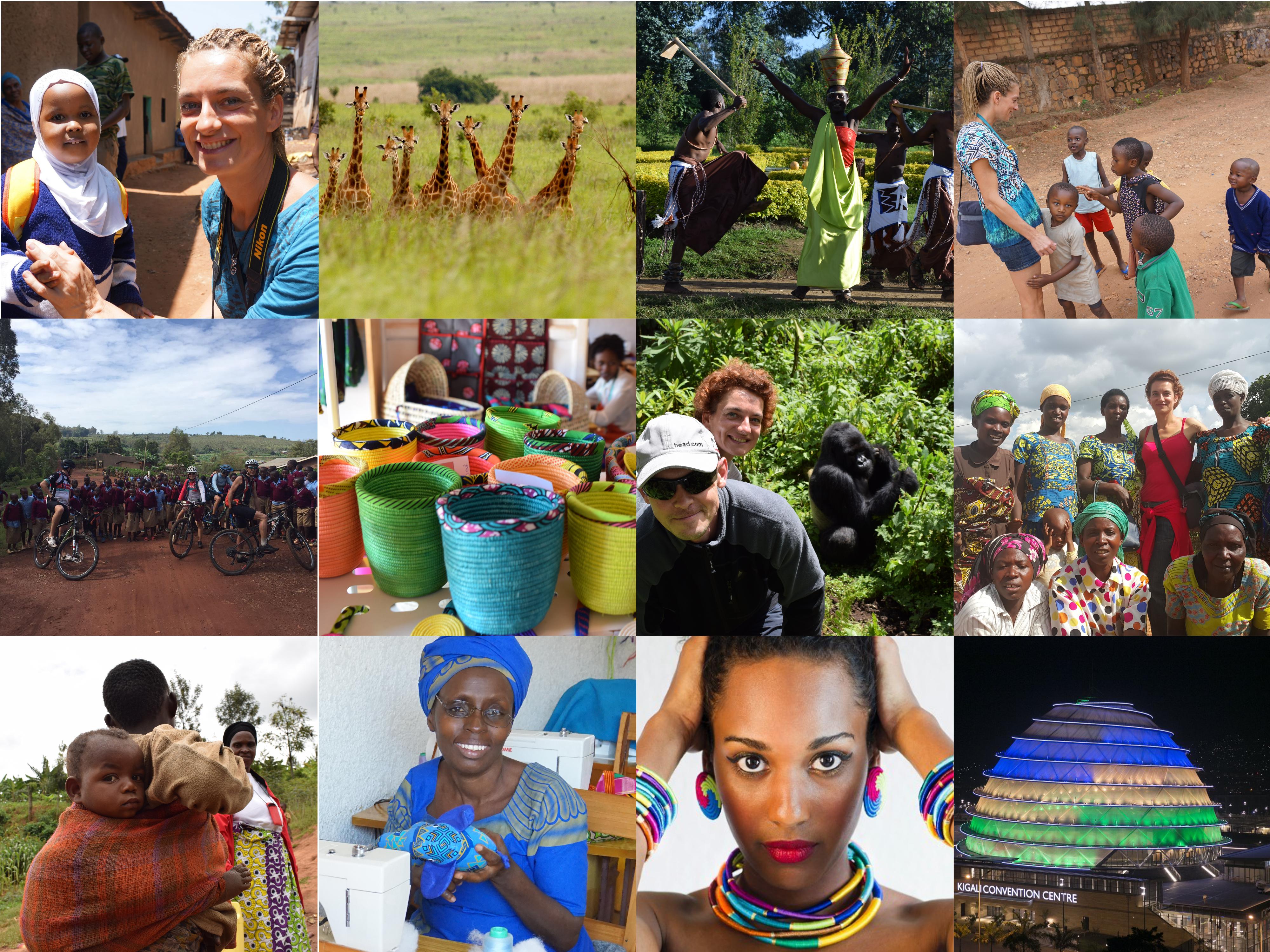
Many people asked us “Why Rwanda?”, so let me start by answering this question. I believe that many things in life happen with a purpose, and our move to Rwanda was one of them.
It was early May 2016. My family just returned from a short vacation in Bulgaria to Moscow which was our home since 2011. Despite all the typical disadvantages of the big cosmopolitan city like Moscow, we loved it and enjoyed our life there. Our daughters, 8 and 9 y.o. at that time, liked it a lot, too. If I should summarize these 5 years in 5 phrases, they would be:
- Warm human relationships and strong friendships
- Rich cultural experiences
- Navigating through the bustling city (Moscow never sleeps!) and mind-blowing traffic jams
- Long, dark, and sometimes freezing cold winters
- Career and personal development
Now you know why I love Moscow. But let’s get back to Rwanda.
As many people in our situation would probably do, my husband and I had to check our geographical knowledge about the African continent, so we looked up Rwanda on Google Maps and Wikipedia, of course. Before Google was able to zoom in enough into Africa, all my prejudices and stereotypes about the continent “invaded” my mind. And believe me, these prejudices were not so positive.
I realized I hardly knew anything about Rwanda. My prejudices were based on pictures and stories told by the media and the movie “Hotel Rwanda” from 2004 which reveals one of the most horrific tragedies in human history – the Genocide against the Tutsi in 1994. I am not going to go into historical details here but I can tell two things:
1) Most of my prejudices were blown away within the next 3 years and replaced by a feeling of admiration towards this country and its ability to thrive and serve as an example for other nations around the world.
2) It’s not good to generalize about a country and its people only based on what we hear or see on media, or based on a short visit / business trip or vacation there.
Key message #1: Understand Before (Pre-)Judging
Things are usually not as they might look on the surface. We cannot just deny or judge something/somebody without even trying to understand where they come from, without having put ourselves in their shoes first, without having experienced, at least for some time, their way of living.
Twice in my life I had moved to live in another country, carrying my suitcase full of prejudices and stereotypes. Rwanda was the third country. And every time, I would leave these countries with a sinking heart. Every time, I would bury my prejudices and develop love for these countries despite their cultural peculiarities.
After not too much of thinking, we took a decision. Rwanda would be our home for the next 3 years. It was a decision of “now-or-never” but not an emotional one.
As with many other countries from the developing world, my prejudices were related to the quality of life there. For example, what does usually come to your mind, when you hear Africa – I bet among the top ones (besides adventurous safaris) are: high level of poverty, bad sanitary & hygiene conditions, diseases, low level of education, low or none economic growth, bad infrastructure, high level of corruption, lack of safety, pollution, unrest, etc.
I like to start my story by providing some evidence that Rwanda is different from the picture these associations may have created in your mind. Today, only 25 years after the Genocide against the Tutsi, Rwanda is greener and cleaner than many other countries in the world; including countries from the developed world. Let me give you a few examples:
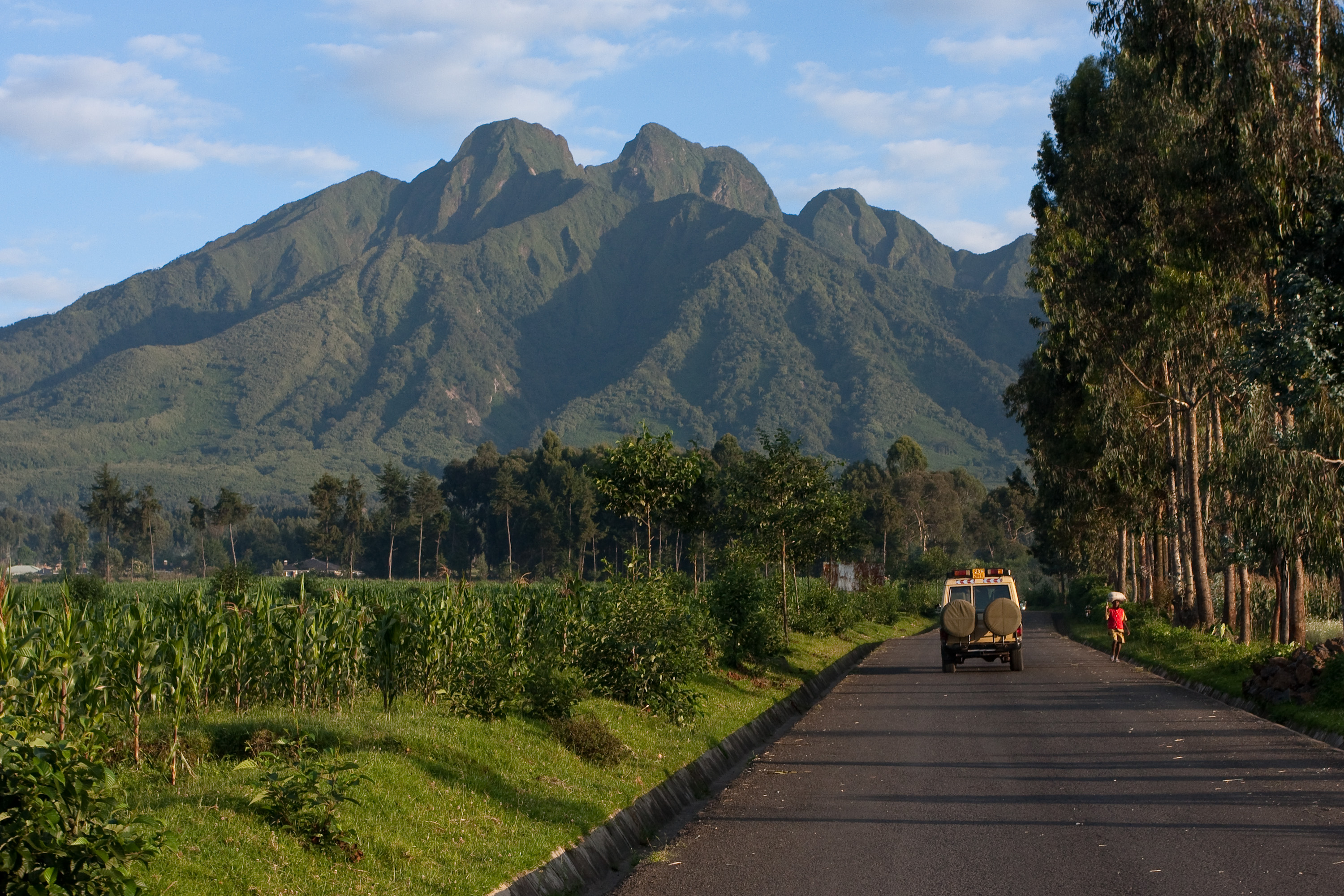
Roadway view to Sabiniyo Mount nearing Volcanoes National Park
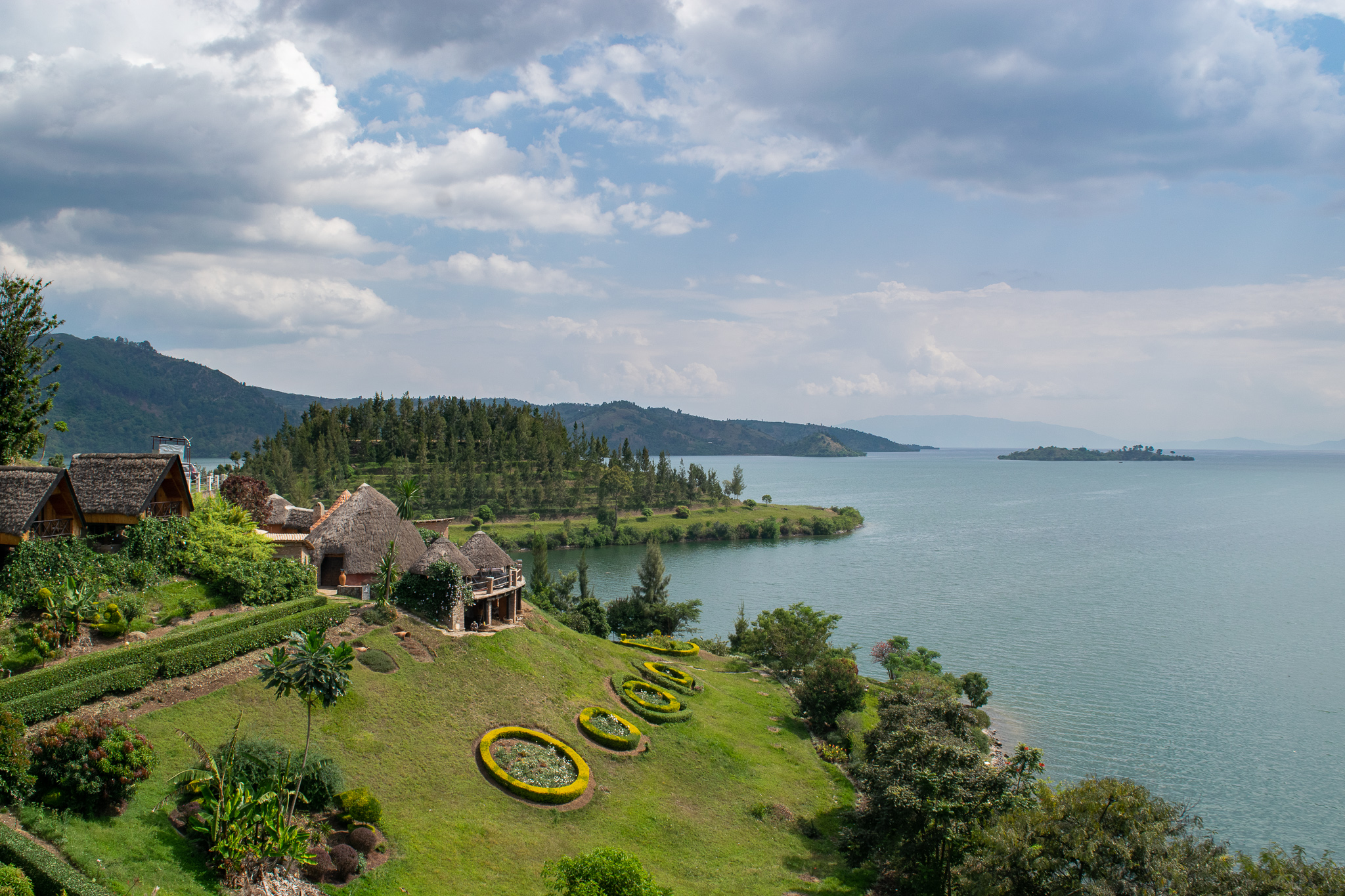
Rwiza village on Lake Kivu
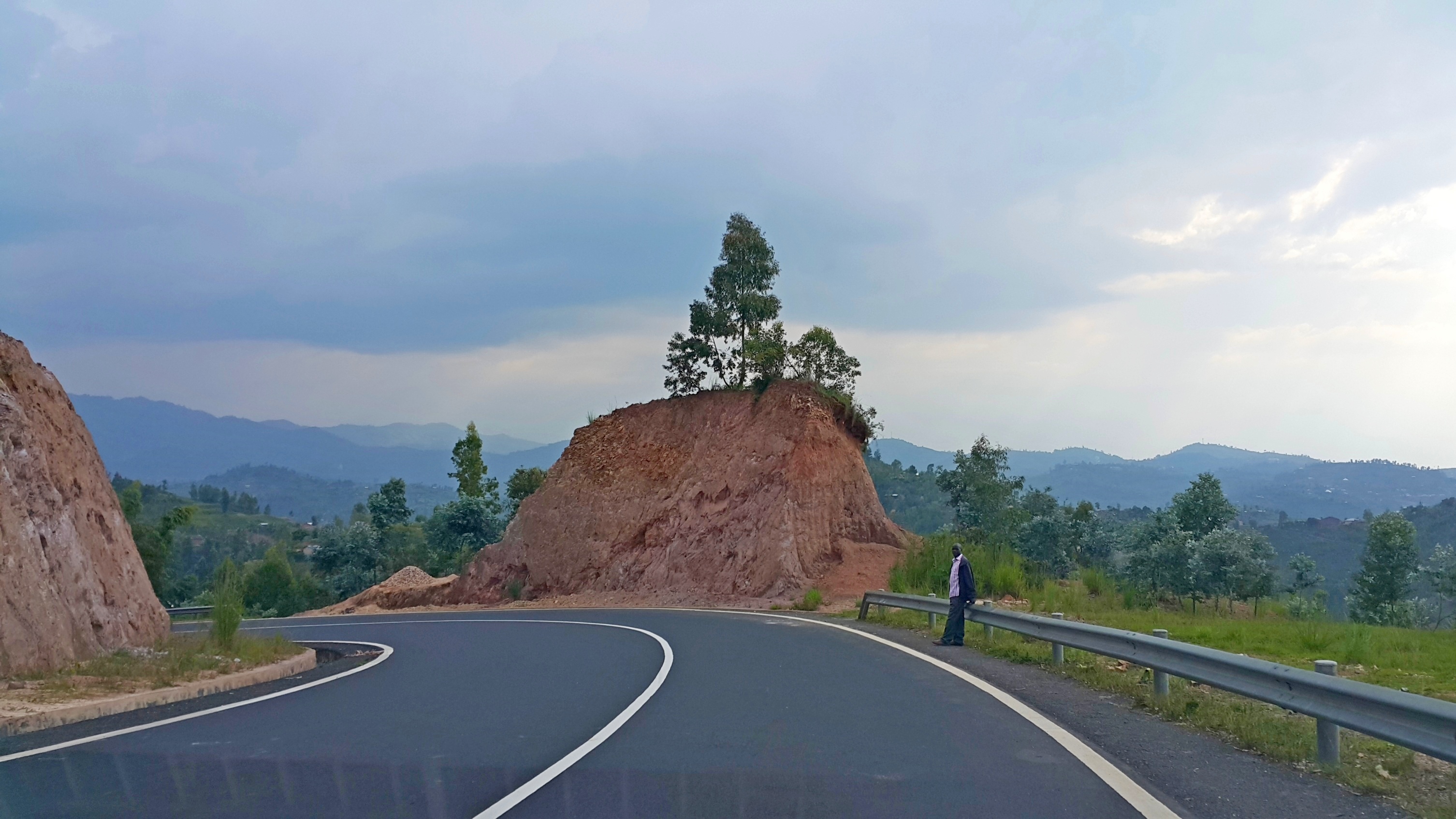
Road to Nyungwe Rainforest
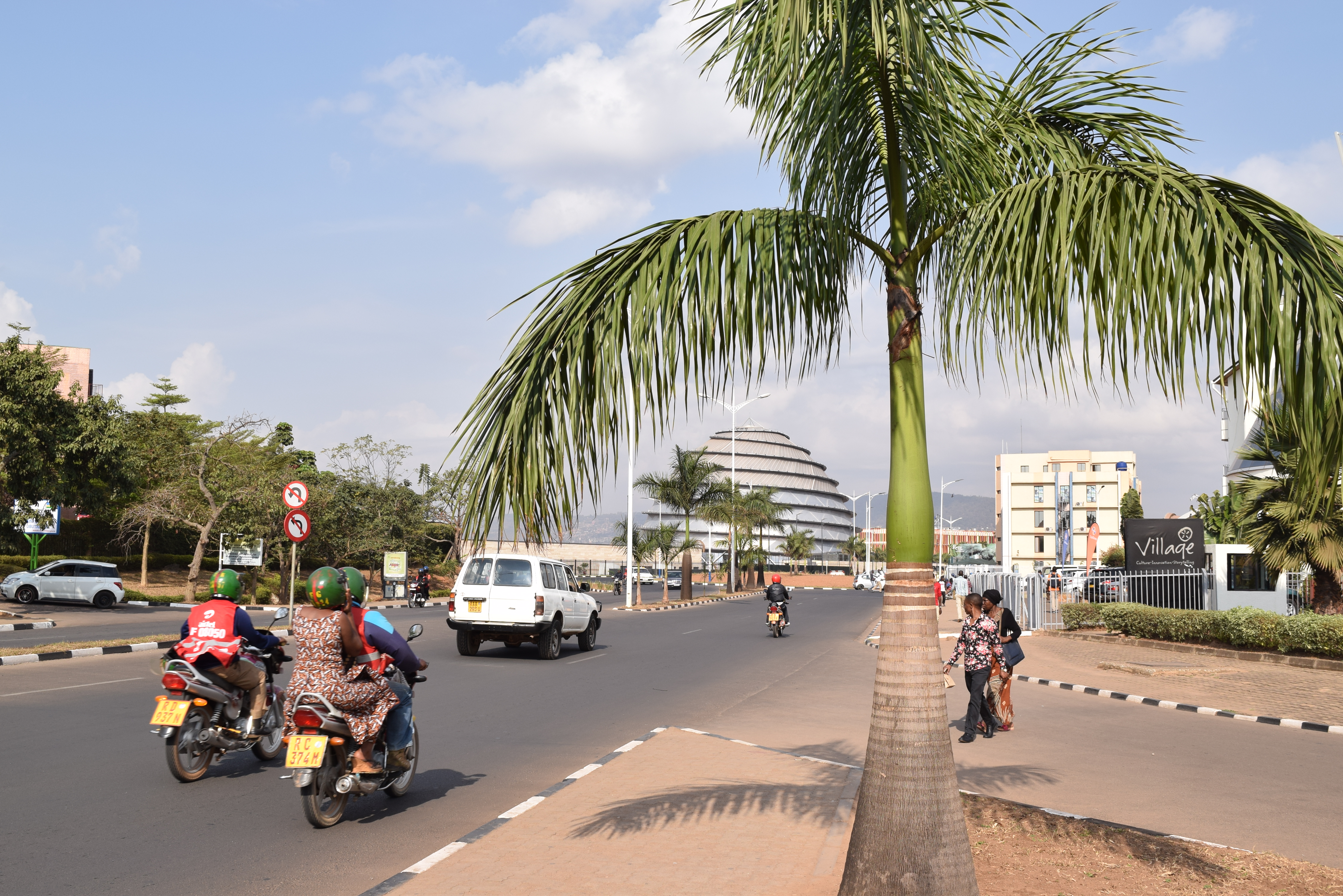
Main street in Kigali with the Convention Center at the back
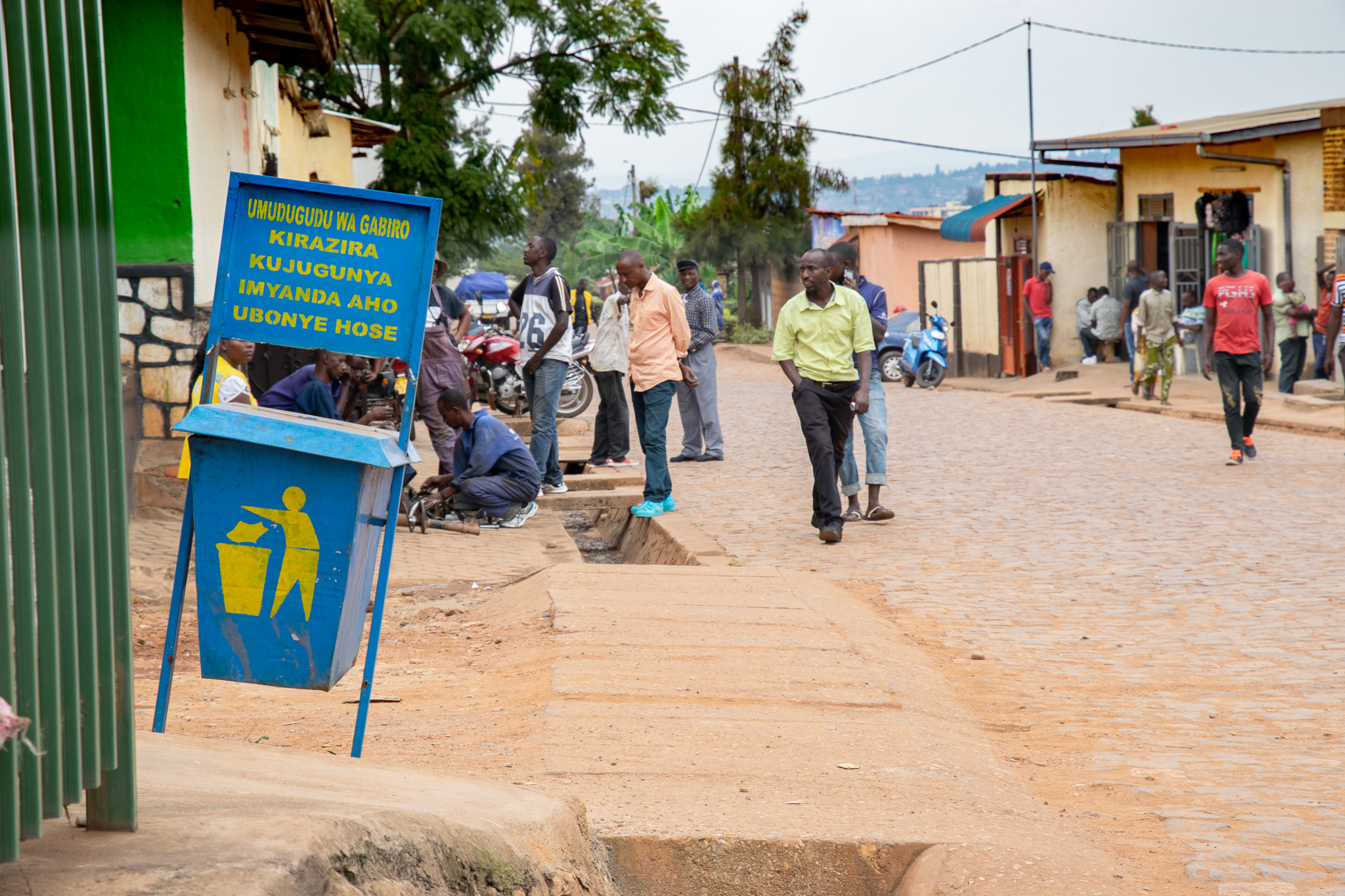
Even dirt roads in less developed areas are clean
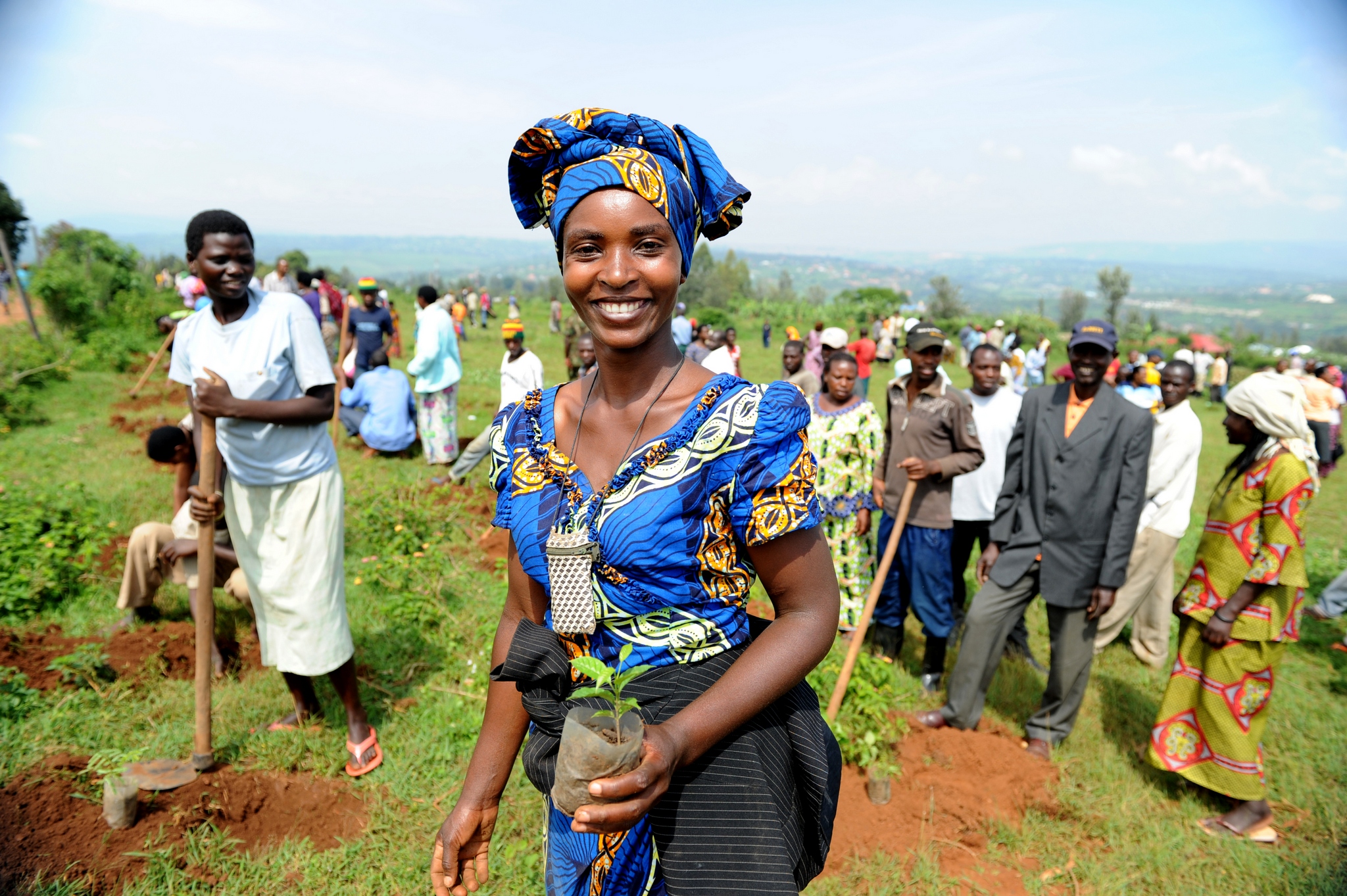
Umuganda – a monthly community work day mandatory for all Rwandans
Key Message #2: Keeping clean and being an environmentally responsible citizen is not only a matter of being more educated or financially secured. To a large extent, it’s a learned habit and mindset.
Food for Thought: Introducing a well-organized (I am not saying mandatory) community work day might be not a bad idea. We used to have it in Bulgaria during the socialist times and we did have a cleaner country. It won’t be easy to make a difference in the beginning, but once it turns into a habit, the fruits of our efforts will be seen and this in turn would have the potential to influence other people to follow.
Not only is Rwanda green and clean but it offers a safe & secure environment to its citizens and foreign residents. Unlike many other “exotic” countries around the world, where expat families live in residential compounds 100% isolated from the real world by tall thick walls, in Rwanda foreigners and locals share one residential territory. True, our living conditions were certainly better off than those of many local households (we had running water and a water tank in case of water shortage; or a power generator, which well, didn’t always worked in case of power cuts) but still, we didn’t live in a bubble and we had every day interactions with our local neighbors.
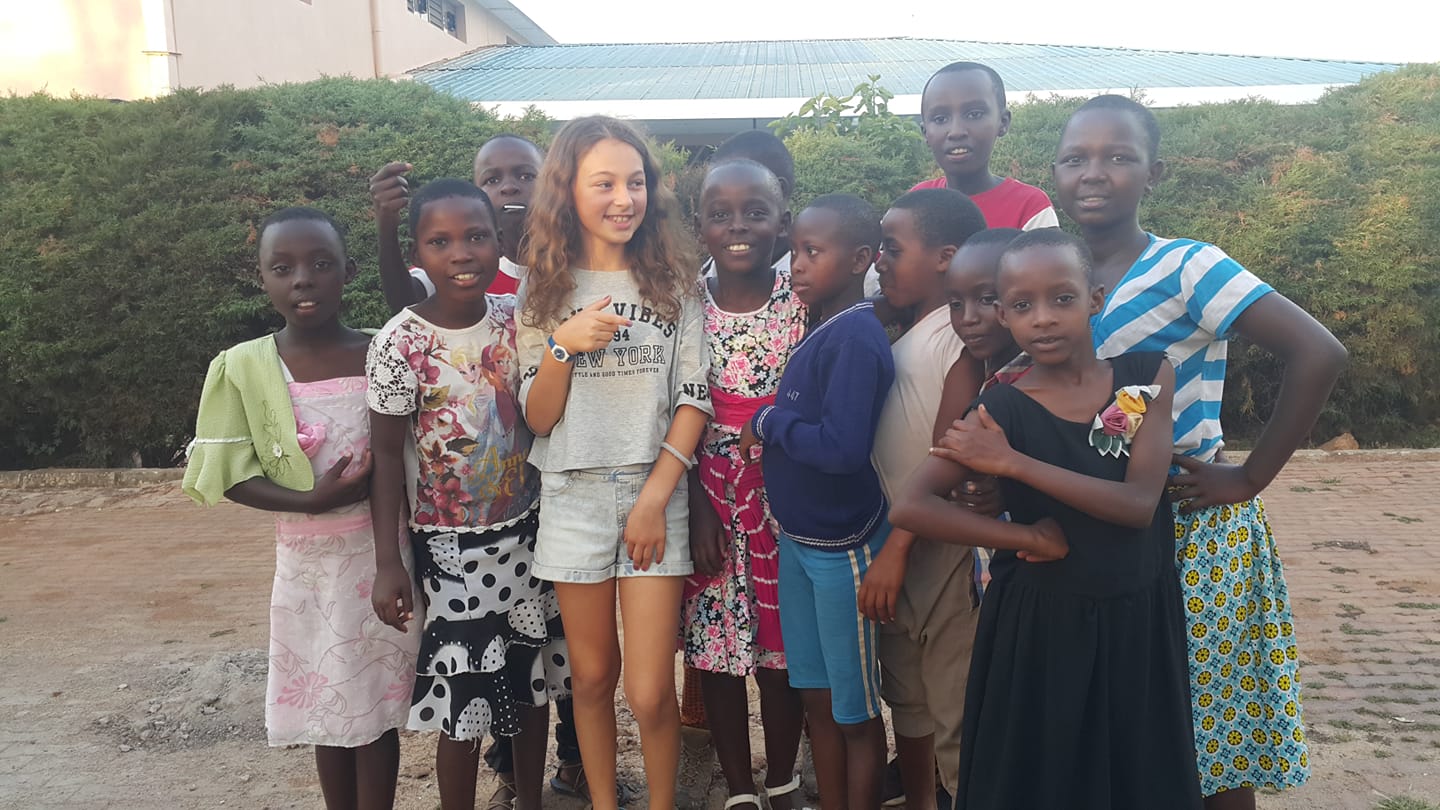
We often had a bunch of young neighbors during our dog walks
Closely related is the topic about nature conservation, ecological problems and human activity impact on nature and wildlife. It’s a very complex one and I am definitely not an expert; however, In Africa, I opened my eyes and mind for things I was blind to see and understand before. Since I don’t like empty words and phrases, let me clarify what I mean.
In the first place, I truly believe that when we stop experiencing nature, we stop understanding its importance for our own existence. The more abstract nature becomes in our lives and the more disconnected we get from it, the less we care about it.
We spent lots of time outdoors in Rwanda. The mild-to-warm climate and greenness throughout the year only contributed to that. But just being outside would probably not change so much as the amount of time we spent in the wild. This is where I re-connected to nature the way I used to do it as a child. Once this happened, I realized I want to experience more of it. Like with children, I felt drawn to natural environments. There is a large body of research documenting the positive impacts of nature on human well-being but I just think that a hike in the mountain speaks more than a dozen of scientific documents.
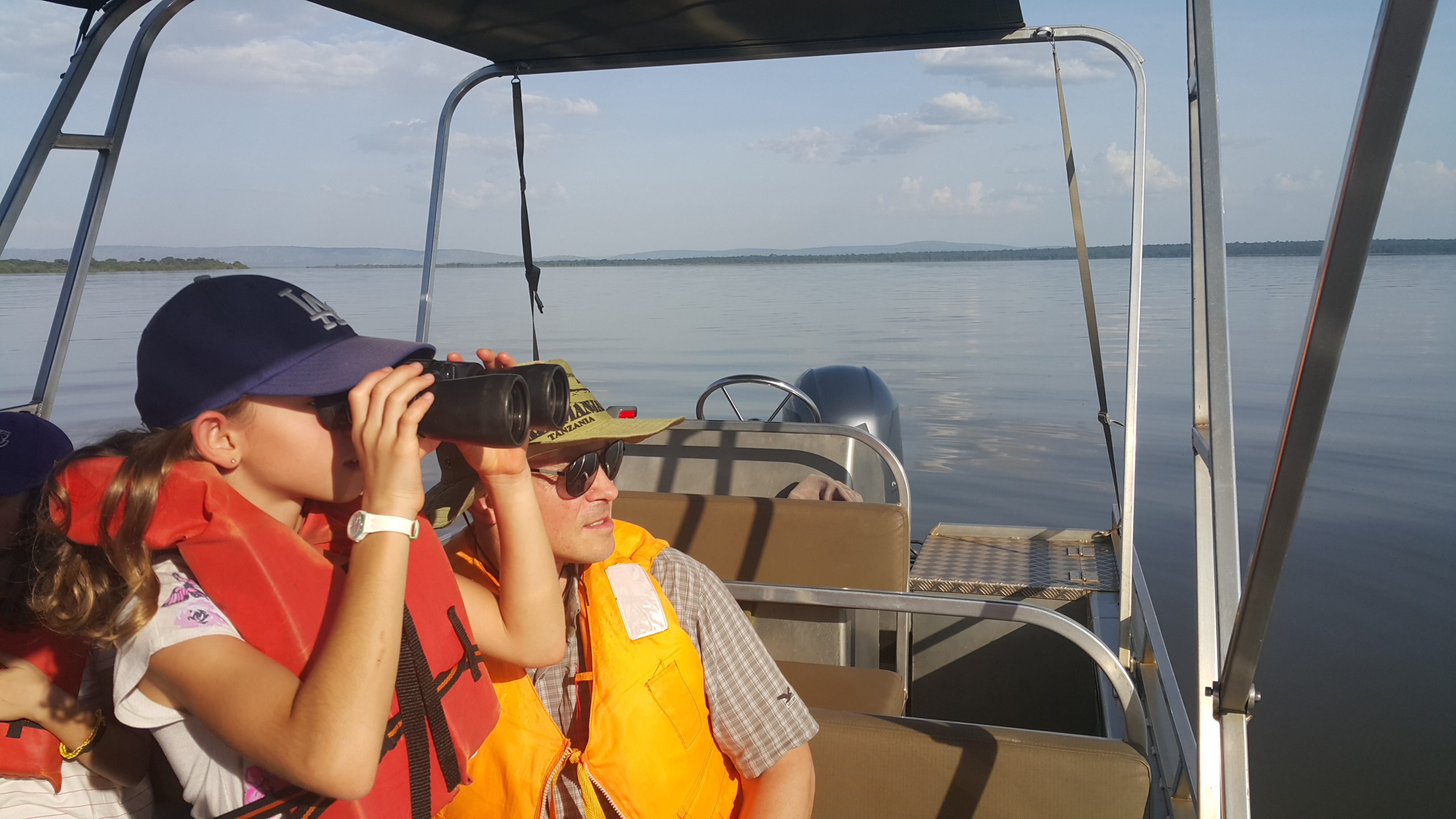
Exploring the wild life in Akagera National Park
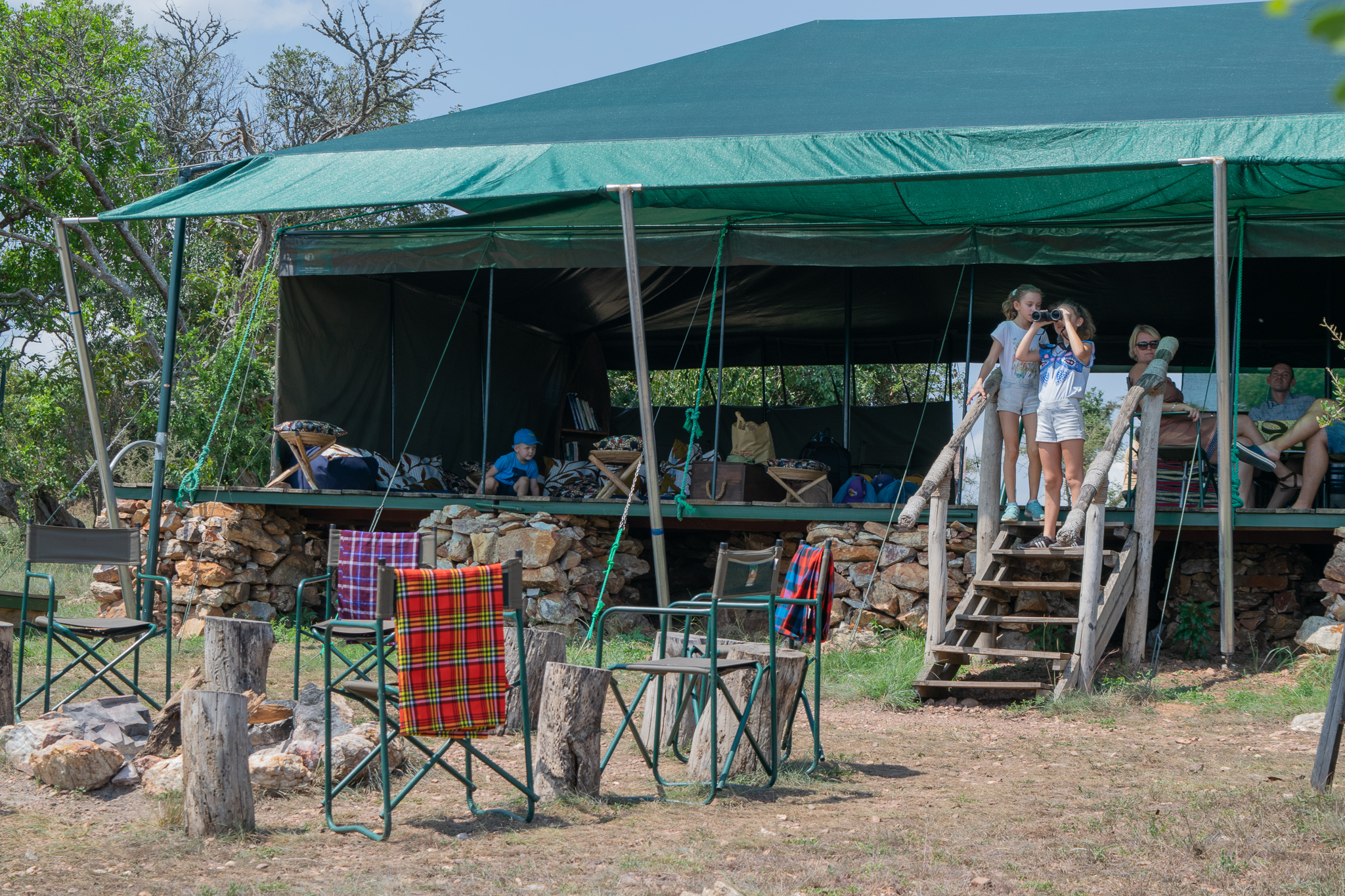
Kids never get bored in the nature
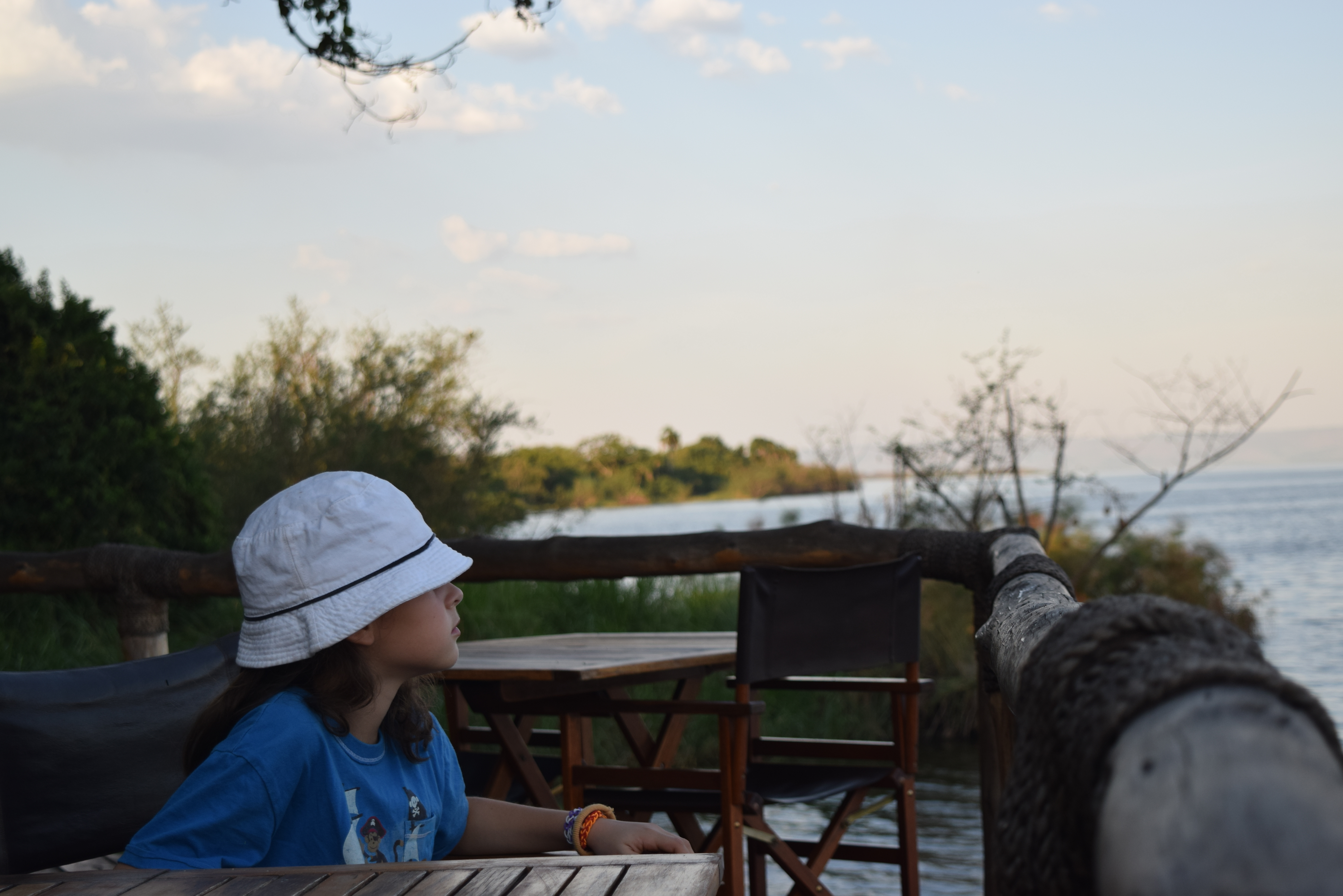
Enjoying a moment of quietness
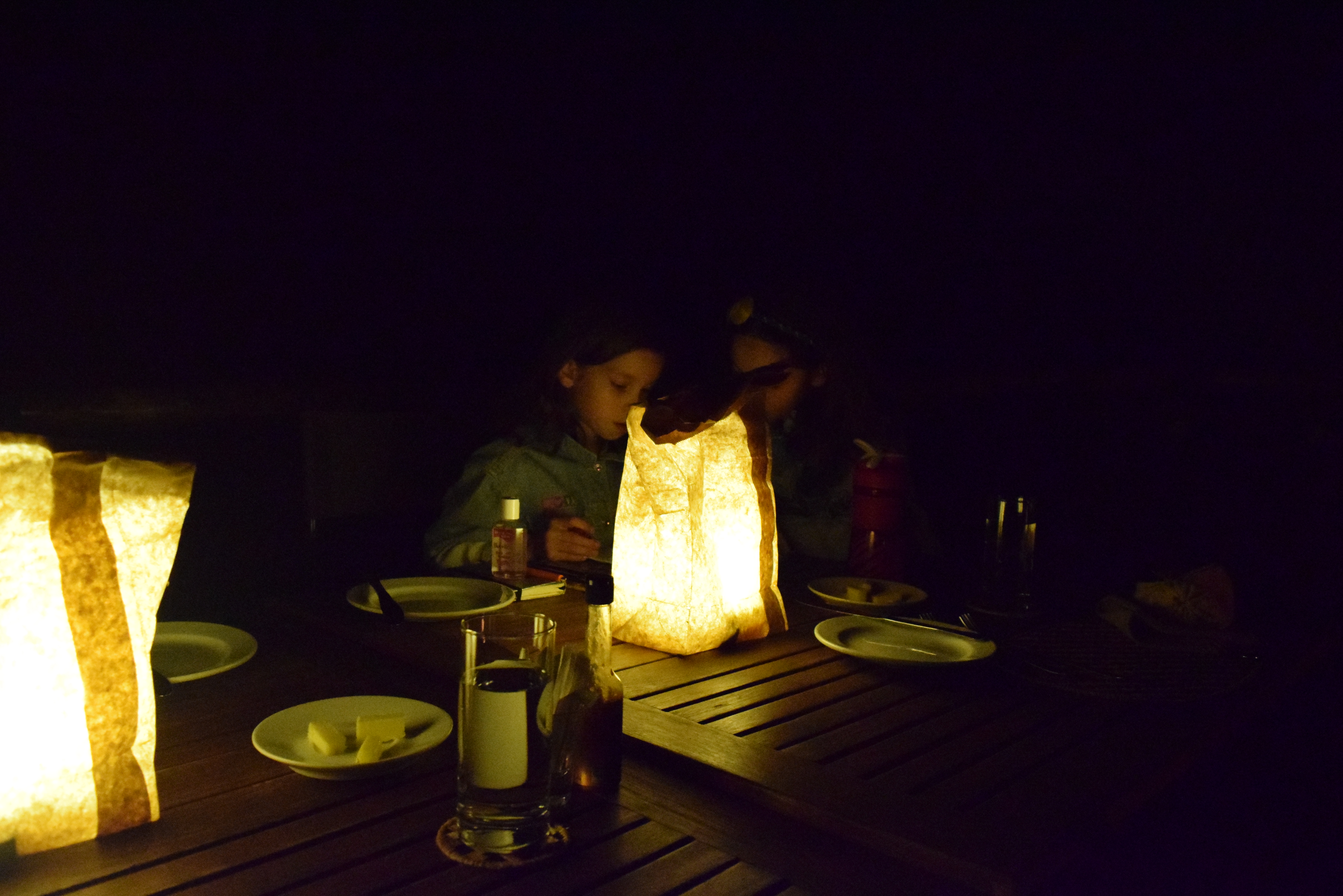
Having dinner at low eco light
After some time, I noticed a change in my video and reading content preferences. I haven’t watched so many nature and wildlife documentaries in my entire life as I did during the last 2-3 years. As a chain reaction, the movies unlocked further interest to find additional reads. Not only did they satisfy my constantly increasing hunger to learn more about the connectedness of our ecosystems but they also inspired me to talk about it and share with friends and like-minded people.
Key Message #3: (Re-)Connect with nature – with your body and mind.
If you have young children, take them out and play with them in the nature, watch movies, read and explain them about the connectedness and fragility of nature. Leave mother-nature do her job and you will be proud of raising balanced, happy, resilient and environmentally-responsible people.
With an area of just above 26 thousand sq.km and a population of over 12 million people, Rwanda is one of the tiniest yet most densely populated countries in Africa. Yet, the share of all officially declared National Parks in Rwanda from its total area is about 9%. These territories are natural homes to numerous endangered species, pristine mountain rain forests and wild life.
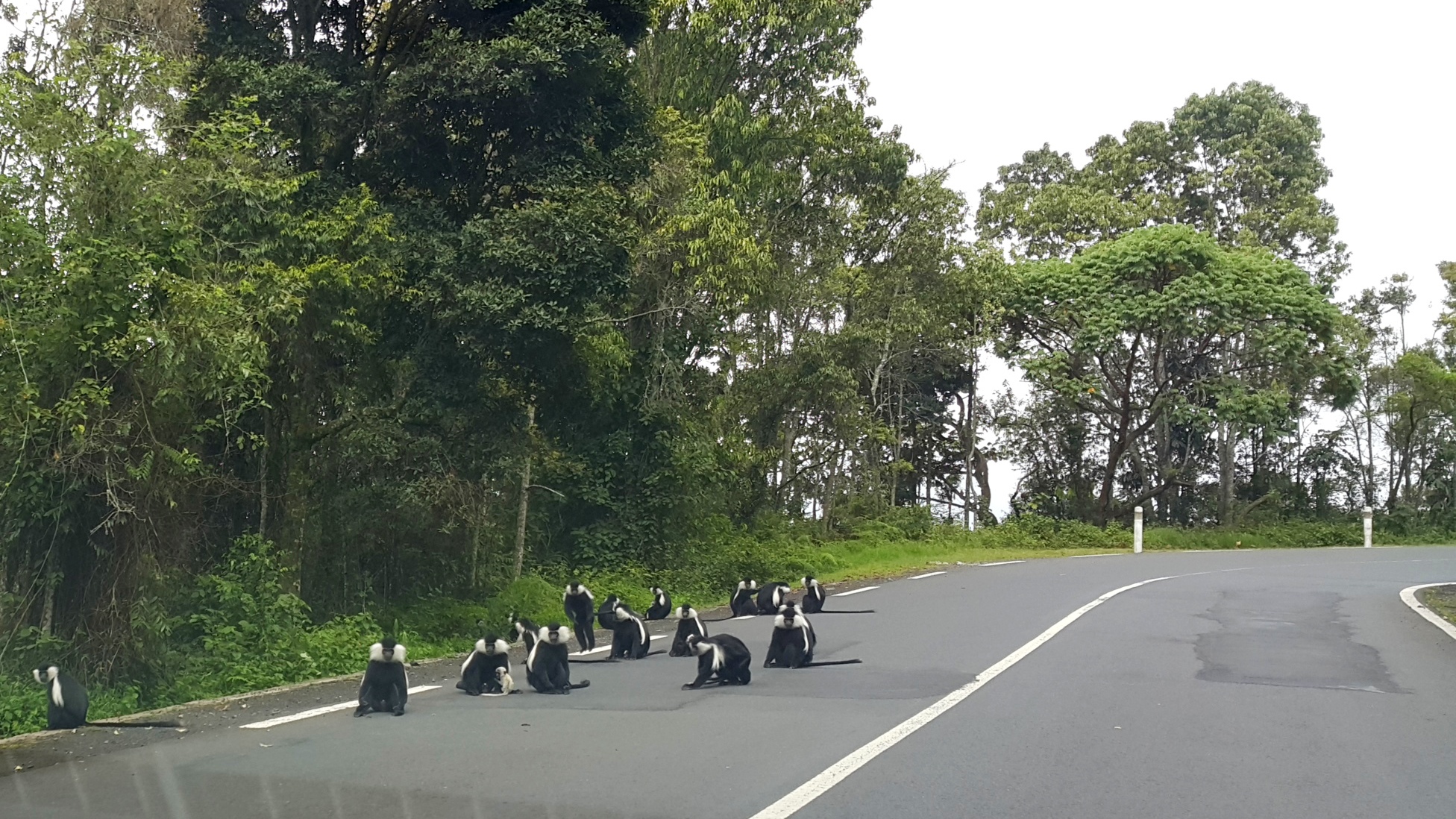
Columbus monkeys on the road in Nyungwe Rainforest
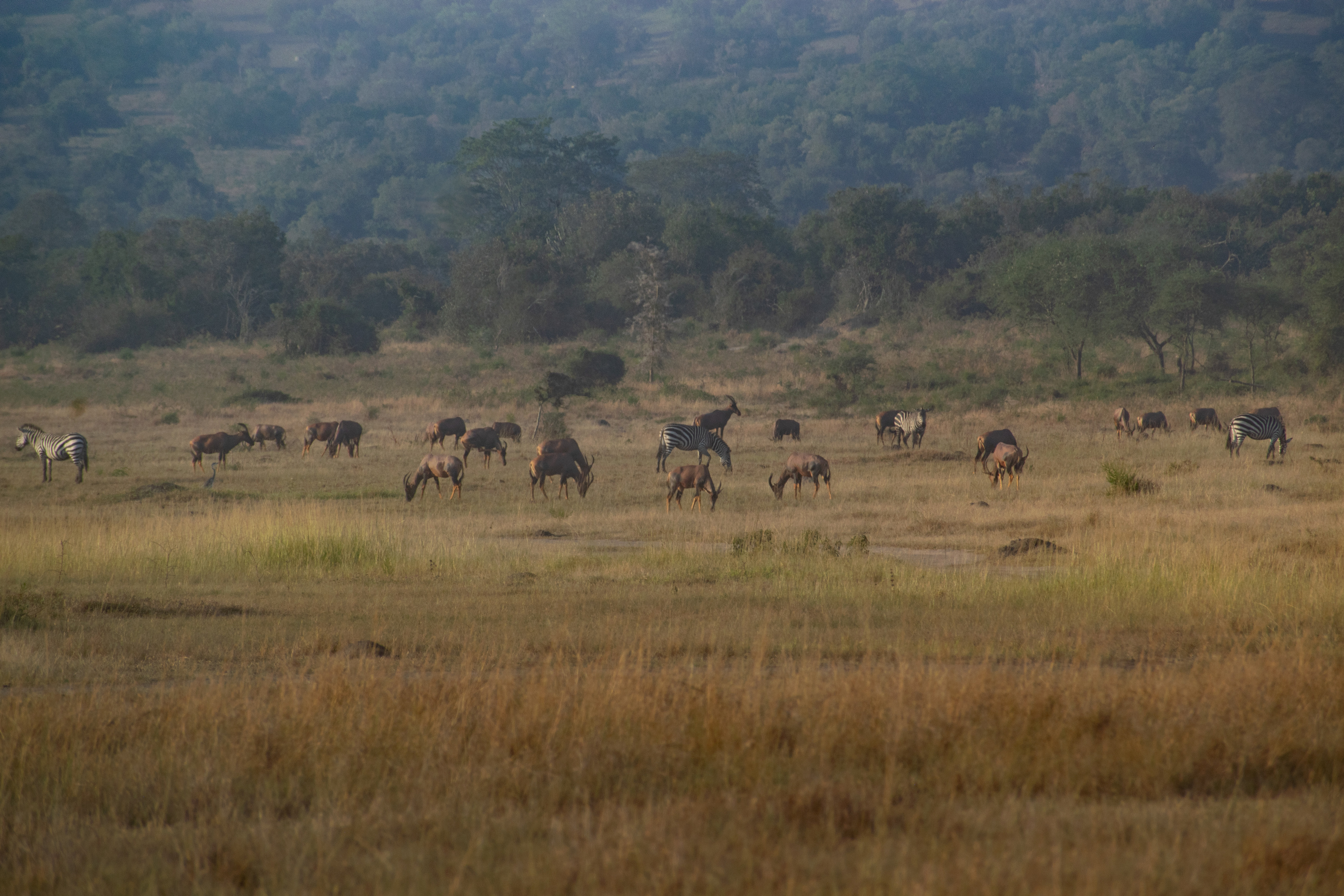
Wild animals feeding on the juicy grass early morning in the savanah
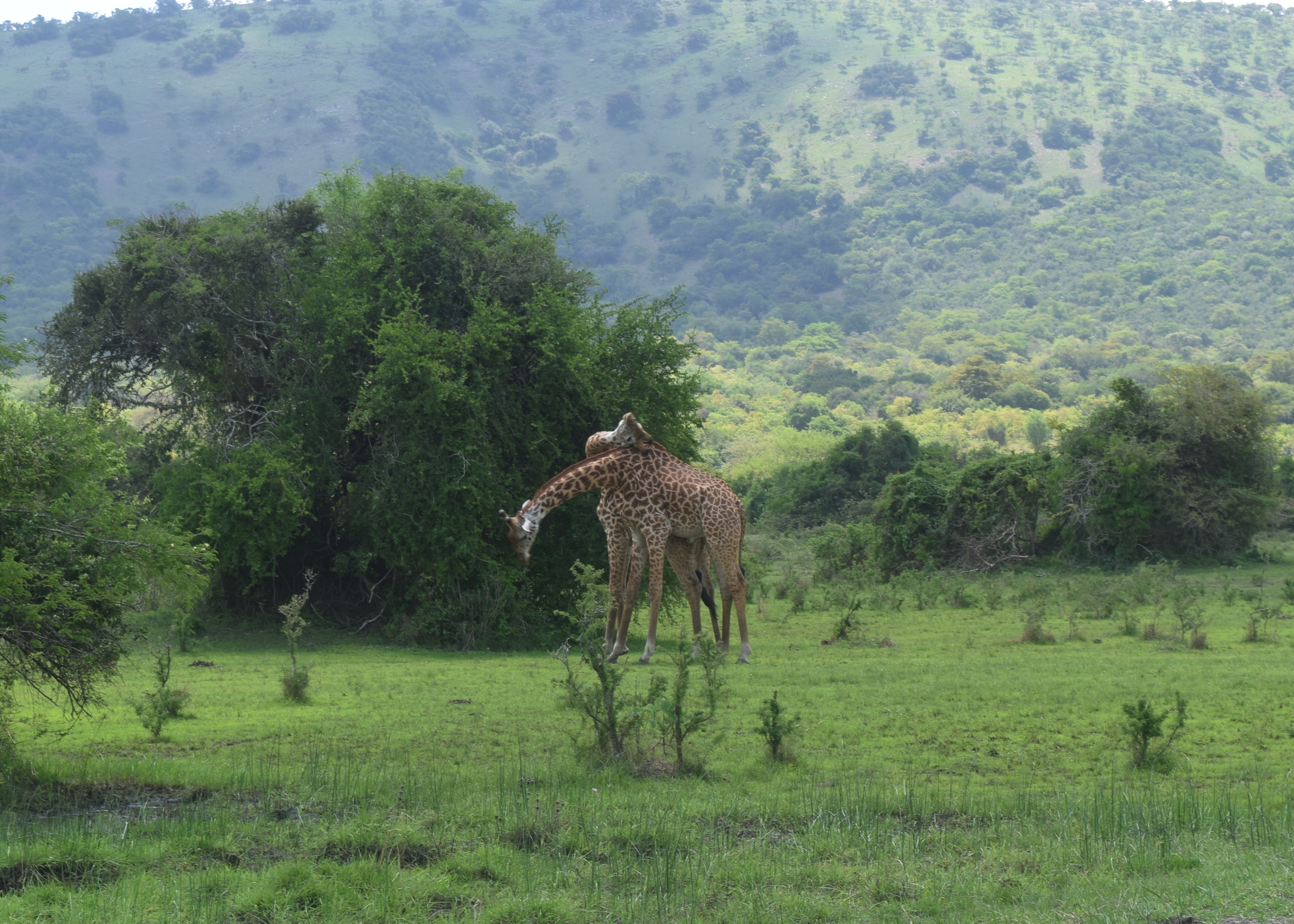
Playful and affectionate Giraffes
Rwanda’s leaders understand the long-term value of nature for the future of its country and invest wisely in responsible tourism. There is no single tourist destination in Rwanda which is not following the concept of responsible tourism. Be it a Safari in Akagera National Park, bird-watching in Nyungwe rainforest, primate and Gorilla tracking in Volcanoes National Park (Virunga mountains), or visiting coffee and tea plantations. What does responsible tourism mean? Here a few examples from the above mentioned destinations:
- 10% of the revenues from Gorilla tracking in Rwanda goes to local communities for building schools, health centers and roads. There is also a compensation fund for local farmers in case Gorillas damage their crops. This ensures peaceful co-existence.
- It tаkes a lot of combined efforts of NGOs, research centers, the Government and local communities to reverse the trend of decreasing population of mountain gorillas in Virunga. Gorillas have a very fragile immune system and could suffer seriously from a banal human viruses, so African Parks have set clear rules: the maximum number of tourists in a tracking group should not exceed 8-10 people; a Gorilla family should not meet more than one tourist group per day. A tourist group should not spend more than 1-1,5 hours in the presence of Gorillas.
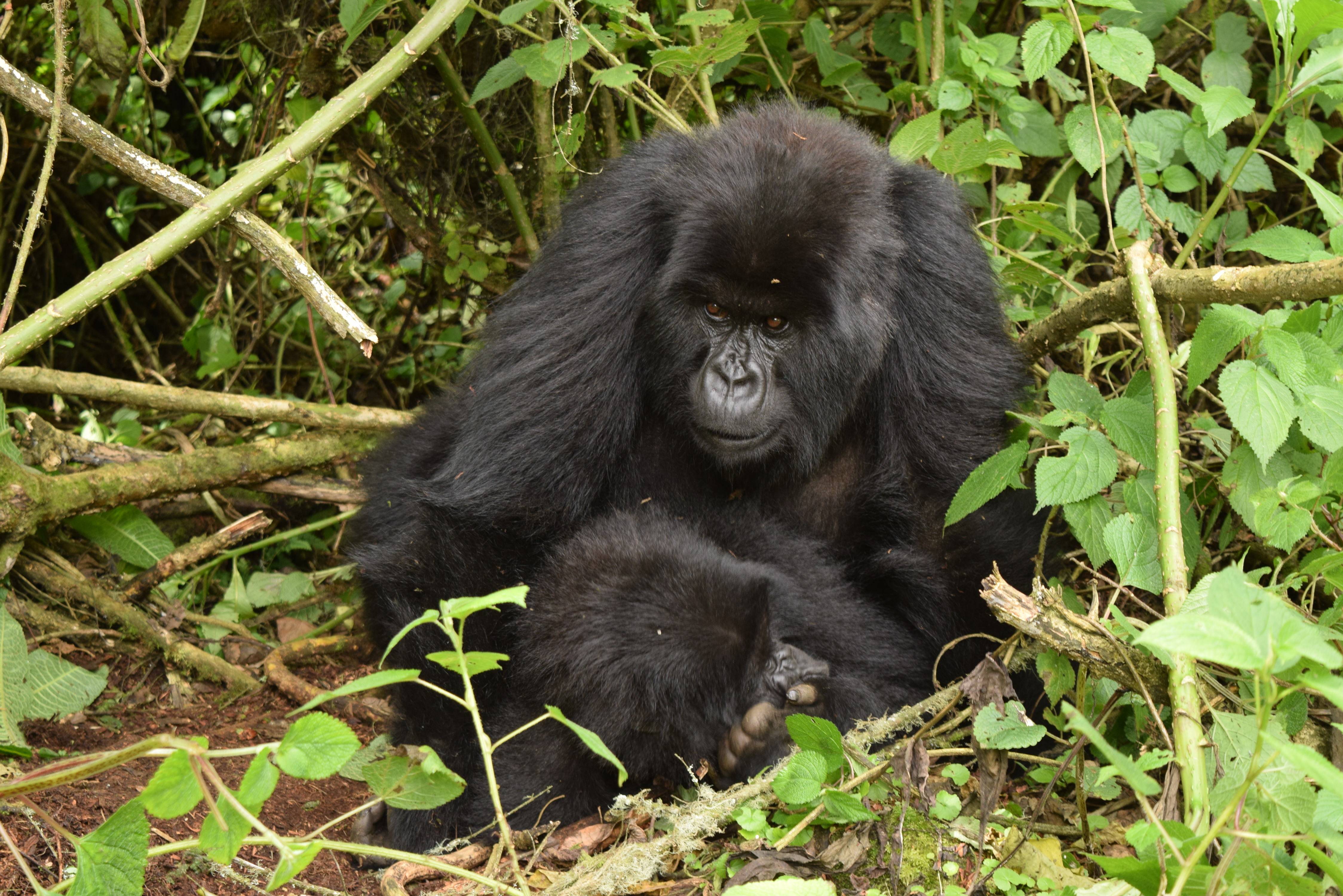
The Silverback (a male mountain Gorilla)
With only around 600 mountain gorillas inhabiting the Virunga Massif which spreads in Rwanda, Democratic Republic of Congo and Uganda, you can imagine how difficult it is to ensure the well-being of their habitat that is intrinsically connected to their own existence.
- Karenge Bush Camp in Akagera National Park, which is set up bi-annually for 3 months at a time, aims at leaving light footprint on earth. Once it’s taken down after the 3 months season, there should be no lasting presence of its existence. All tents are solar powered
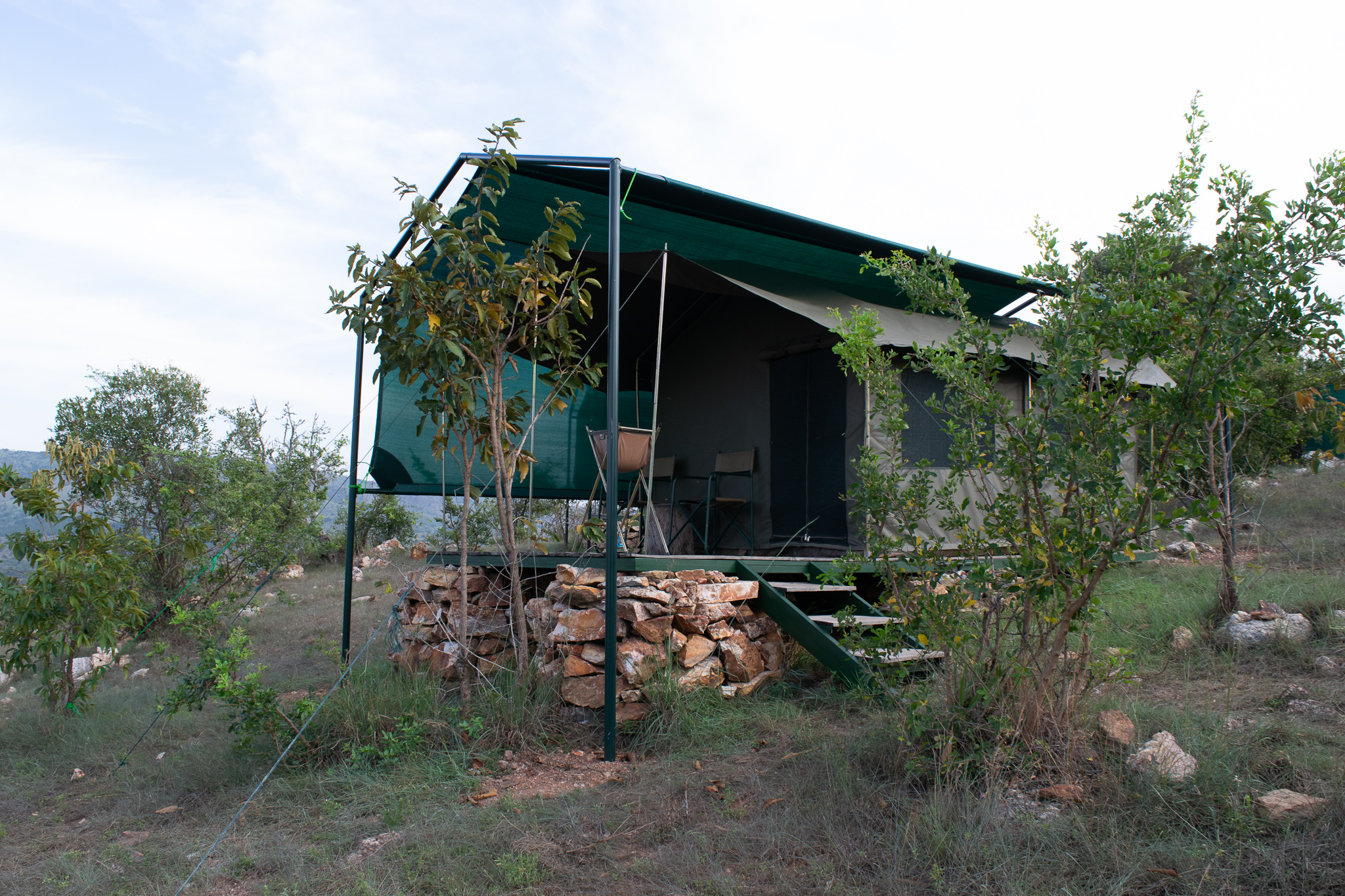
Eco-tent at Karenge Lodge in Akagera
All aforementioned National Parks in Rwanda are part of African Parks – an international non-profit nature conservation organization that is responsible for the rehabilitation and long-term management of 15 national parks and protected areas in 9 African countries. African Parks works in partnership with governments and local communities and uses business approach to conserving Africa’s wildlife.
There are many more examples from Africa. Nature conservation is a big topic there, and it’s amazing to witness the outcomes of these efforts, but also it makes me think what my country is doing to preserve our nature.
Believe it or not, Rwanda has set a vision to become a luxury tourist destination. What does it mean? Well, instead of having to deal with the challenges of mass tourism (all-inclusive type of), it chose to manage a more reasonable number of (mid-to-high income) visitors. Revenue-wise, the outcome is the same. From a nature conservation and safety point of view – I am sure this strategy is much wiser.
Isn’t it impressive to see how a small country like Rwanda confidently sets ambitious goals to protect its own interests, and by doing this, sets a strong positive example to its people and other countries?
Key Message #4: Nature conservation might be a global issue but we need more good examples like Rwanda, and more efforts to educate the mass population, especially the next generations.
Food for thought: We tend to hyper value “flexibility” as a personal quality but why aren’t we able to be flexible in our educational system and finally start teaching “nature conservation” and “responsible tourism” in middle and high schools? Instead of having super boring Geography classes in which learning is based on repetition of facts (as in many other subjects), educators in cooperation with NGOs and governments could develop and offer more engaging and future-oriented (extra-)curriculum… Now, honestly, does this sound a weird idea to you?
My children (11 and 12 yo) had a school project on Global Warming last year. Although the idea was really good, frankly speaking, I don’t think having a one-off project on any topic, could change anything. It just went somewhere down in the short-term memory of children to be permanently deleted soon after. In order for any change to happen, Nature Conservation and Climate Change should get wider coverage at school.
One of my favorite examples of Rwanda‘s orientation towards green-economy is the ban of plastic bags that was introduced in, note, 2008! More specifically, the law prohibits the manufacture, use, importation and sale of the bags. Next is the ban of single-use plastic. When you arrive at Kigali airport, you would see a large informational sign. You wouldn’t be allowed to take in your plastic bag (e.g. in case you purchased some duty-free goods at the departure airport). I remember feeling completely ashamed with my X-number of plastic bags in my suitcases I liked using when travelling. I switched to fabric bags. No big deal.
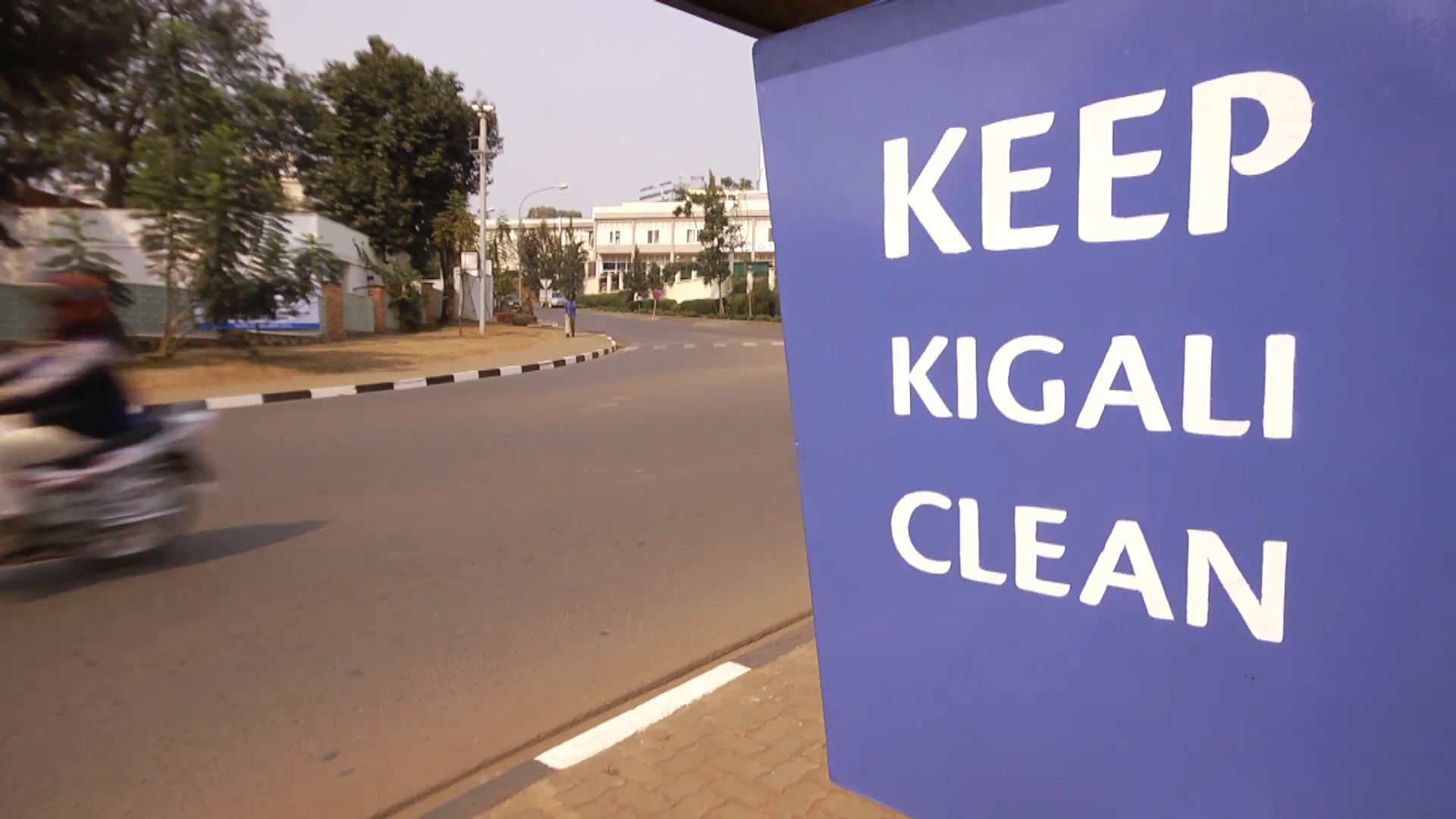
We also got used to paper and fabric bags when doing our grocery shopping in Rwanda. Quick & easy change of habit. Now, every time I enter a supermarket in Bulgaria, I am trying not to go mad by the sight of the plastic bag rolls near the fresh veggie area. Conclusion – I just can’t go on like this, so I ordered fabric bags with a transparent net-like fabric on one of the side. It will probably take some time and persistence until cashiers and customers in the queue at the nearby supermarket get used to my weird habit, but I am not going to give up easily J And I am not joking, and this is really serious.
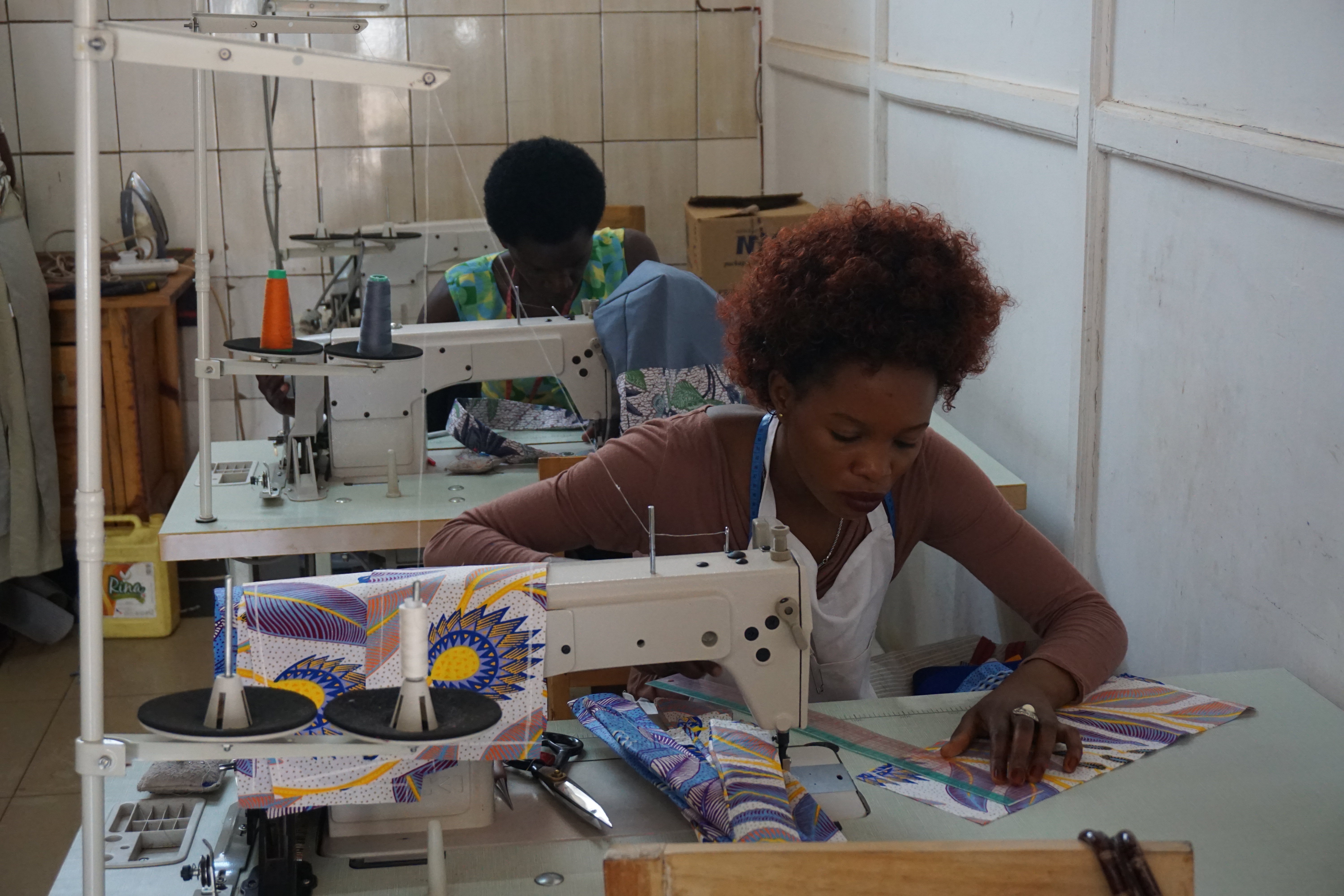
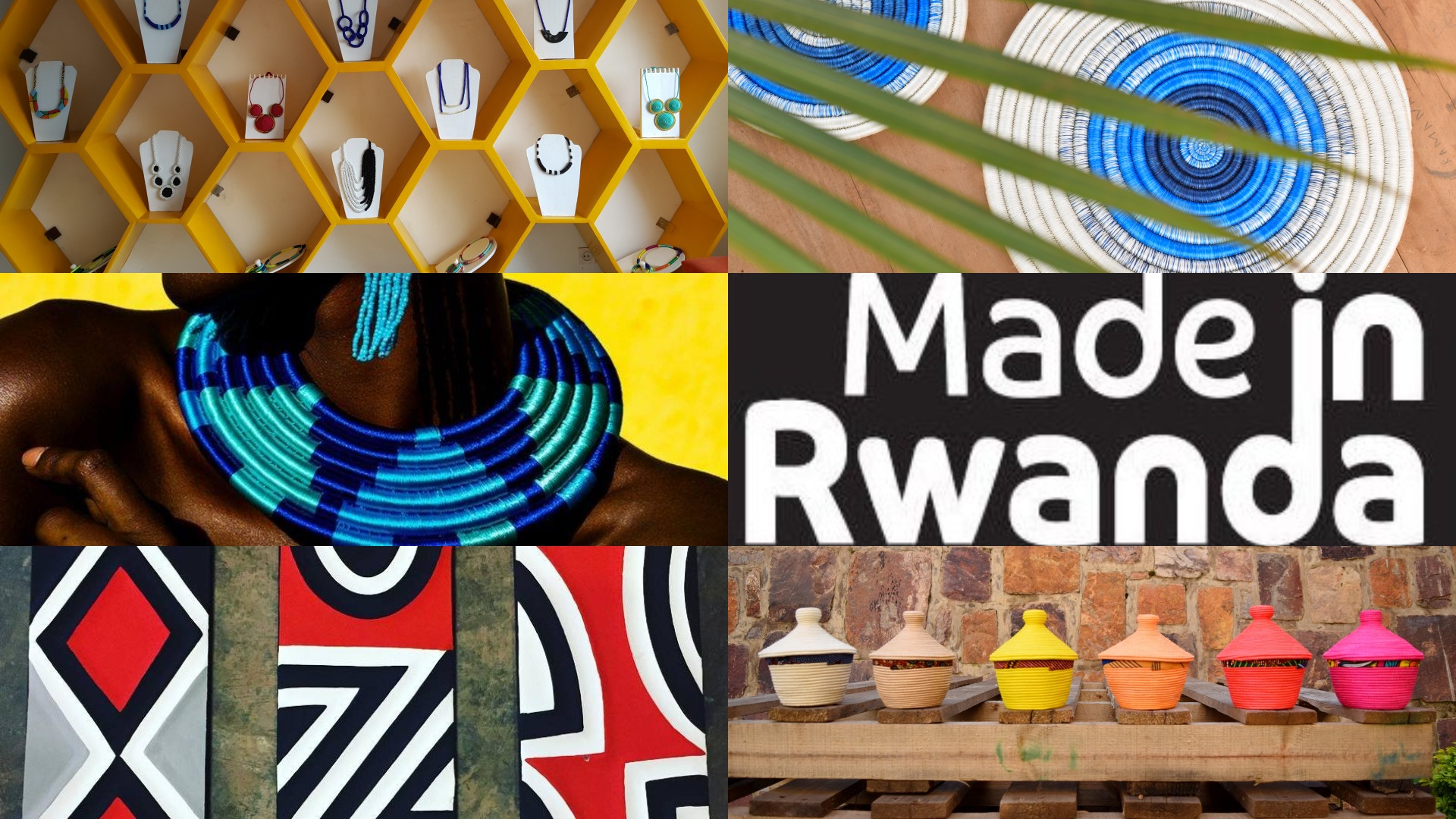
Not only Rwanda was one of the few countries in the world to introduce this ban; it also prohibited the import of second hand clothes in 2018. I know, I know – this is a very controversial topic. Why would a country from the developing world refuse to import second hand clothes which are way cheaper and were anyways out of use in the developed world? Re-use is a big thing! On the other side of the coin stands the crazy consumerism that is going on for decades in the entire western world, resulting in enormous amount of second hand clothes (and other products) being exported to the developed world.
Apparently, Rwanda has a good reason for its decision. The ban aims at stimulating the local textile manufacturing capacity to satisfy its domestic demand. As a matter of fact, Rwanda was the only country from the East African Community (including Tanzania, Kenya and Uganda) which put the ban into force despite the (expected) consequence of losing its duty free export privileges to the US. I don’t want to judge any of these decisions. But it does take strong leadership to insist on protecting your own country interests in today’s global complex political environment. I do hope Rwanda will manage to realize its plans in the years to come.
… which leads my thoughts to another topic, also a very controversial one. Have you ever seen the documentary “Minimalism”? If not, I strongly recommend you to do it. Here is a small intro to the movie: https://www.youtube.com/watch?v=0Co1Iptd4p4
The documentary was a tipping point in my life as a consumer. It all started with a gradual change of my perceptions and attitudes towards consumption most probably influenced by the local environment. And then, while watching the movie I knew I was ready to make a real behavioral change. A few provoking quotes from the movie:
“We get so wrapped up in the hunt that it kind of makes us miserable”
“You have this thing that you are obsessed about, but then the new version comes out and now you no longer care about the one you have. The one you have is a source of dissatisfaction”
“There is nothing wrong with consumption. The problem is compulsory consumption”
And my favorite part of the movie goes from minute 26th to minute 29th. It made me laugh and cry at the same time. To quote a fragment of if:
“Does this replica Matisse sketch accurately capture my edgy but professional vibe?” and “What espresso maker defines me as a man”?
OK, marketing experts, excuse me for being so annoying 🙂
But wait, I haven’t got to the main point which is… all the challenges I am currently facing in an attempt to stick to my ambitious minimalistic plan, especially with my daughters who are just entering puberty and “fitting in” their friends’ circles and whatever hypes are out there is such a big deal.
By the way, the movie and the book have been strongly criticized for the fact that two wealthy men (the authors) quit their jobs and then make money by telling other people how to live minimalistically. According to reader reviews, it’s easier for those financially secured to lead a simpler life; for the rest who struggle to secure their families’ well-being, minimalism is hard. I just don‘t get these critics. To be honest, I think it’s exactly the opposite. It’s not easy to simplify your life after you have overwhelmed your home with stuff, your life with activities, your mind with information and your relationships with empty conversations.
De-cluttering, whatever the situation, doesn’t happen with a magic wand. It takes efforts, persistence and time. Everyone should find their own way of doing it. I think my family was lucky because we were quite far from the western consumerism for long enough time.
Key message #5: Live simply. Sometimes less is more.
Minimalism means more time for the things in your life that really matter and it certainly has a positive impact on nearly every aspect of it, including the environment.
Now, you probably got tired of reading me, so let me stop here. Not yet? Then click here to read the second (and shorter) part.