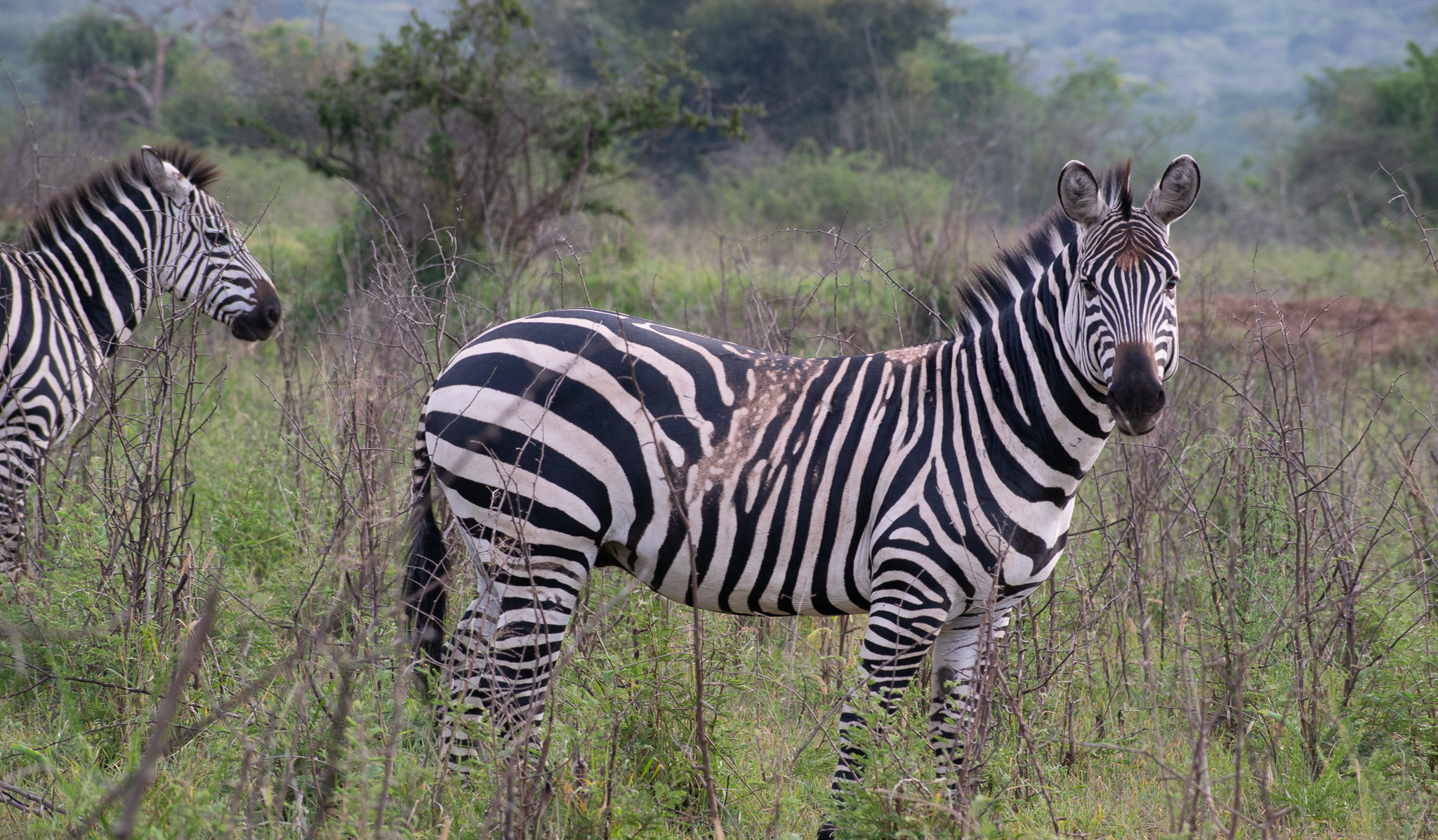
An undeniable benefit of living in Africa is the proximity of wildlife and national parks. In Rwanda, a 1,5-2 hours’ drive takes you to the entrance of Akagera National Park – home to over 500 bird species, the Big 5 game animals including the lion, leopard, buffalo, elephant and rhino, and plenty of other magnificent species and plants.
Developing love to nature
Being exposed to the wildlife and learning about its habitats can open your eyes and change your attitude towards nature, in a positive way. I clearly see a transformation in my own attitude and behavior. For one thing, I became more interested in the whole topic of wildlife conservation, and the impact of human behavior and climate change on it. Nature and wildlife documentaries replaced to a large extent other genres I used to watch by habit. This in turn made me even more sensitive and conscious about my individual impact on the planet well-being.
Secondly, I (and my family) started spending more time and more often in the nature. To the extent that I really miss it when I don’t take my “weekly dose”.
Would that change when we leave Africa one day? Hopefully not. I also hope that by that time my children will have also developed this strong internal need for nature to be part of their everyday life. For now, the best we could do for our children and ourselves is to continue exploring the nature and wildlife that is just around the corner…
Our recent weekend escape to the wildlife of Akagera started with a coffee stop by a traditional Rwandan handicraft workshop – Imigongo Art Center. I may have mentioned what imigongo is in one of my previous posts – basically, a painting made on wooden board using cow dung, often in the colors black, white and red, traditionally with geometric designs.
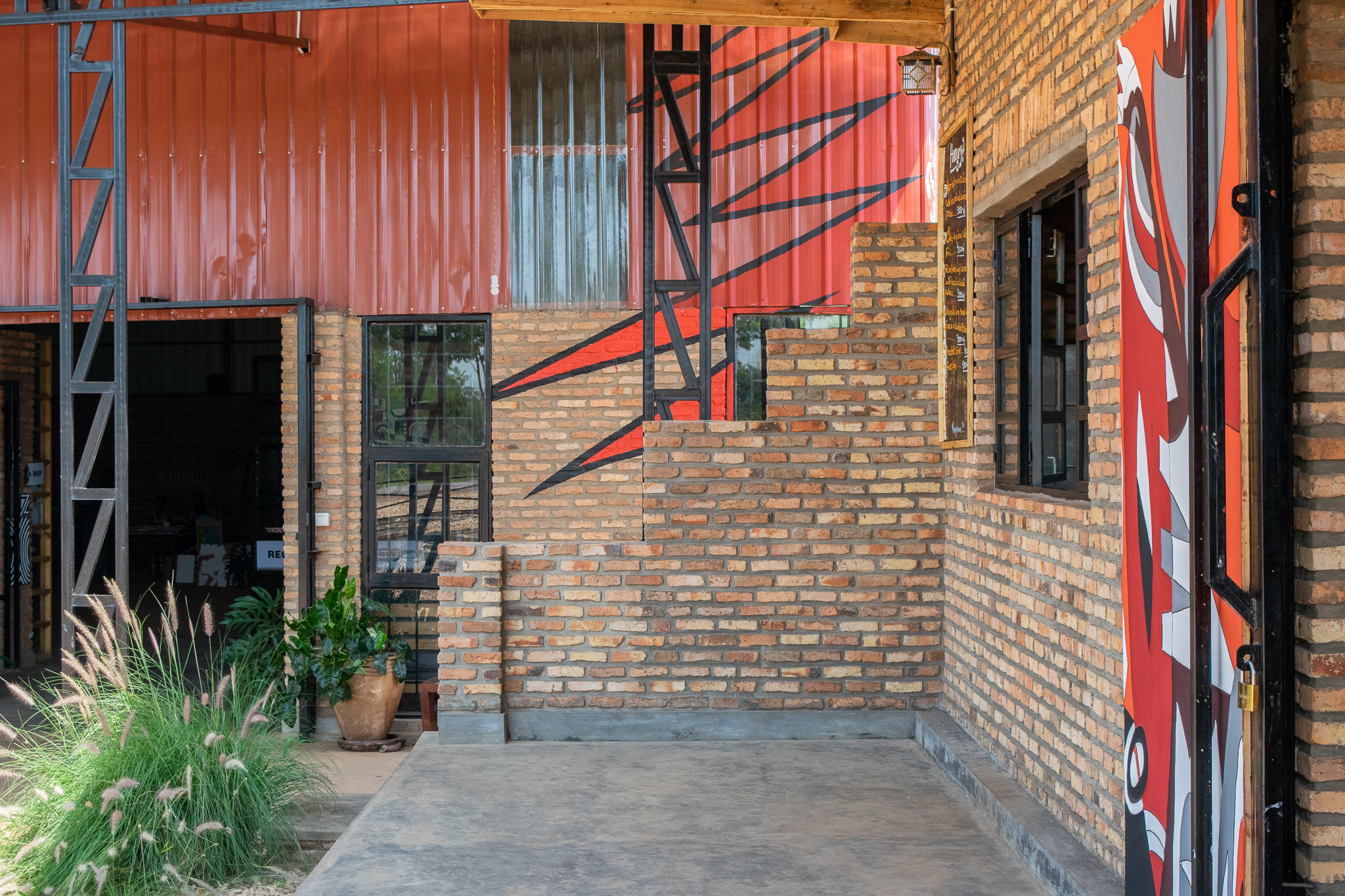
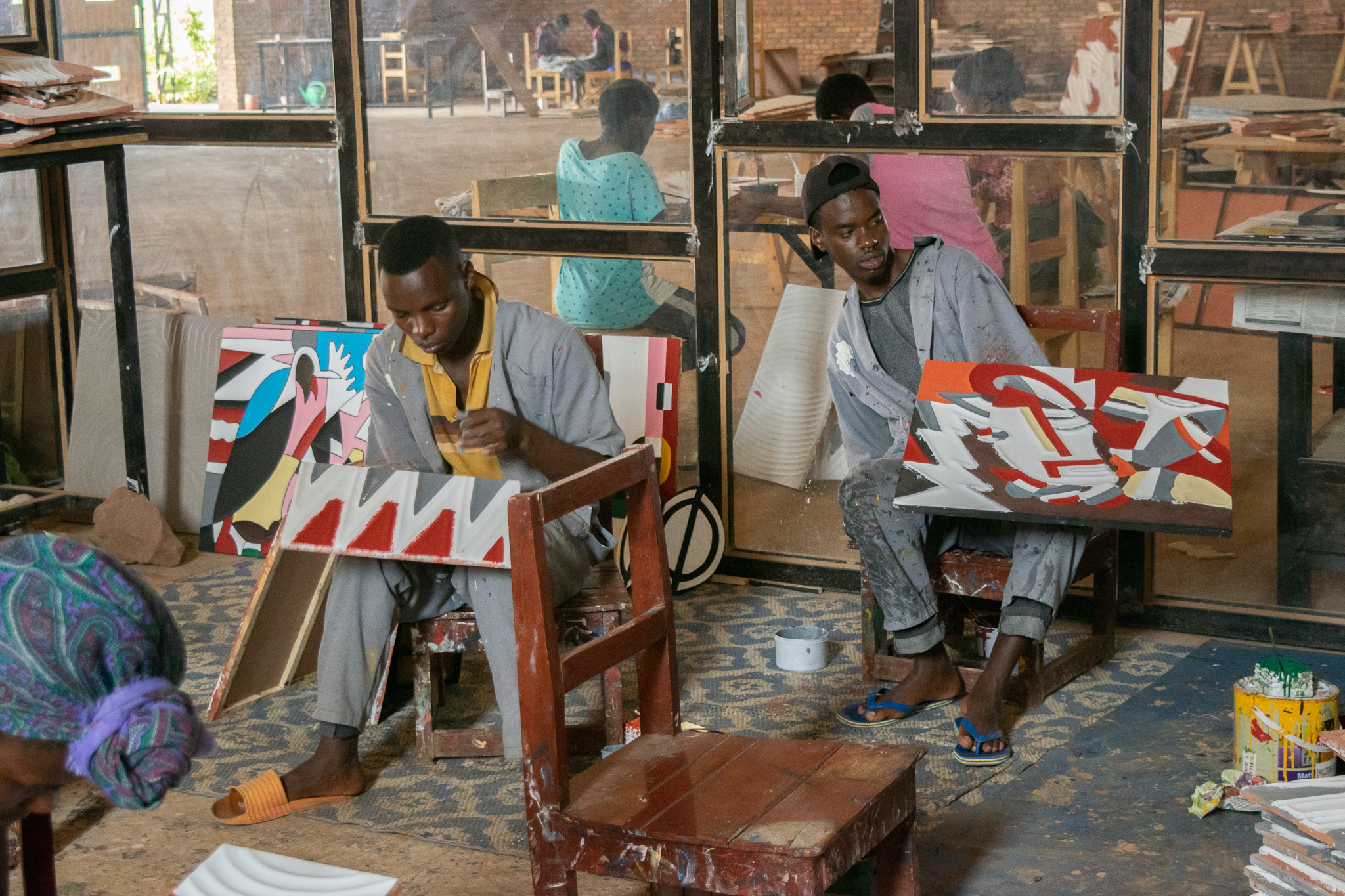
One cannot just miss the artistic facade inviting to look inside the workshop, or try the delicious Rwandan coffee or home-made banana muffins.
Afterwards, instead of heading directly to the park entrance, we turned from the main road and drove up the red dusty hills to Bramin Maize Farm.
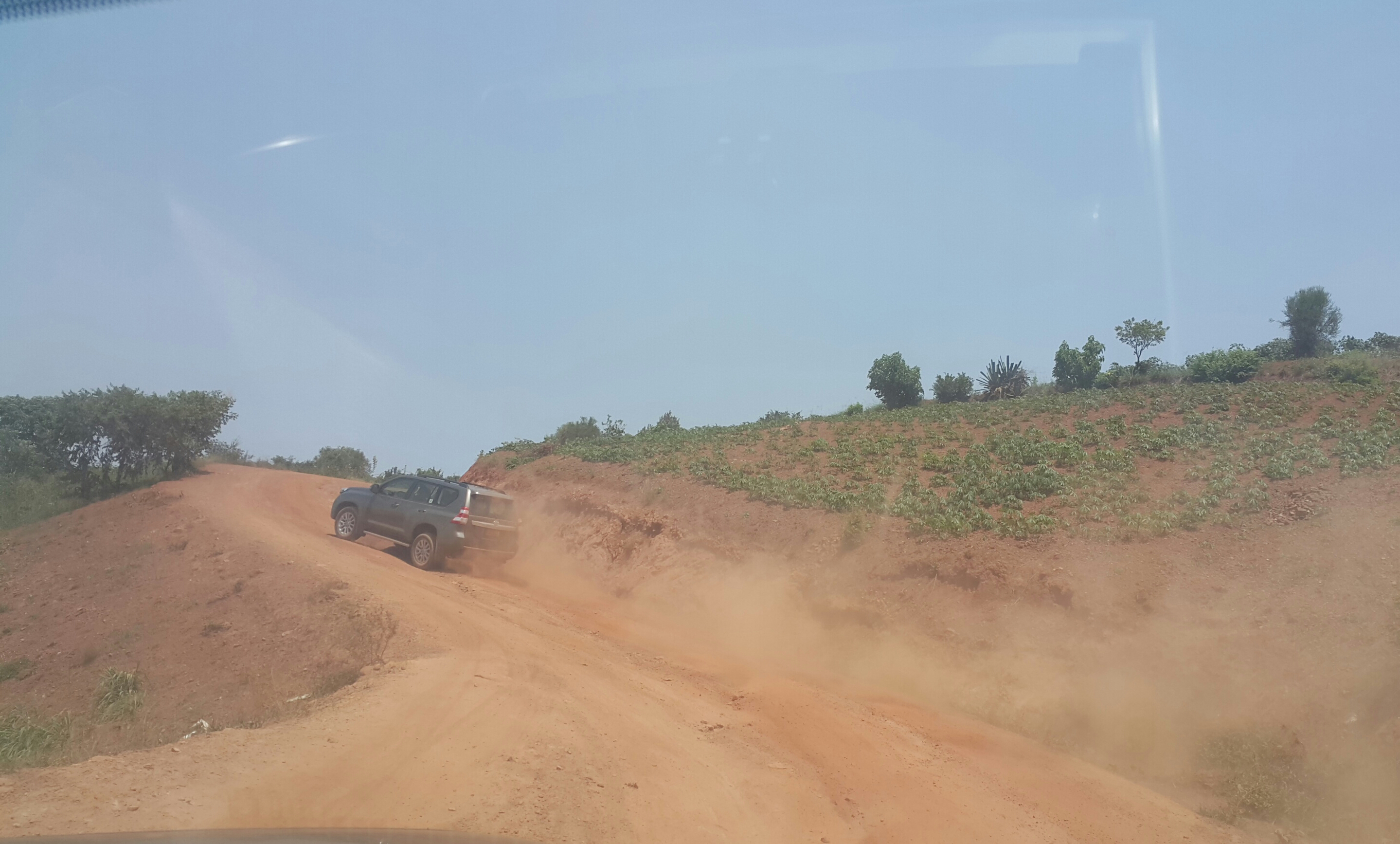
Bramin is a joint venture between Heineken brewery in Rwanda and Minimex – a leading maize milling company in Rwanda, operating the first local large scale maize farming enterprises.
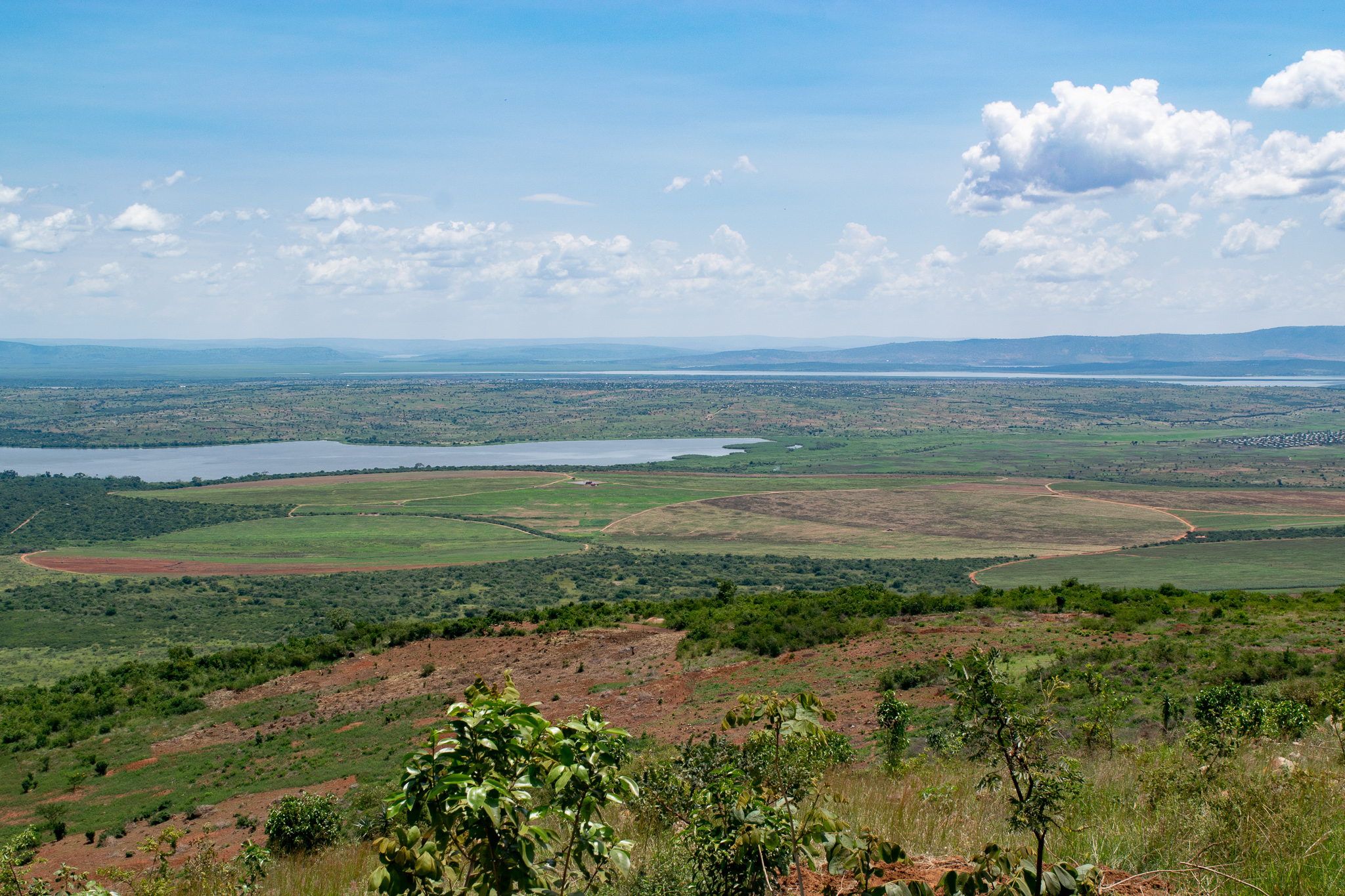
We made another stop on a hill to enjoy some breathtaking views to the farm lands and Lake Ihema, before pulling off for a short farm tour and picnic there.
This time in Akagera we stayed at the Game Lodge in the south which not only offers fantastic views over the lake but also a small playground and a nice swimming pool – very appreciated in the hot weather, especially by young guests.
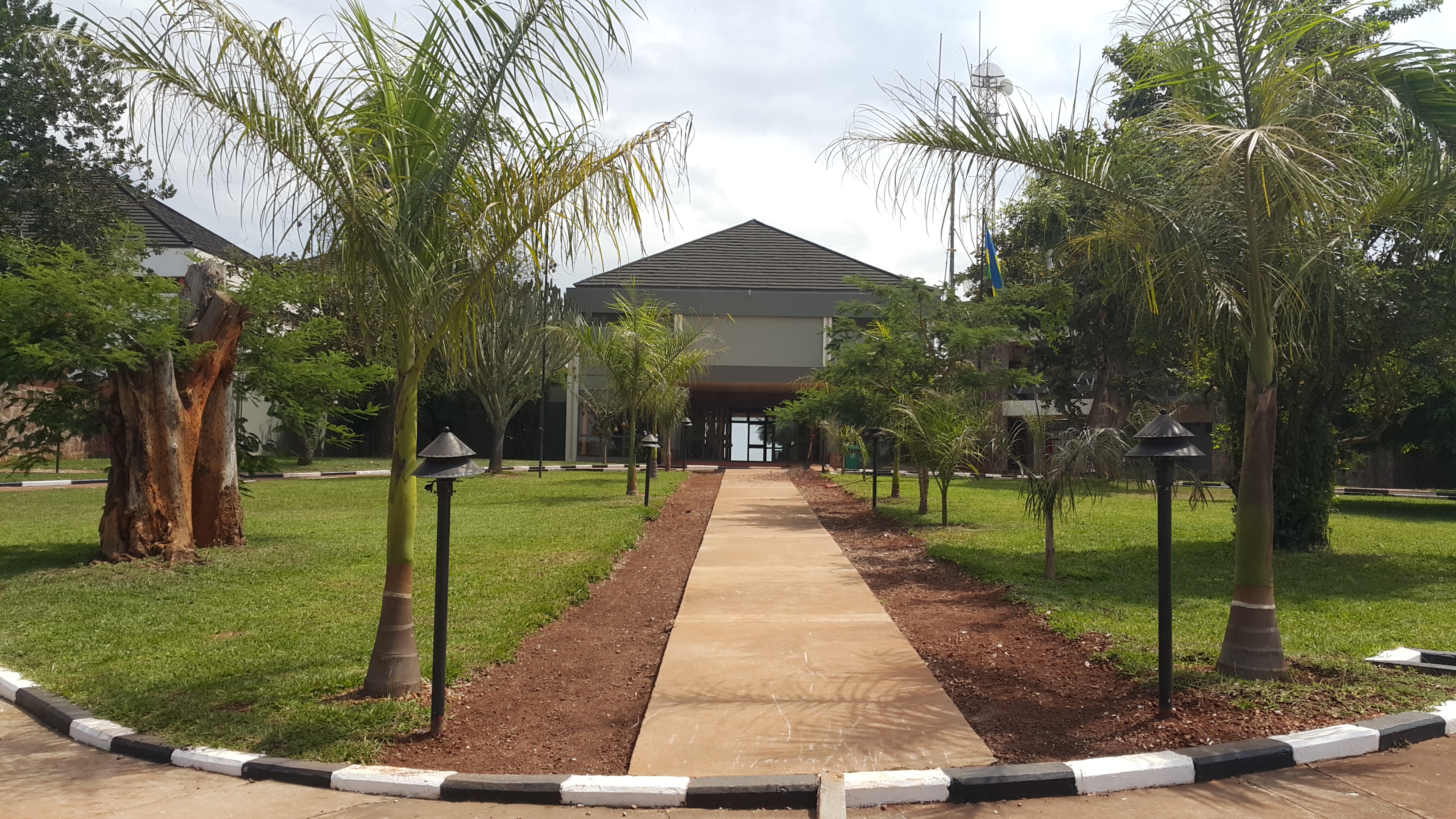
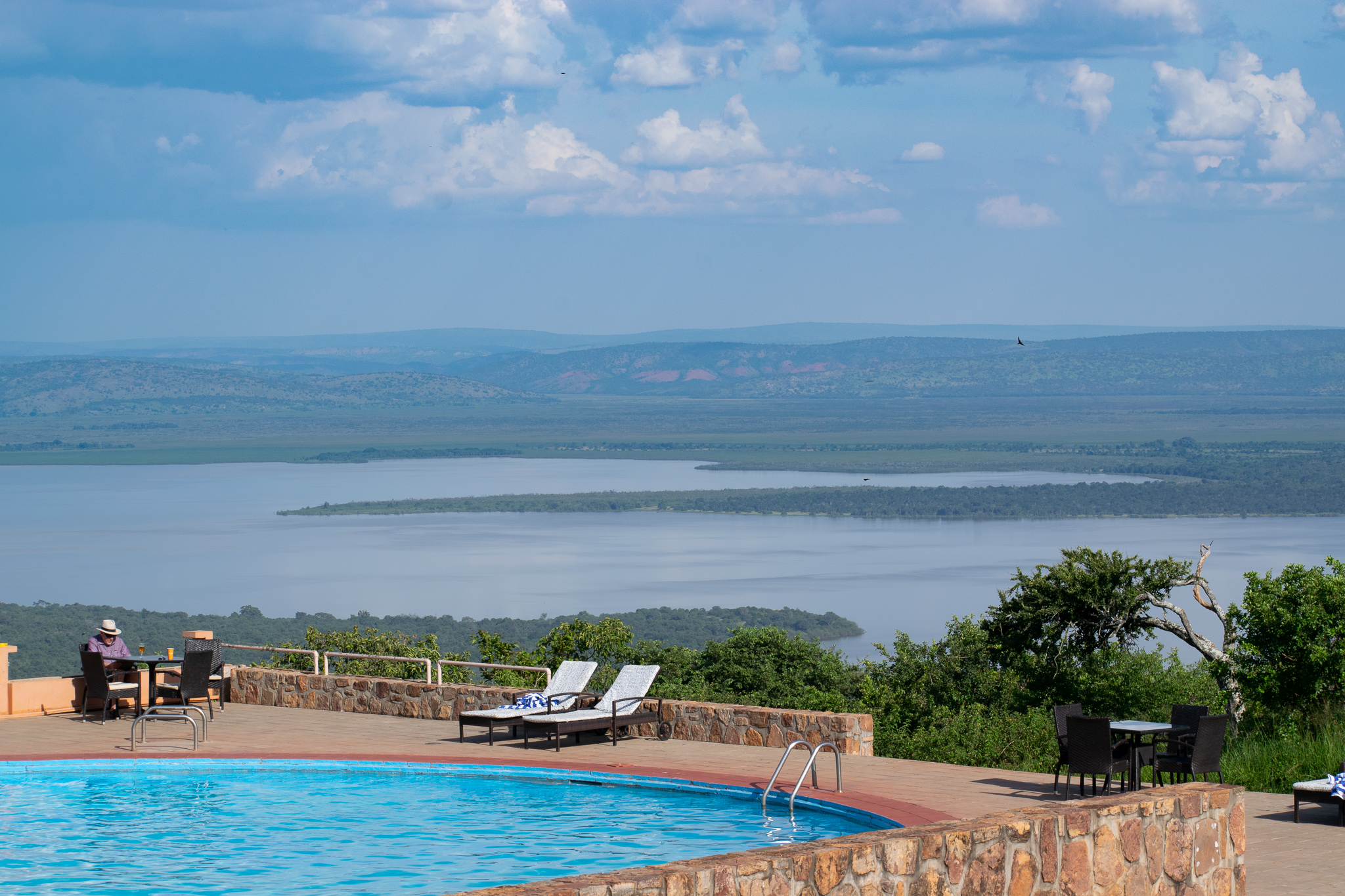
After chilling out a bit with a cold drink and swim, we headed to our boat trip along Lake Ihema.
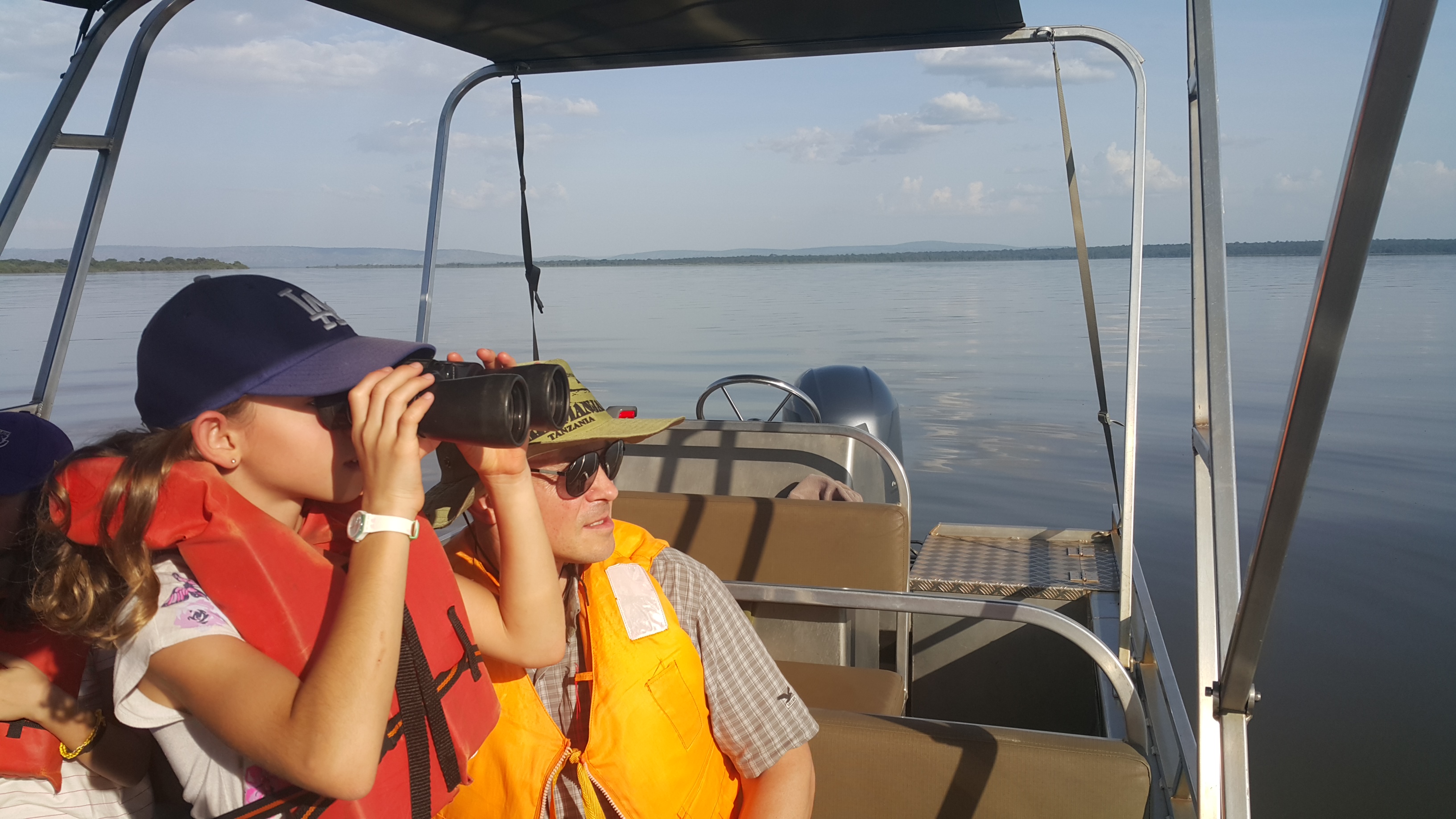
It was stunning! We did it during sunset (aka “the golden hour”) and got so much to see. The lake, which is fed by Akagera river and its eastern shores form the border with Tanzania, is home to many hippos and crocodiles. In less than 5 min after embarking, we already stumbled across a group of hippos wallowing around. According to our tour guide, three thousand hippos inhabit the lakes in Akagera. I think we got to see “only” 30-40 of them on that weekend.
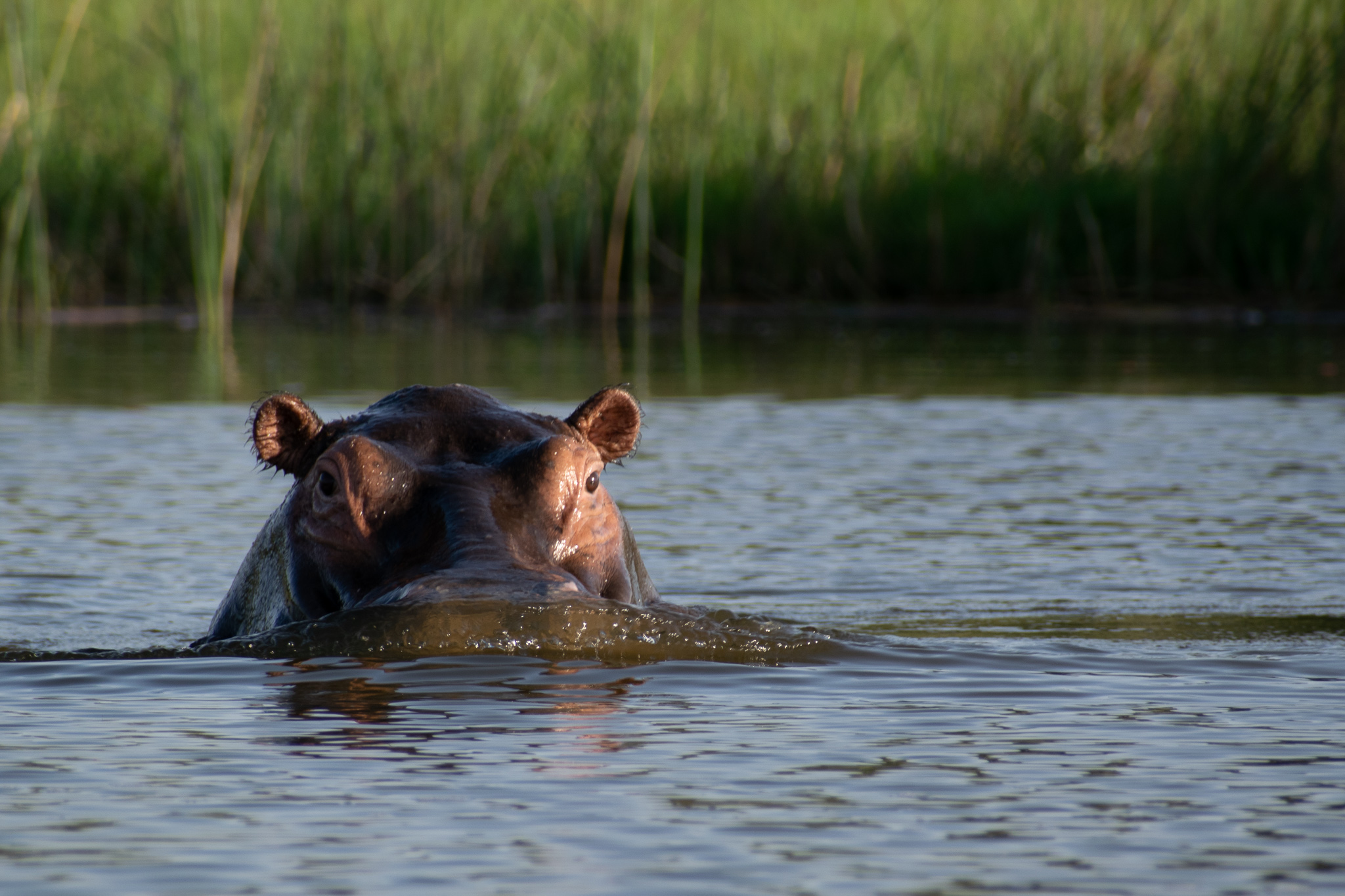
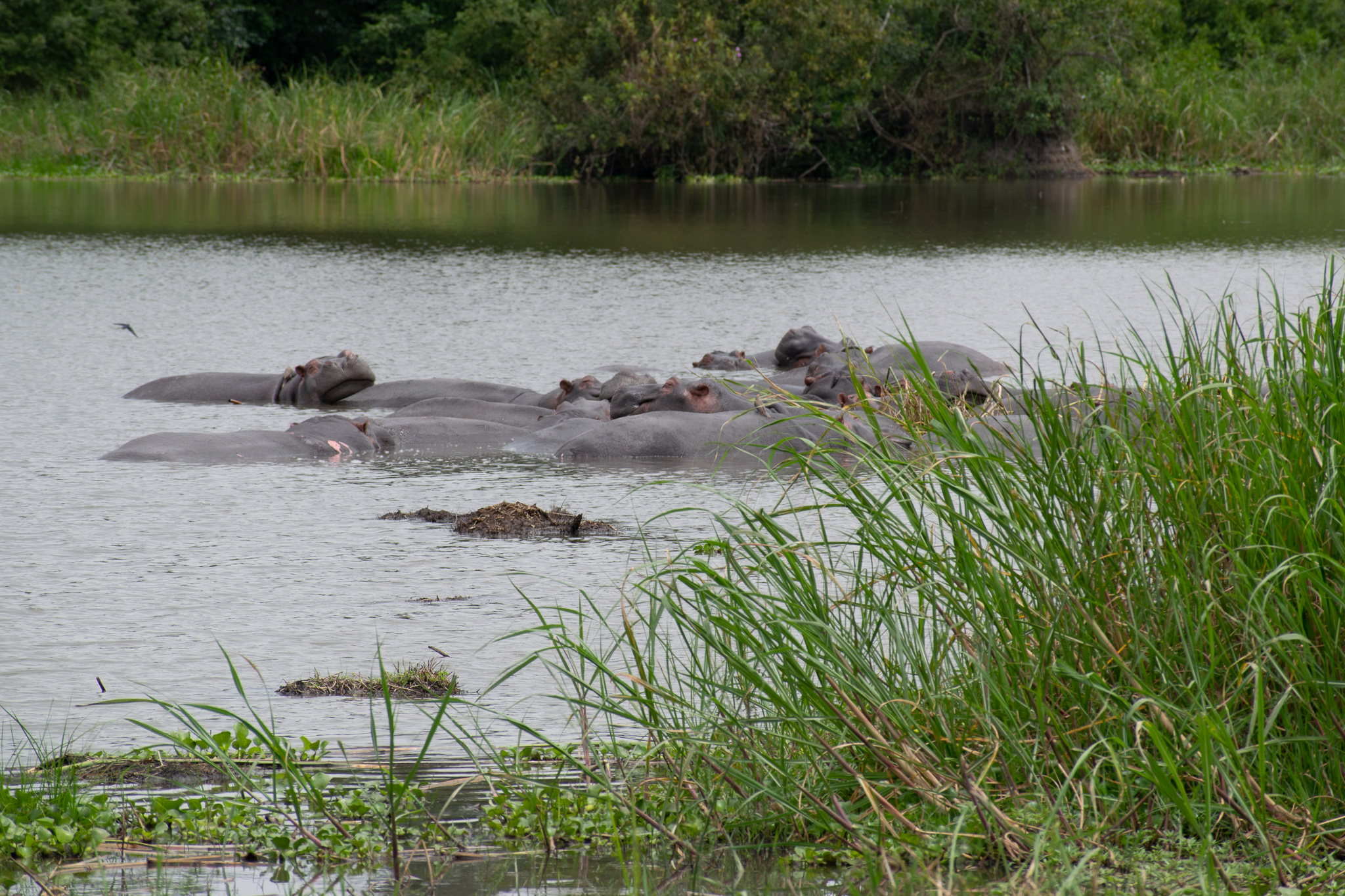
Crocodiles could be also spotted around, although they clearly didn’t want to show their beauty in its entirety. On the other hand, our eyes and ears indulged in the colorful symphony produced by all the different birds inhabiting the lake area – few of them really known to me, many of them endangered.
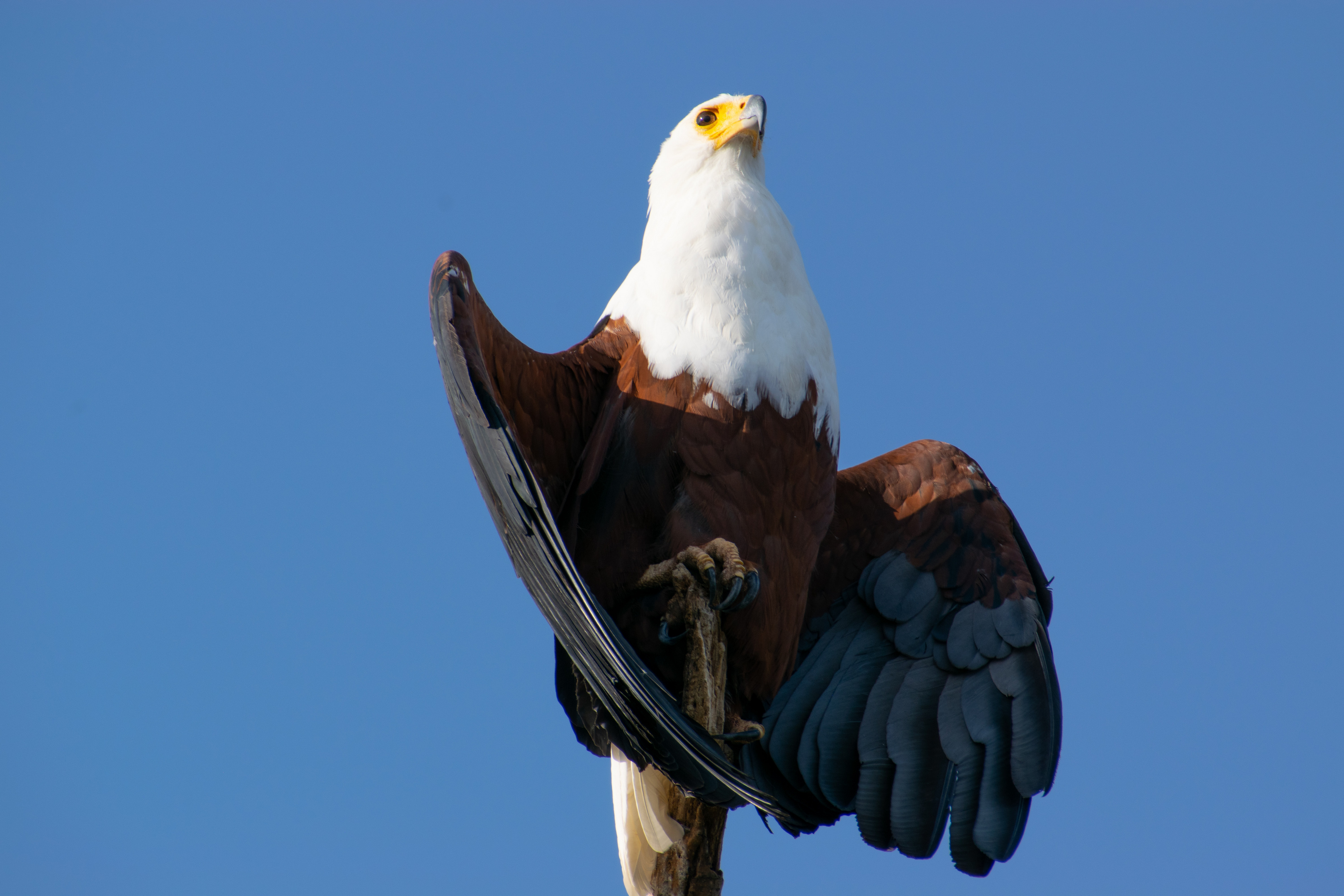
African Fish Eagle

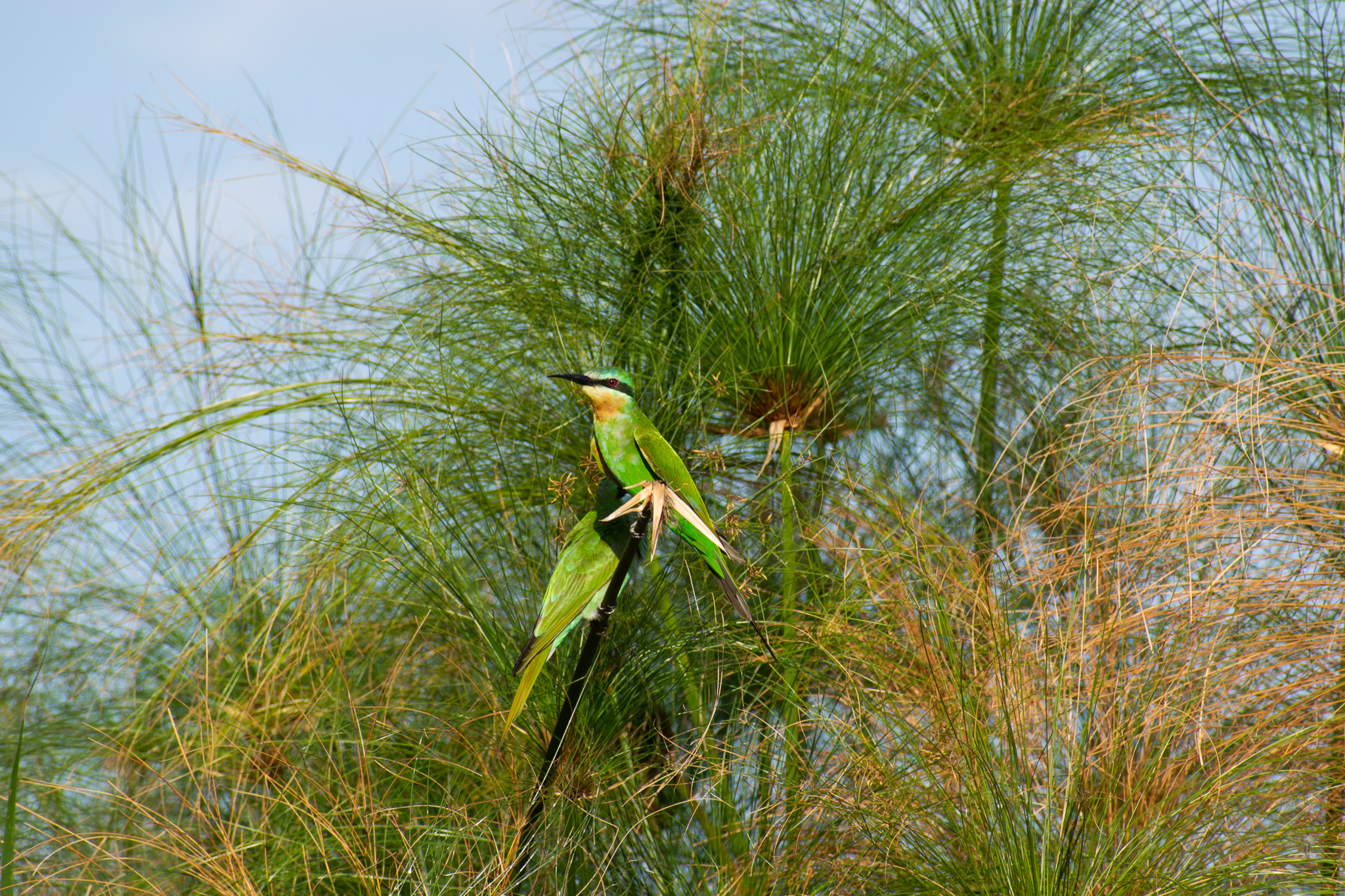
Green Bee Eater on a papyrus
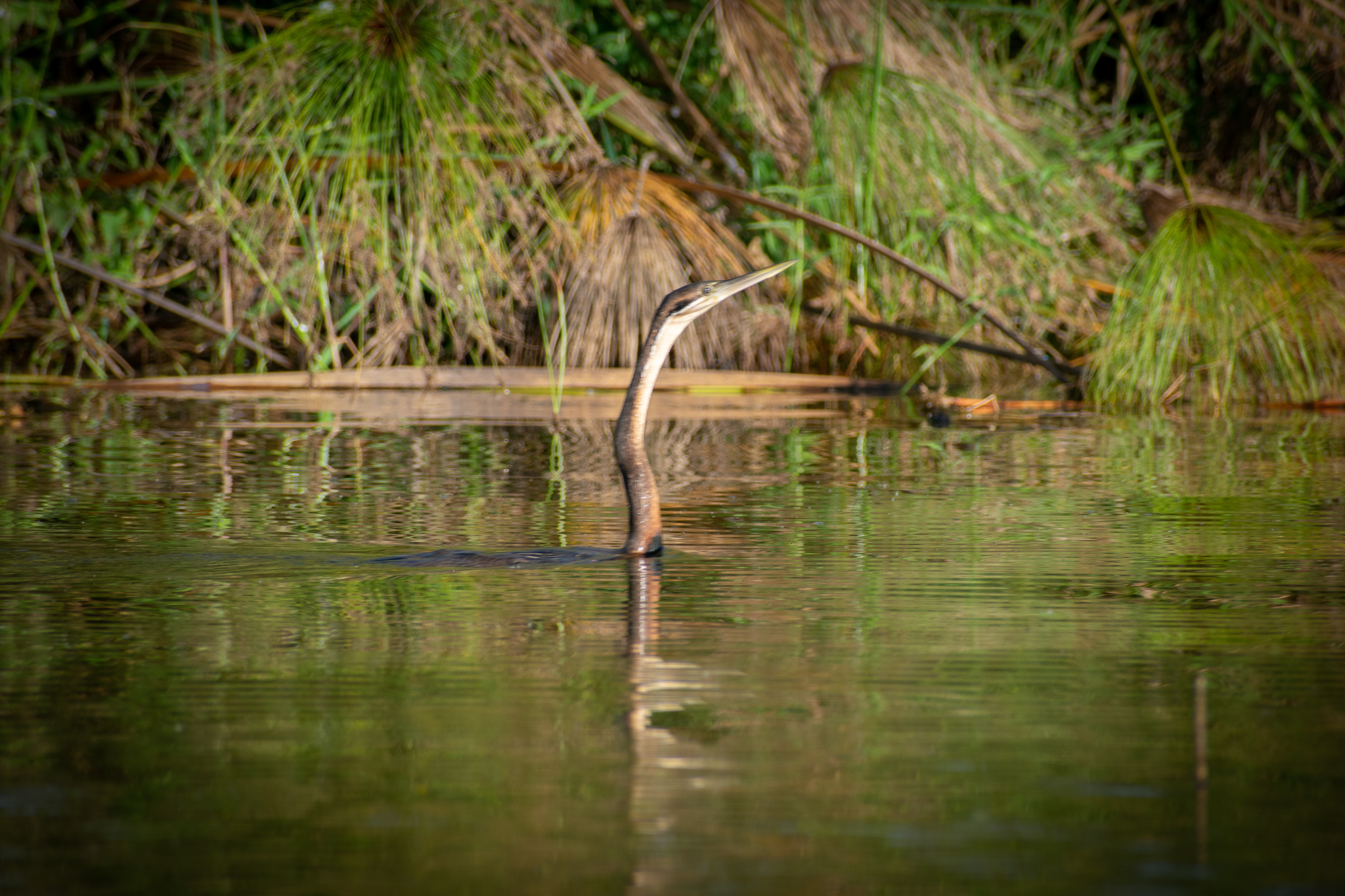
Snake bird (or African darter)
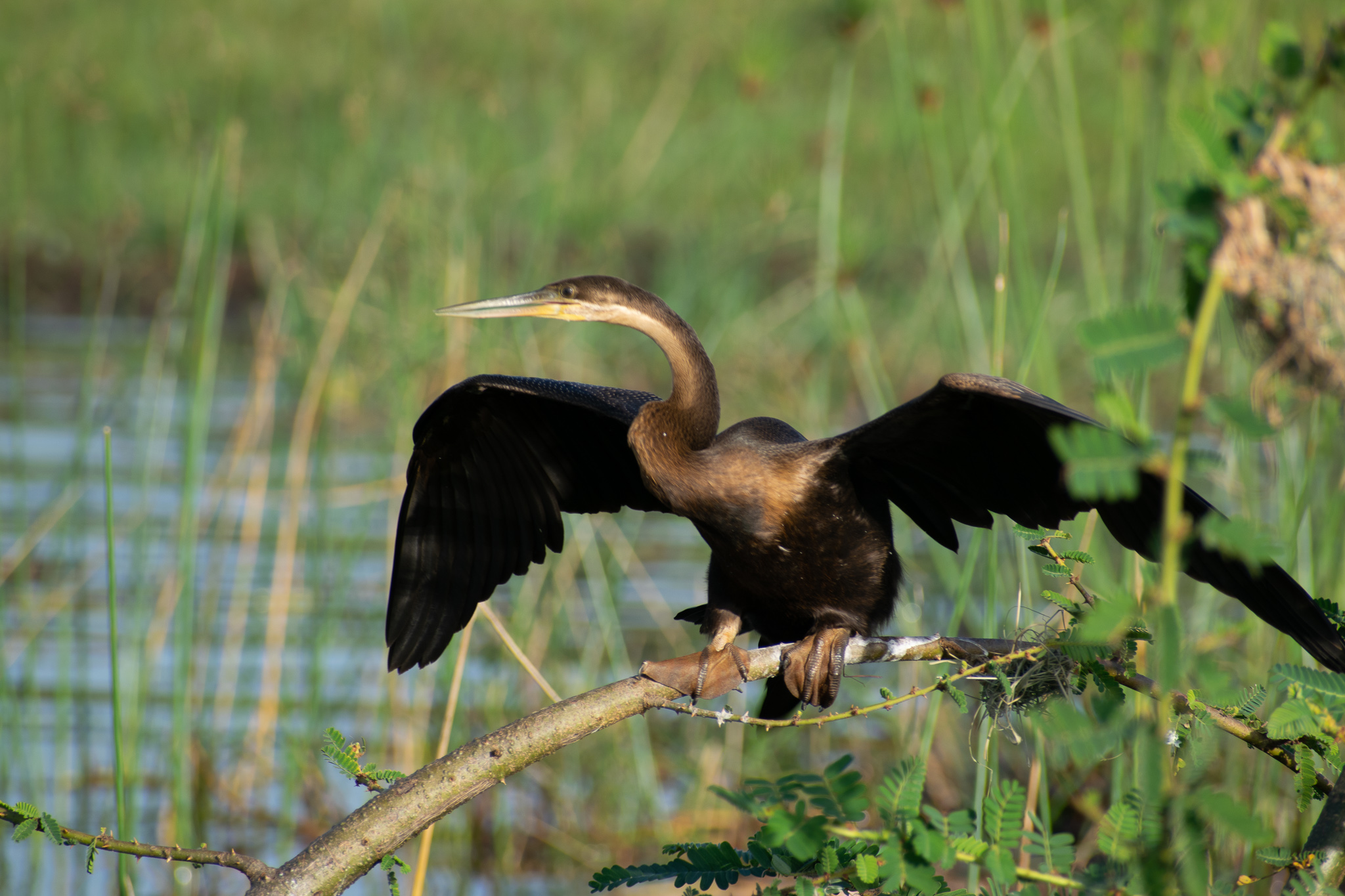
The snake bird – so, yes, it is a bird
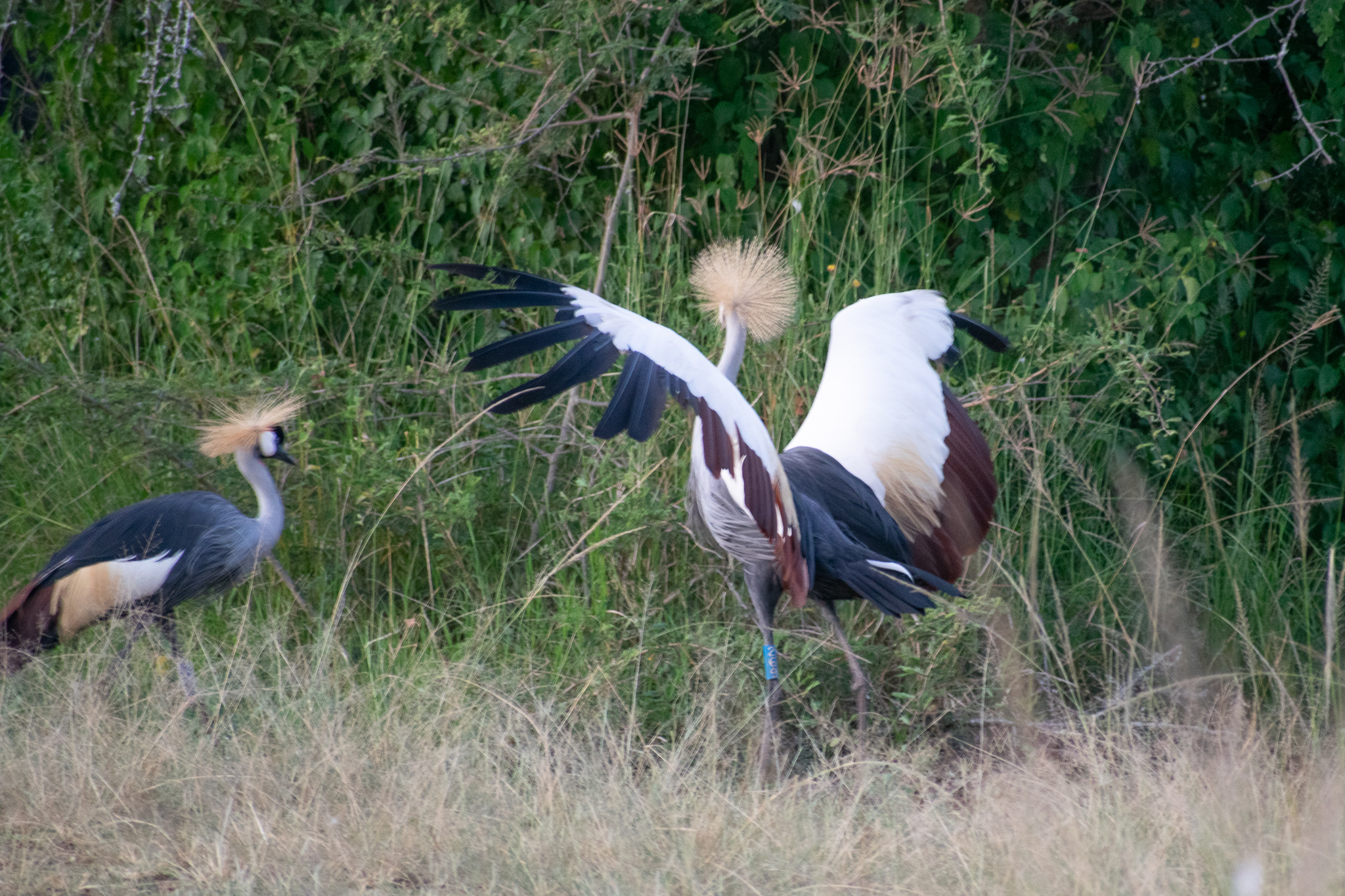
Grey Crowned Crane
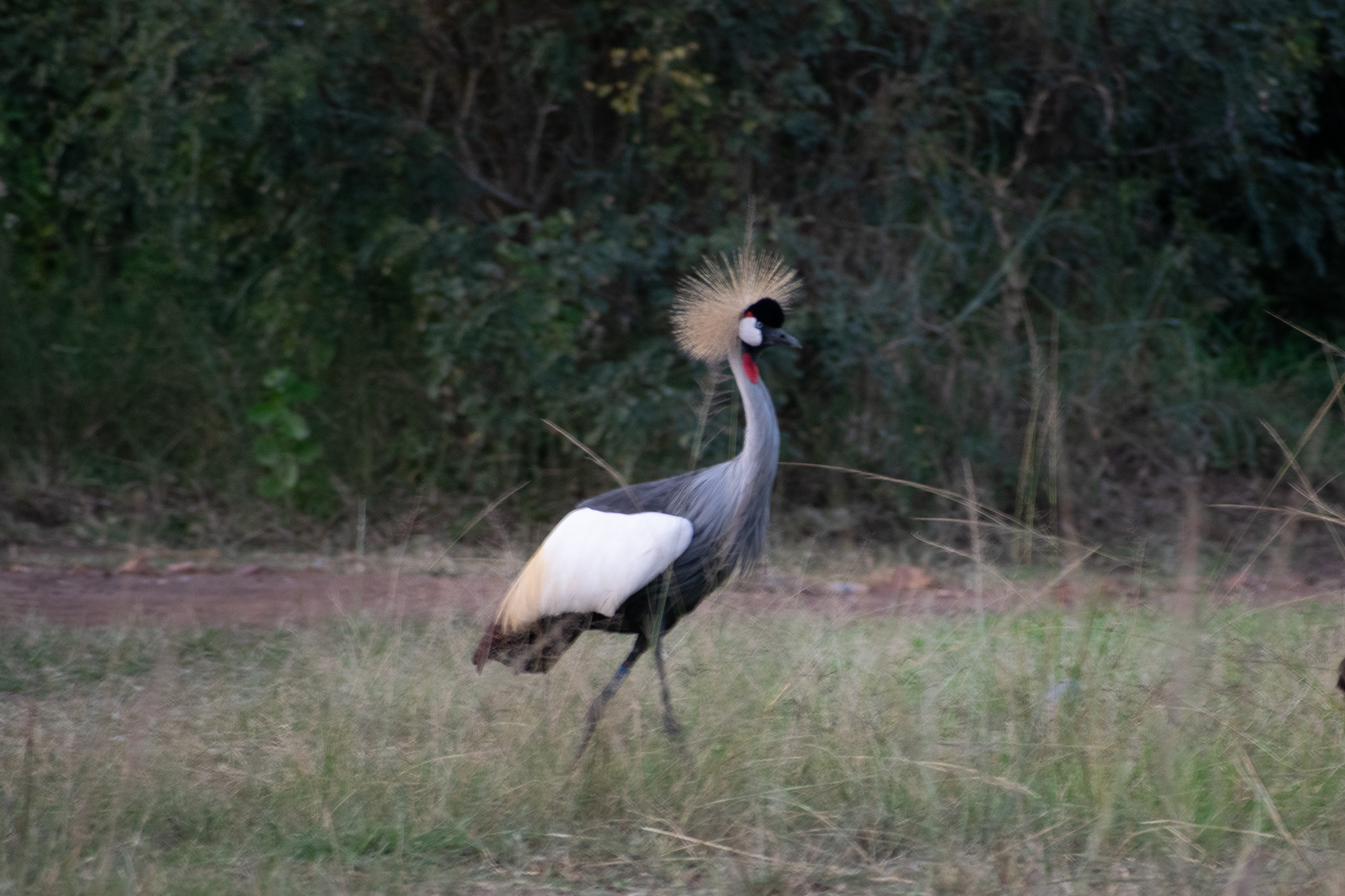
Grey Crowned Crane
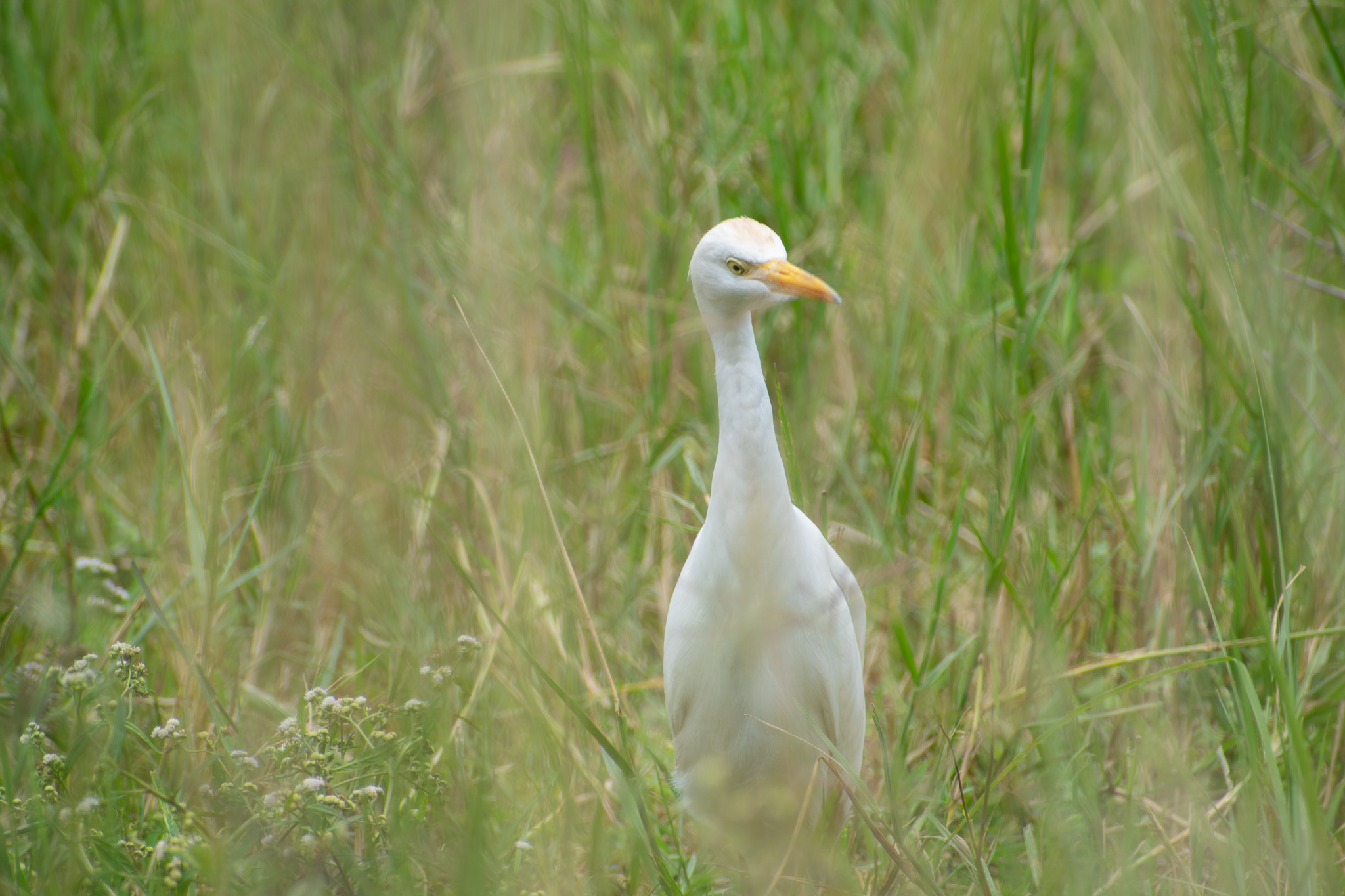
Great White Egret
I felt like a rotating surveillance camera – scanning everything that comes into my sight but also trying to capture a few decent pictures while keeping my ears open to the interesting facts shared by our guide. In that moment I realized two things: 1. It’s not easy to take nice shots of birds, even if I use all possible camera settings including burst release and dynamic focus mode; 2. Birds are very interesting to watch and learn about – something I had not really considered worth spending time on before.
Besides the spectacular birds which probably deserve more attention than just a few pictures, the scenery was simply too beautiful to miss a shot while performing my 360-scanning exercise.
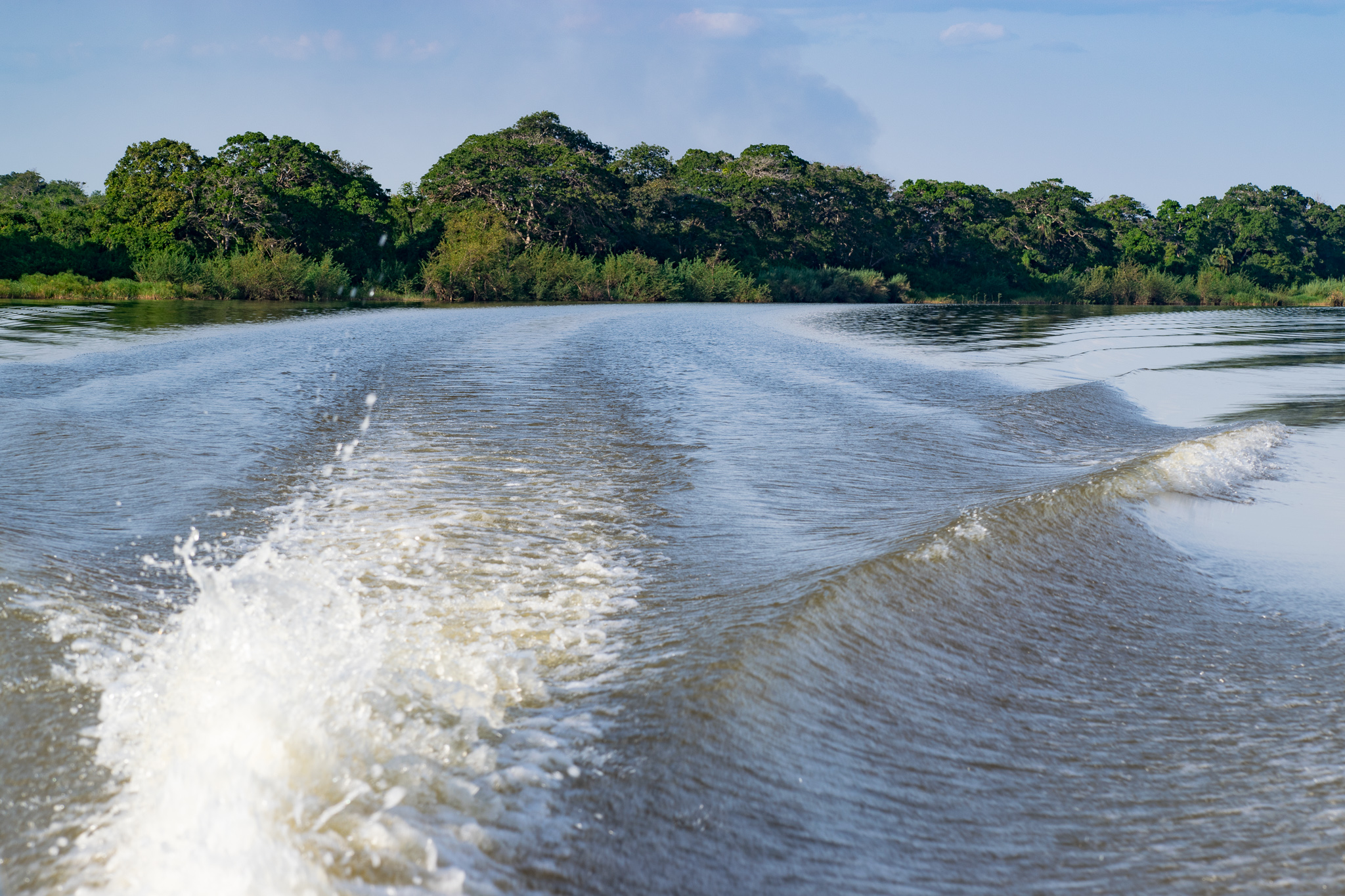
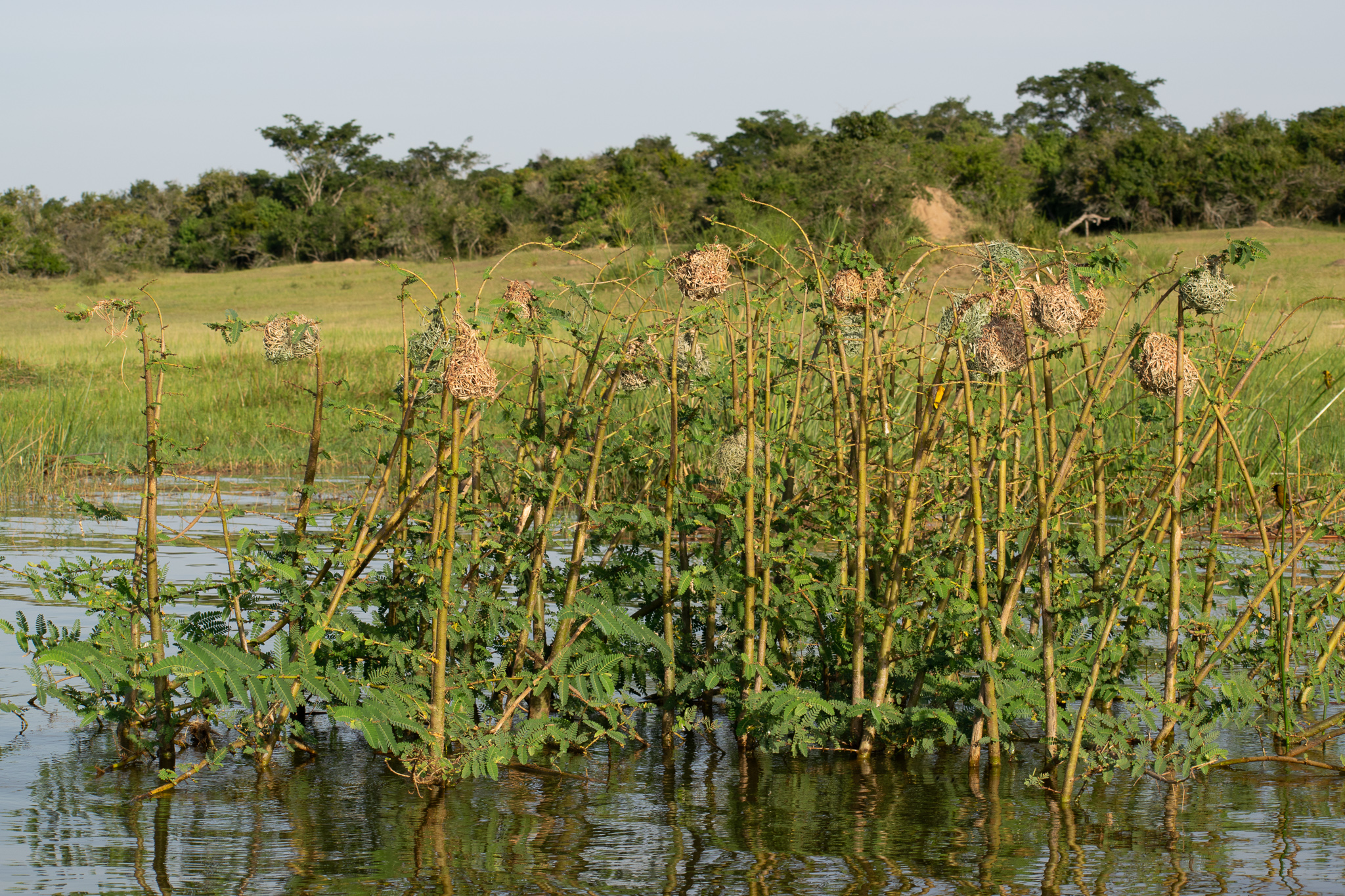
Birds nests
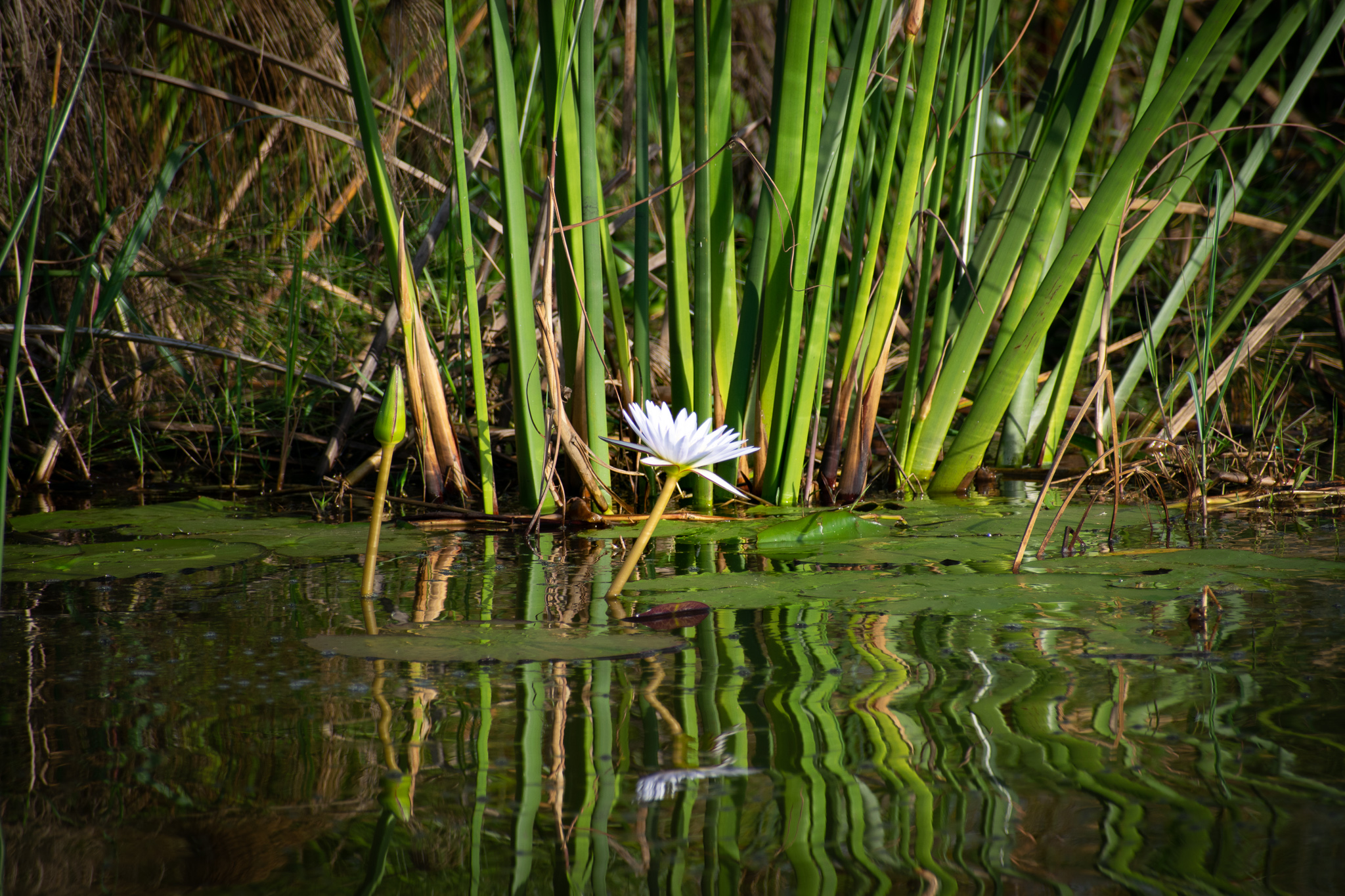
Water lily
After almost an hour of doing that, I kind of started developing an instinct about moving objects in my peripheral sight, even in the falling dark, like these two velvet monkeys which just froze for my shot 🙂
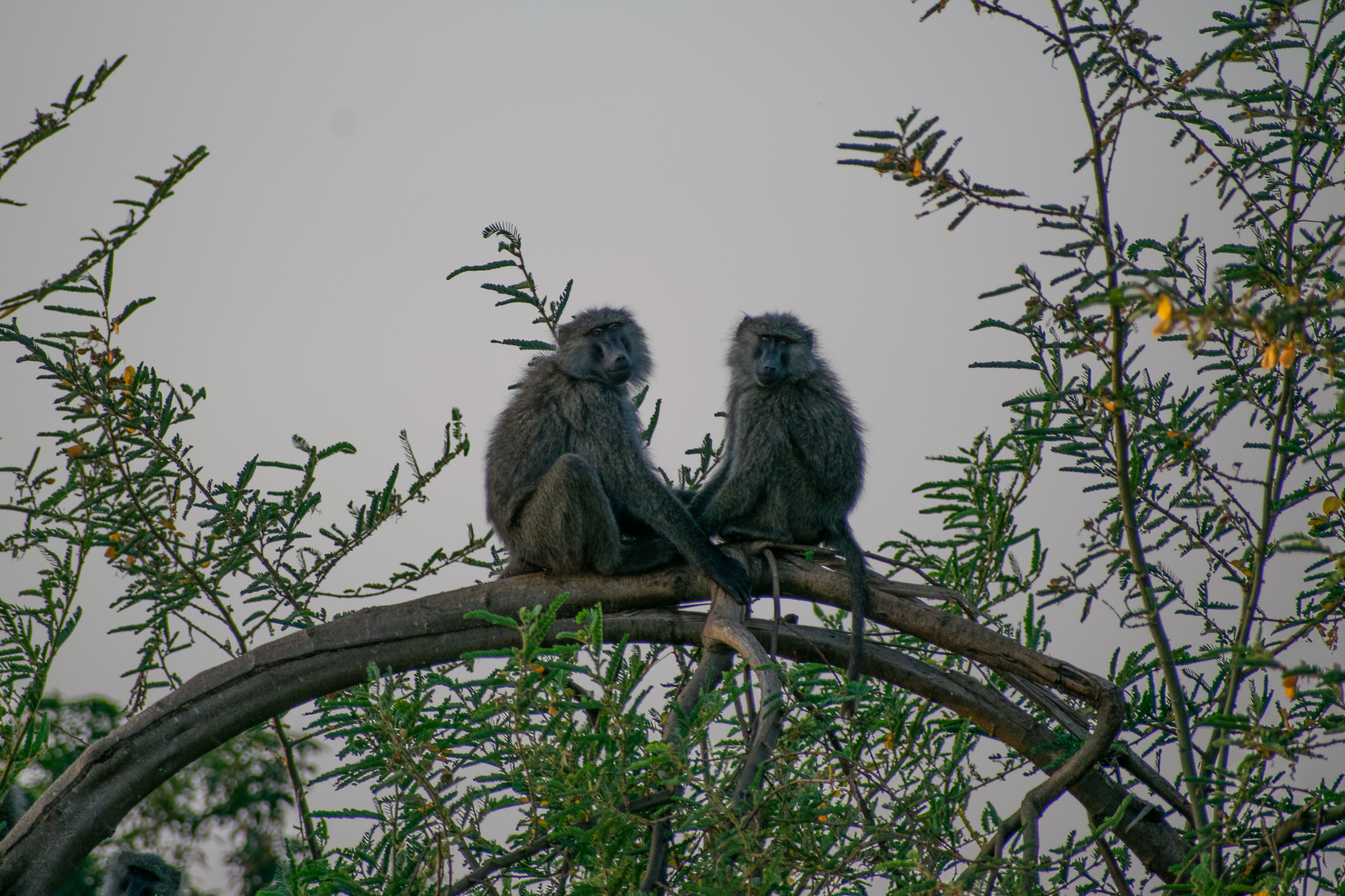
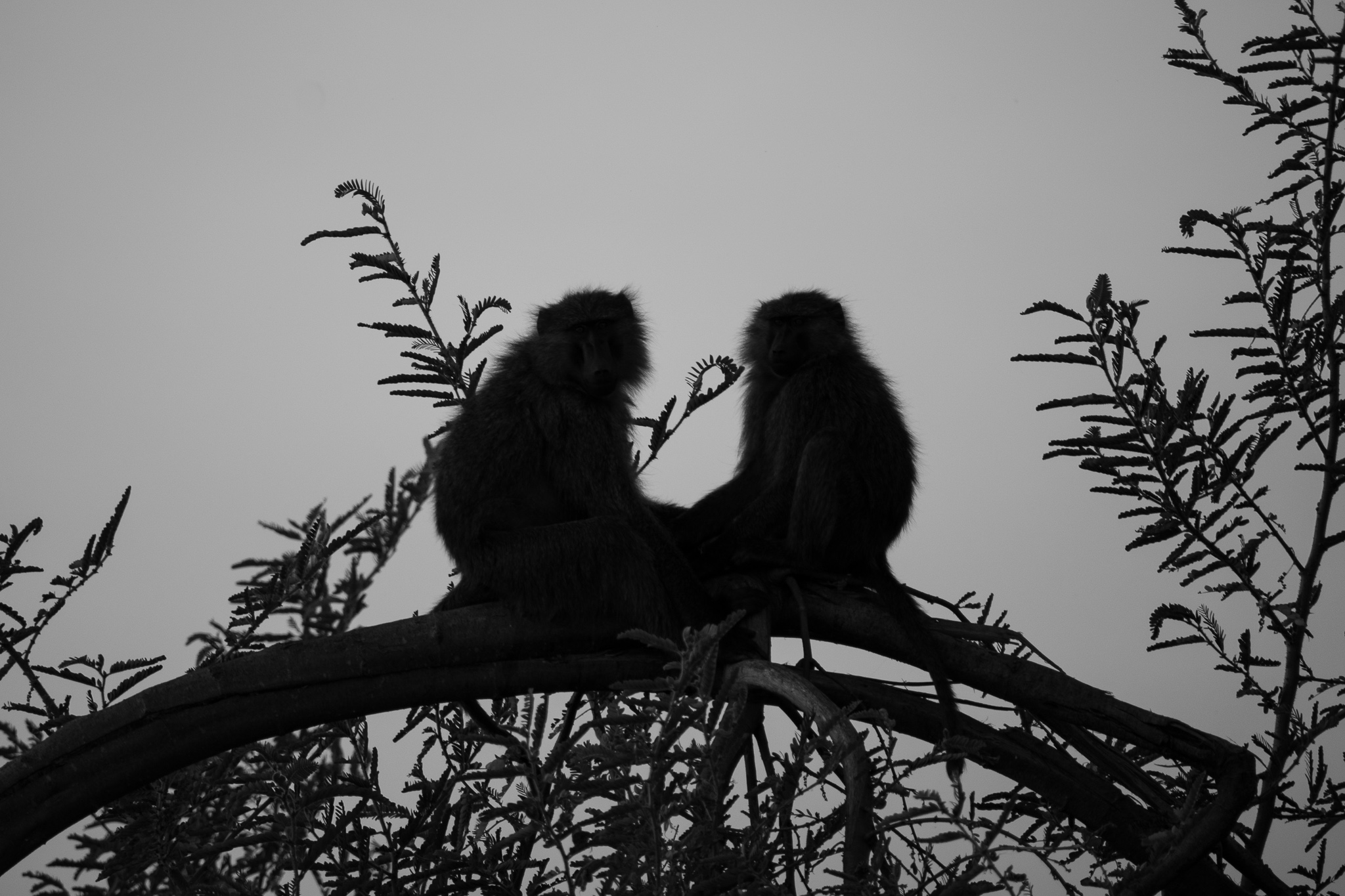
After a long and very hot day of drive on dusty roads, full of impressions and continuous focusing through the camera viewfinder, I didn’t even protest against the few mosquito I heard around the bed before I hit the sack.
As real safari enthusiasts we got up 5.30 am for an early game drive. The general rule is that animals are more active and visible in the early morning and late afternoon hours due to the cooler temperatures. We hit the road exactly at 6, full of excitement about the possibility to see at least some elephants (or maybe some lions, please!). Well, the 2-hour drive didn’t yield the expected results – our best encounter were a few zebras, impalas, a herd of buffaloes in the distance, and a few tracks (not even fresh!) of elephants. Yet, it was great to be out in the wild so early, breathing in fresh air, with all senses wide open and an elevated mood.
The breakfast and morning swim after returning to the lodge wiped away any signs of fatigue from the early wake-up, so we were soon up for another safari adventure. We checked out and headed north, first along the lake shore, then through some high grass, thick bush and bumpy paths.
A couple of hours later we reached a flatter and more open area which gave me perfect opportunities for capturing a few nice pictures
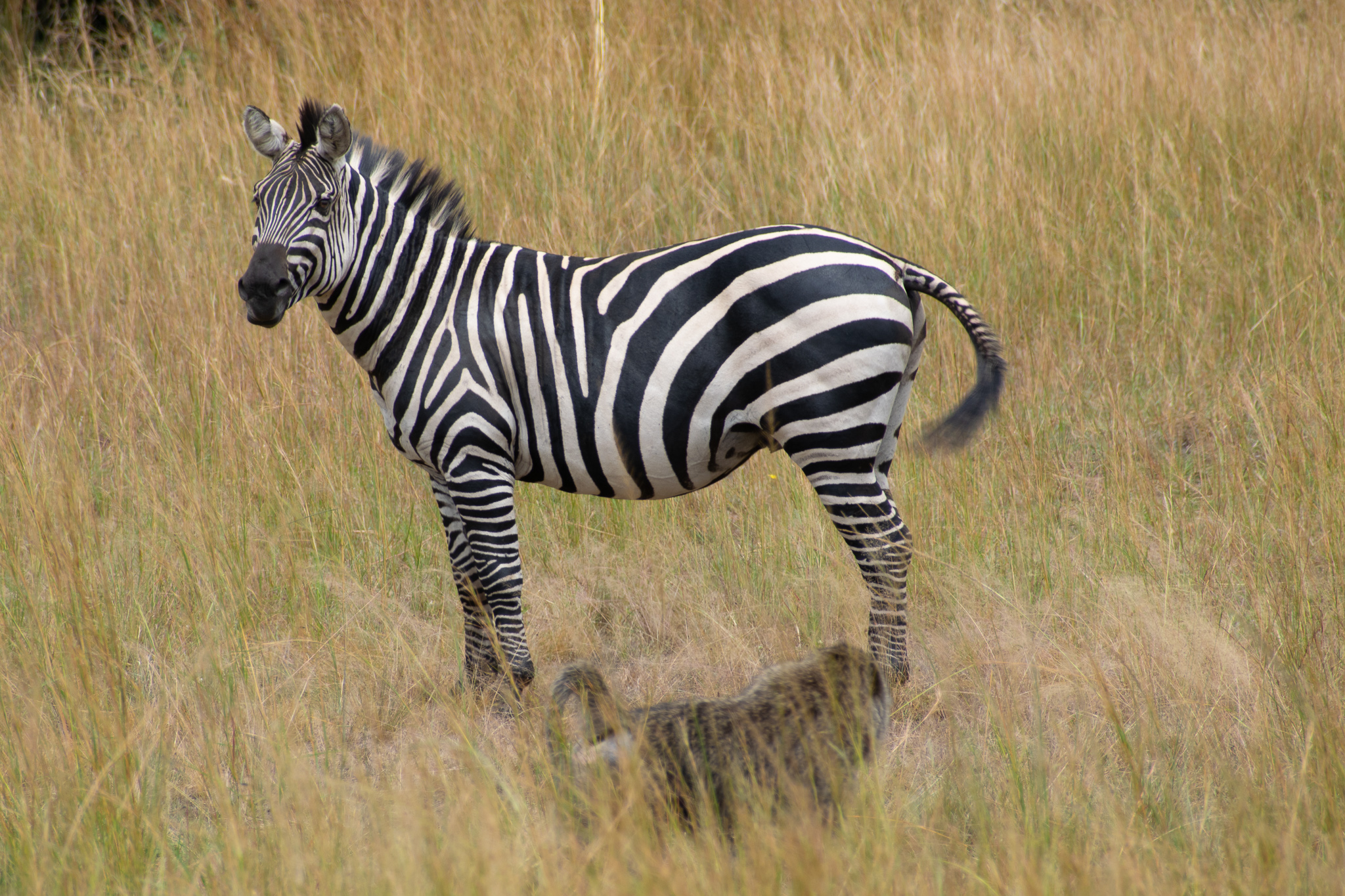
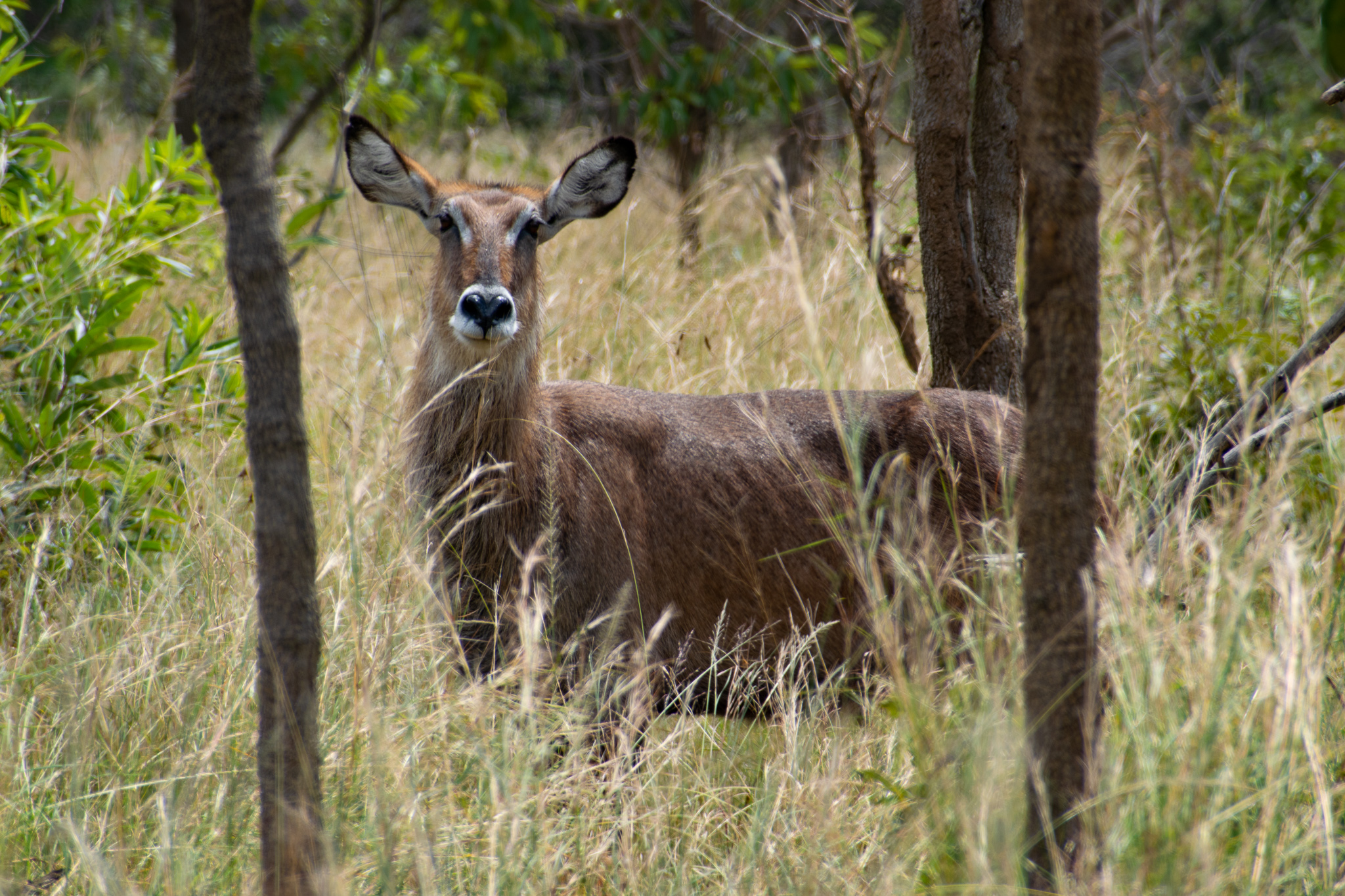
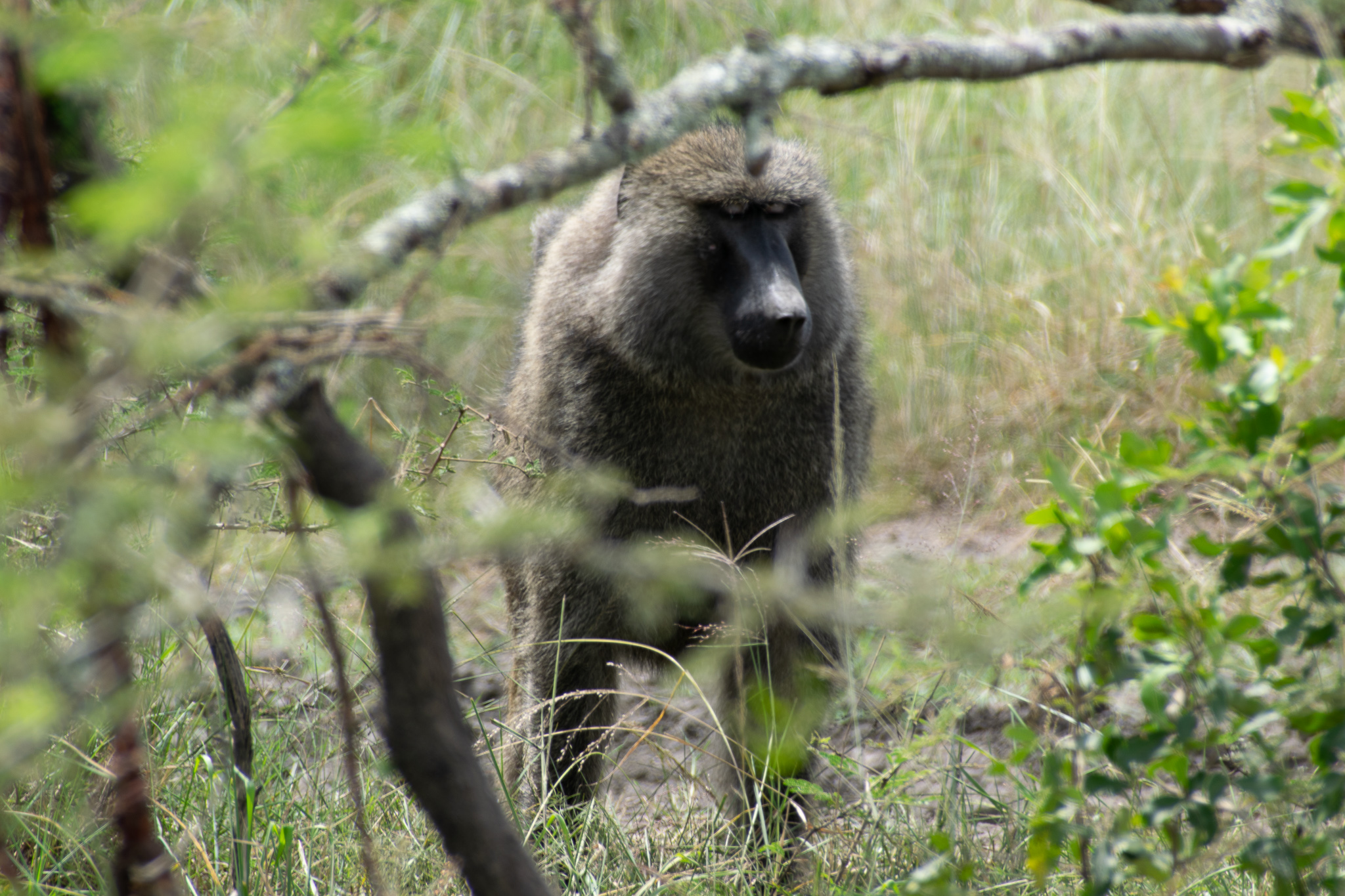
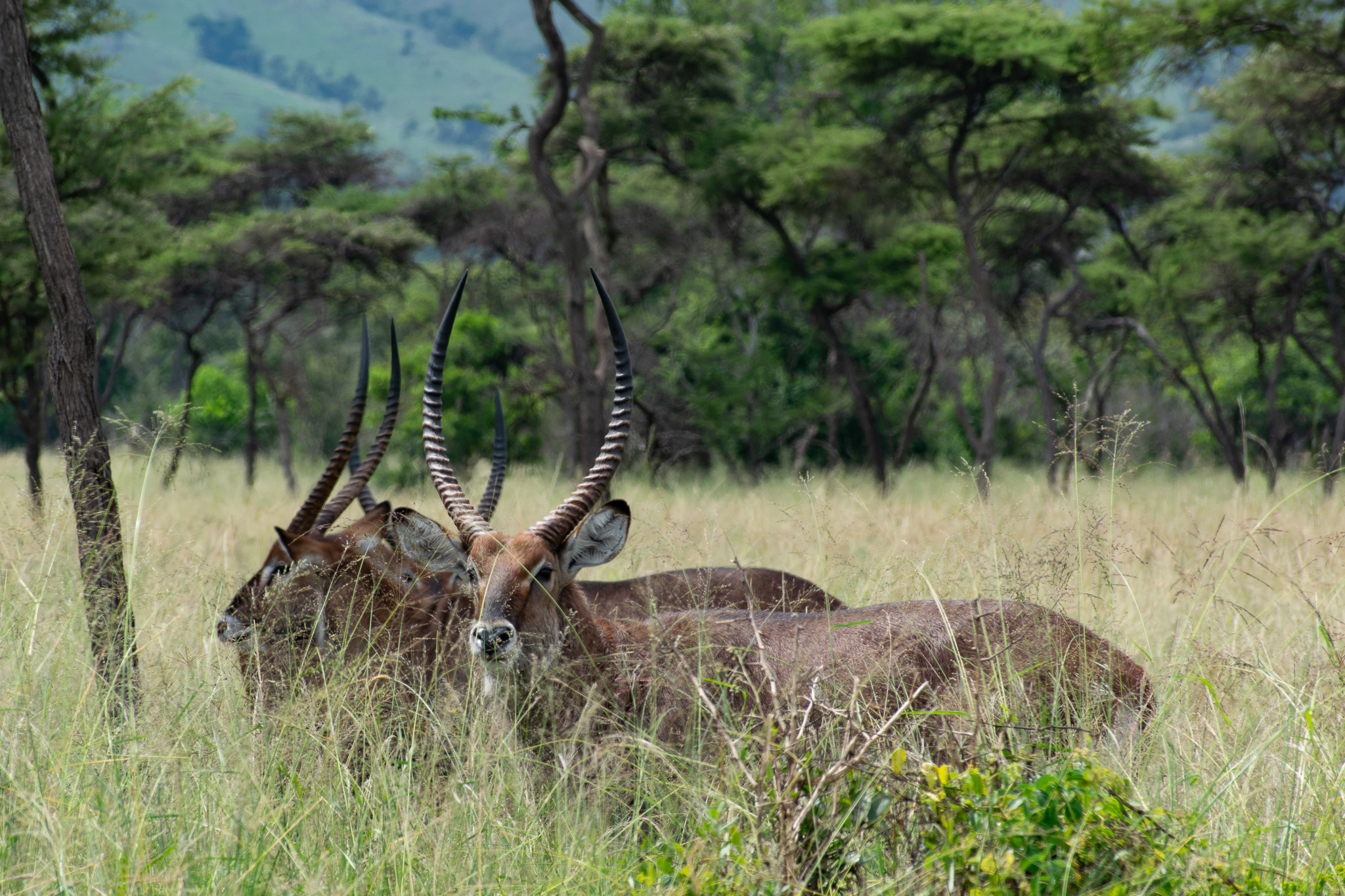
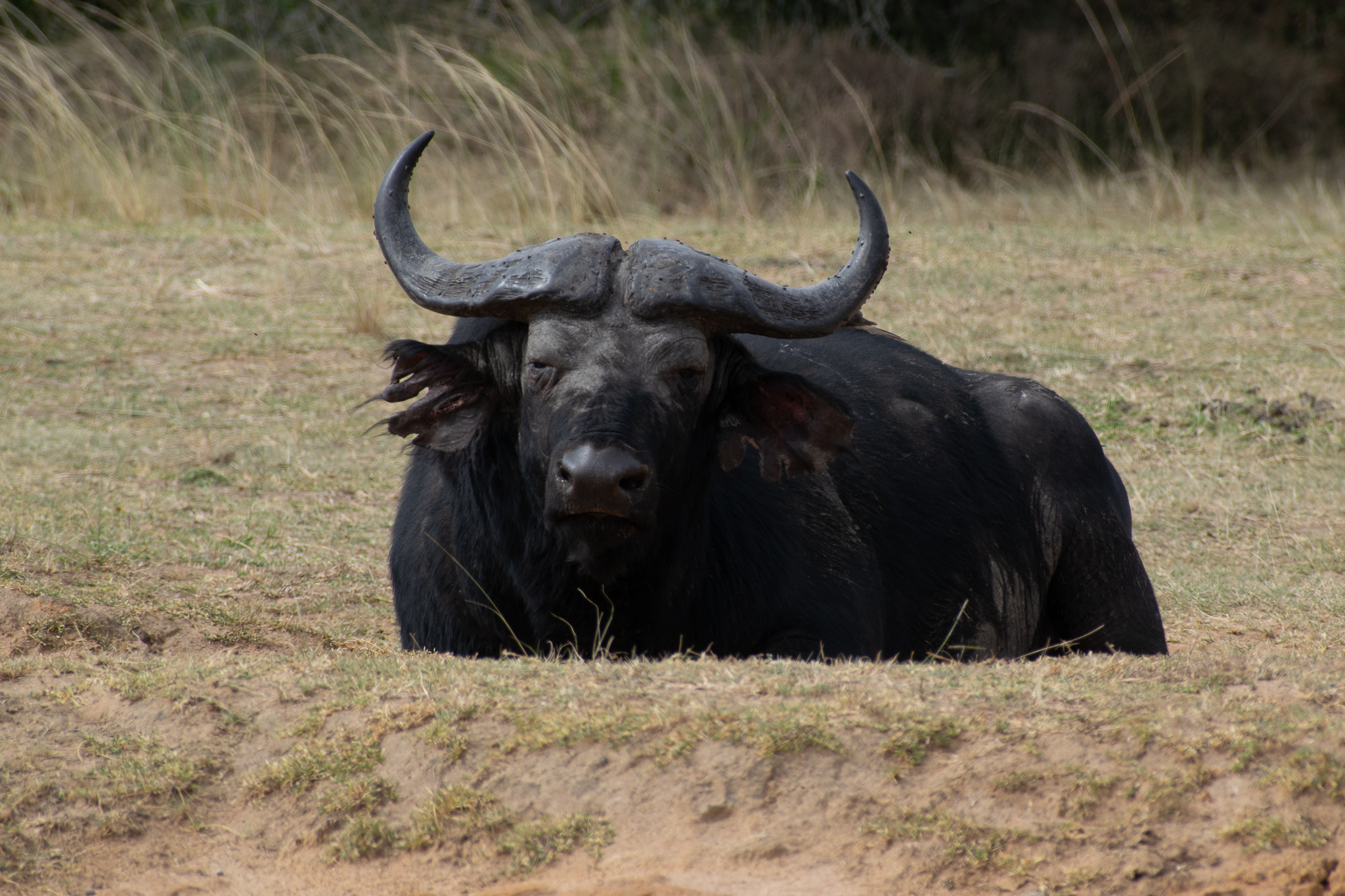
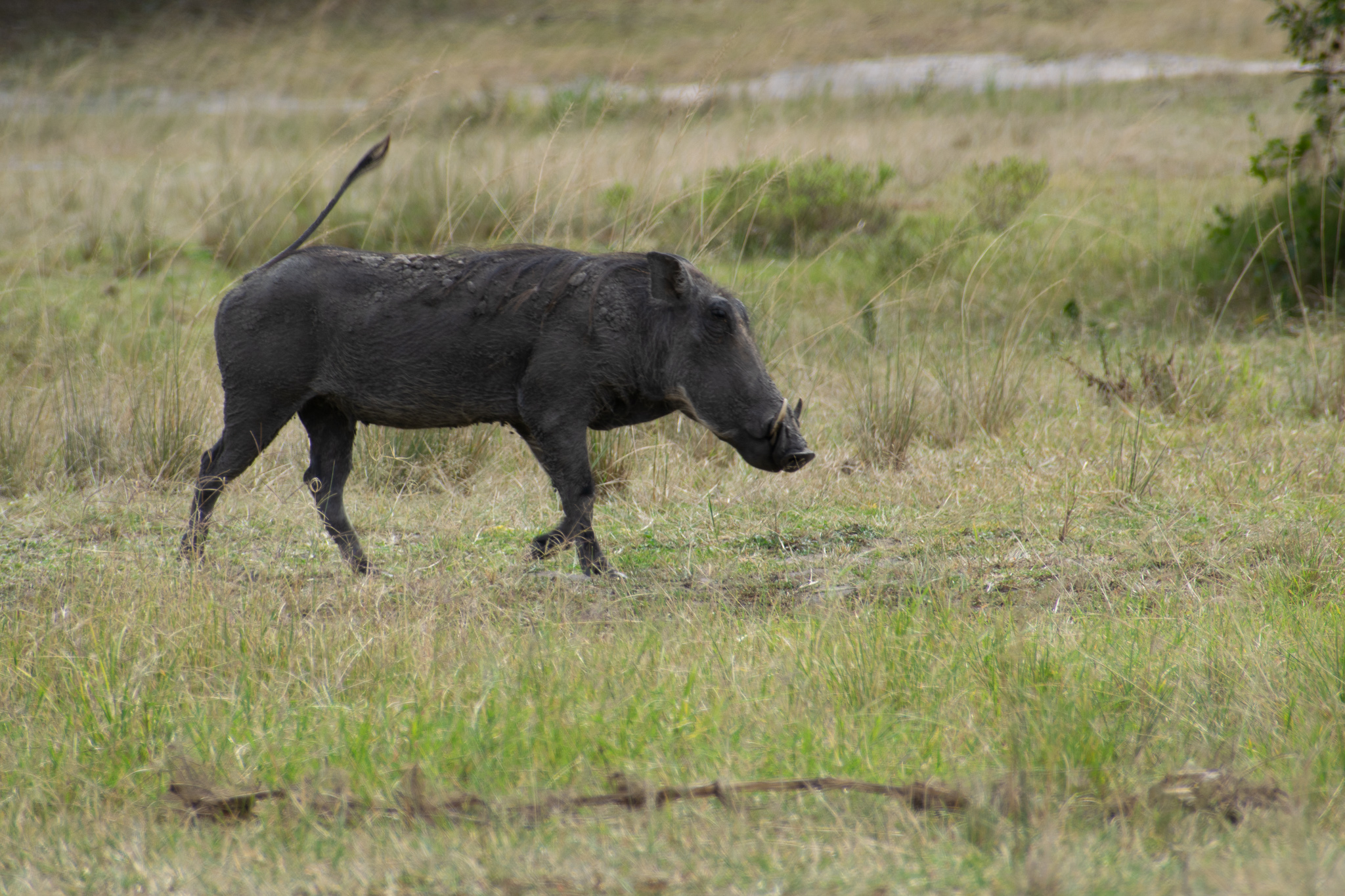
Although we came across a few fresh elephant dung again, it was definitely not an Elephant day for us. Not even a Giraffe day. And what to say about the lions!
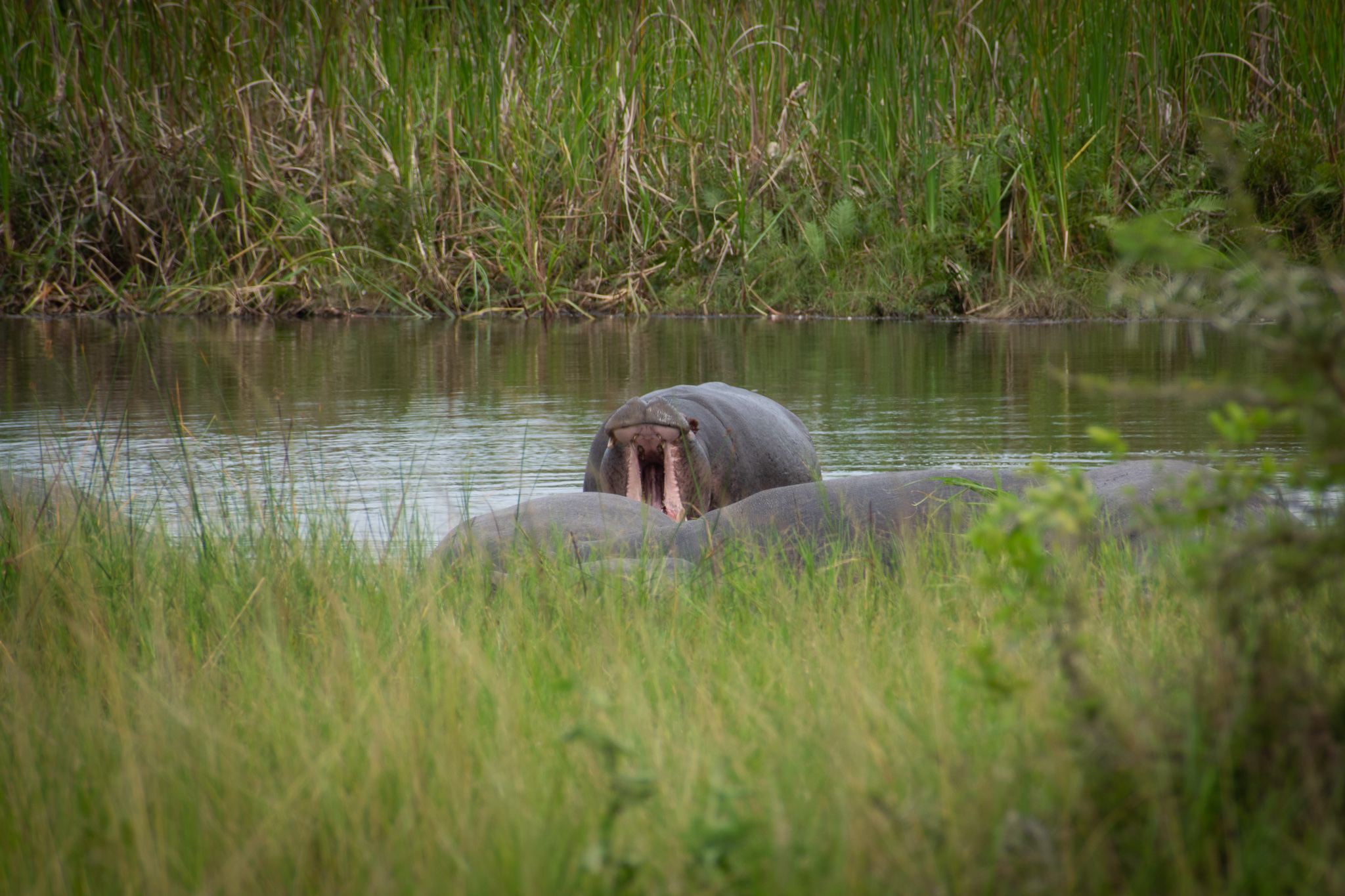
The Hippo beach remained our best experience so far. This is a very small lake in Akagera, apparently one of the best locations for spotting hippos bathing at the lake shores. The “beach” is also a designated picnic area for tourists – safe enough, but still quite close to the lake shore. There was a big group of tourists all very excited by the proximity of the hippos (some 30 meters away) and eager to get even closer. Maybe they didn’t know that the hippo is the second most deadly animal (after the malaria mosquito) responsible for more human deaths than any other large animal on the African continent. Nor did they possibly know that hippos can actually run very quickly despite their heavy weight. Fortunately, we didn’t get to witness their running speed.
Safari can be really exhausting due to the slow drive, frequent stops and total attention you pay while scanning the surroundings. The day was going to its end, so we turned the cars onto a hilly path to our next destination – Karenge Bush Camp.
The word “Karenge” means a “small footprint” in Kinyarwanda – supporting the camp’s intention to leave as small as possible environmental footprint on earth.
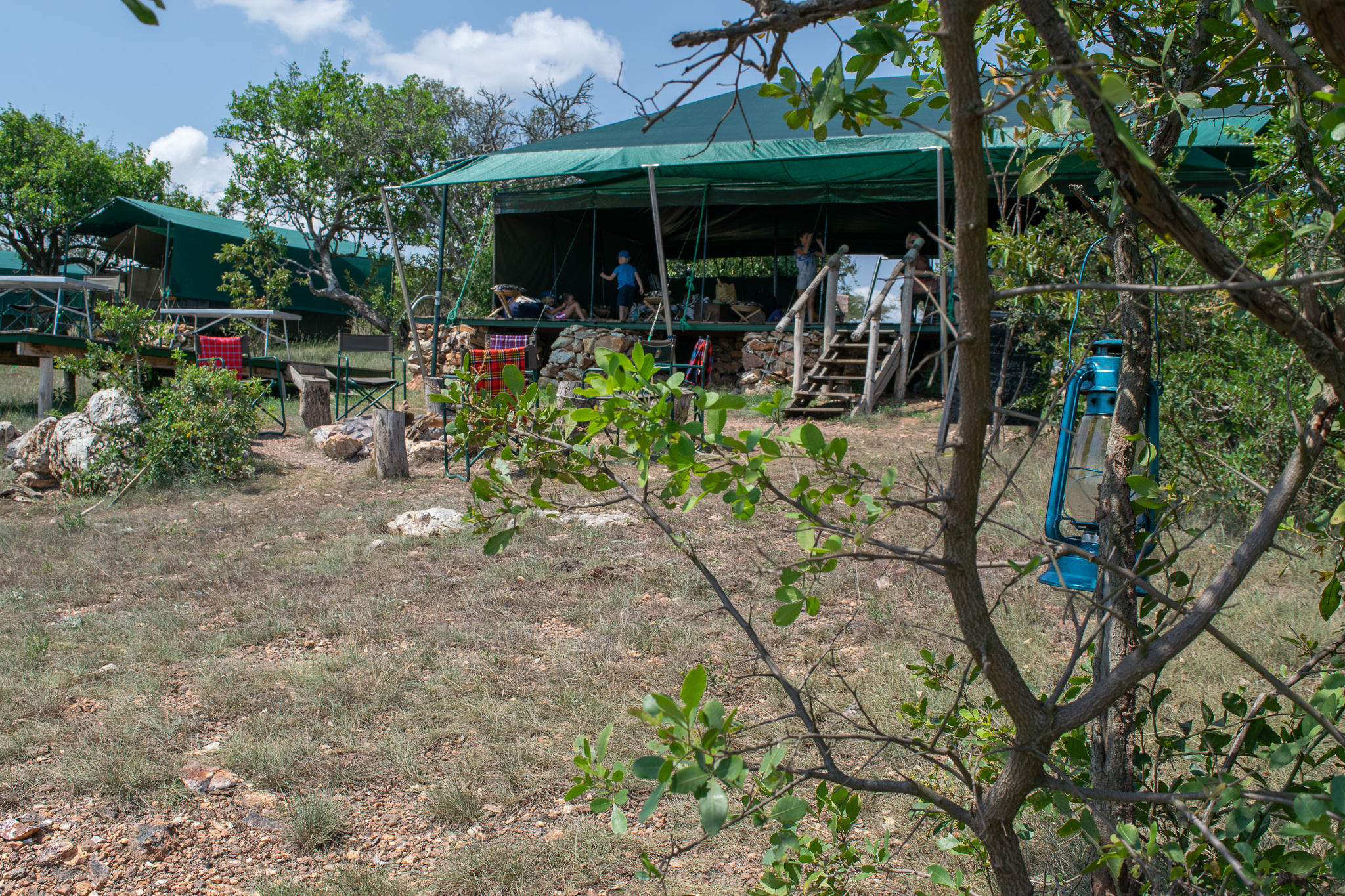
Karenge Bush Camp
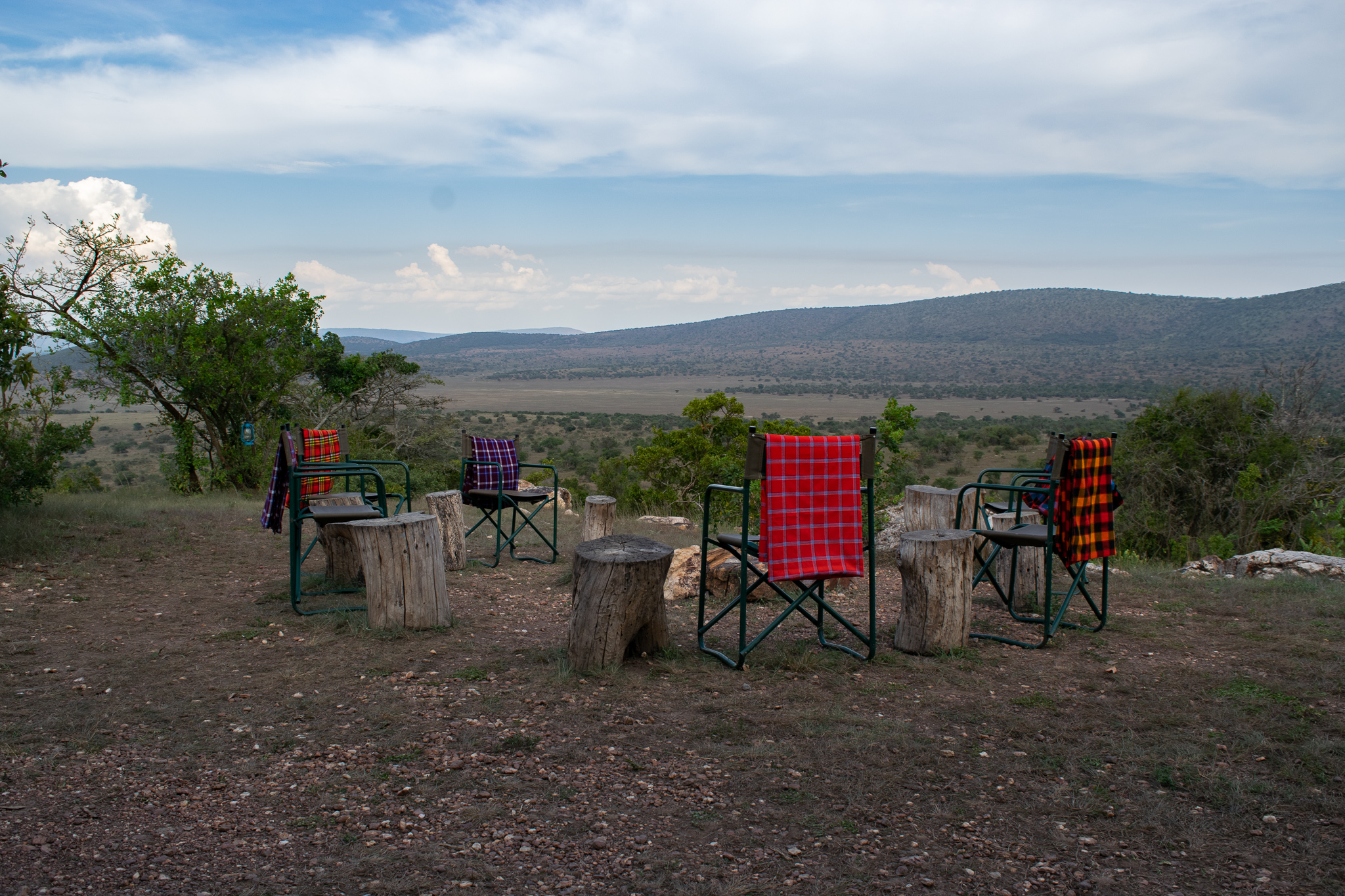
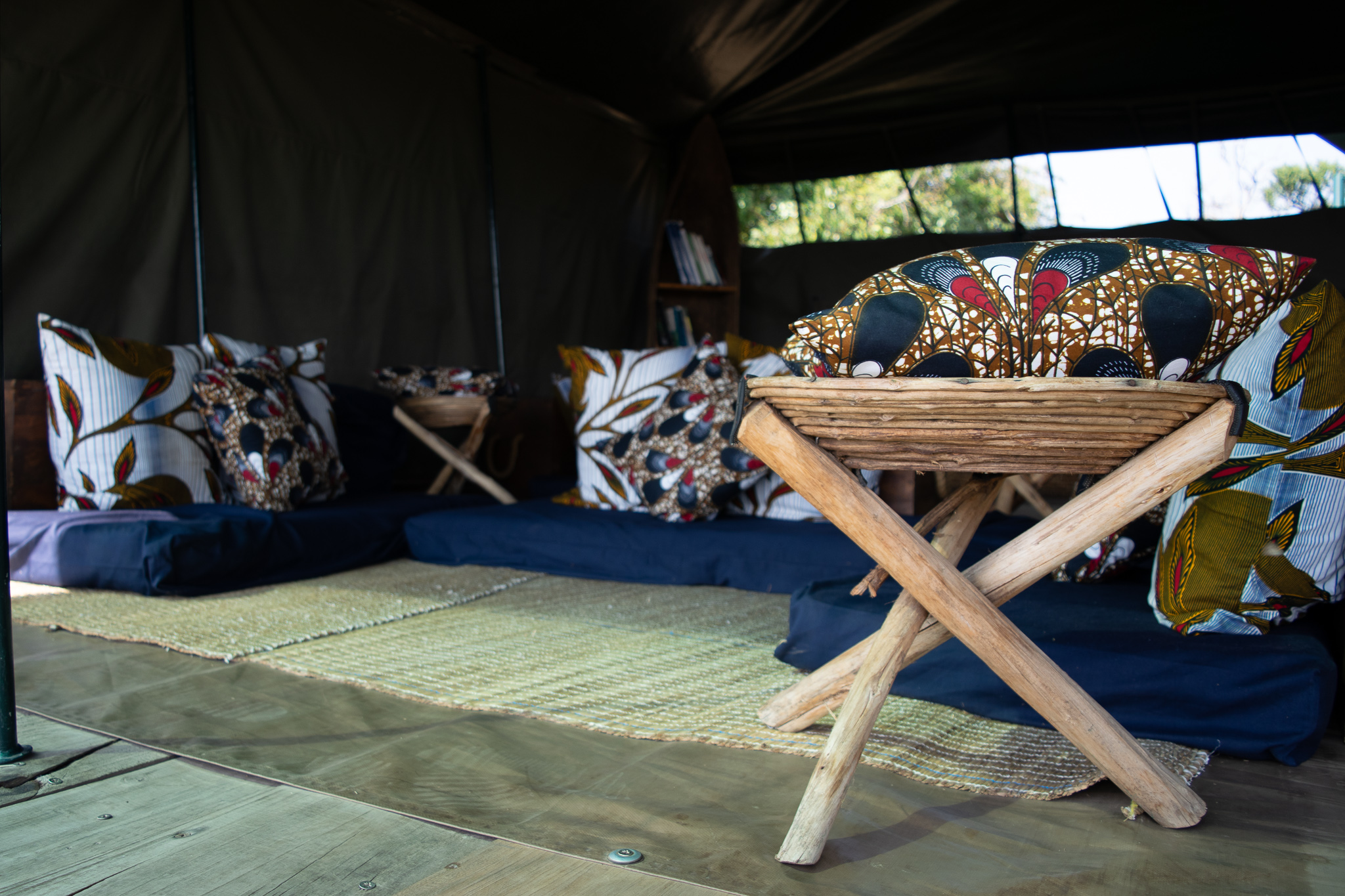
First of all, the camp which consists of only 6 tents, a dining and chill-out deck and a fire place, is constructed with eco-friendly materials which are all removed when the camp closes at the end of the season.
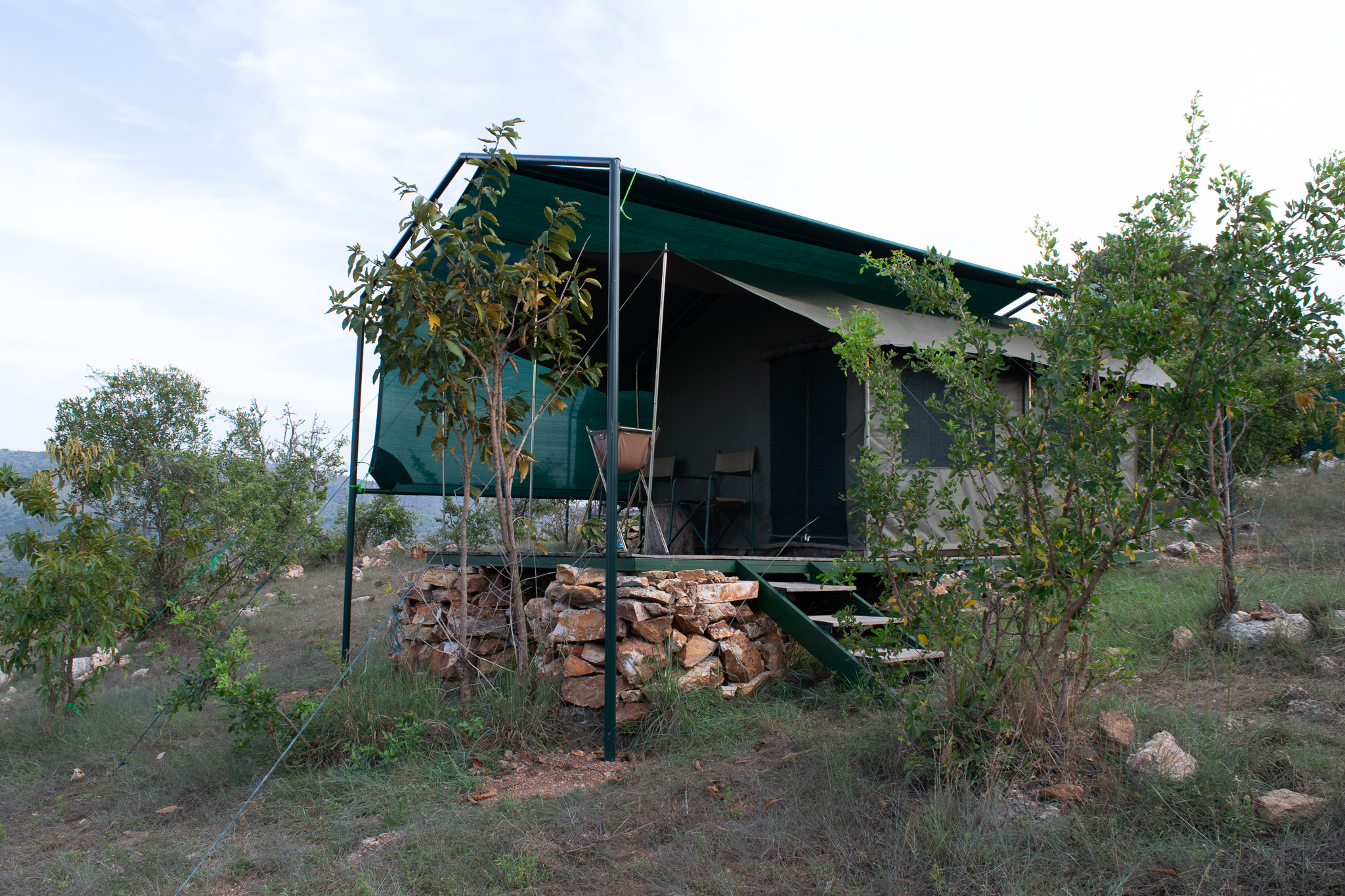
The reason why the tents are raised on stones is to reduce the risk of getting some unexpected wildlife guests – there is no electrical fence around the camp, unlike other camping places or the lodge we stayed at the previous night.
Another eco-friendly aspect of the Karenge camp is the use of solar power for the fridge, solar lights, and only one small mobile generator for the water used for kitchen purposes.
The tents, all lined up on the edge of an escarpment and overlooking an incredible sweep of savannah, are furnished in a very simple and romantic way (what else could one possibly need out in the wild?!). The outside bathrooms don’t use running water neither. Bath “room” is probably not a correct description since it is not entirely closed and there is no door. As part of the briefing upon arrival, we were advised to avoid walking in front of the tents, not to disturb someone’s delicate privacy 🙂
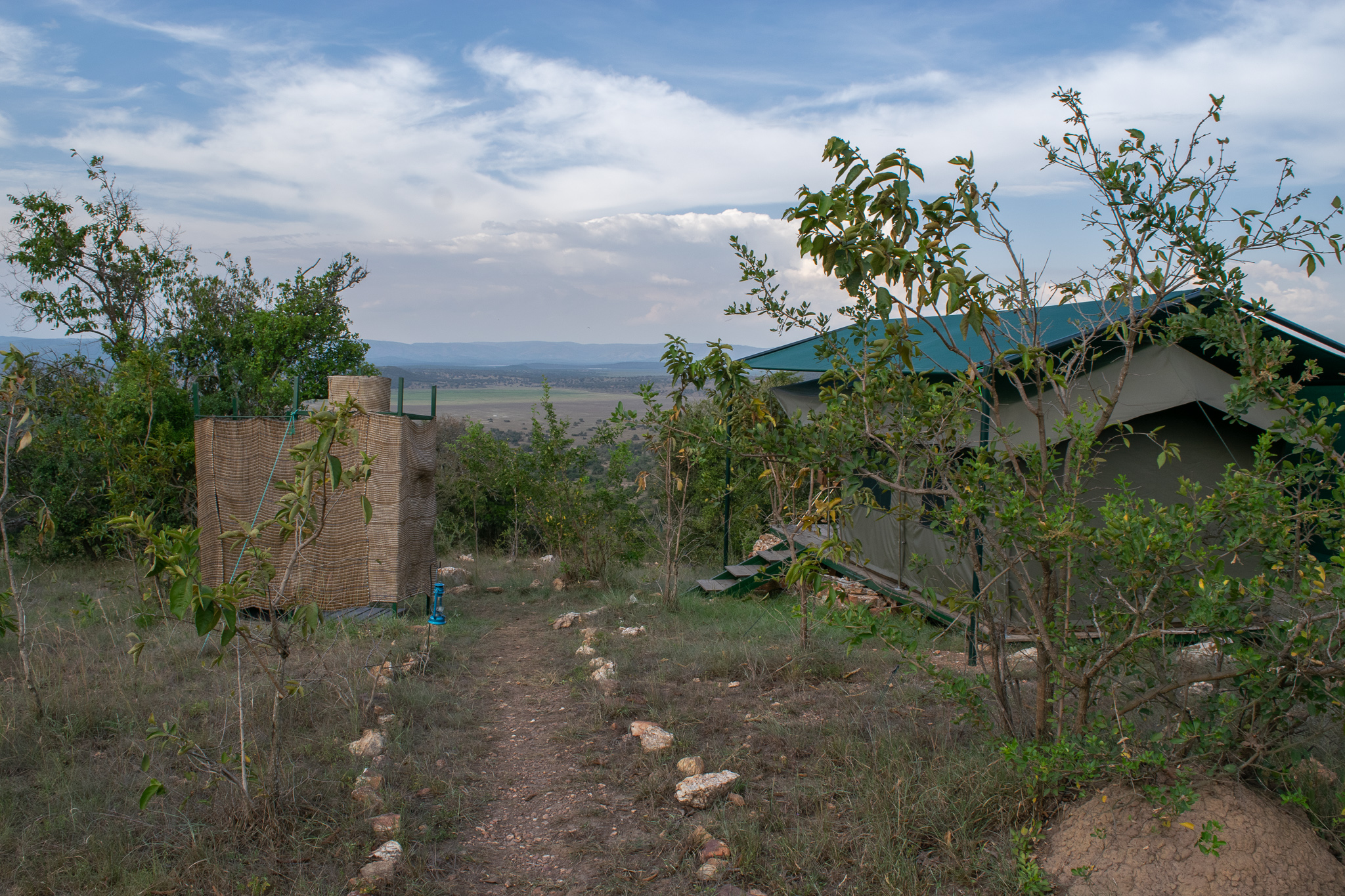
After the long day of discoveries I couldn’t resist the tempting idea of taking an eco-shower in the open wilderness. I felt some sort of liberation but it didn’t last long. As soon as the night fell, this feeling of freedom quickly faded away, giving way to a subtle sense of fear from all the wildlife that might be out there in the dark bush, secretly watching us…
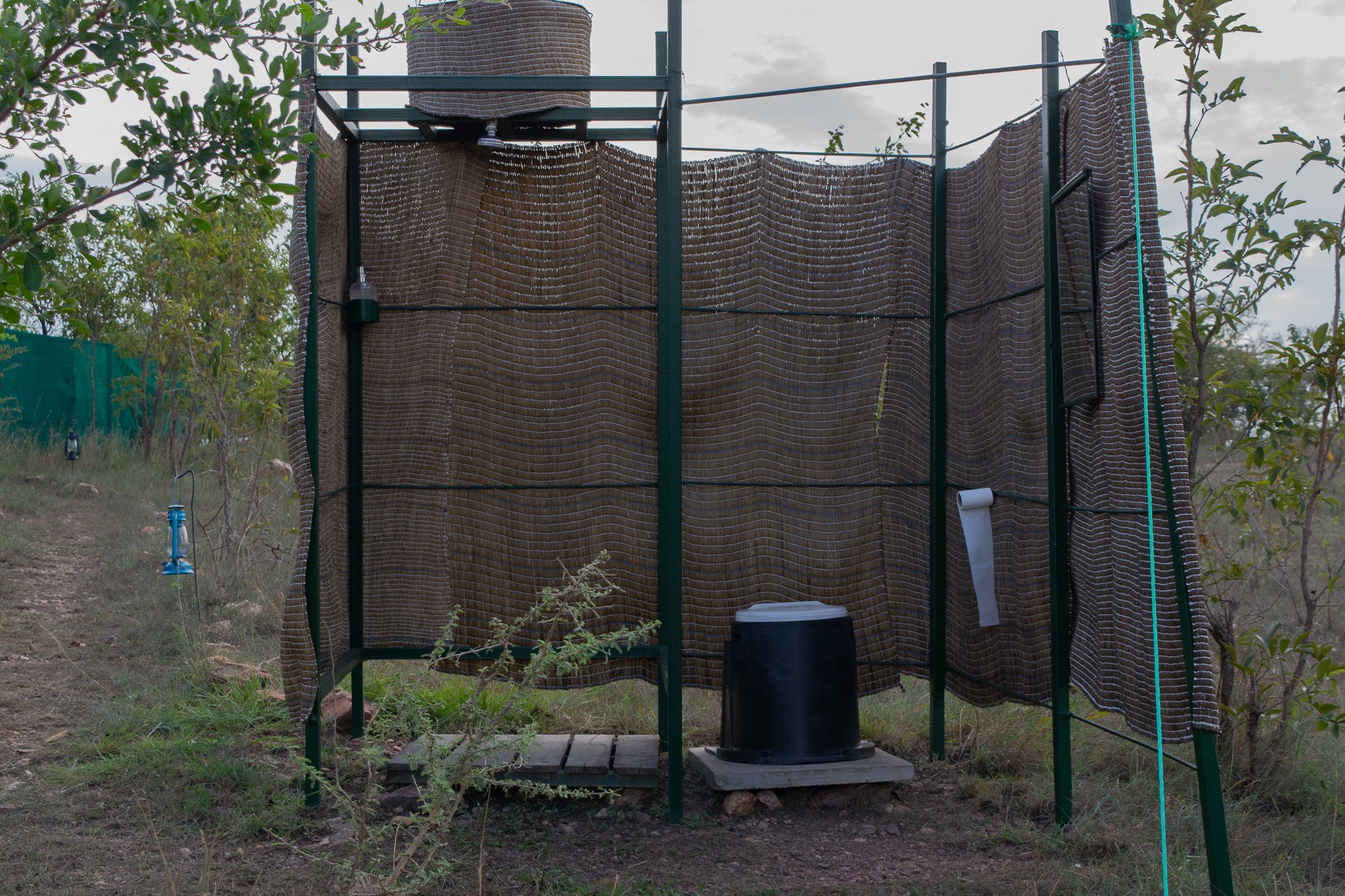
One of the best showers I’ve ever had!
Dinner was served on the open deck under a clear sky full of stars and the glowing solar lights on the table. It was a quiet and warm night. Just imagine how tiny our bush camp in the heart of Africa would appear, if seen from the sky… and how fragile our lives were in this moment.
Besides occupying our minds with existential thoughts, this is also when incredible stories are usually told. Like the one the camp manager shared with us around the fire place. It was triggered by our concerns about the camp safety given the lack of fence. He tried to reassure us that nothing can happen but (there is always a BUT), well, we are in the wilderness so you never know. For example, last year a lion came very close to the camp in the morning (5-6 meters from the fire place) and was hanging around the tents during the whole day. The camp was fully occupied (means 12 people) that weekend and the guests got quite scared by the lion, so the camp manager had to call a few park rangers to patrol during the night, just in case. The lion didn’t do anything stupid but his wailing could be heard the whole night. The next morning he was gone. Guess if the camp guests had a good sleep that night 🙂
However, I was so tired and our enthusiasm for another early game drive on the following morning was still strong, so I fell asleep the moment I switched off my bed light. And no lion whatsoever could disturb my sweet dreams. It was still dark when I heard the howl of a nearby hyena, but I simply ignored it and drifted away in my dreams again.
The morning was fresh and foggy. This time we drove directly to the huge open savannah and swamps nearby, where we were expecting to see a lot of animals. Our efforts to get up 5.30 am for a second consecutive day were soon rewarded with the view of some magnificent wildlife species. No words can describe what we see that morning and our feelings being so close to all of it.
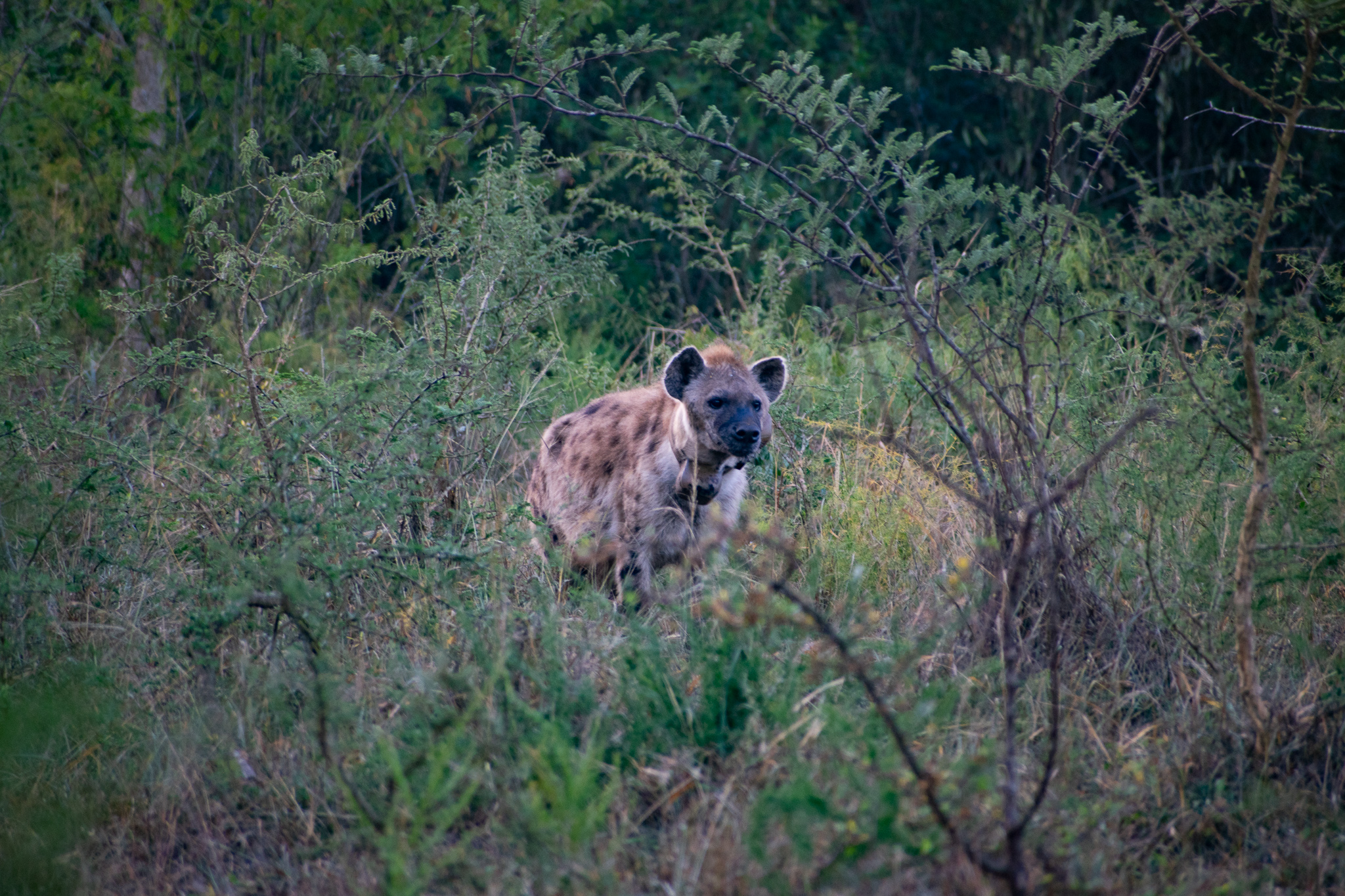
First encounter of hyena – shortly after 6 am
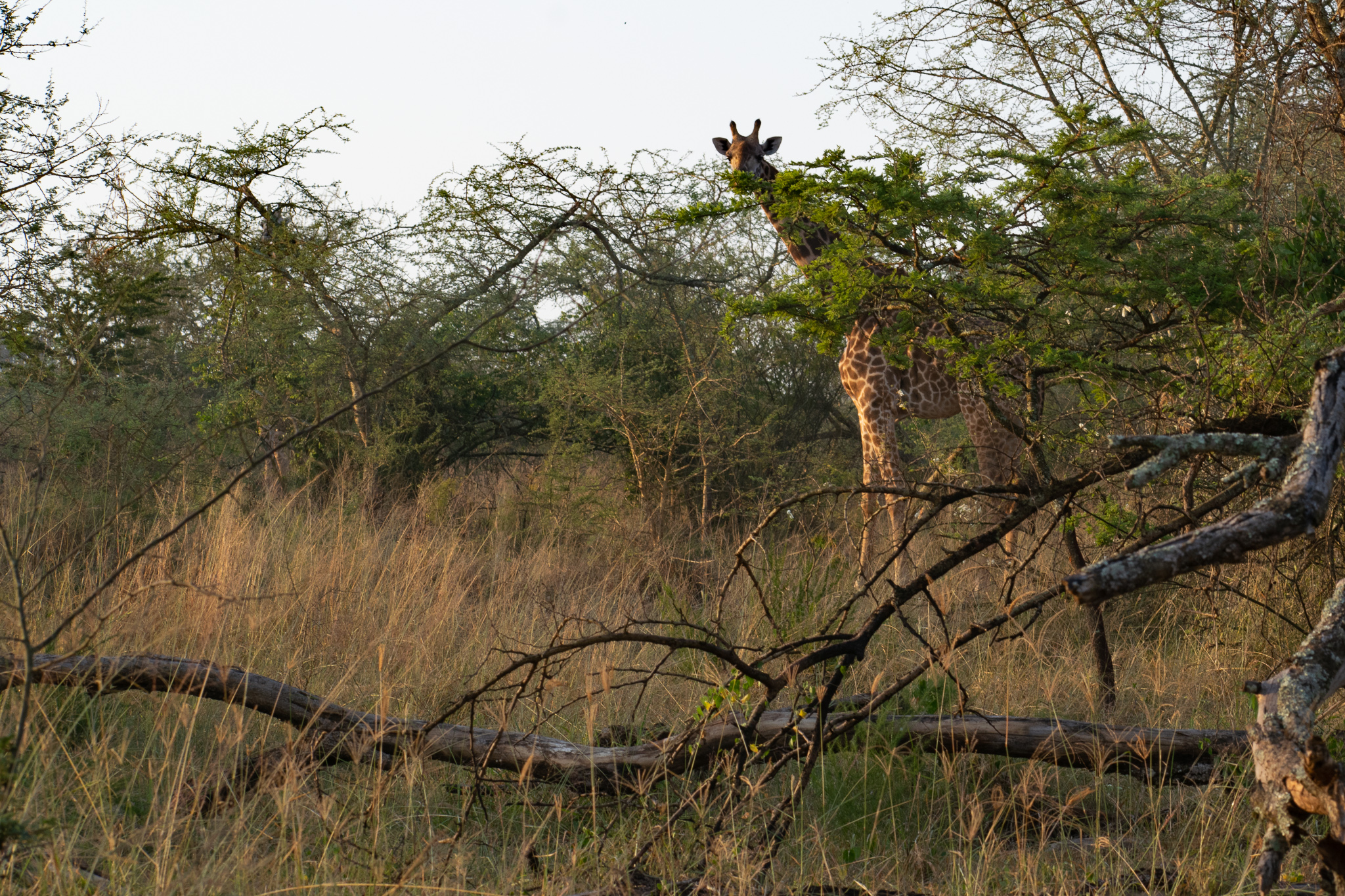
The Giraffe was literally in front of our car but swiftly jumped off behind the bush
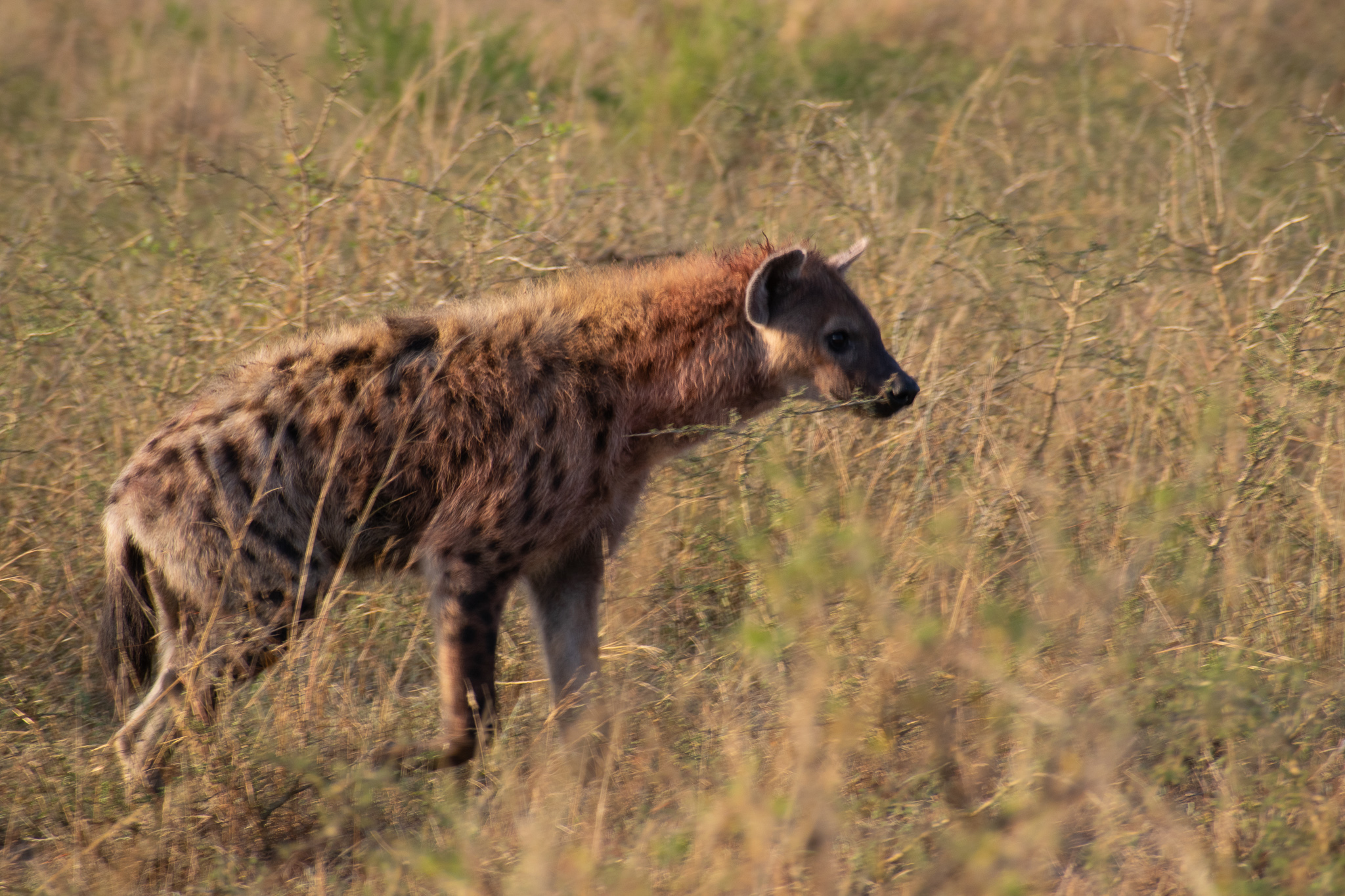
And a bit later – a second hyena encounter
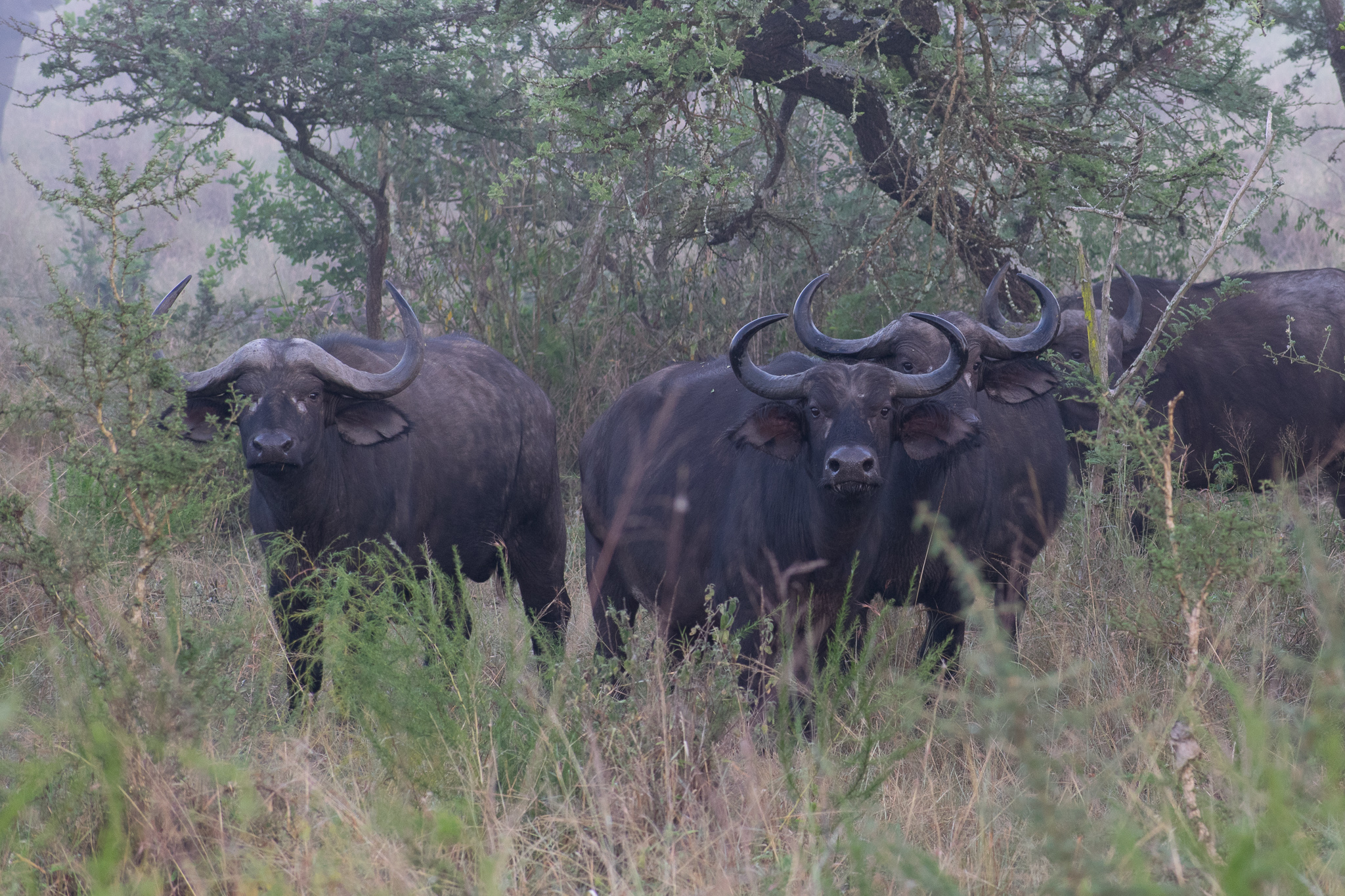
A herd of buffaloes
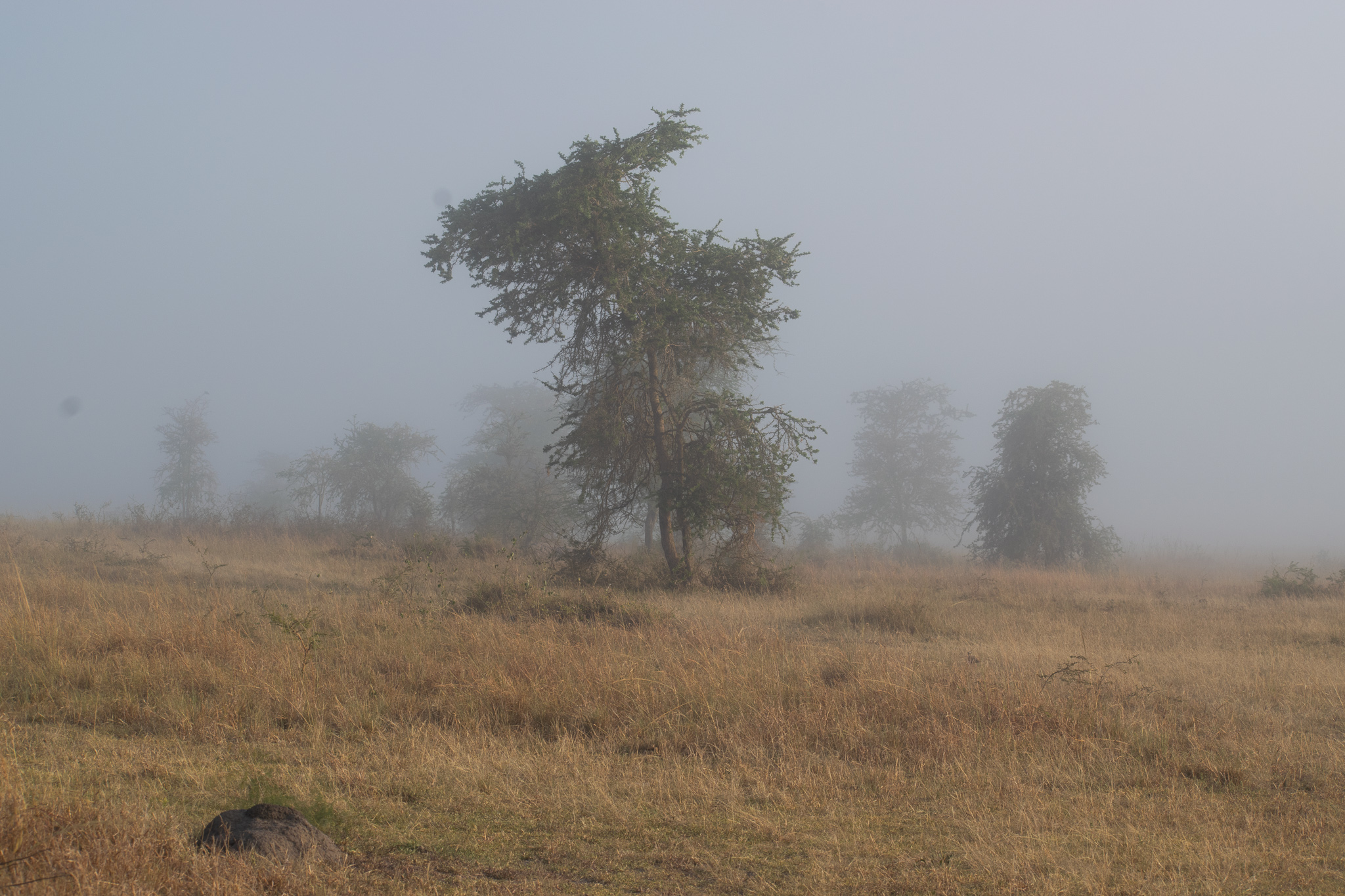
Early morning mists over the savannah
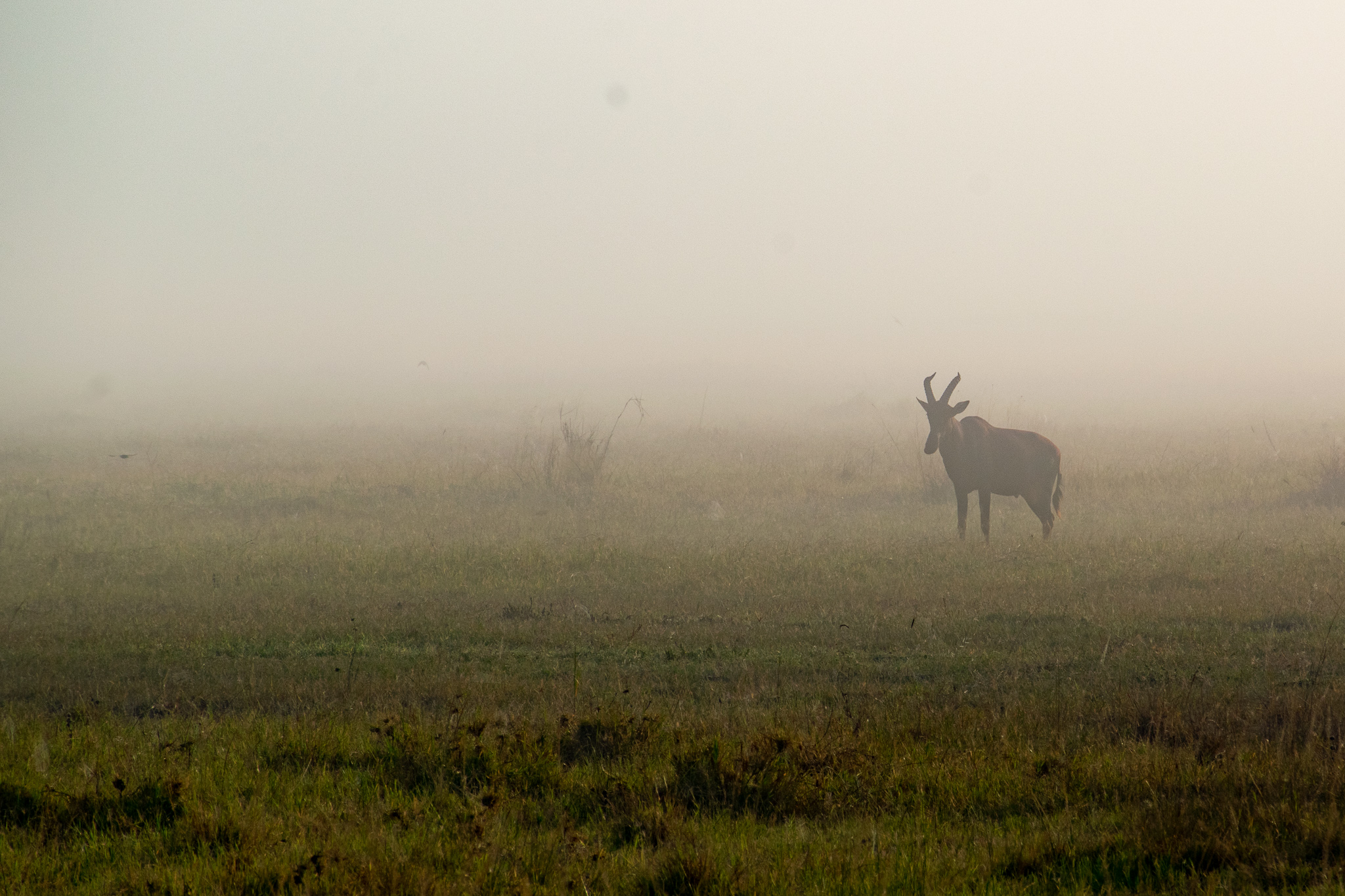
Topi in the mists
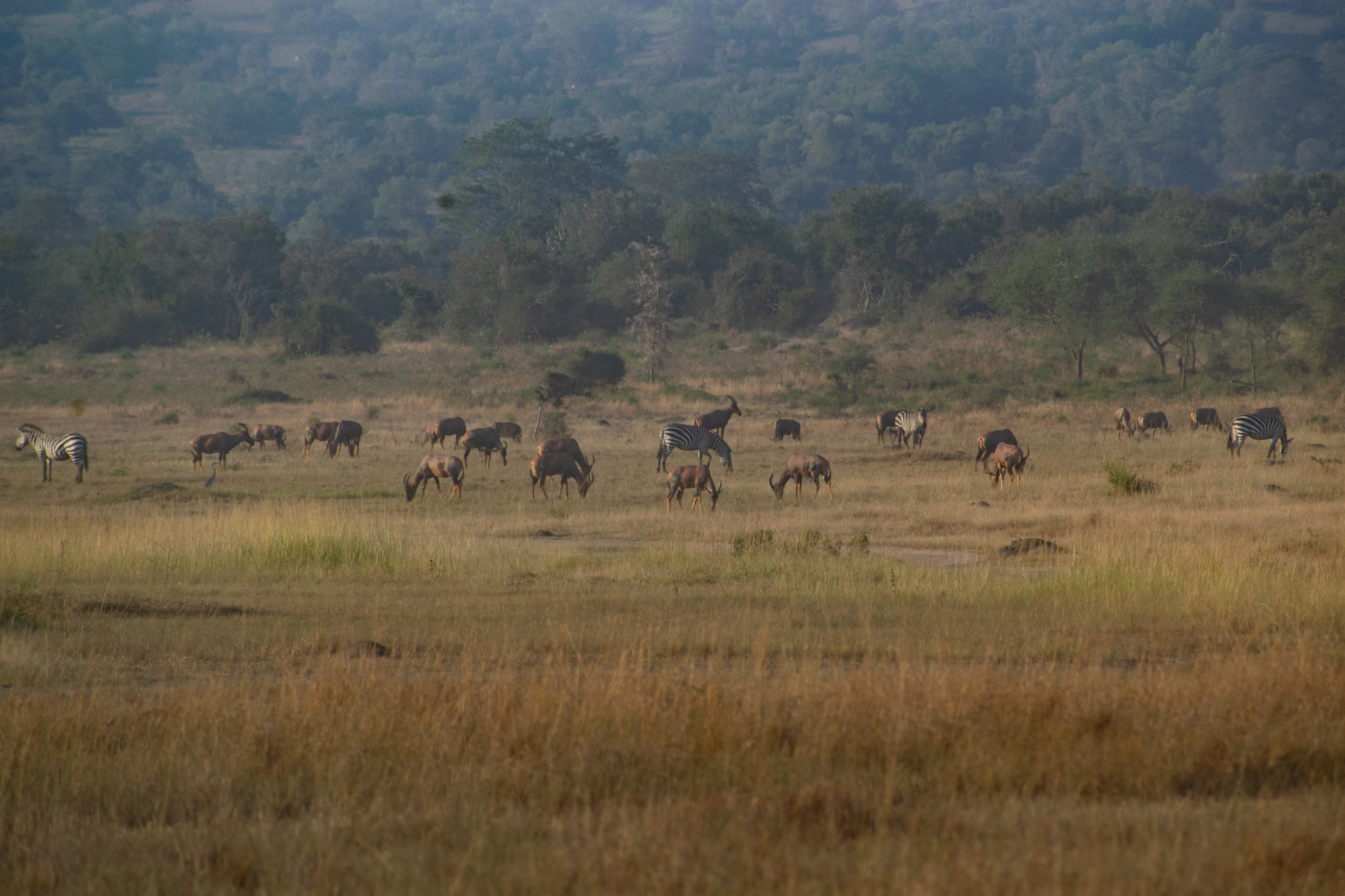
When the mist started rising up
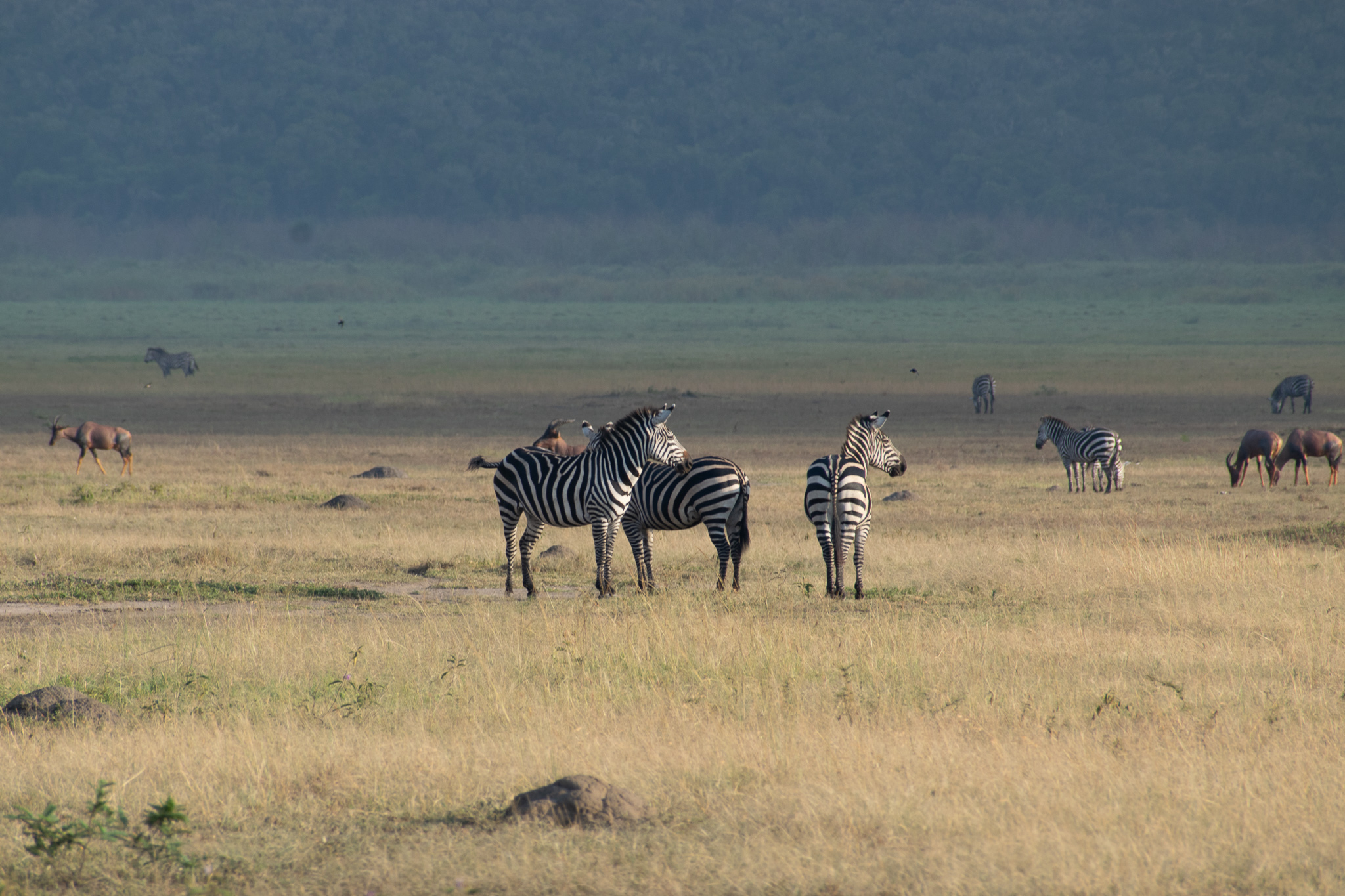
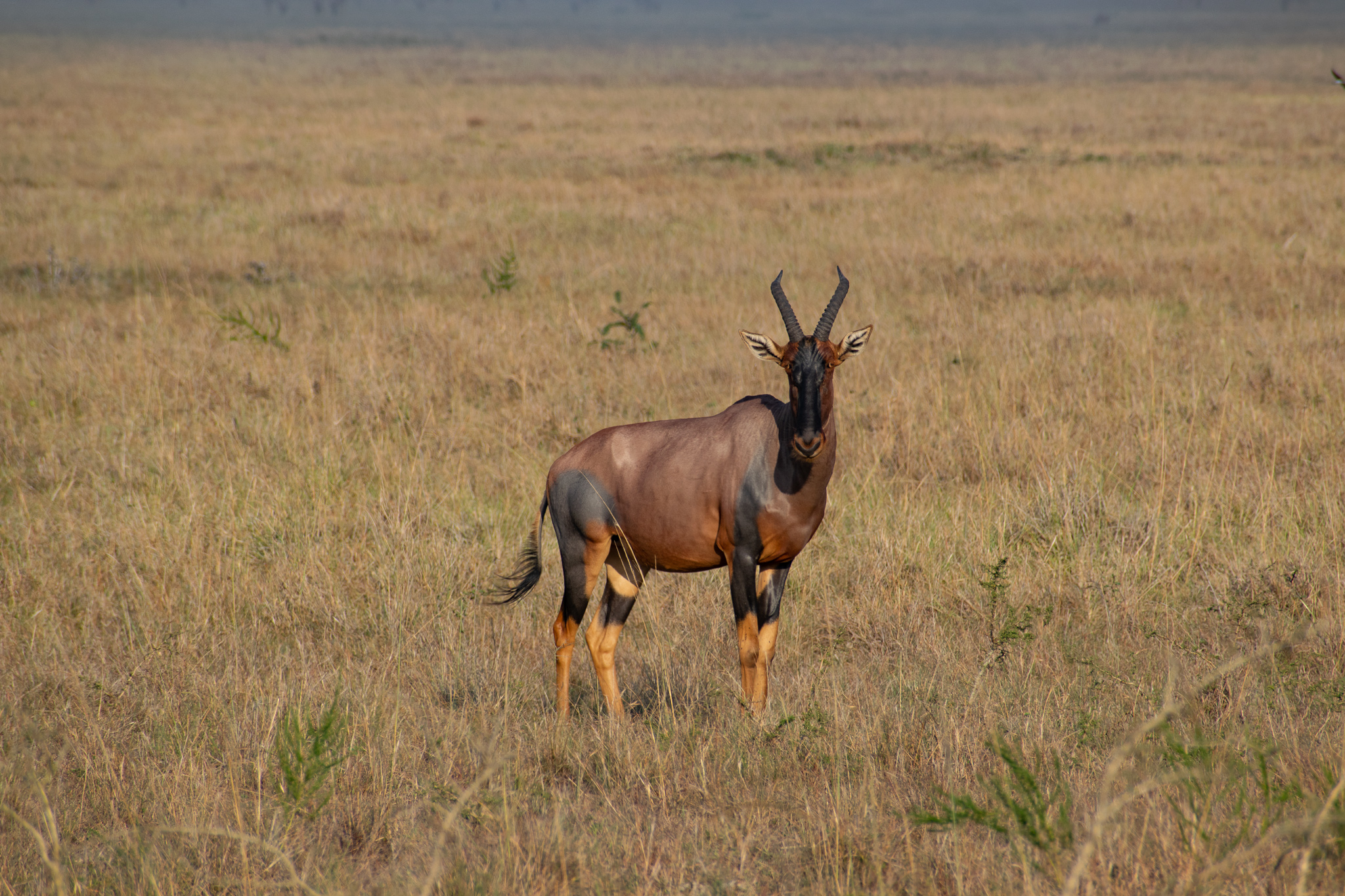
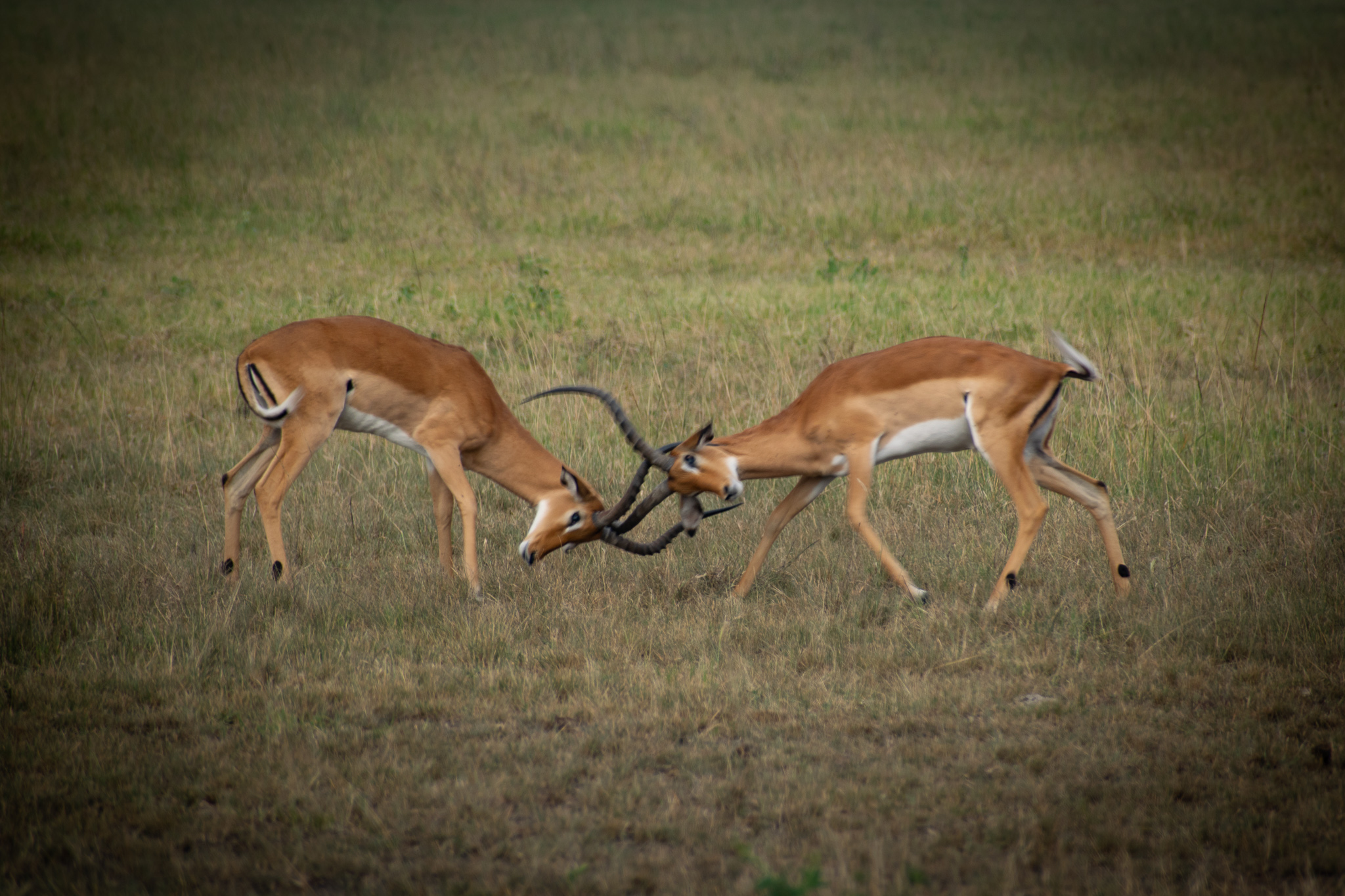
Impala fight
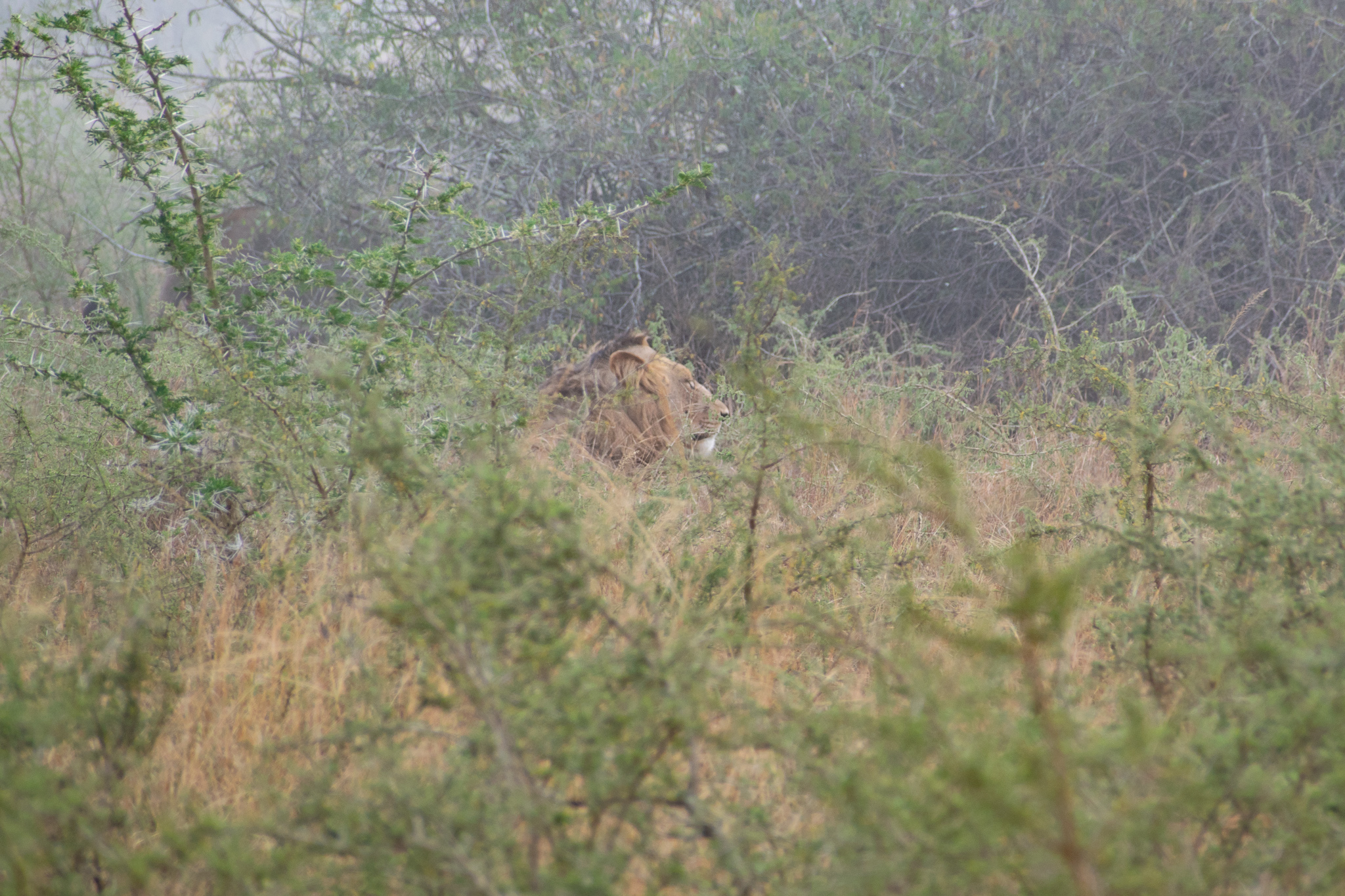
and finally Lion King himself (there were actually three of them in the bush)
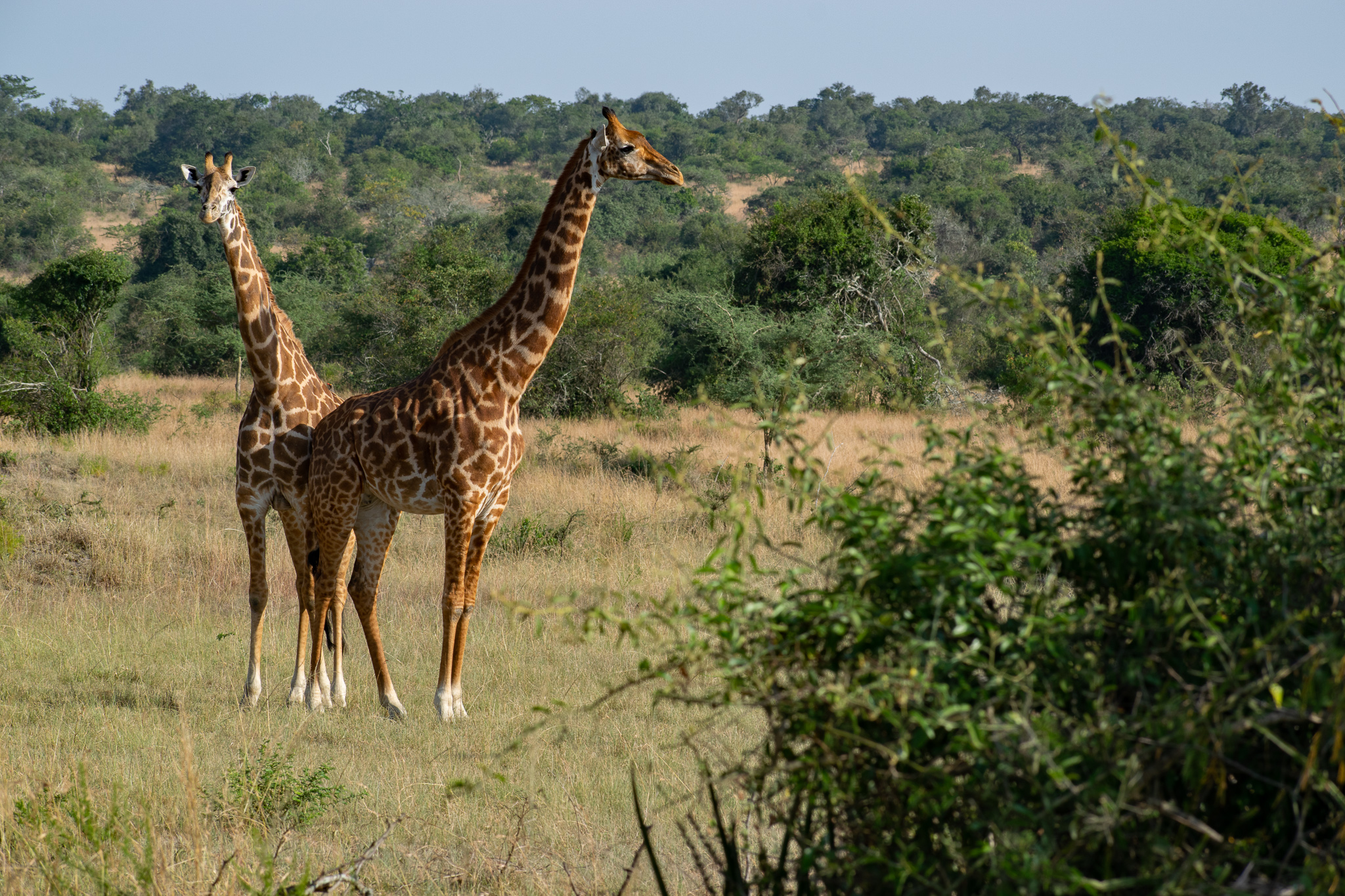
Well, we didn’t have luck with the Elephant again, neither did we encounter a rhino or a leopard, but hey, this is not a zoo!
We returned to the camp for a well-deserved breakfast, before we packed our stuff and headed to the park exit, and then on the newly paved road back to Kigali.
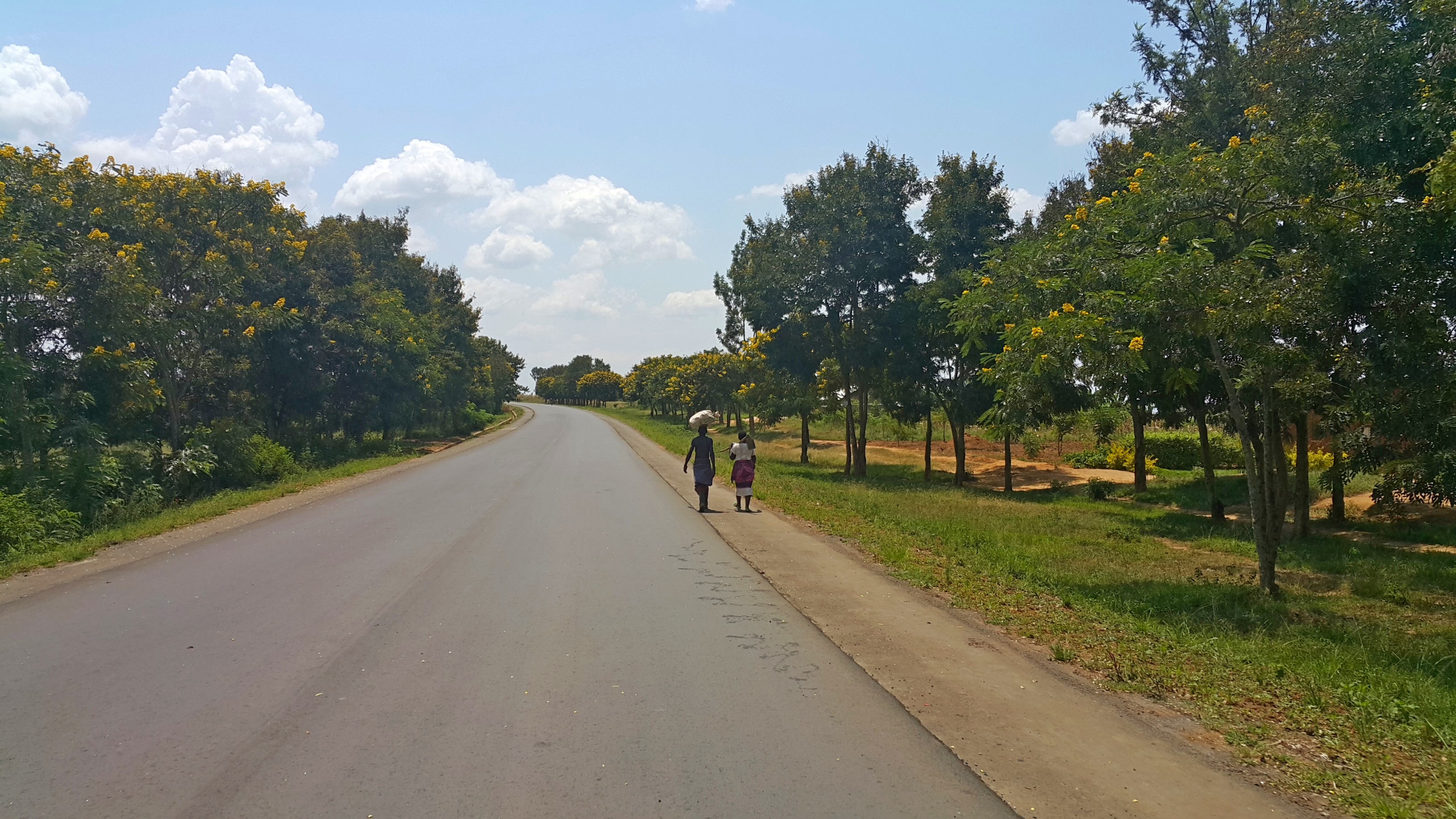
This is Rwanda. Aspiring, full of adventure and natural beauty. I will certainly miss it one day.
The End.