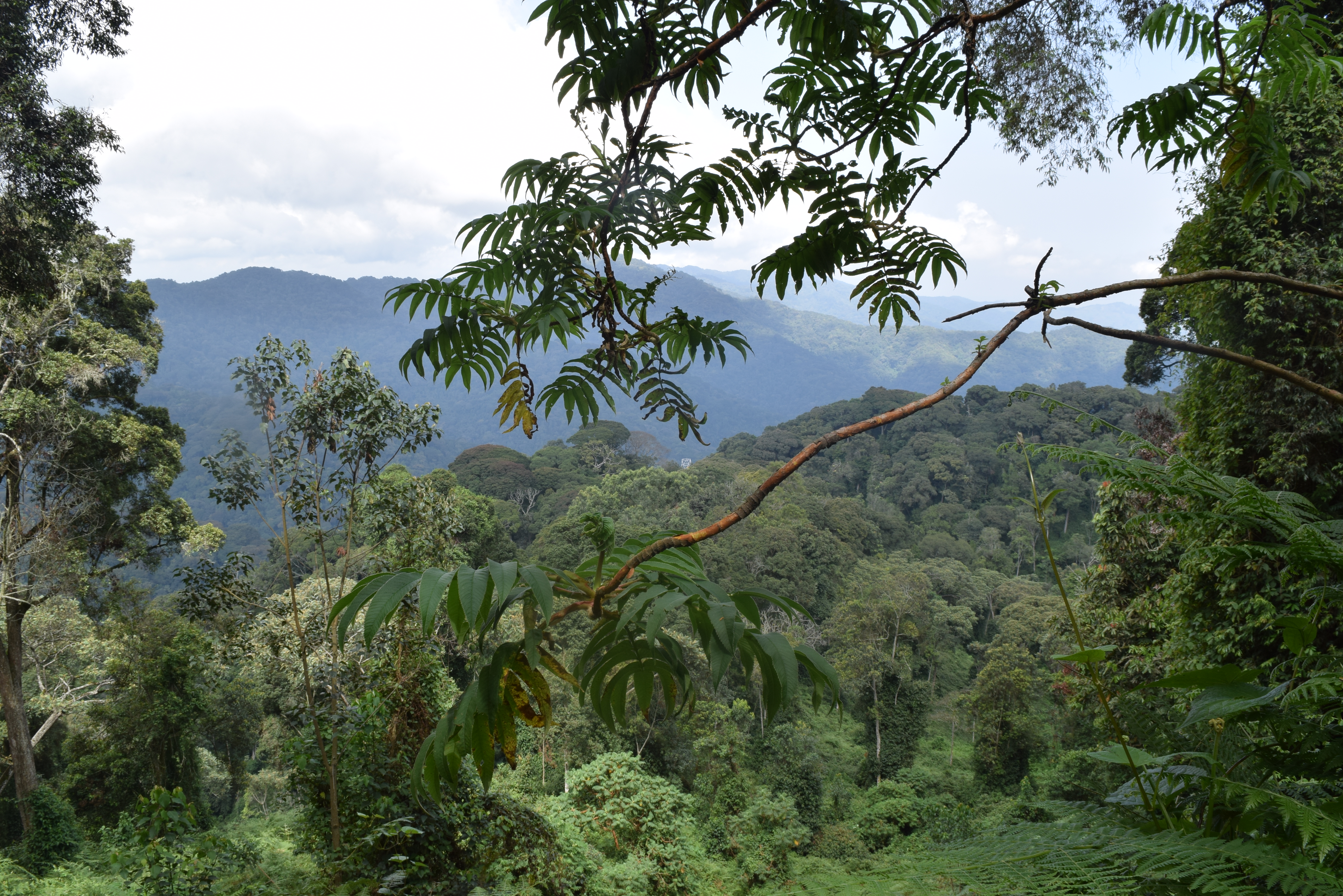
After having travelled in most parts of Rwanda including Akagera National Park to the East, Volcanoes National Park to the North and a few destinations along Lake Kivu in the Western Province, we took a long-weekend opportunity to visit the largest remaining mountain rainforest in East Africa – Nyungwe Forest southwest of Rwanda.
Leaving statistics aside, Nyungwe is simply gorgeous! Even just a sheer drive through the forest without any pre-arranged activities is a glorious experience that stays in your memory for life. One moment the road is winding through the typical for rural Rwanda landscape of tea plantations and terraced hills (there is almost no waste of land here!); the next you find yourself in a dense cluster of super high trees, not being able to see where they start and end.
Nyungwe rainforest
To keep facts to a minimum, I would just mention that Nyungwe is a real rainforest, receiving excessive precipitations, which makes it the most important water catchment in Rwanda, supplying water to 70% of the country. It is also one of the oldest forests in Africa, highly attractive with its rich biodiversity to botanists, bird lovers, primate explorers and keen hikers.
I know it is a whole separate topic that usually sparks heated disputes among state governors and industry experts but I cannot skip the fact that Nyungwe, as well as the other National Parks, are managed in accordance with Rwanda Development Board’s strategic goal of attracting high-cost low-volume tourism. In other words, value is more important than volume of tourists, which explains the expensive fees for guided activities and the lack of accommodation options at reasonable prices. Although there are some good arguments against such a decision, I can understand the reasons behind it. The most obvious one: Rwanda is a tiny and already overcrowded country so an excessive number of tourists may bring more revenues but it may also put at risk its rich biodiversity due to all the pollution inevitably related to the construction of roads, hotels etc.. And let’s face it – how many places like Nyungwe rainforest are left around the world?! I am not sure, if this is indeed the reason behind RDB’s goal, but if it is, I take my hat off to it.
Despite the proximity of Nyungwe to the country capital, we decided to take our time and enjoy a 3-nights round trip, staying at three different places overnight, indulging in the tranquility of this diving piece of earth.
On the first morning, we headed westward from Kigali, aiming at having a short break in the largest town en route, Muhanga, before finally reaching a small paradise at Lake Kivu – the Cormoran Lodge in Karongi (former Kibuye), where we were planning to have lunch. Well, the short break turned out not so short after a visit to a beautiful local craft shop and then a coffee/tea stop at one of the few hotels in Muhanga.
One of my previous posts (Diving into Rwandan’s rural life and culture) was dedicated on the great initiative of Azizi Life. But unlike my first experience here which was more exploratory and focused on understanding the life of local communities, this time we simply enjoyed shopping some of the awesome handicraft creations.
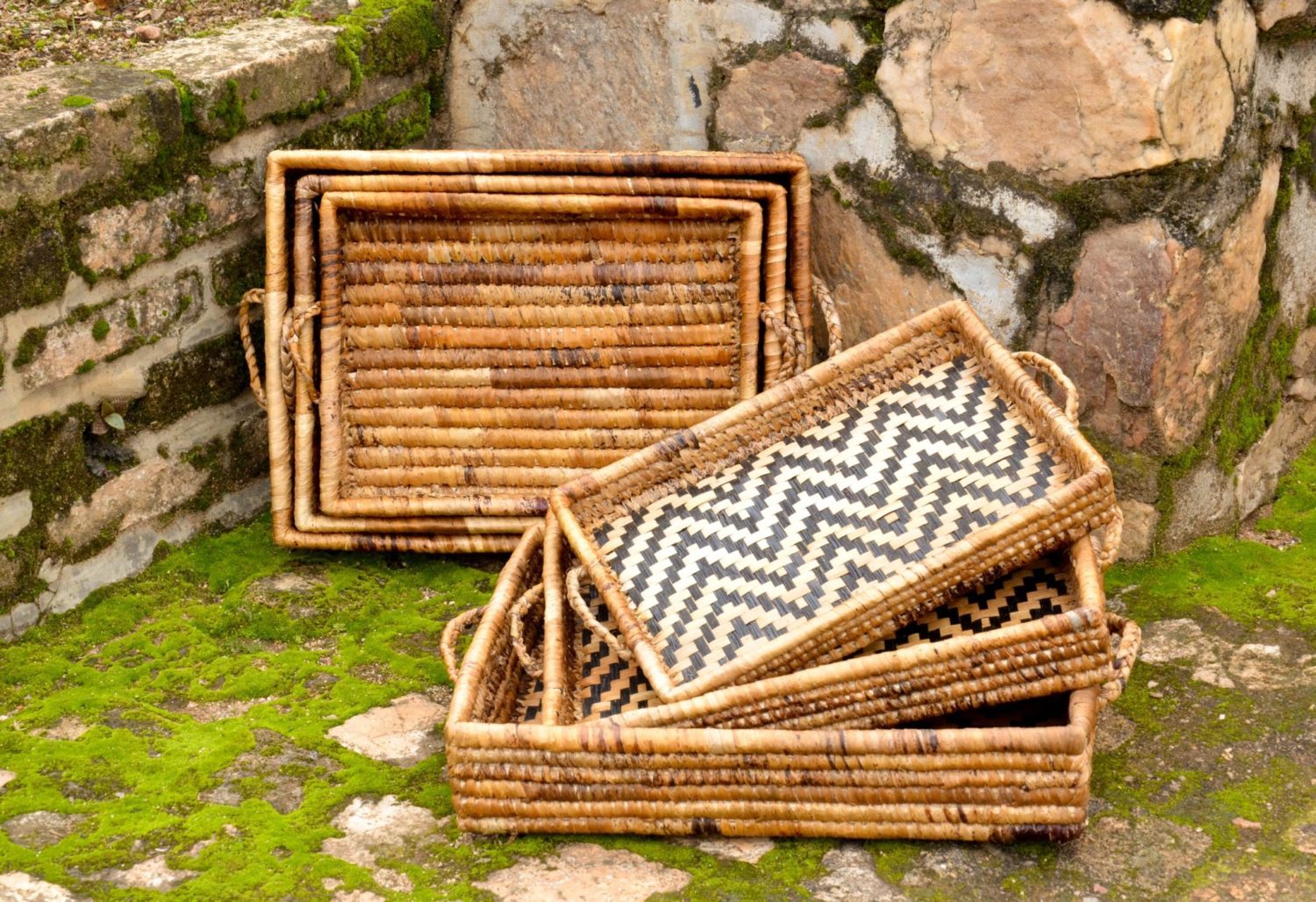
Hand-made Banana Leaf Trays (photo credit to Azizi Life)
At the end, the super strong and tasty kick energy African Tea with honey and (lots of!) fresh ginger opened up all my respiratory system. In 5 min, it dealt better than any medicine with my running nose, sore throat and dull headache I’ve been struggling the day before the trip. I could almost see the chilly ginger air coming out through all my openings 🙂
When I first visited the Cormoran Lodge in Karongi about 8 months ago, I didn’t appreciate it so much. It was after a 2-day biking tour along the Congo-Nile-Trail and could hardly say my name at arrival. But the place deserves proper appreciation. Located on a steep hill looking down to the shore of Lake Kivu, the lodge has several wooden cabins, each with a spectacular view over the lake.
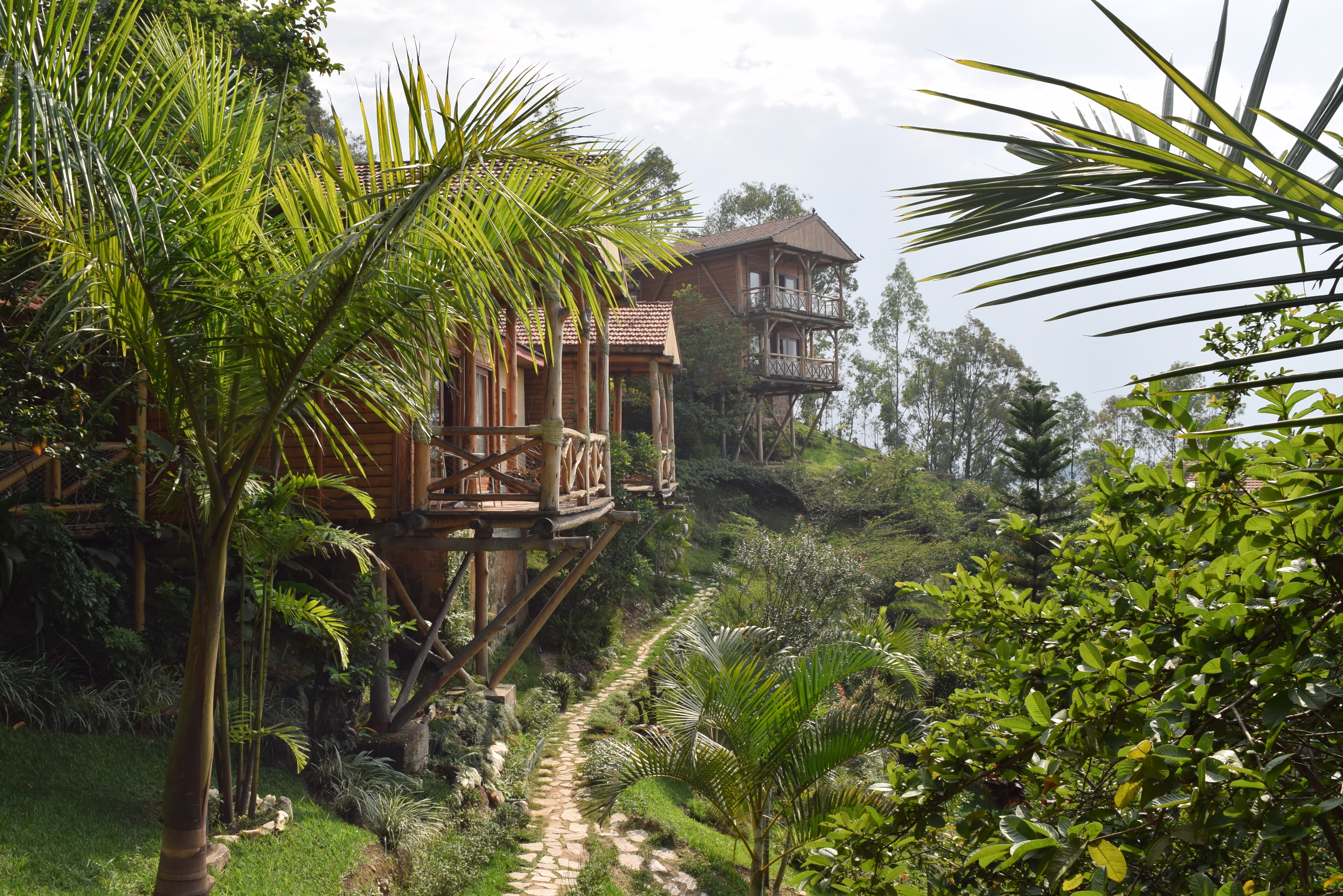
Cormoran Lodge Cottages
The central area houses a restaurant, also offering a breathtaking view… While waiting for our food to come (long waiting times are usual in Rwanda), we walked down the slope to a small man-made beach and a playground, for the kids to waste some of the energy before getting back in the cars.
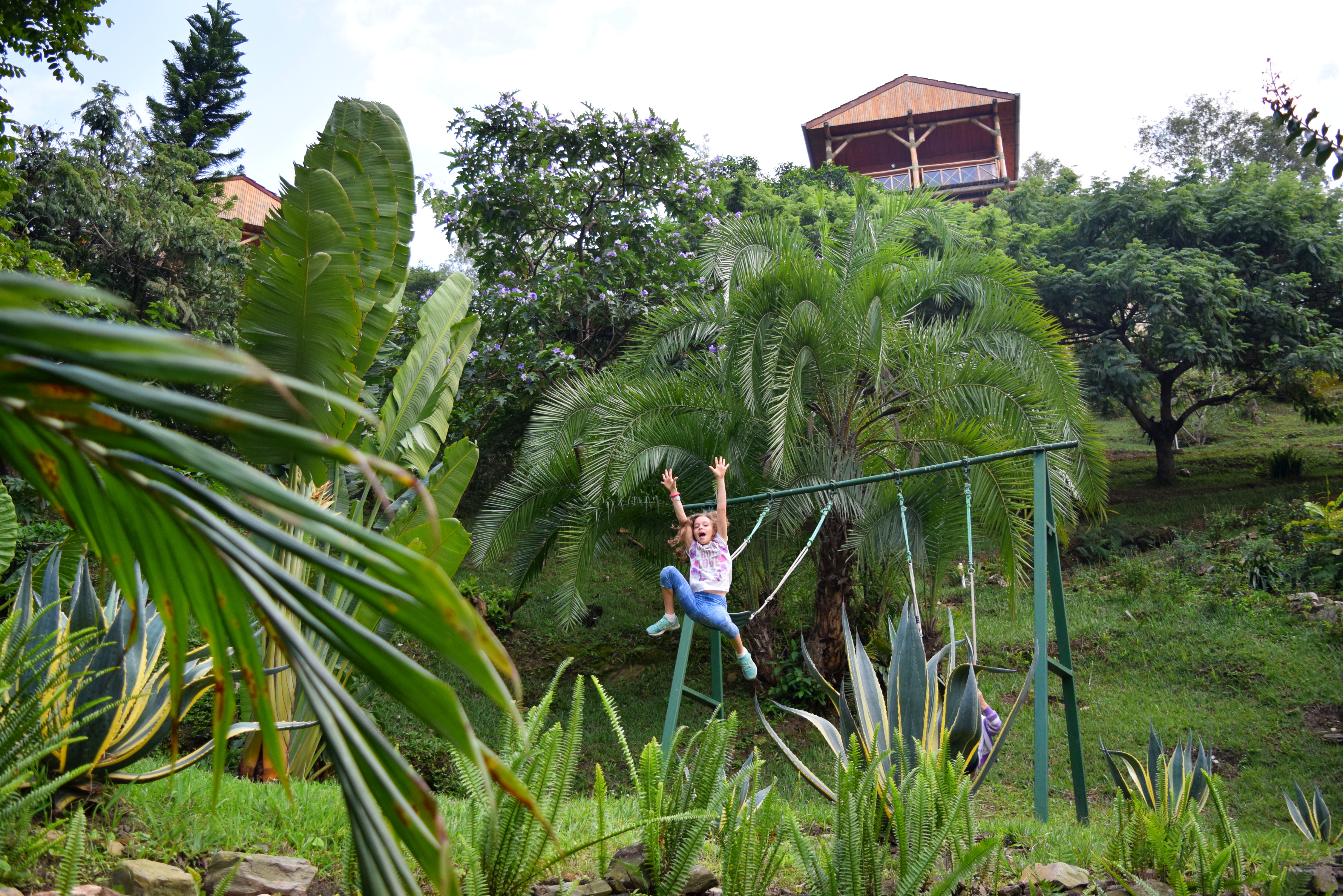
The place is excellent for a long weekend for people looking to escape from the hectic Kigali city, especially for kayaking, waterskiing and biking lovers.
It was almost 4 o’clock in the afternoon and we still had more than an hour to reach our first overnight place. So we hurried up as we didn’t want to drive after the sun was down.
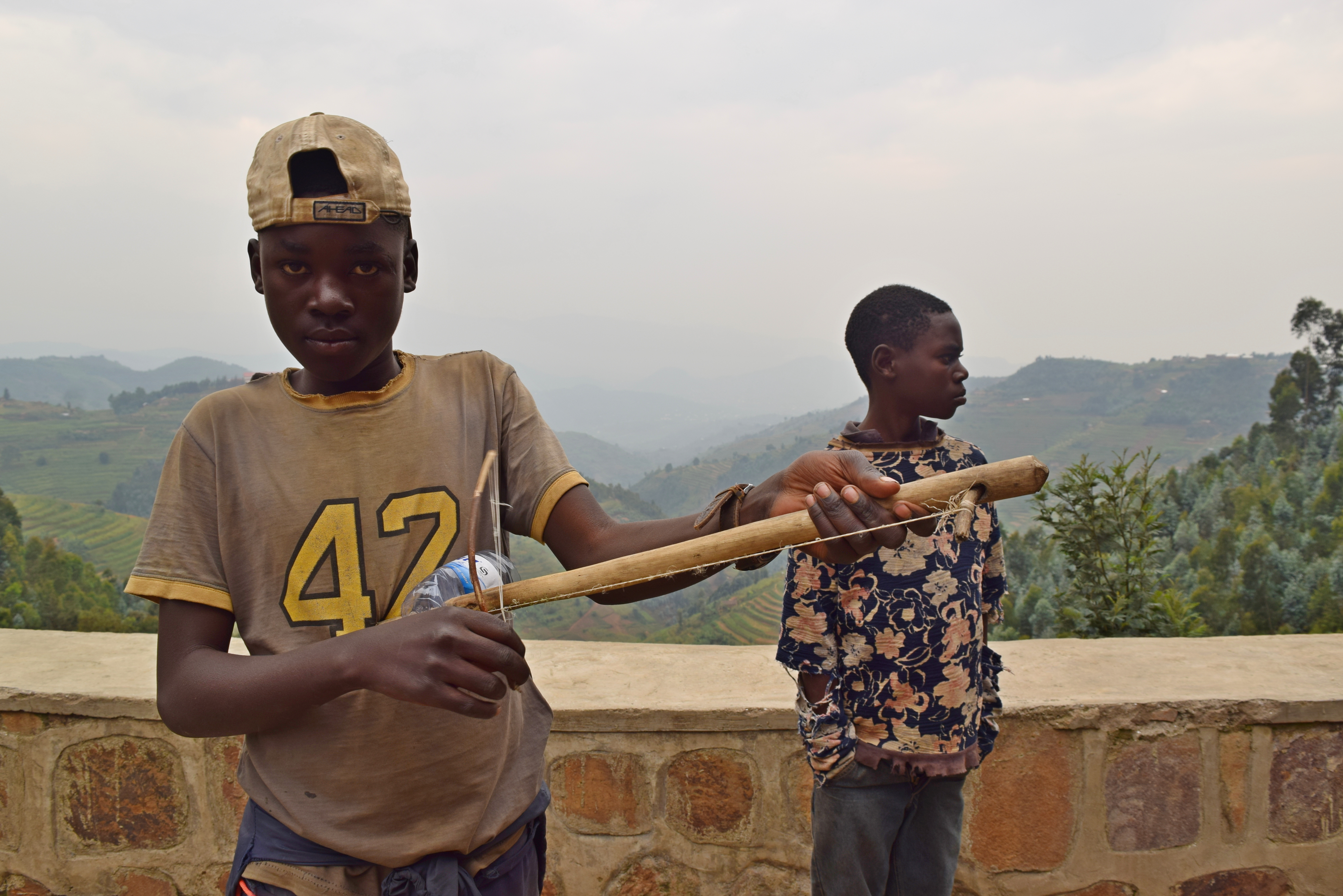
Rwandan boy playing on improvised violin on the driveway to Karongi
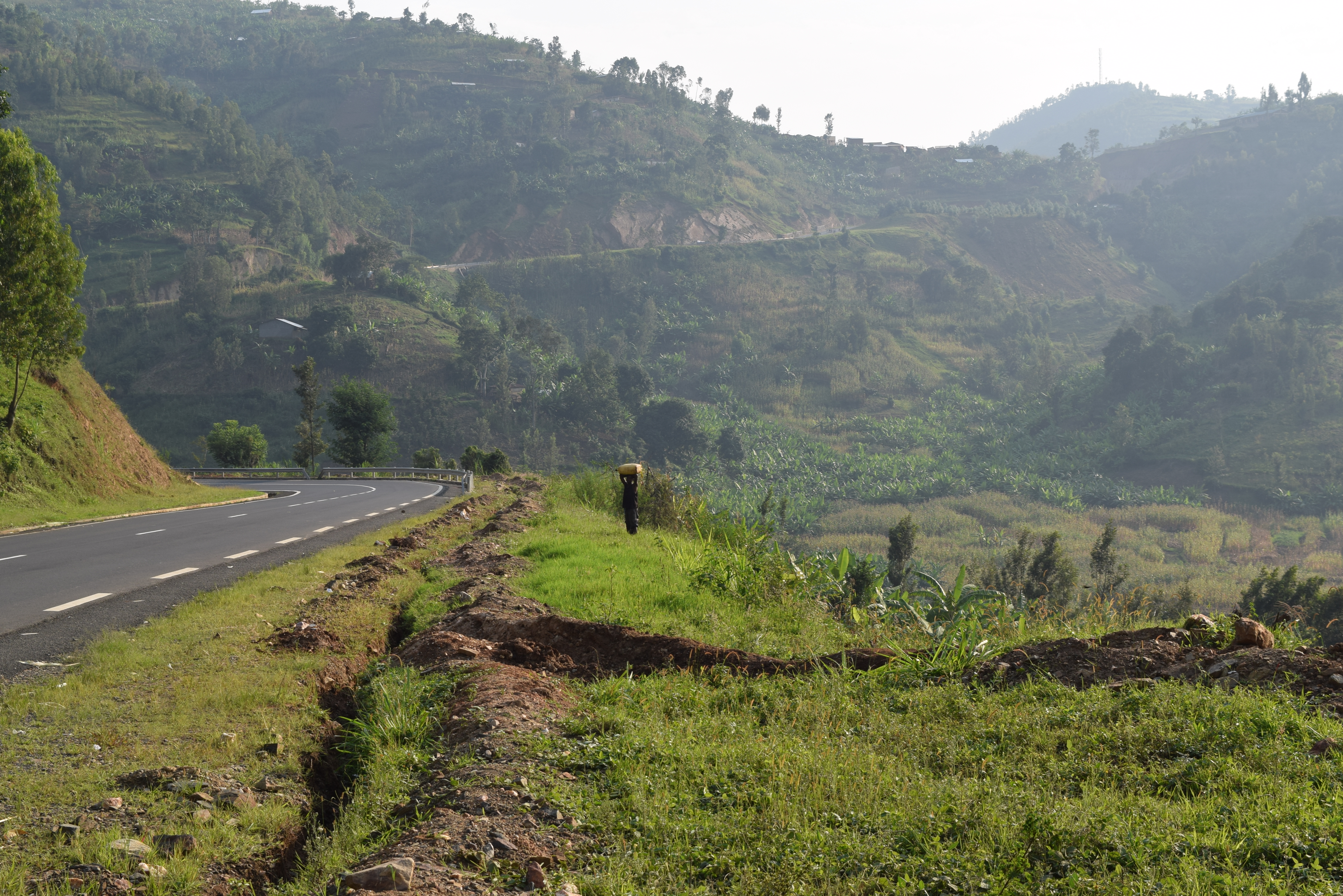
Winding roads along Kivu Lake
After driving for almost an hour on a perfectly smooth asphalt road (God bless the Chinese investors! 🙂 winding up and down through terraced green hills, it was easy to miss the small signpost turn-off to Gisovu Tea Estate – our first overnight destination. Fortunately, mobile Internet and Google Maps worked quite well so we were soon on the right track. For the next 1,5 hours it was everything but a smooth drive. Google Maps said 46 min but even a 4×4 car wouldn’t be able to make it in such a short time. It was a never-ending jostling and bouncing up a rocky bumpy road giving us the best “African massage” ever. We literally counted the last 10 minutes, and then we found ourselves in the paradise of Gisovu Tea Plantation. Just before the sun started going down!
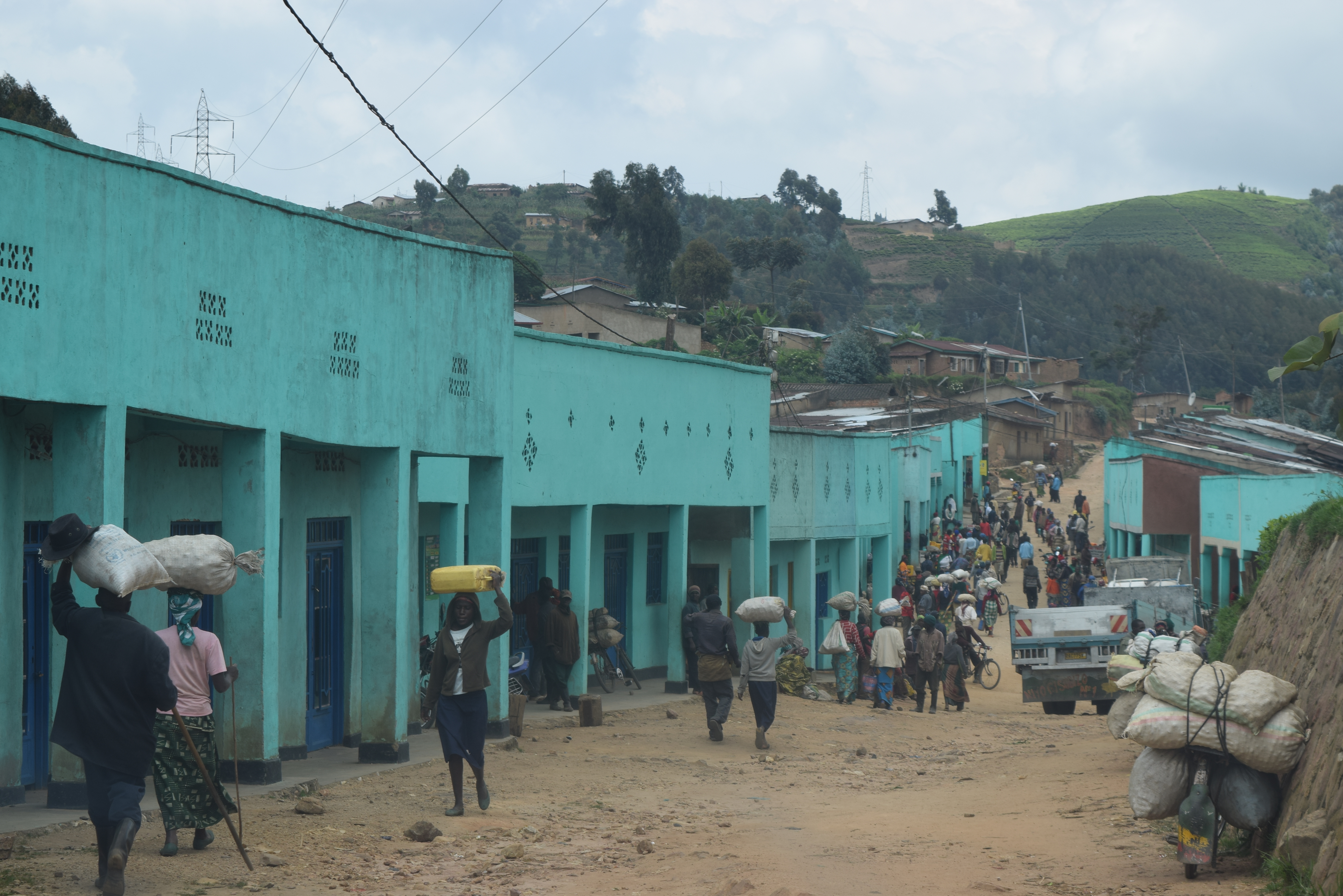
The main street in a typical Rwandan village. Just a few hundred meters before Gisovu Tea Estate
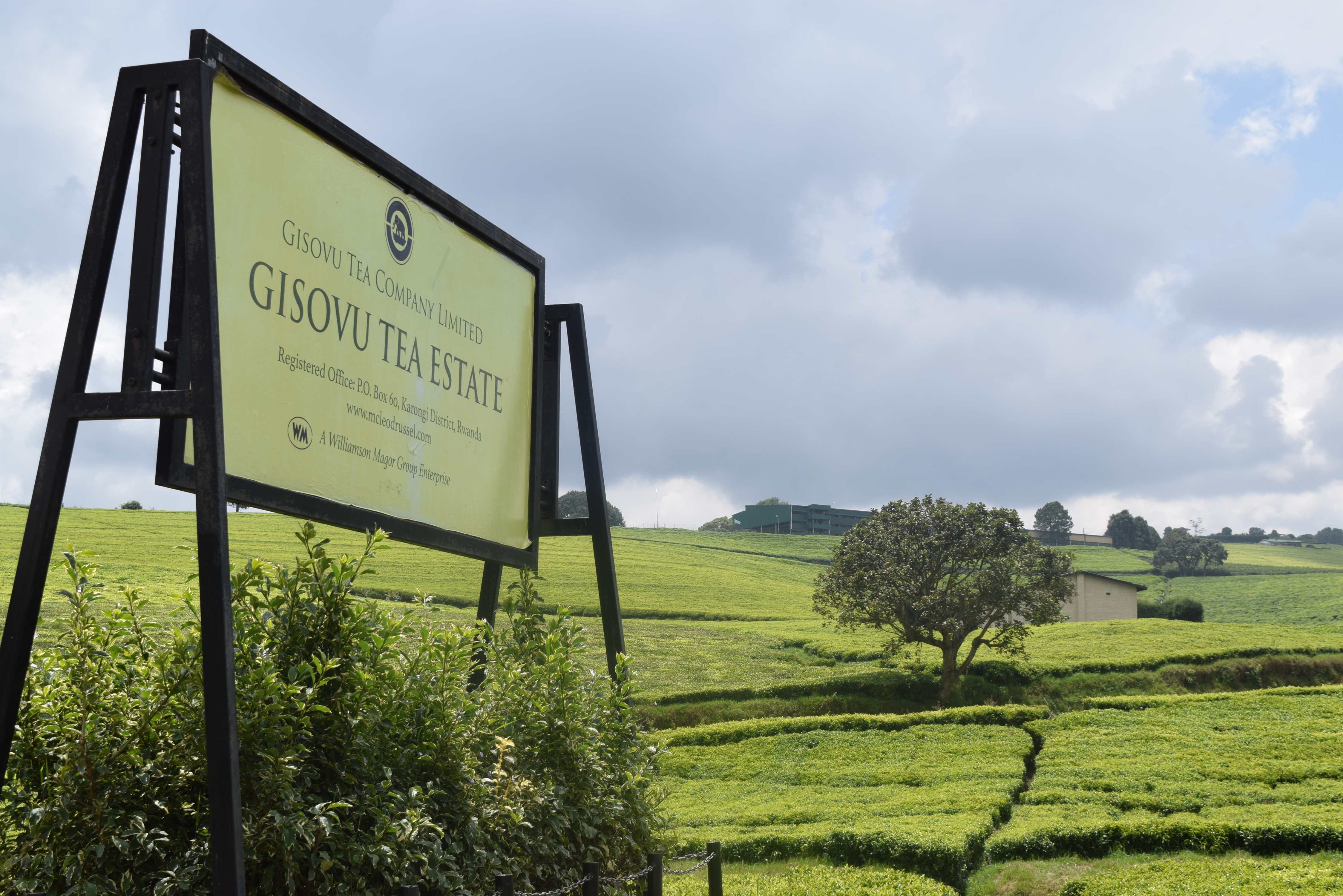
Finally at Gisovu Tea Estate
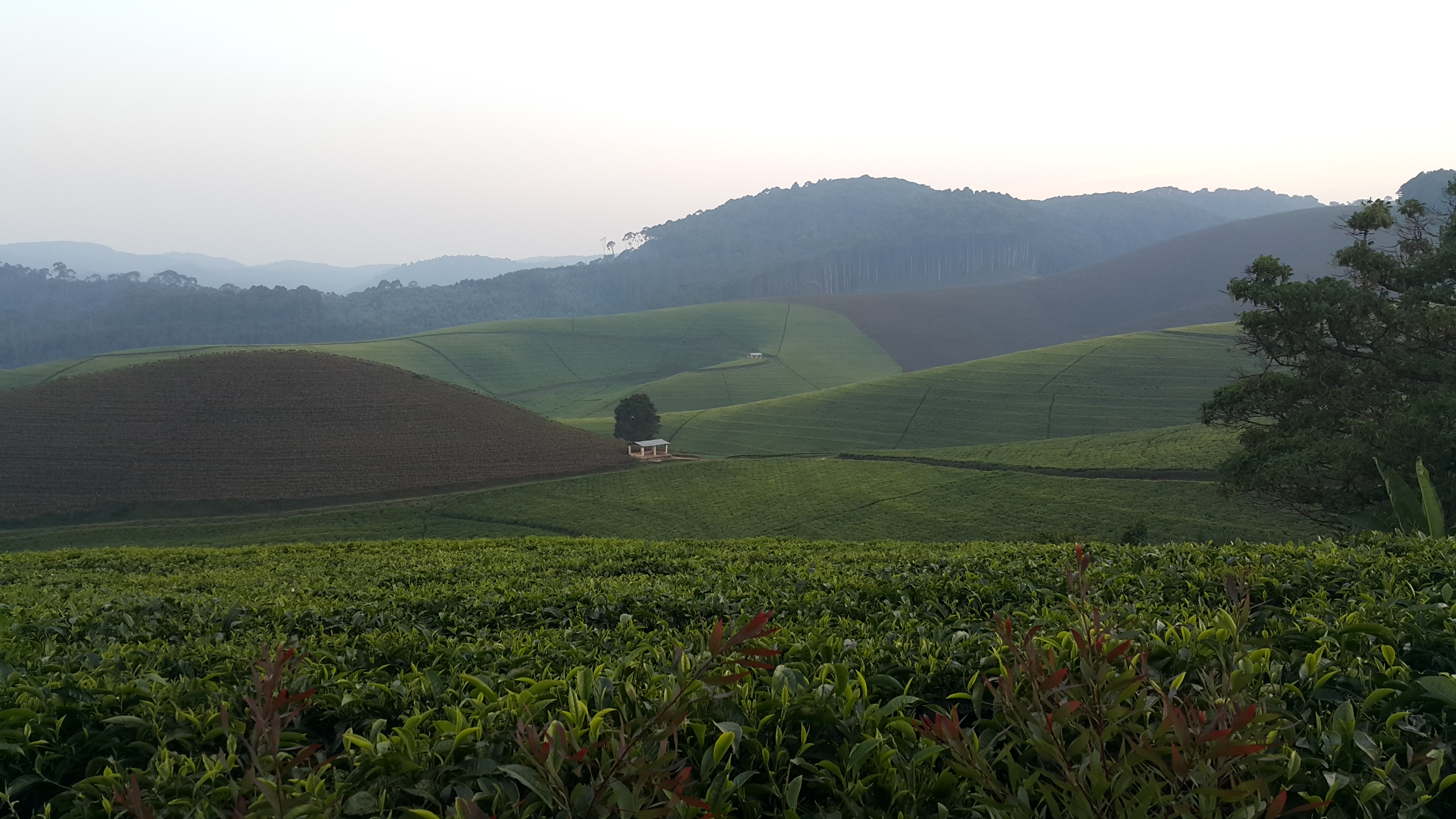
Just on time before sunset
Located at an altitude of almost 2300 m, Gisovu Tea Estate is just at the edge of Nyungwe Forest and less than an hour walking distance from the furthest source of River Nile, which was the main reason for choosing this place for our first overnight.
It came out that Gisovu Tea Estate, managed by experienced specialists from India, is part of the Mcleod Russel Group, the largest tea producer in the world, with 100% of its production being exported mostly to UK and some African and Asian countries. It’s more than likely that you and I have sipped Rwandan tea packaged by Twinings or other famous English brands on multiple occasions in our homes without being aware of the tea origin. We were warmly welcomed with a cup of tea (what else?! 🙂 ) and after some initial confusion about our pre-booked accommodation, we finally settled in and focused on the magnificent views all around the guesthouse.
To mark the end of the long day and warm up in the chilly night, we opened up a bottle of red wine and enjoyed the magnificent view of the surrounding tea hills illuminated by the super blue moon. I should start thinking of getting a more professional camera to be able to capture moments like this one.
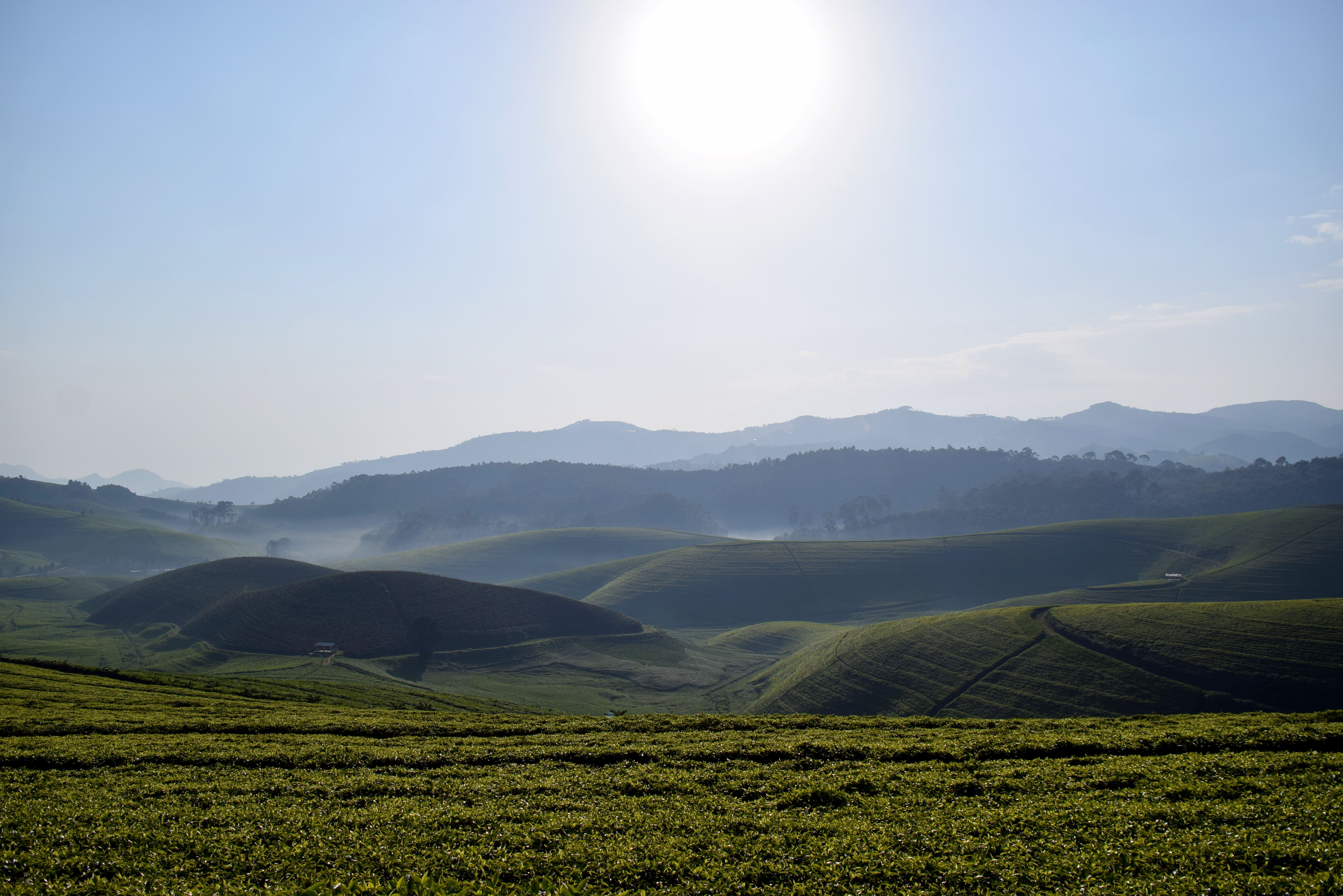
As it always happens with me on trips in the nature, I woke up very early, completely refreshed and ready for the day ahead. I quickly dressed and went out for a short walk around the house. Oh, it was a delightful picture! The sun was up and shining on the lush, rolling tea hills.
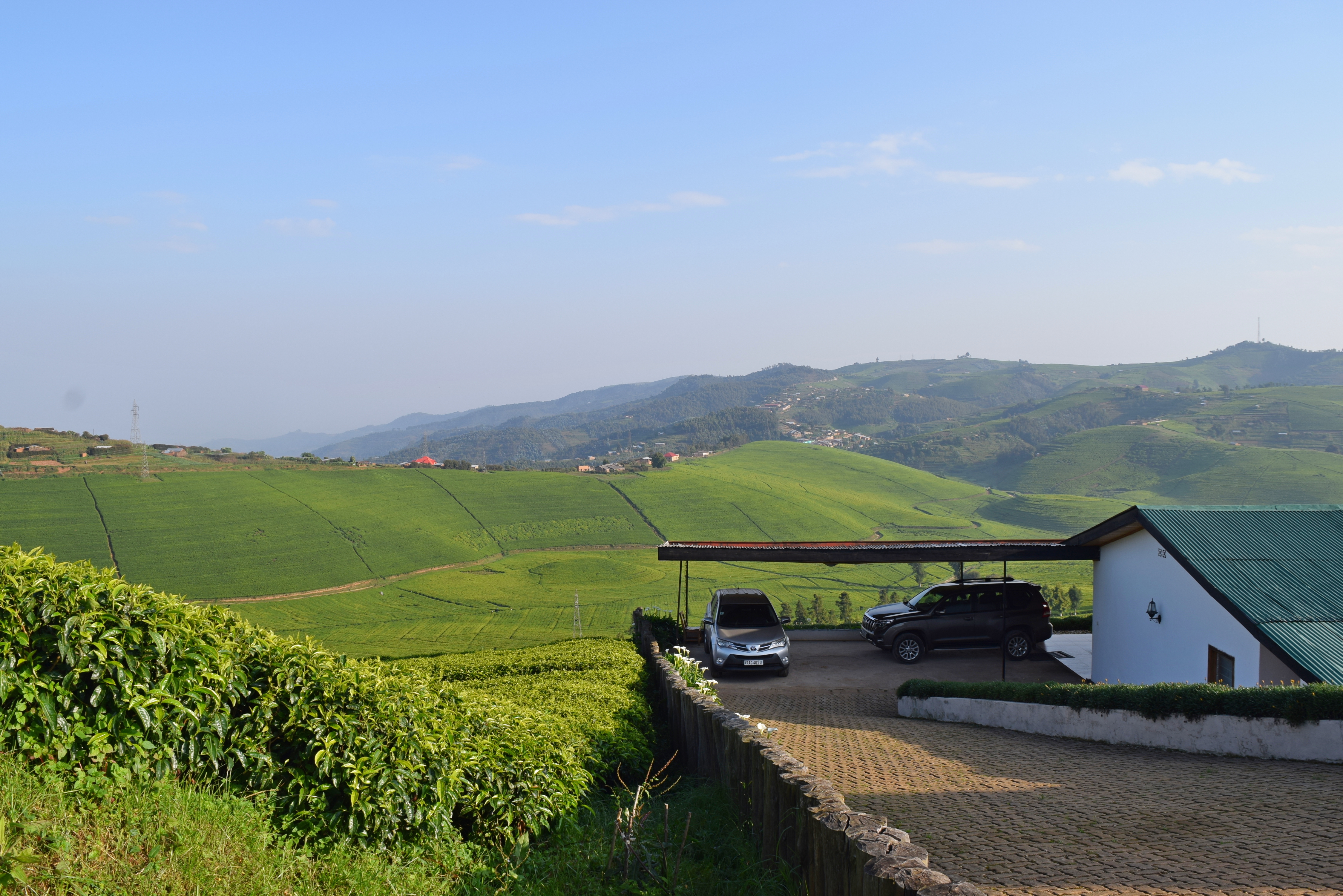
Morning Sunshine at Gisovu Guesthouse
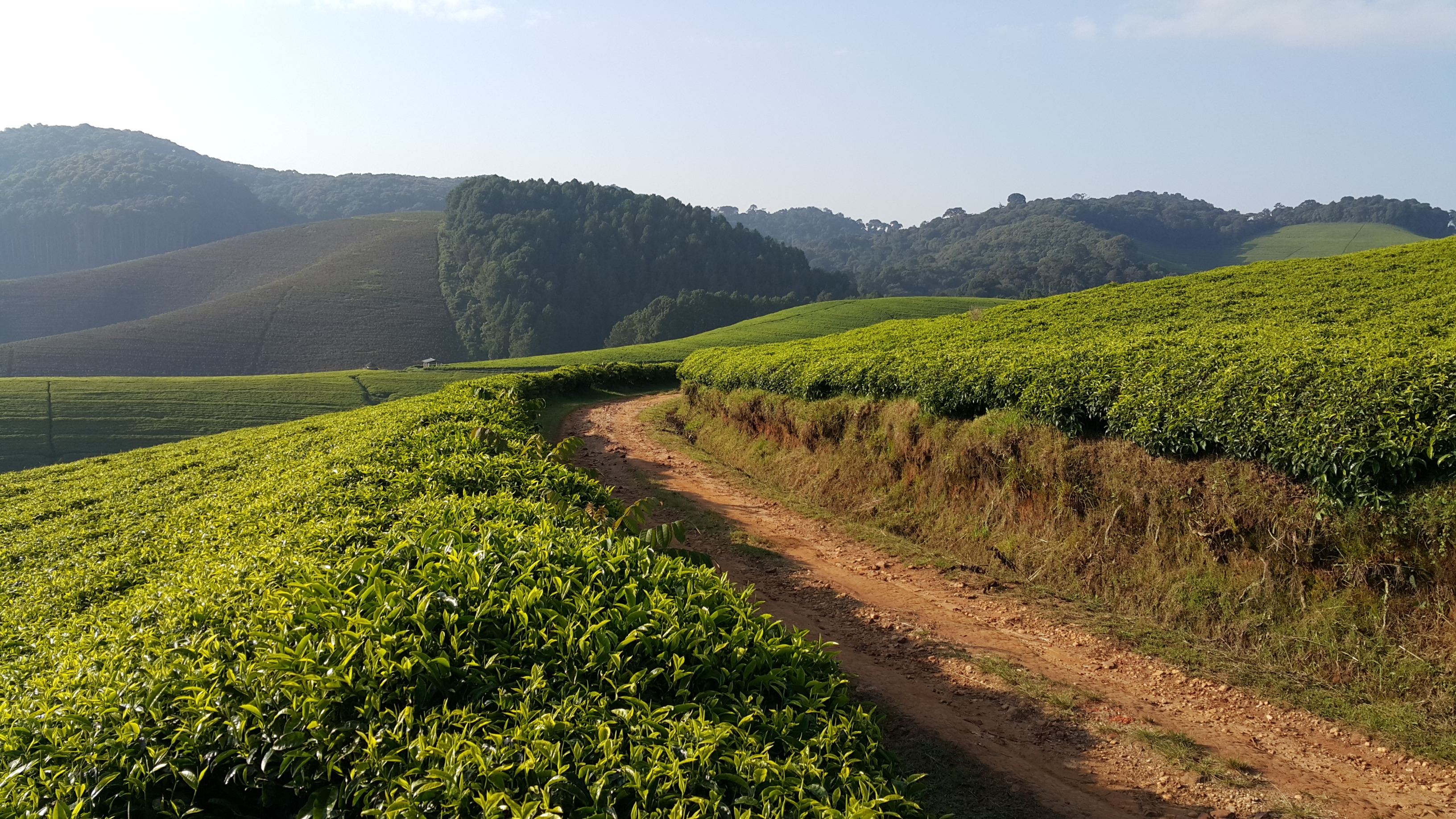
As far as I could see, there was nothing else than bright green hills and local farmers working among the tea bushes. Many of them have walked a long way from home for yet another long day at the plantation, for the outcome of their work to appear in a steaming cup at someone’s breakfast or work table somewhere around the world…
As much as I like tea, black tea is not my favorite. Only if you could see the face of the staff member who served our breakfast, when I asked him for some coffee. How could I pose such an inconsiderate question! “No, we don’t have coffee. We have tea!” 🙂
We had arranged for someone from the park tourist center to pick us up from the guesthouse and take us on a relatively trekking to the Source of River Nile. However, due to the lack of network coverage in the area of the ranger’s post, the arrangement didn’t quite work out. So, we had to get on our car and meet that person somewhere in the forest.
We got a bit concerned about the road condition (if there was any road at all) from the guesthouse to the meeting point (“somewhere in the forest”) but the house manager assured us that everything would be OK, if we just drive very slowly. Hm, somehow his words made me even more nervous and it was for a reason. As soon as left the driveway from the guesthouse and turned left to the forest, the road changed from a dirt, relatively wide and bumpy road to a very narrow, rocky and extremely bumpy road.
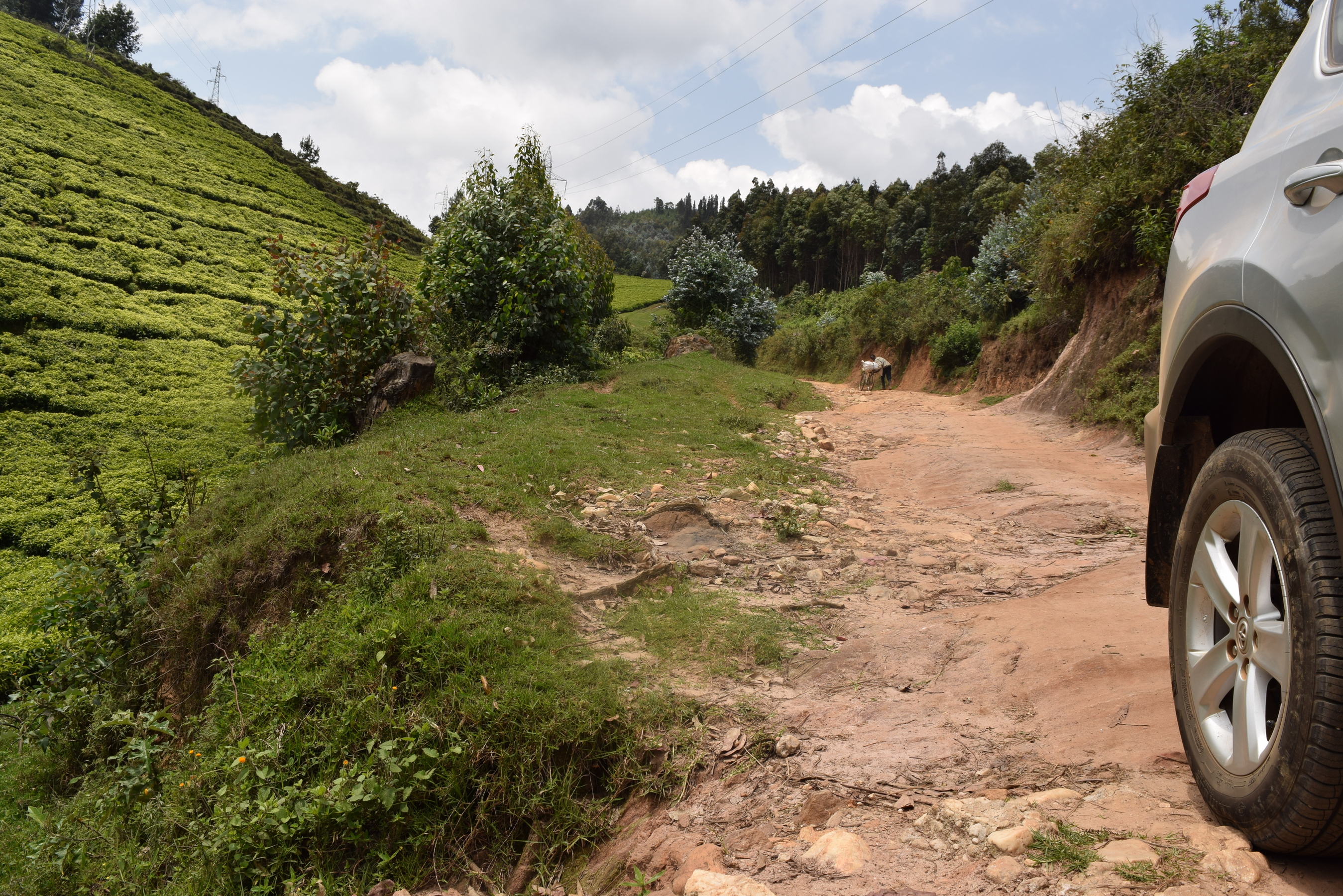
Besides our car, only bikes and motorbikes could be see on this road
After a few times of getting out and in of the car to guide Peter through the bumps we reached the point of “no way further up”.
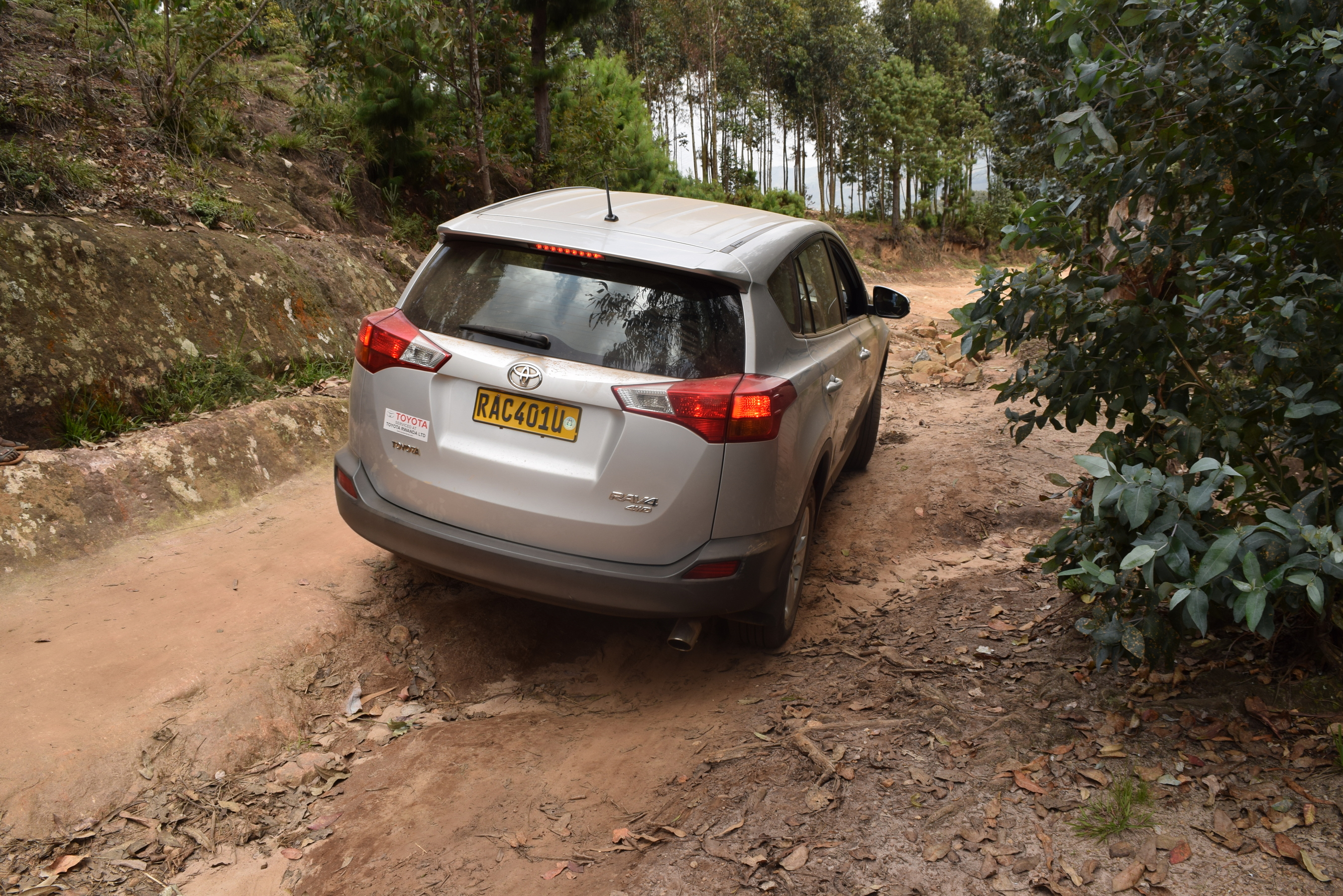
Here we got to find a solution to two challenges: can we leave the car in the middle of this mountain road unattended, and how do we turn the car back to go back after the hiking.
The first one was solved in no time. It took just one call (made by the park guide, not us) and a few local boys appeared from nowhere, ready to guard the car while we were on our trek to the Source of River Nile. One of them was holding a machete in his hands, as if to prove his capability to protect the car in case of force-majors. You may smile here but the proximity of a mountain stranger in a woolen hat and machete in his hands was a bit frightening for me in that moment.
The solution to the second challenge turned out more difficult but Peter’s off-road experience in other parts of Rwanda was very handy and quickly dispelled some not very positive images in my head 🙂
We could finally leave the car and enjoy our trek to the Source of River Nile.
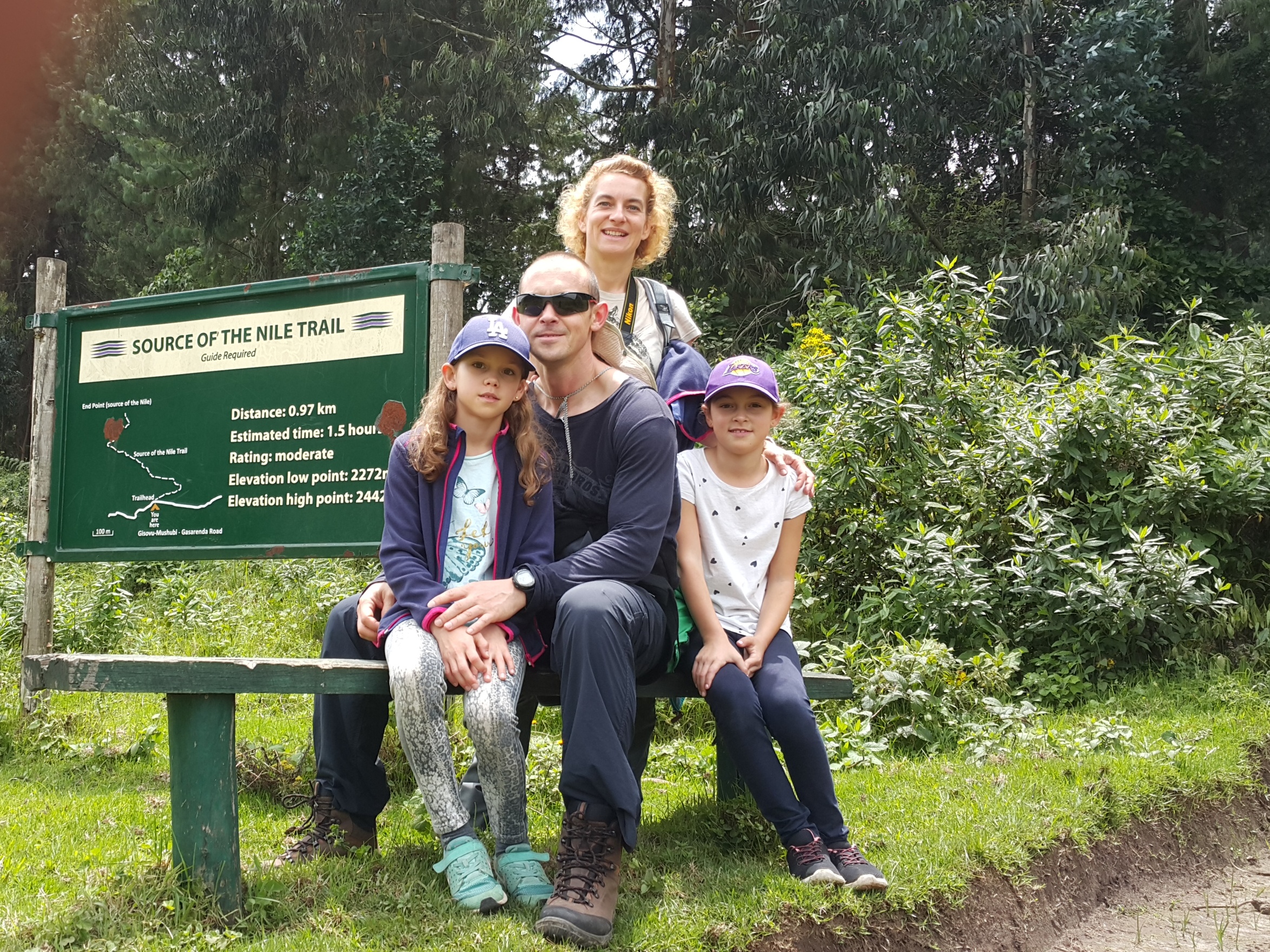
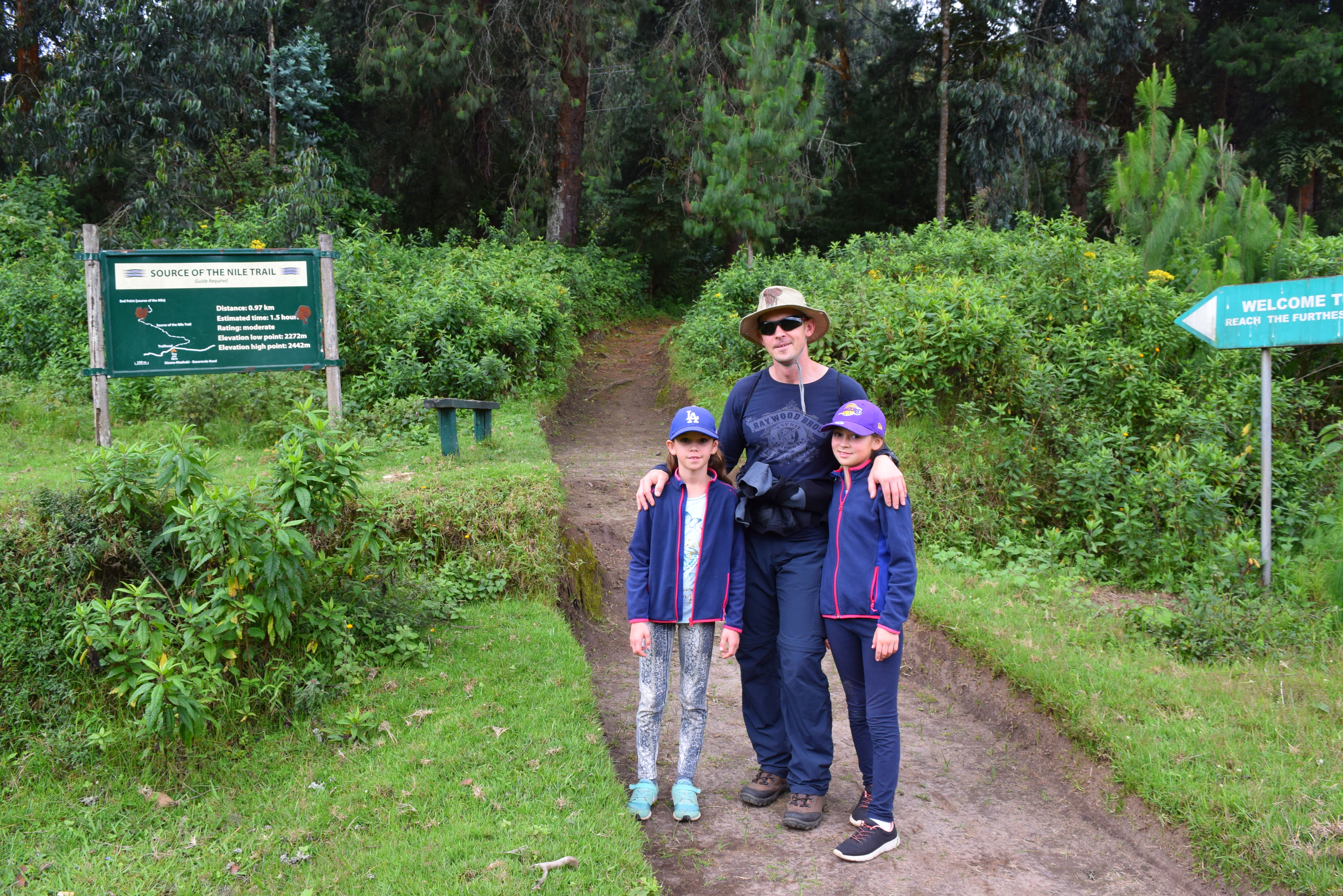
I know the name “Source of River Nile” sounds very adventurous but as you may already sense from my words, the actual source is quite modest. Nevertheless, for the sake of being geographically correct, I need to make a couple clarifications.
Most importantly, Nile has multiple (officially recognized) sources, not just one. In geographical terms, the river has two major tributaries – the White and the Blue Nile. The Blue Nile begins in Ethiopia, while the White Nile is longer and rises in the Great Lakes region of central Africa, with the most distant source being the one that we visited. It was discovered only in 2006 by the so called “Ascend the Nile” expedition group whose journey took them through five countries – Egypt, Sudan, Uganda, Tanzania and Rwanda.
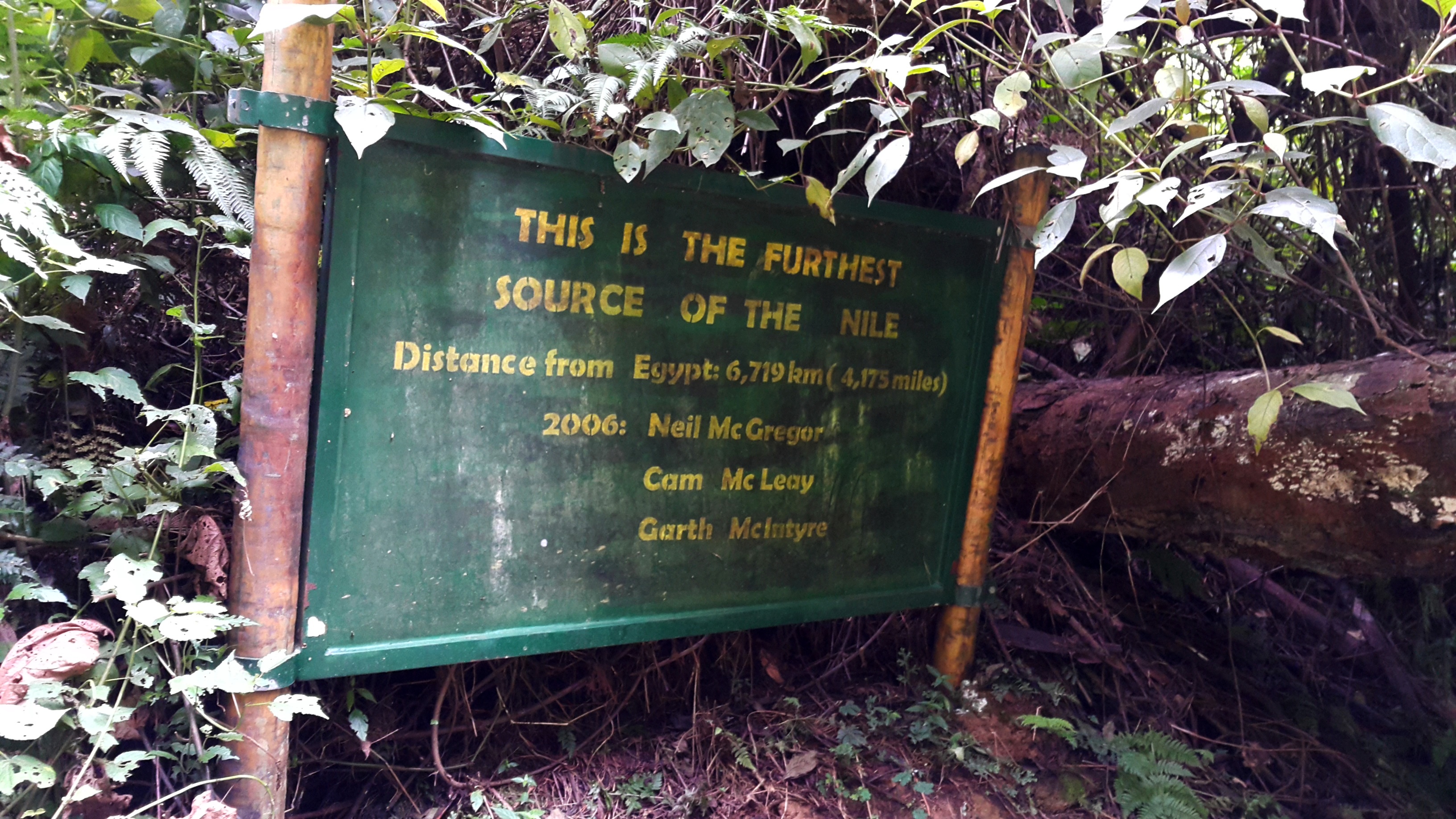
The source itself turned out so small that it wasn’t worth taking a picture of it
When we reached the most distant source, we got another piece of information from the guide. It turned out that only 12 km from our location there was another Source of River Nile in Rwanda that was pinpointed by the German Dr Kandt in 1898; however, after the discovery of the most recent source in 2006, the GPS proved it was also the most distant one, adding 107km to the previously measured river length.
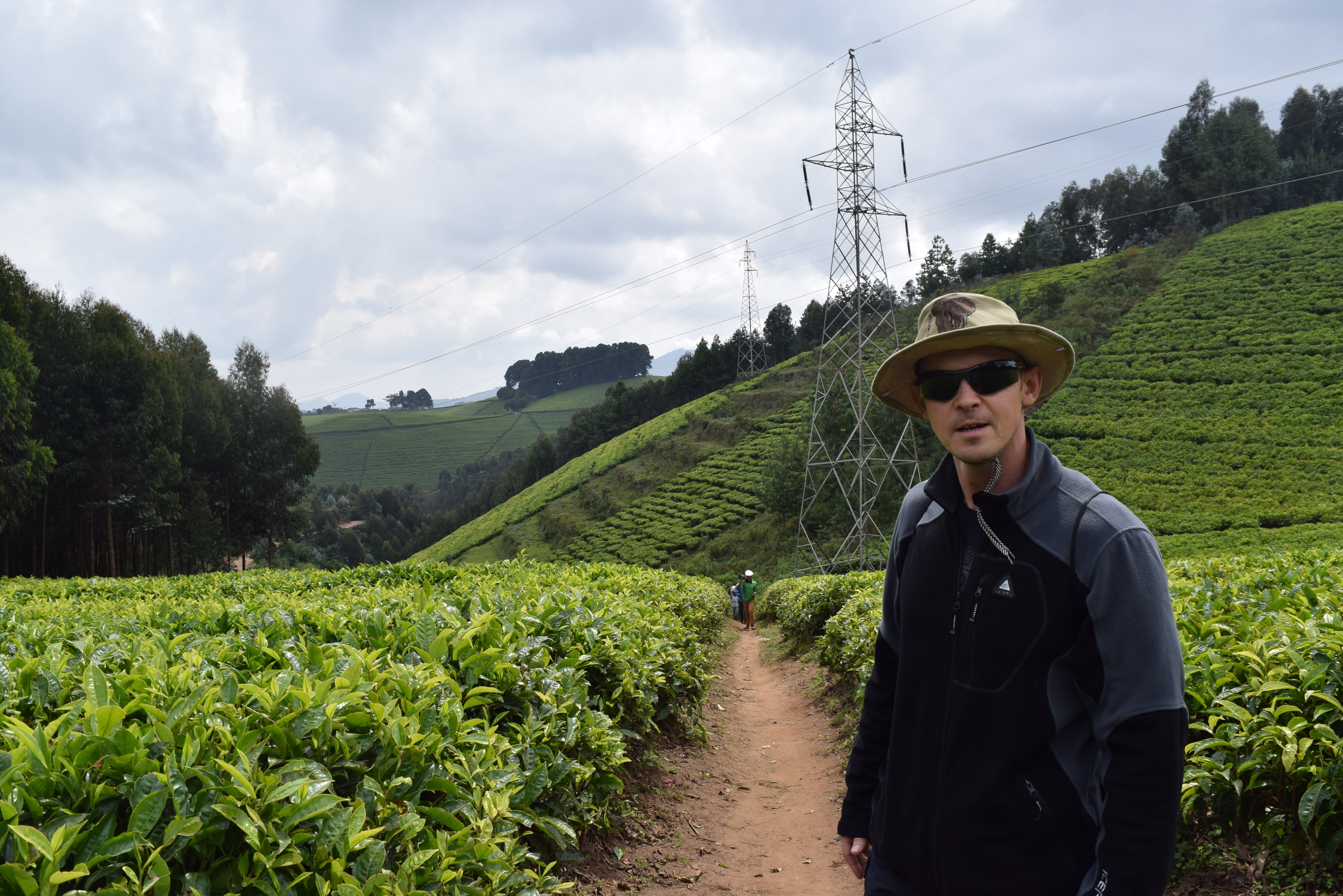
On the way back from the Furthest Source of Nile
Within less than 2 hours we were back at the spot where we left the car, relieved to see it was still there. The boy-guard was proudly standing next to it with the machete in his hands. He definitely deserved his tip!
Our next accommodation destination was the Nyungwe Top Hill View Hotel. This time we didn’t pay much attention to the 1,5 hours super bumpy rocky road that led to the main asphalt road. But once we stepped back on smooth paved surface, it felt much better.
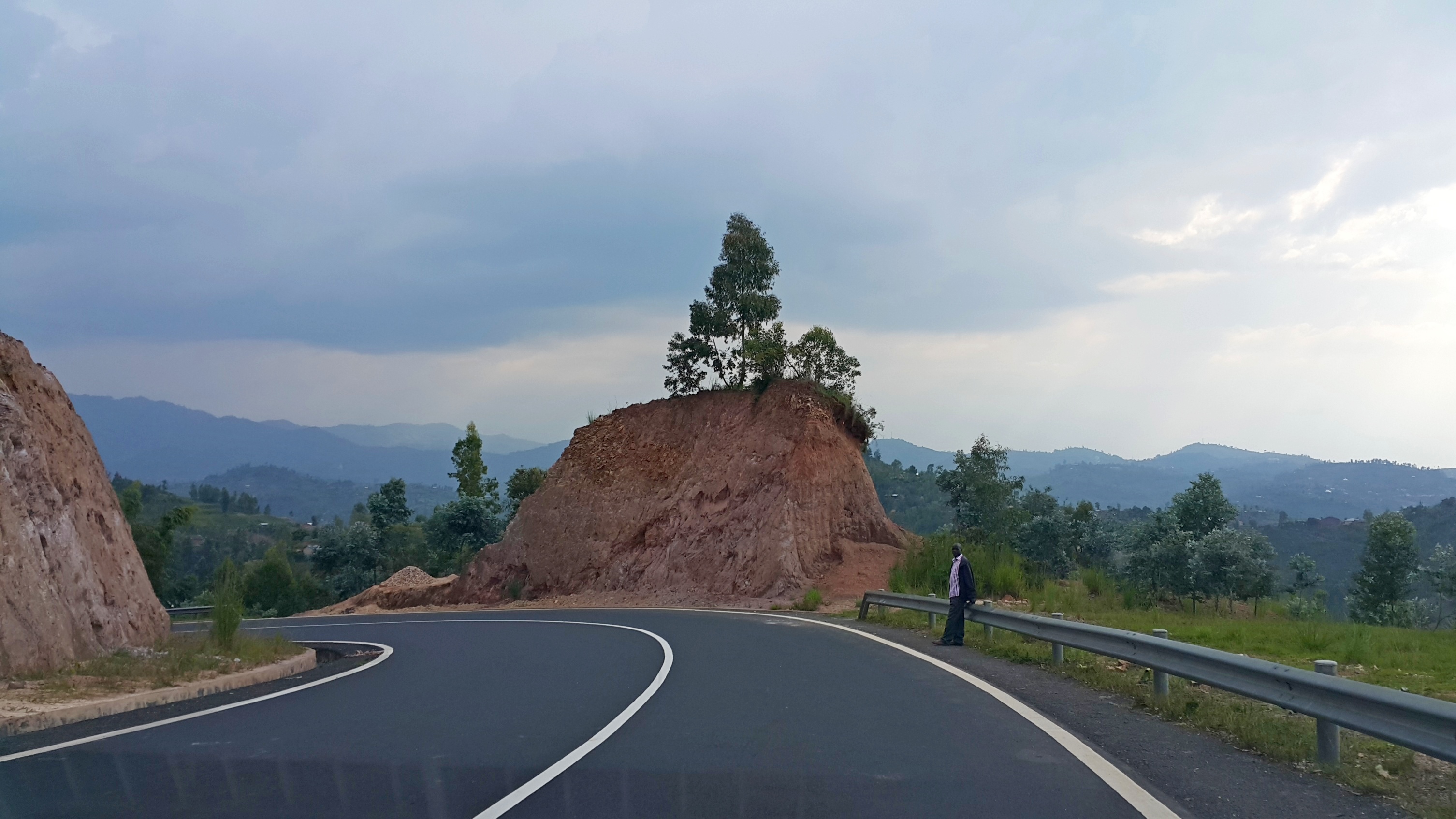
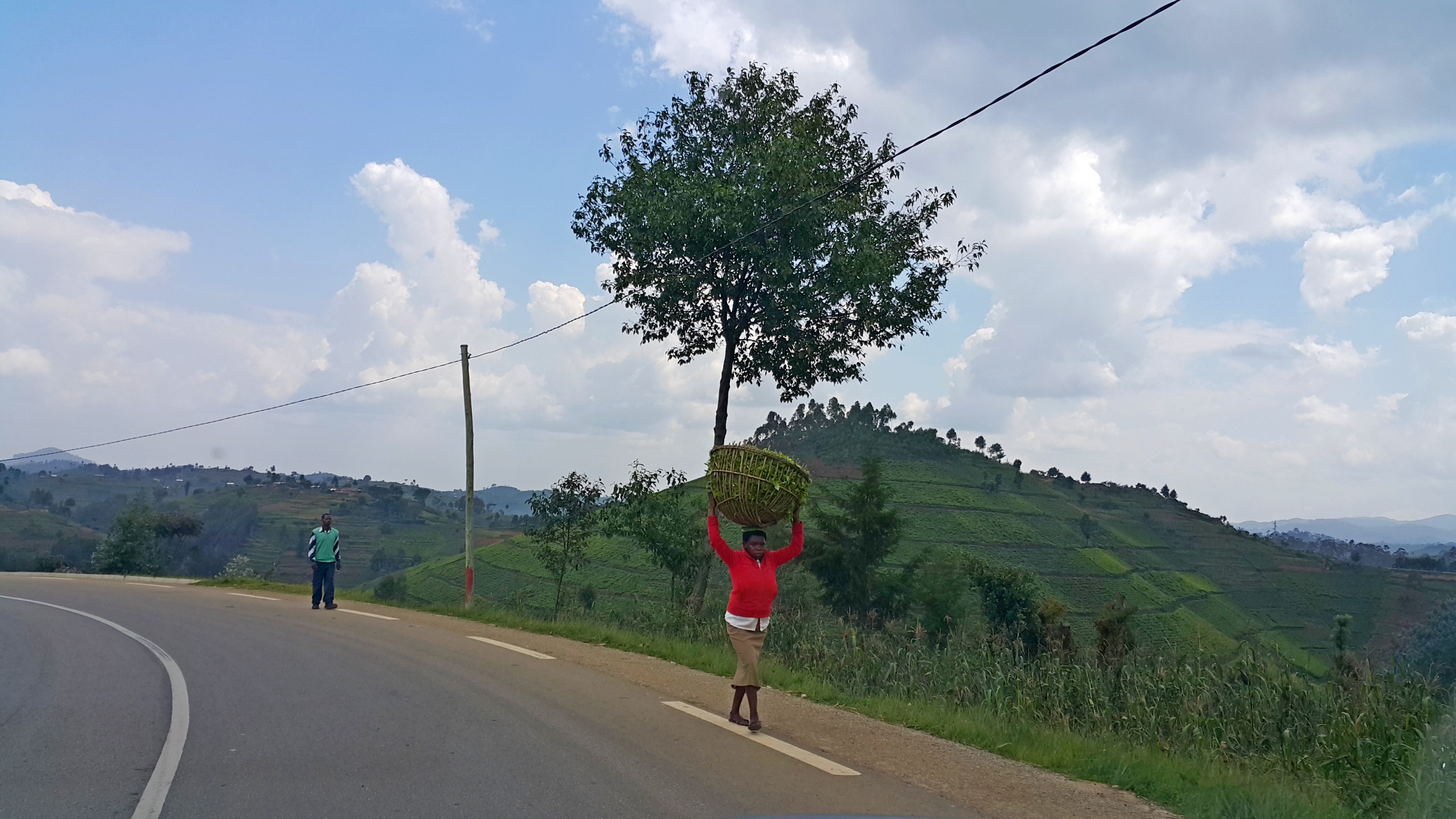
A common picture in tea plantation areas
As its name suggests, Top Hill View Hotel is idyllically located on top of a hill in the Nyungwe forest area. The hotel, which actually consists of 6 cottages, boasts panoramic views of the surrounding mountains and Lake Kivu. For better orientation, every cottage is given a name according to view it reveals to its guests.
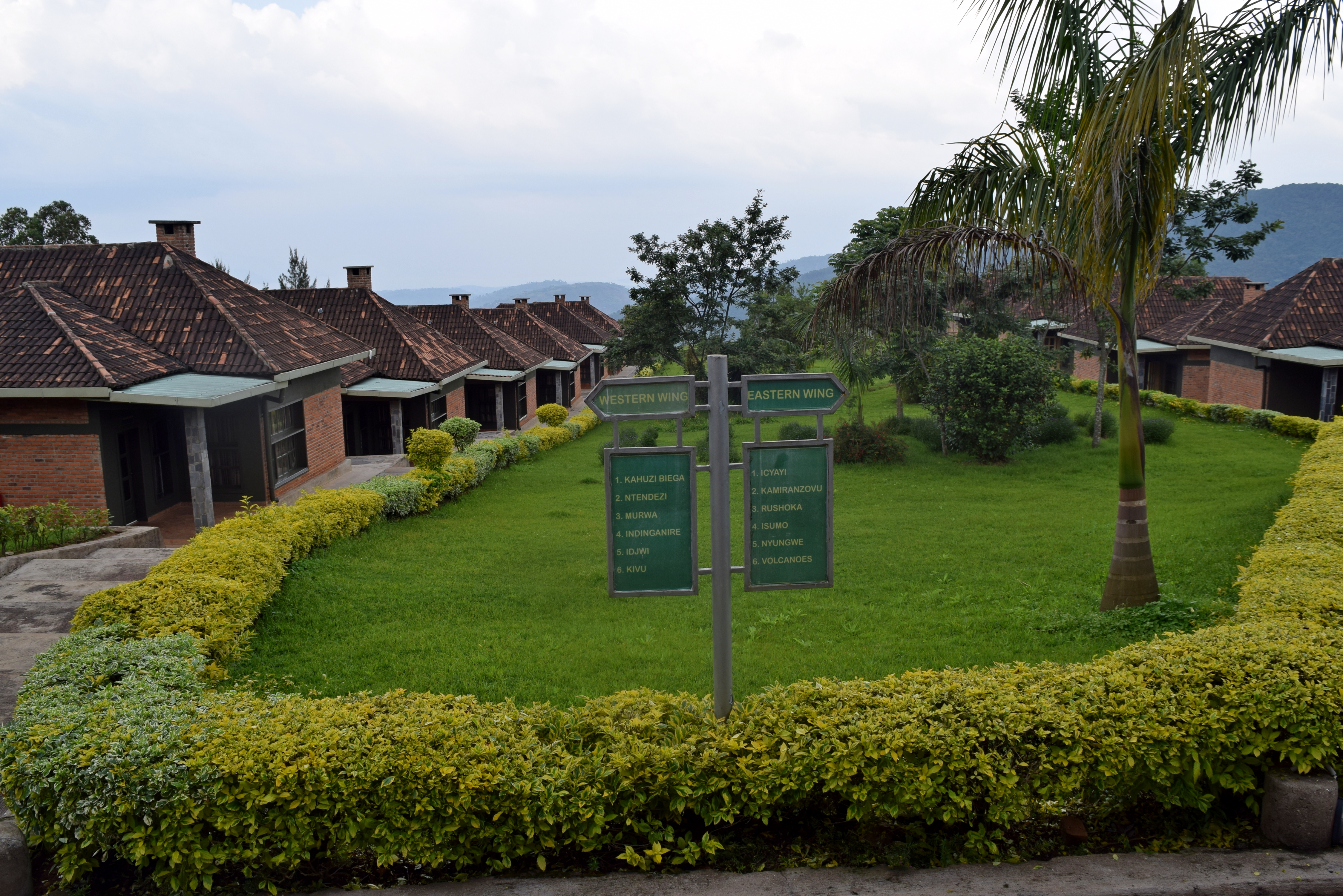
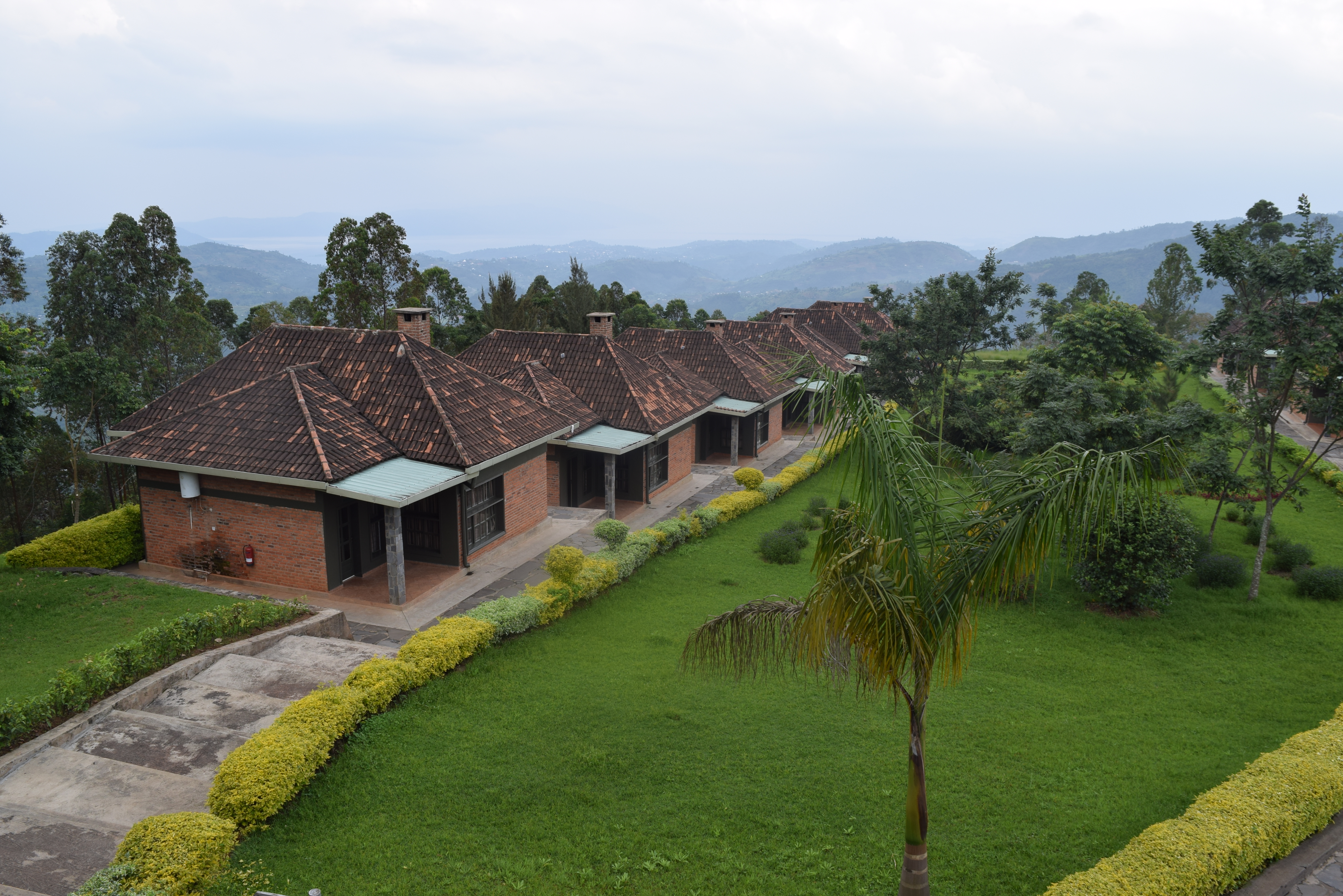
Again, we were warmly welcomed, this time with ginger tea – just the perfect warm-up drink while enjoying the sunset view from the upper deck of the central main hotel building. Later, when we went to bed, we found out that the staff had placed hot water bottles under each of our bed covers to keep us warm during the chilly night. Small things can make a big difference!
The most long-waited by our children day started off with a stunning morning! After a frightening thunderstorm during the night, brilliant sun rays coming through the curtains woke me up.
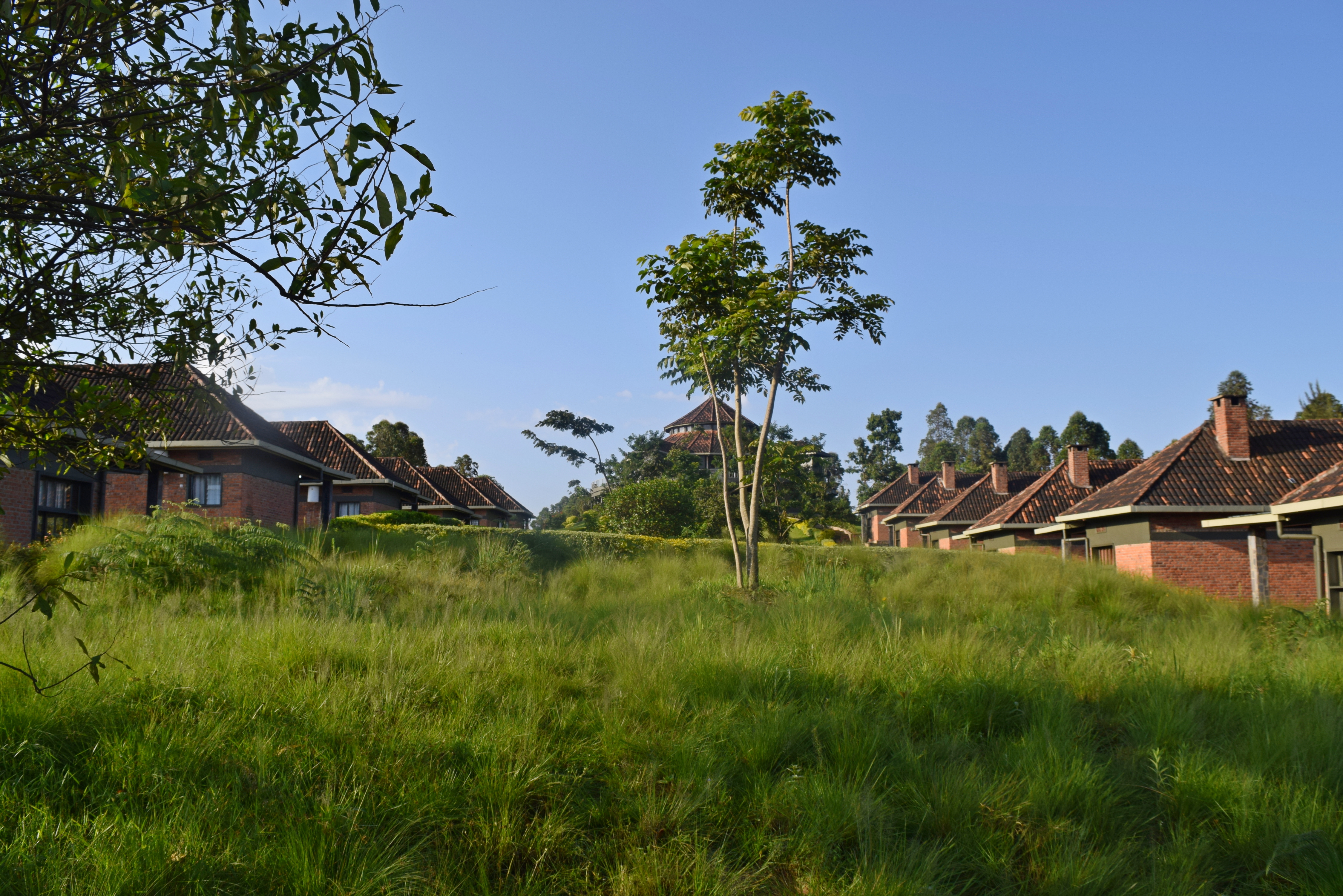
It was still early enough (in Equatorial Africa sun rises at 5.30-6 am) but I was impatient for my morning walk. If there is one thing I could do over and over without getting tired of, this is a morning walk in the nature. This is my meditation. And since it’s not possible to practice it in a city like Kigali which doesn’t have public parks, I almost never miss an opportunity when we go out in the wild.
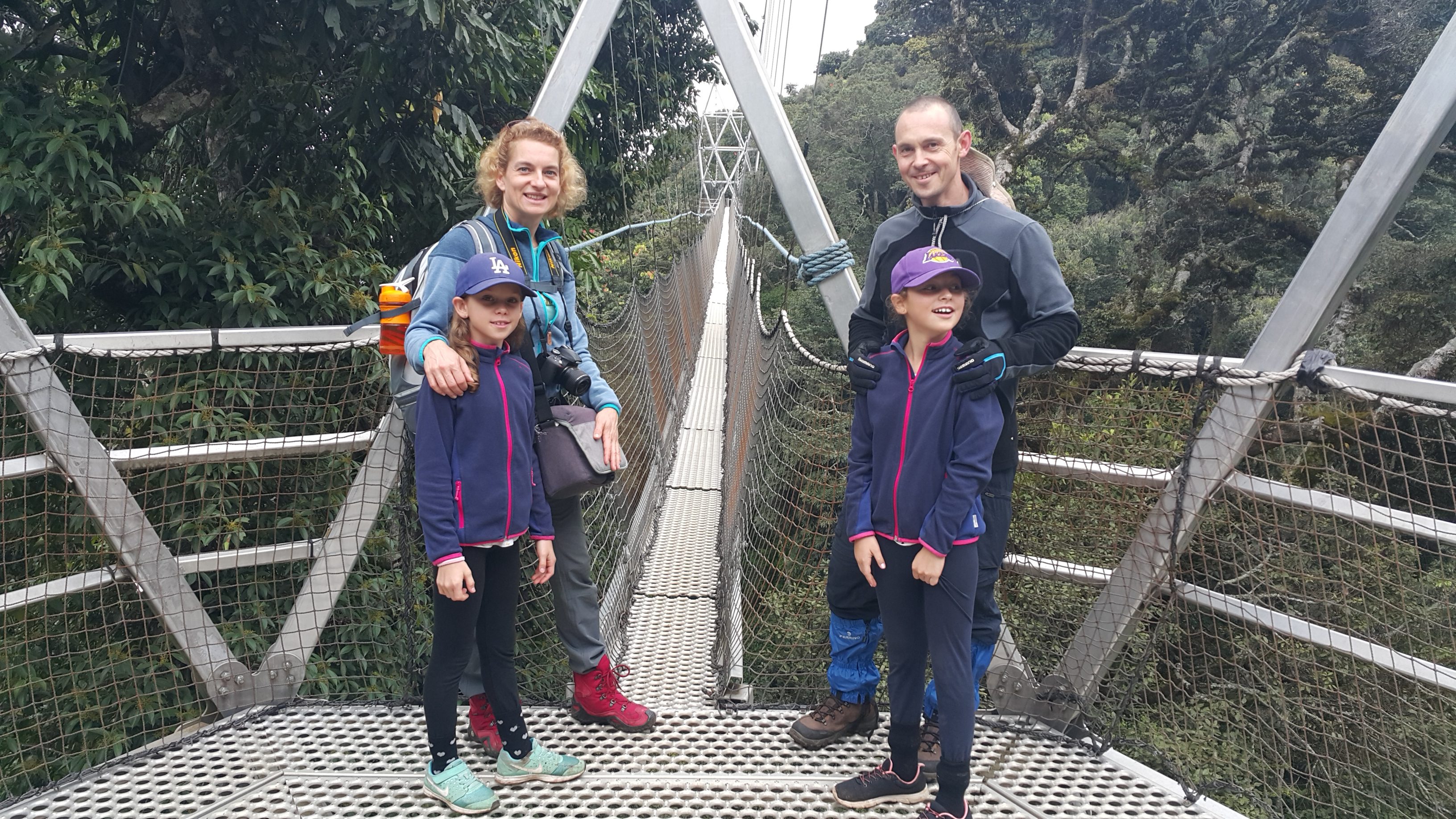
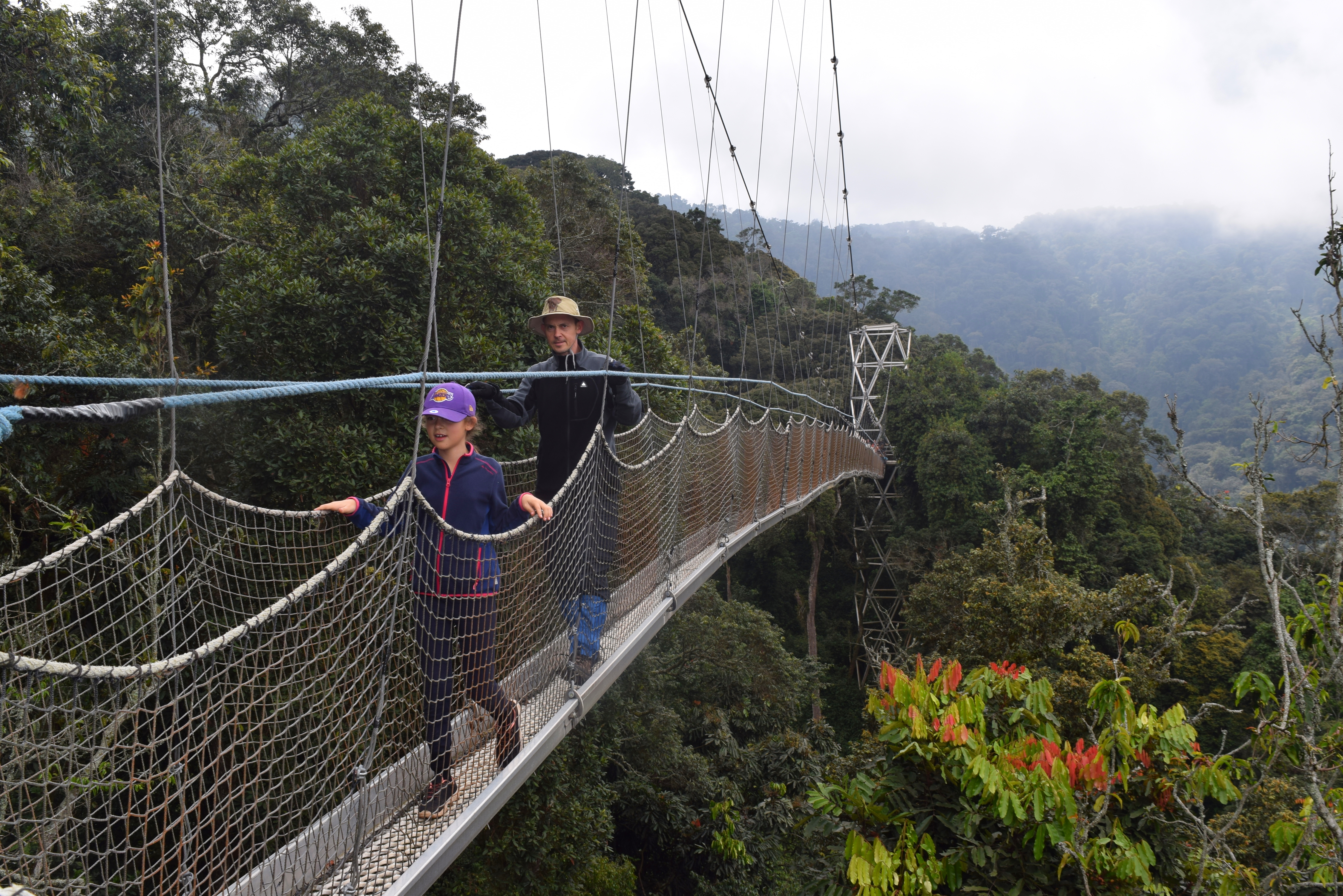
Nyungwe officially received its status of a national park in 2004 – only a decade after the gut-wrenching events of the genocide in 1994! Isn’t this amazing?! Nyungwe, along with the other National Parks in Rwanda, demonstrates the strategic thinking of its ruling bodies to invest in preservation and conservation of the country’s natural beauty! Beautiful Nyungwe, a USAID-funded project, is just one example, part of which was the construction of the adventurous Canopy Walkway – an almost 200 meters trail suspended between giant trees, some 60 meters above the forest floor, offering wonderful aerial view of the upper canopy. This is what we were up to on the third day of our trip.
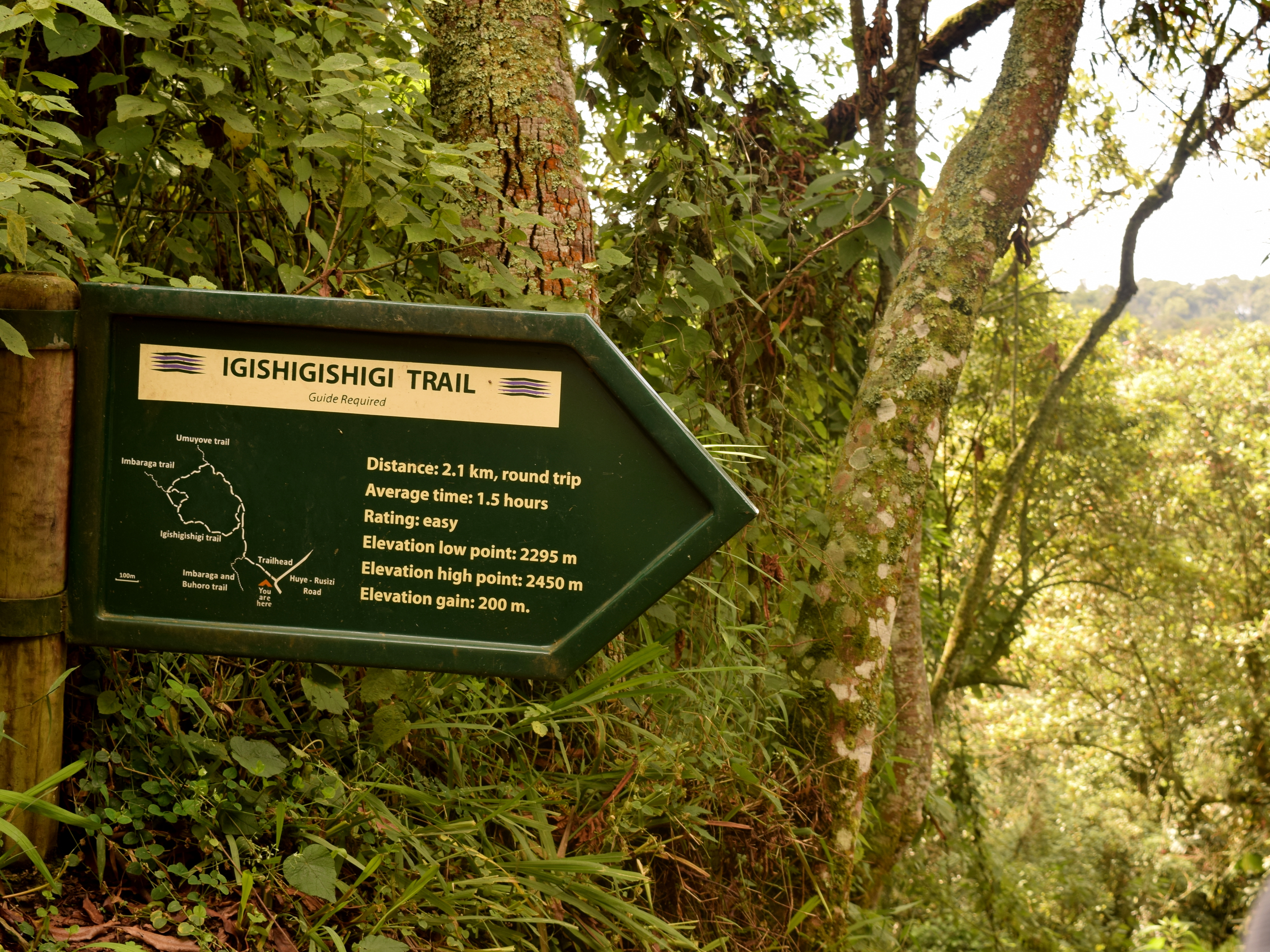
Igishigishigi Trail – that’s how the hiking route to the Canopy Walkway is called. Did you manage to pronounce it properly from the first time? 🙂
After a short briefing by the guide, our group started off in high spirit, all impatient to finally get on that adventurous bridge! To my amazement, not only did we have some very young children (respect to our family friends whose kids are 4 and 6 yo!) but also a couple of elderly people, surely not less than 70yo. If they can do it, then I want to be able to do the same things at their age, too…That’s the kind of thoughts you do in such situation, don’t you?
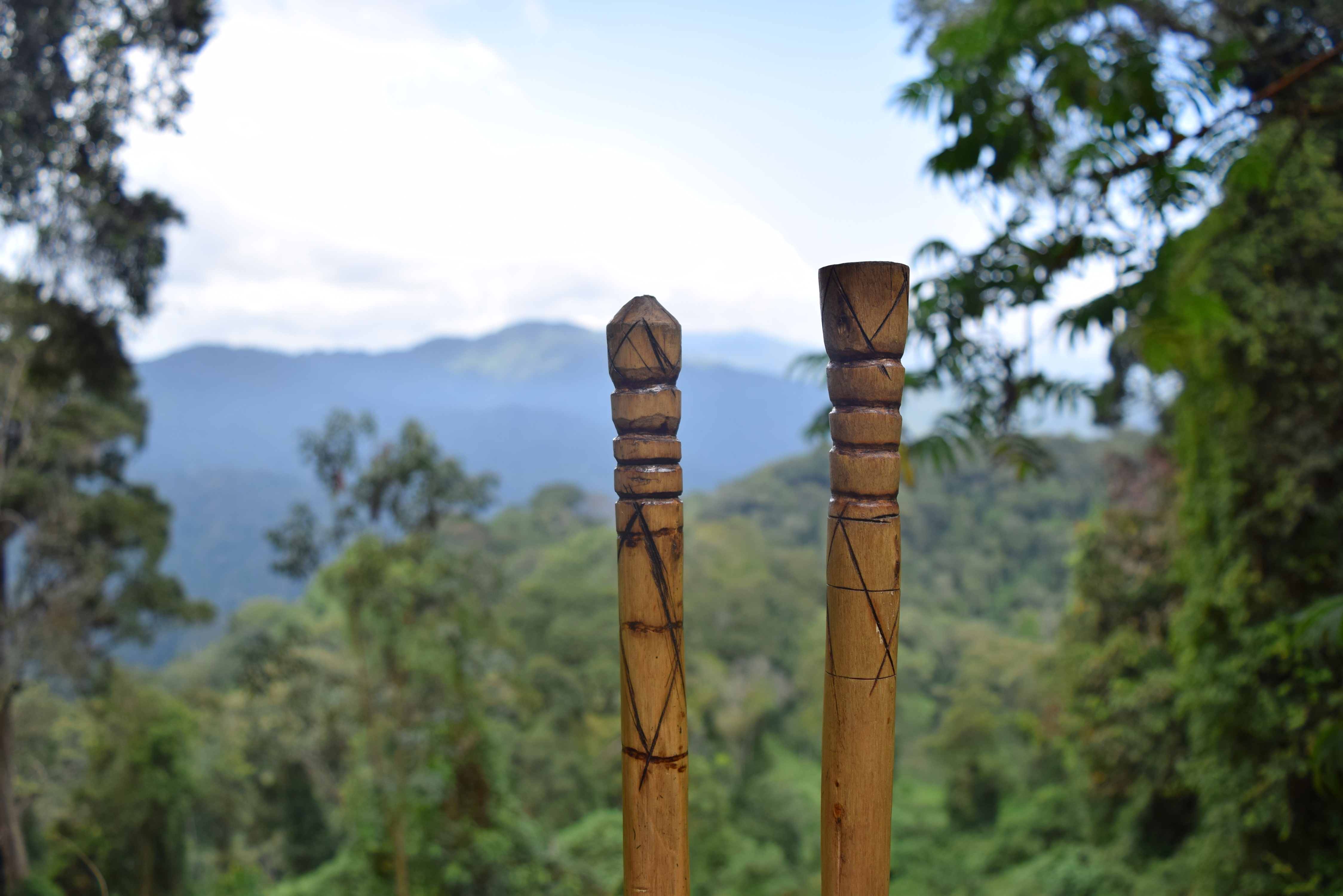
“Beware of the fire ants!” – was one of the advices we had received. Honestly, that was the first time I ever heard of fire ants but I cautiously pushed my socks into the long pants, and wondered what those wearing shorts could do to prevent themselves in case of attack. Luckily, nobody got bitten, even though we did see some of these nasty insects on the path.
Getting to the canopy took us around 45 min but the hike may be longer when the ground is wet and slippery. Depending on the type of person you are, the experience of viewing the canopy on arrival could be described either as the endless walk to hell (if you fear heights) or one of the best times in your life. Well, I personally hoped the experience to be more like in a “Indiana Jones” movie but it didn’t turn out that much adventurous 🙂
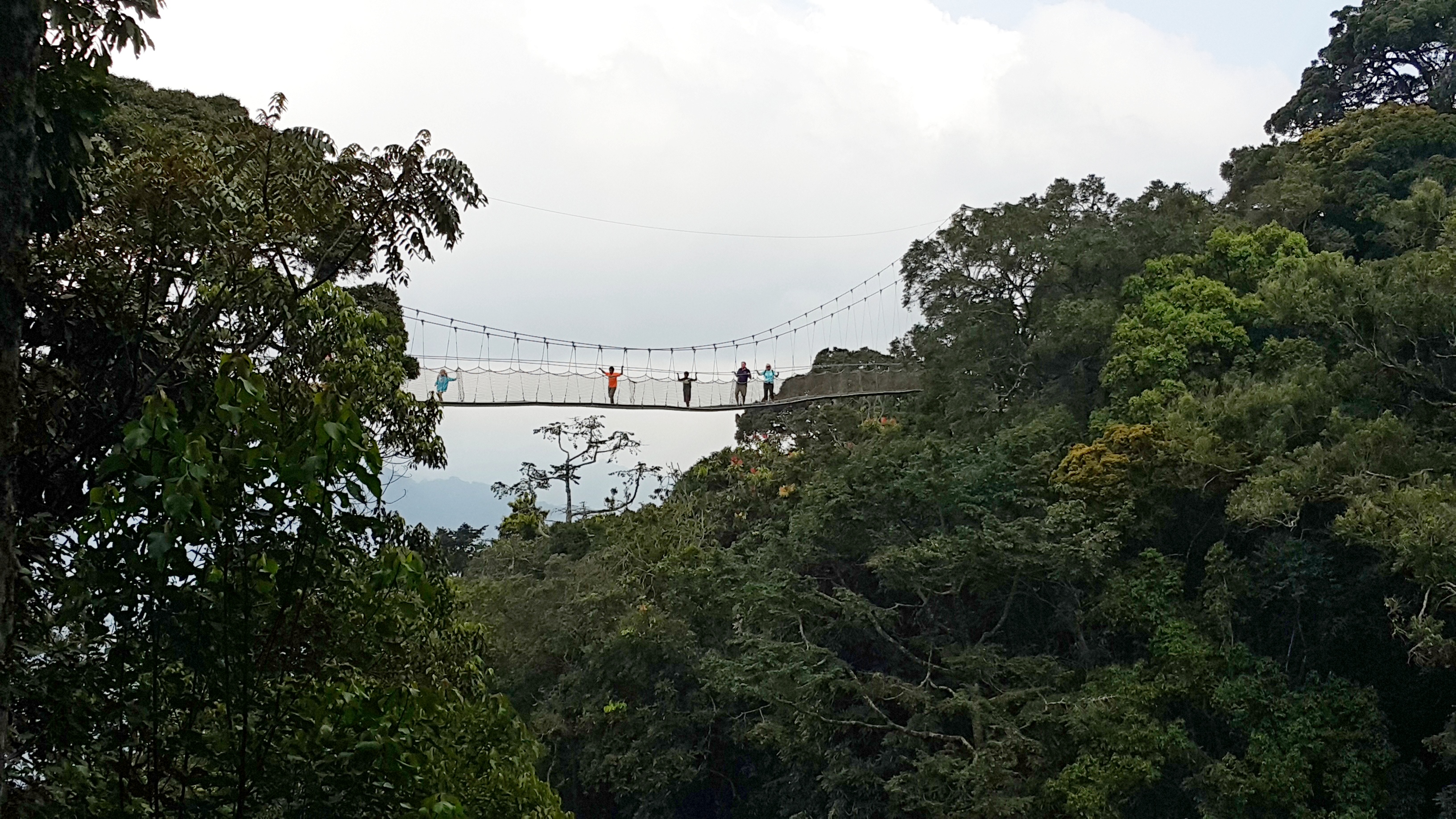
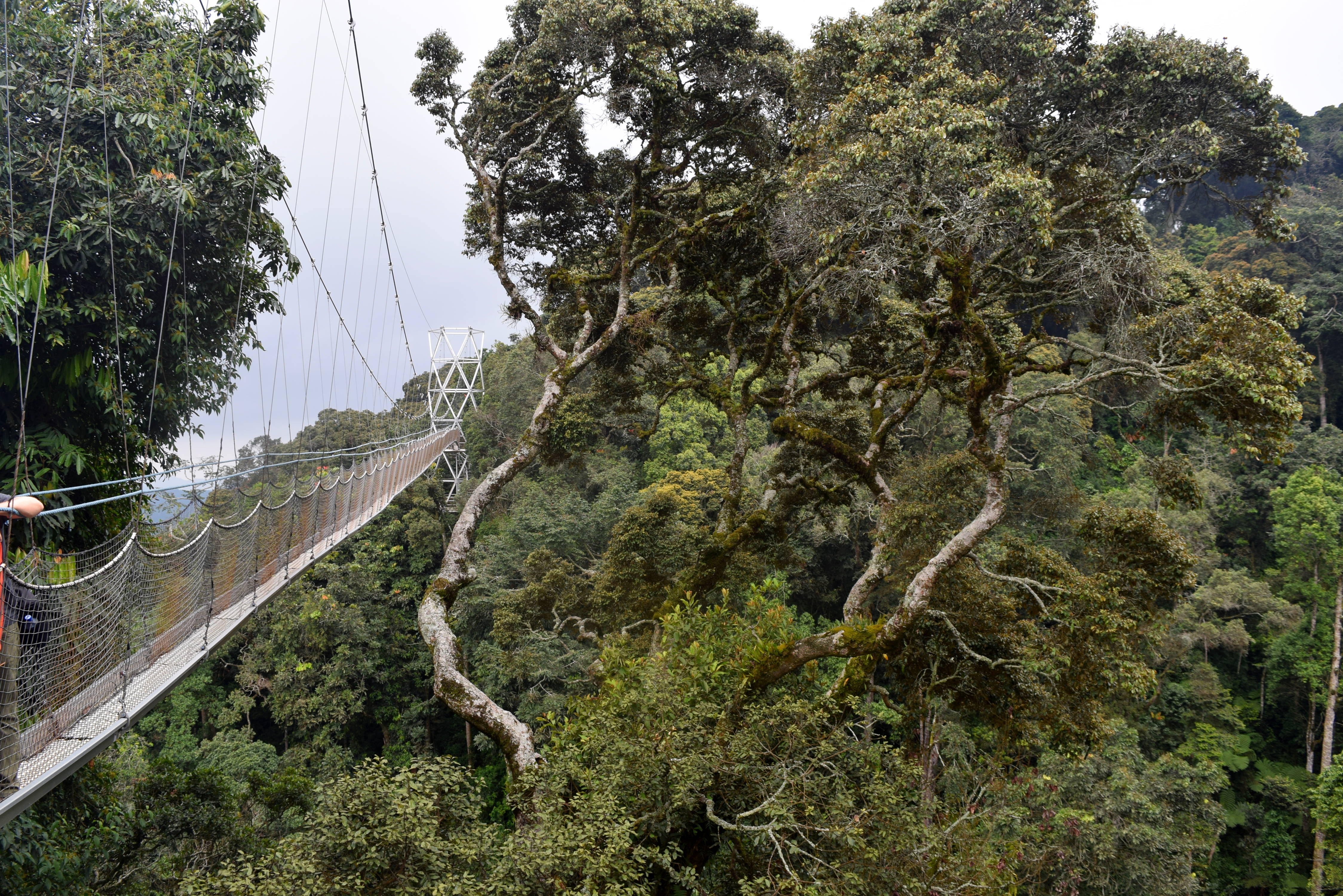
And here we were – standing high on the Canopy Walkway!
It consists of three parts, with the middle one being the longest and highest, thus most attractive part. Although the construction is very stable and safe, groups of not more than 8 people are allowed to go on the canopy at the same time, and one should walk slowly to avoid shaking and jolting of the bridge. We absolutely loved the experience, even more when the kids innocently broke the rules on several spots 🙂
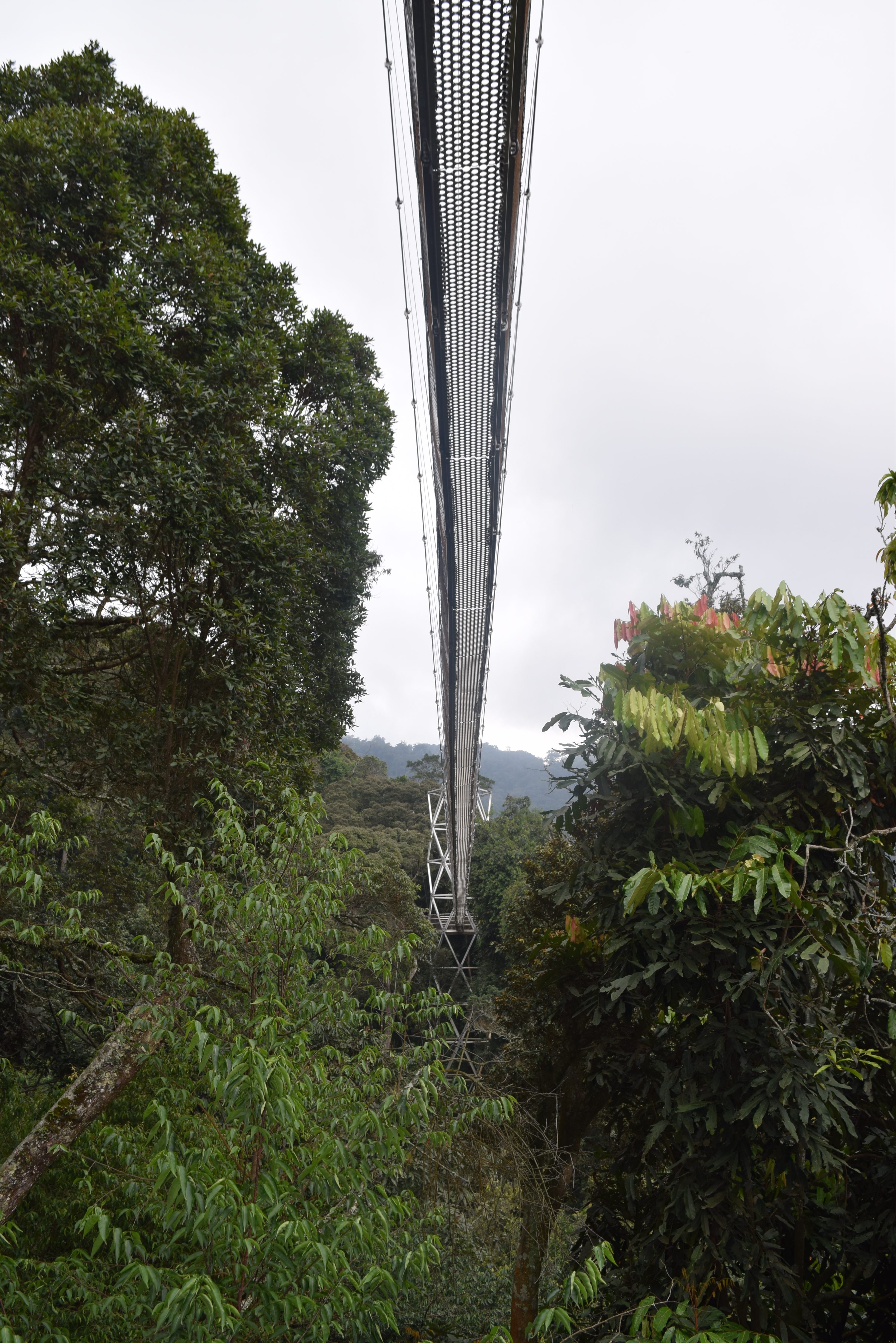
View from under the longest part of the Canopy Walkway
After the initial focus on the canopy and keeping balance, we relaxed and enjoyed the surrounding sights – big trees occupying the upper canopy and beautiful purple orchids dominating the lower part. The view was simply divine!
Primates are the star tourist attraction in Nyungwe. With 13 (!) primate species recorded here, Nyungwe has one of the highest diversity of primates in a single location. Nyungwe’s primates represent about 20-25% of the total number in Africa – an astonishing number taking into account the area size of Rwanda!
So, most of the tourists come to Nyungwe for the popular chimpanzees and monkeys tracking. Although this is surely a “must do” activity which we didn’t book this time, Mother Nature offered a pleasant surprise on the way to the last stop of our journey.
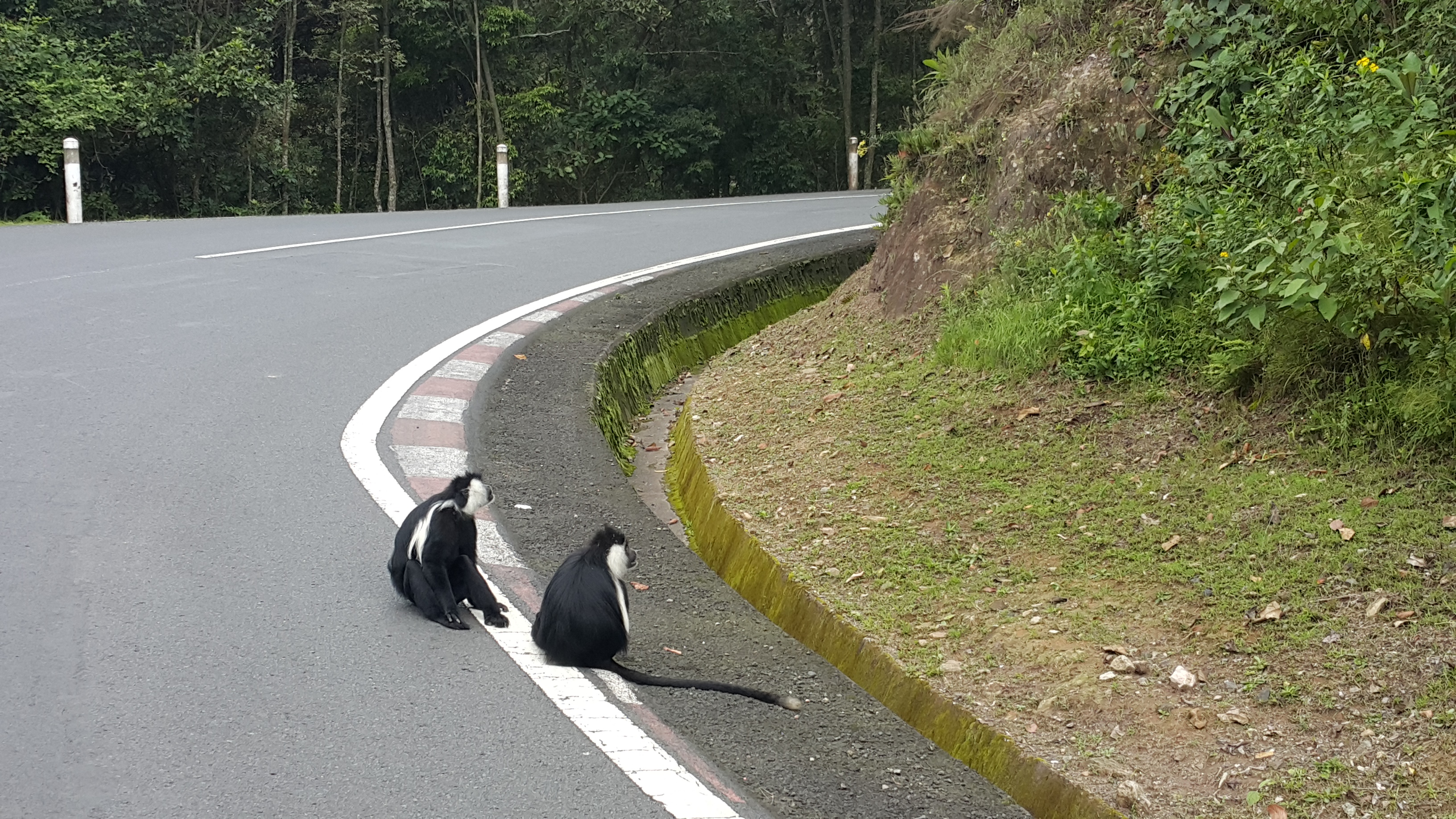
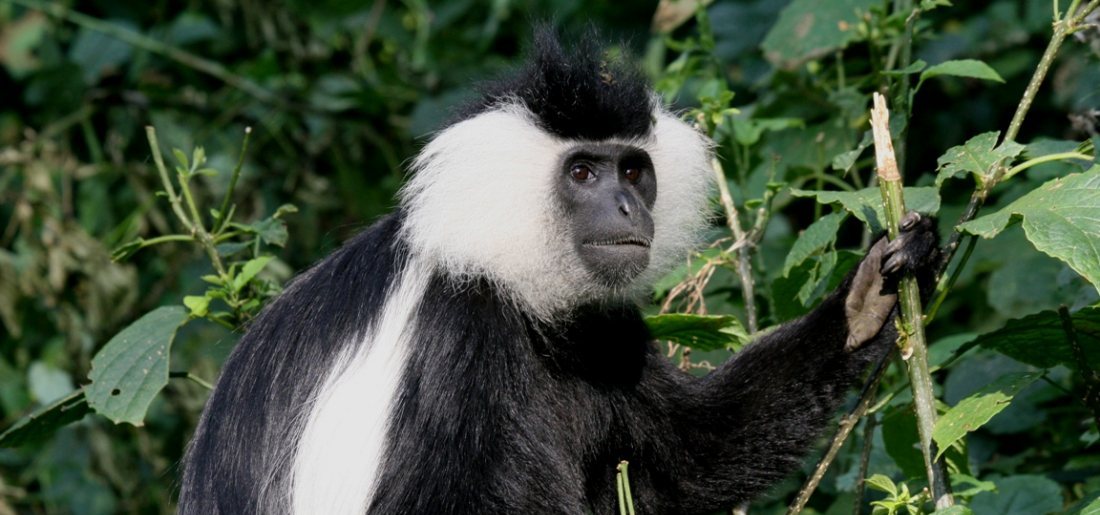
The Ruwenzori colobus monkeys are easily recognizable due its contrasting black fur and face surrounded by white whiskers, shoulders and tail tip. I learned that they are one of the best primate acrobats and usually move in troops of several hundred animals (the number can reach 350!). Fortunately, we got to see just a few tens 🙂
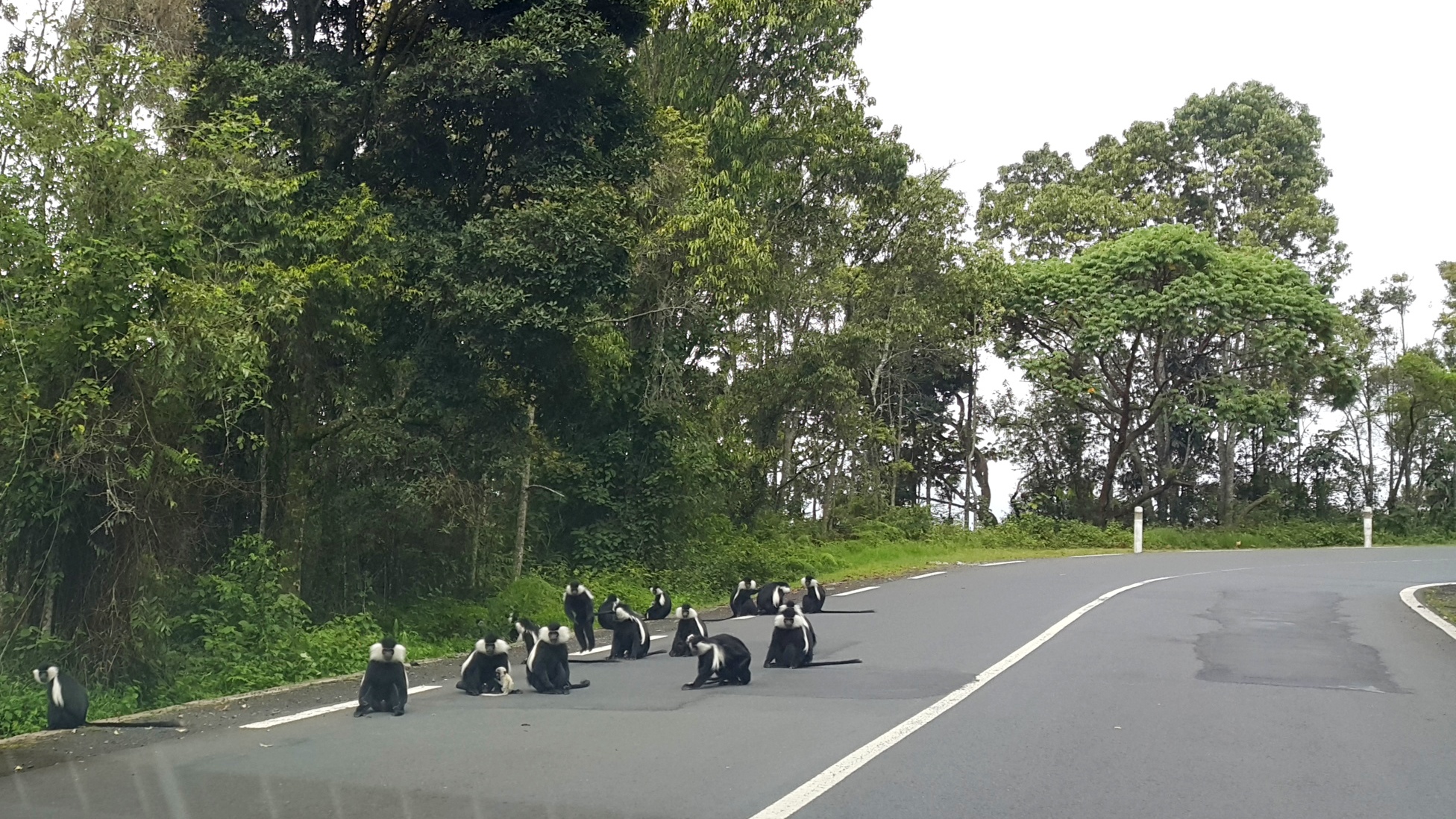
And next time we will back for the chimpanzee trekking.
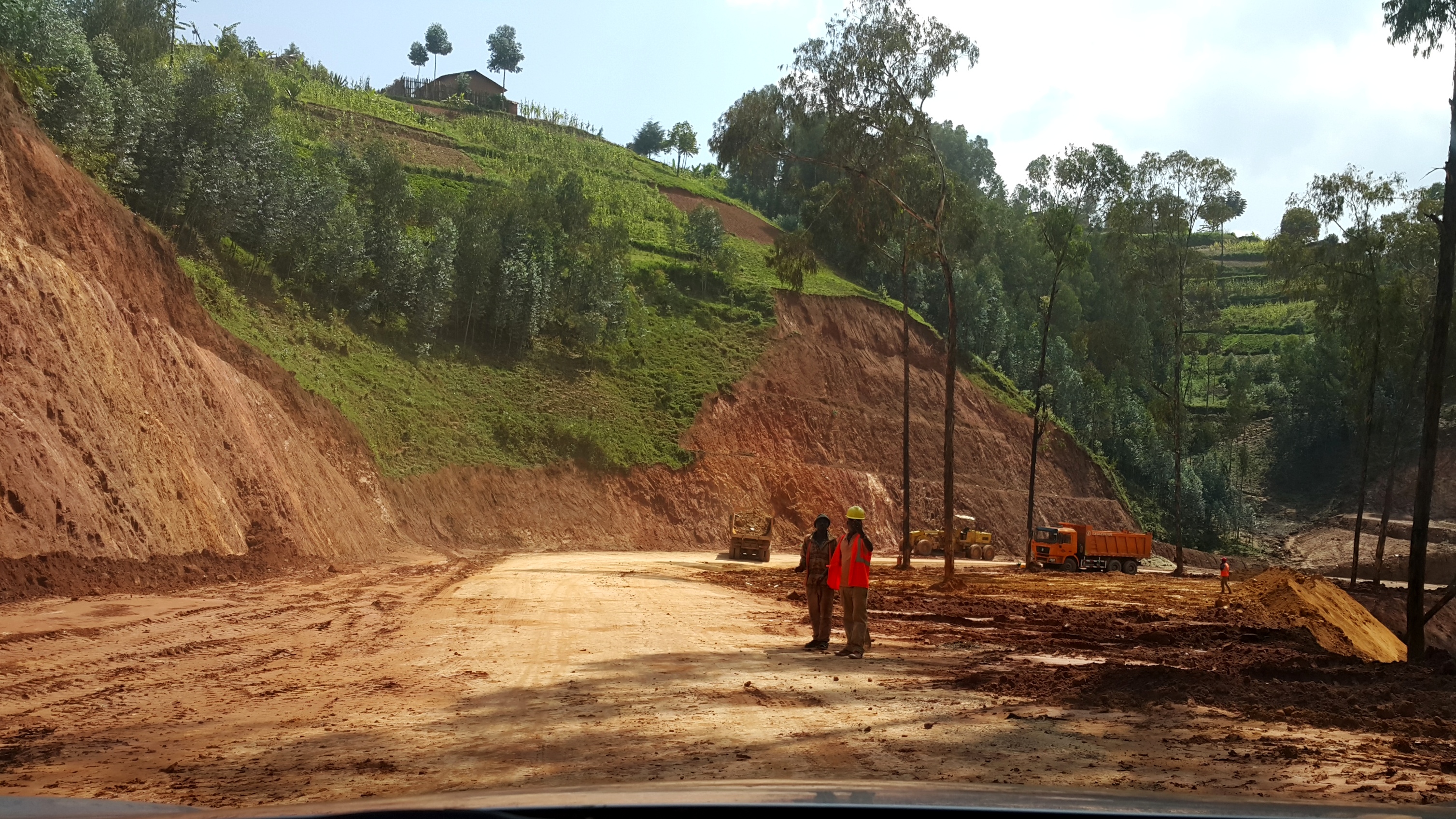
The perfectly laid out asphalt road through the forest allowed us to enjoy the views around almost until the exit of the park, where we drove past a road construction site. It made me think about the amazing ability of Rwandans to recover from the past and open up a new page of its history, determined to build a better future for its citizens but also make Rwanda a surprising place to visit for the rest of the world.
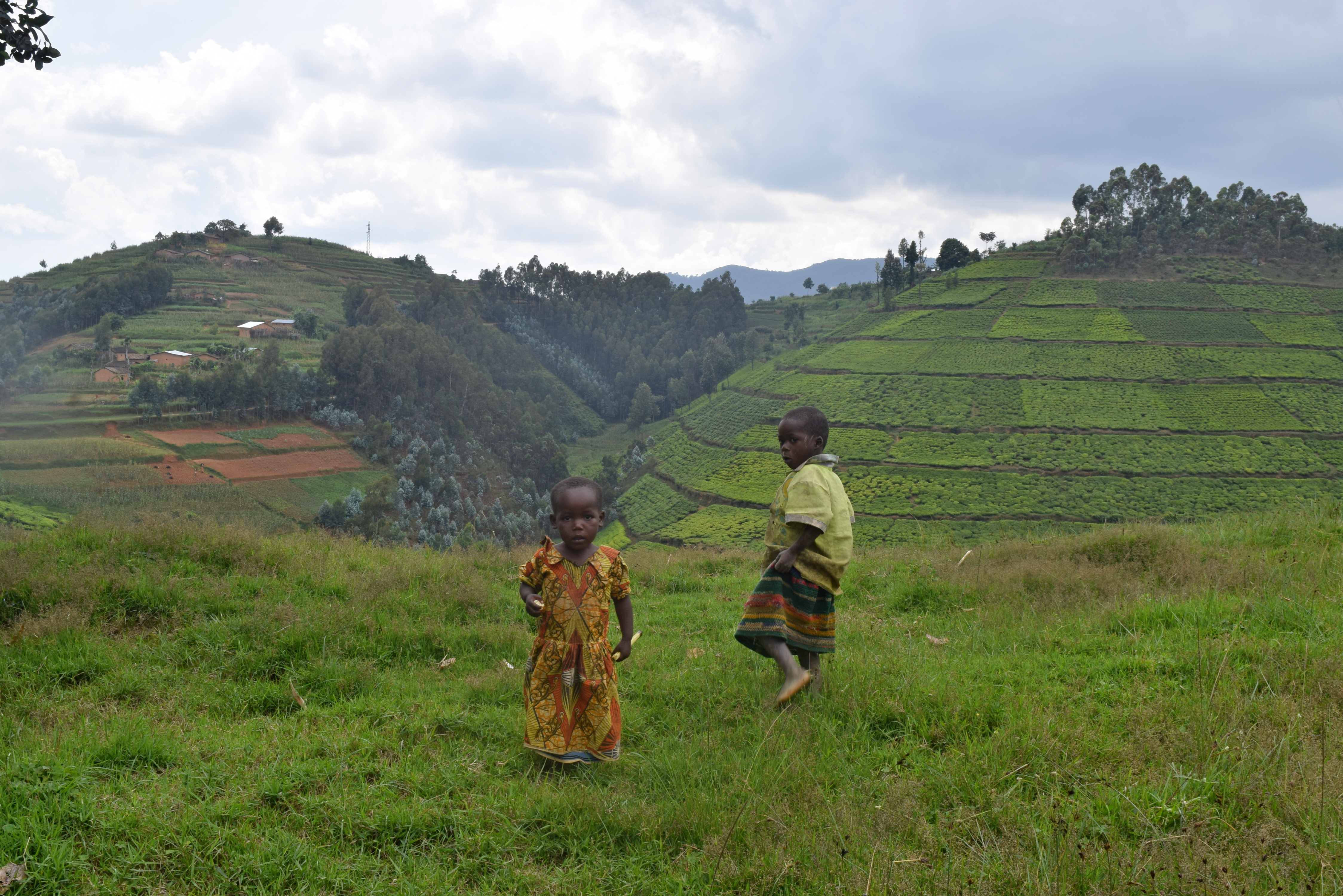
The last night we spend in Huye (formerly Butare) – some 30km north of the border with Burundi. Huye is considered as the “intellectual center” of Rwanda for the first secondary school opened here in 1928, and the first national university – in 1963. Around this time the town was competing with Kigali for the status of country’s capital but in the end Kigali was favored due to its more central location. So while Kigali was growing fast, Huye remained peaceful and compact, a great place to stay if you want to escape from the buzzle and hustle of Kigali.
After the Gisovu Tea Guesthouse and Top Hill View hotel, we were pleasantly surprised by the modern Airbnb villas we stayed in for the last night.
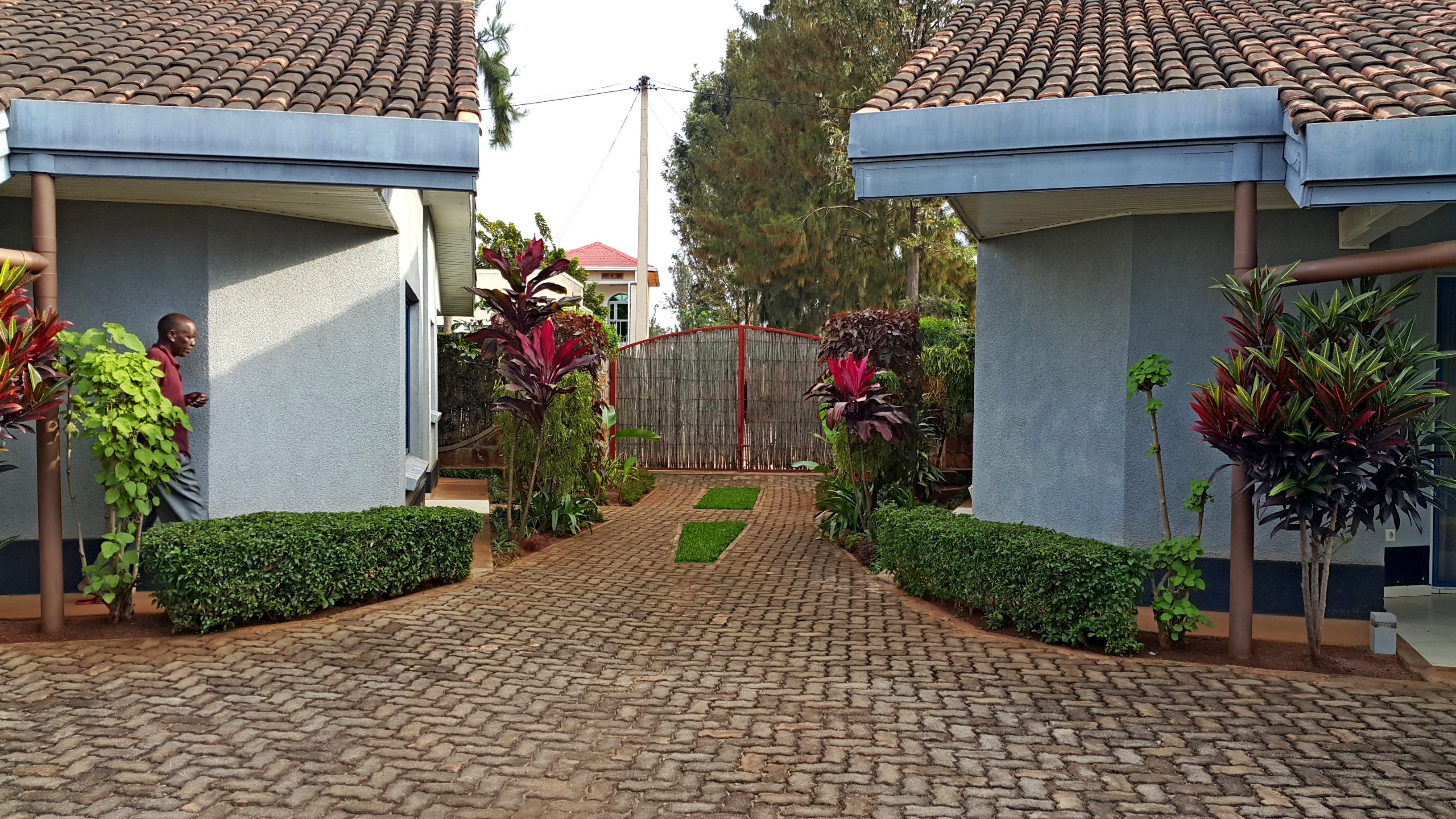
The Airbnb in Huye
We were warmly welcomed by the host, this time not with tea but some cold beer and refreshing drinks for the kids. It turned out the place is owned by a Dutch who moved to Rwanda in 1983 and since then has been living and working on various development, logistics and construction projects.
Huye and the surrounding countryside offer several interesting historical and cultural sites, such as the National Ethnographic Museum of Rwanda, or Nyanza – the site of the first permanent Royal capital with its Rukari King’s Palace Museum.
Although these two were on the agenda for the last day, we decided to leave them for our next trip to Huye, when we will be able to dedicate proper time instead of just giving them a quick visit to tick the box.
We marked the end of our wonderful long-weekend trip with an European-like breakfast at Huye’s Ibis Hotel (yeah, there is Ibis in Huye! 🙂 ), some last souvenir shopping at the nearby local crafts shop, and finally with some delicious ice cream and Huye mountain coffee at the famous local place called “Inzozi Nziza” (translated as “Beautiful Dreams”), the latter literally taking me back to the good old times of my childhood, when the choice was between vanilla and chocolate ice cream, and we were happy!
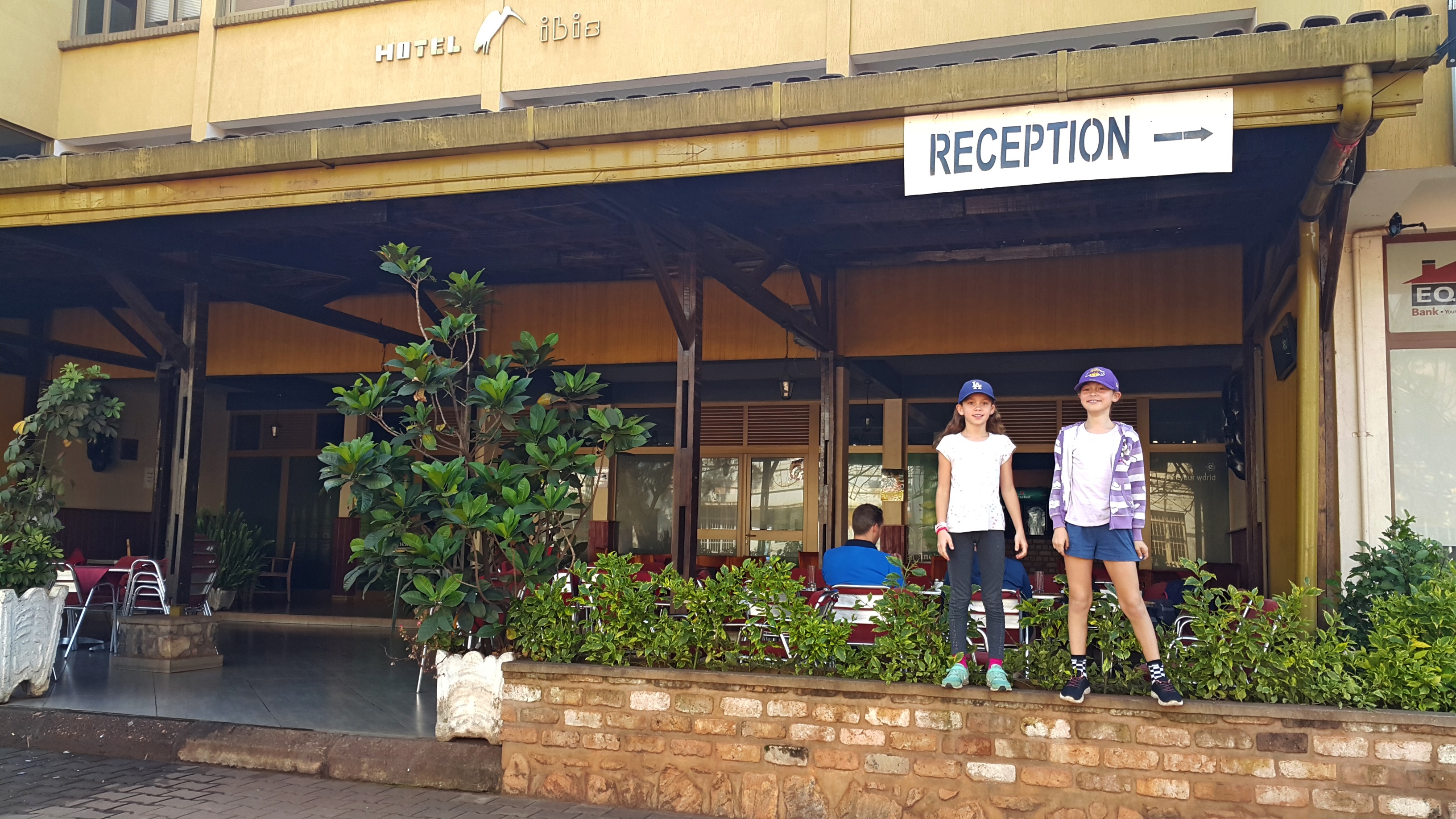
Breakfast at Ibis Hotel in Huye
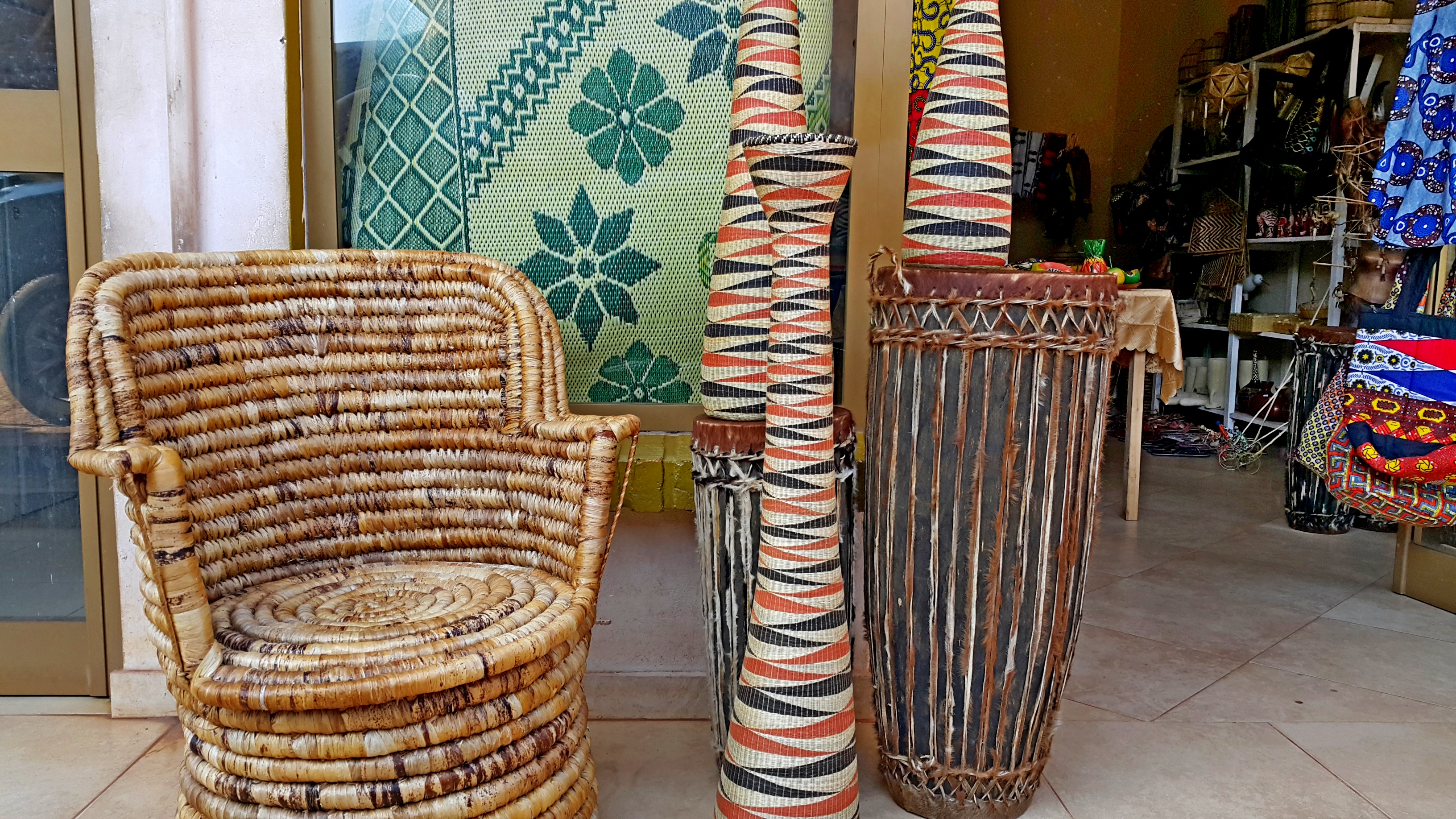
Traditional Rwandan home decor
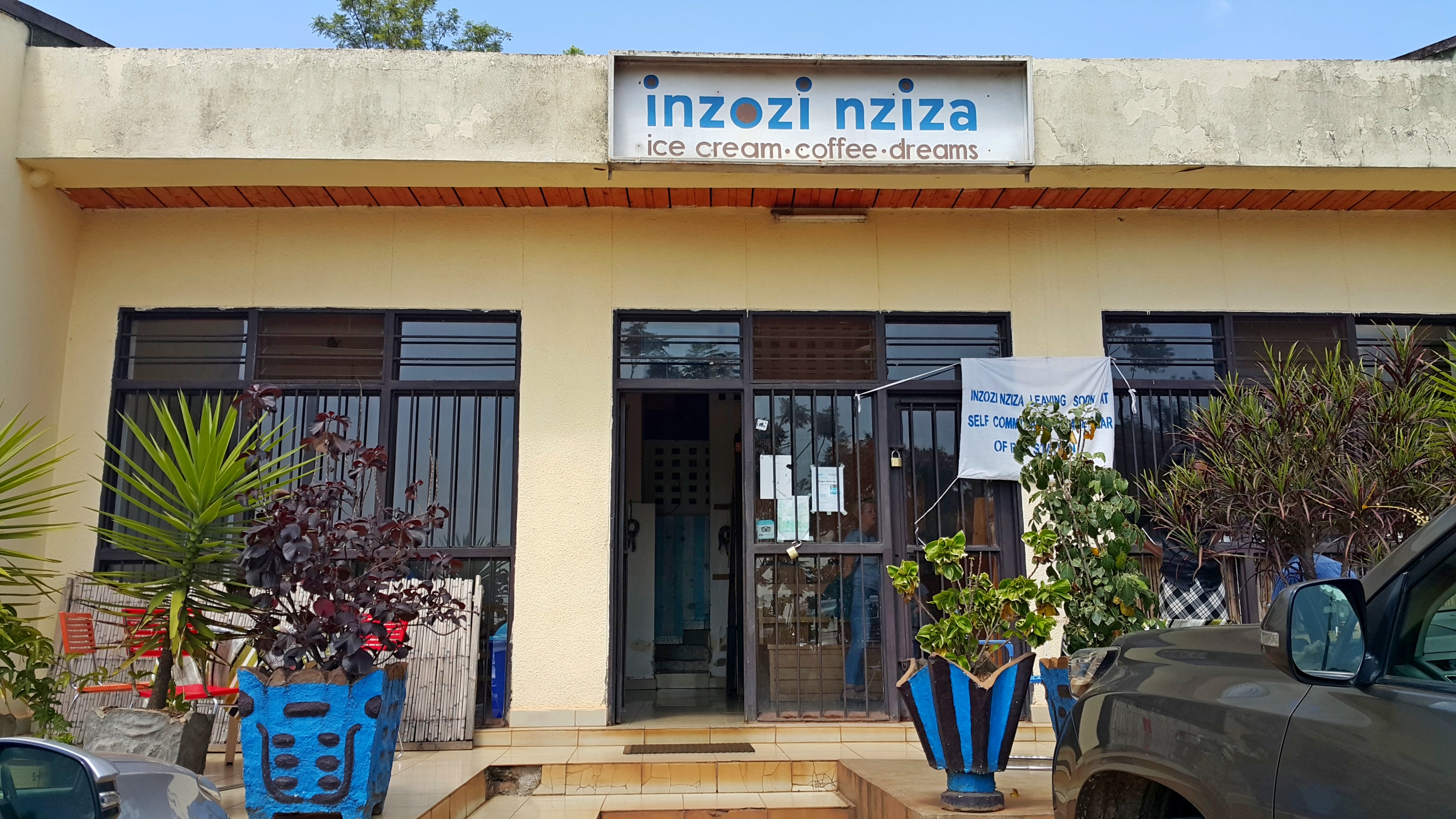
At “Beautiful Dreams” – the best ice cream in Rwanda!
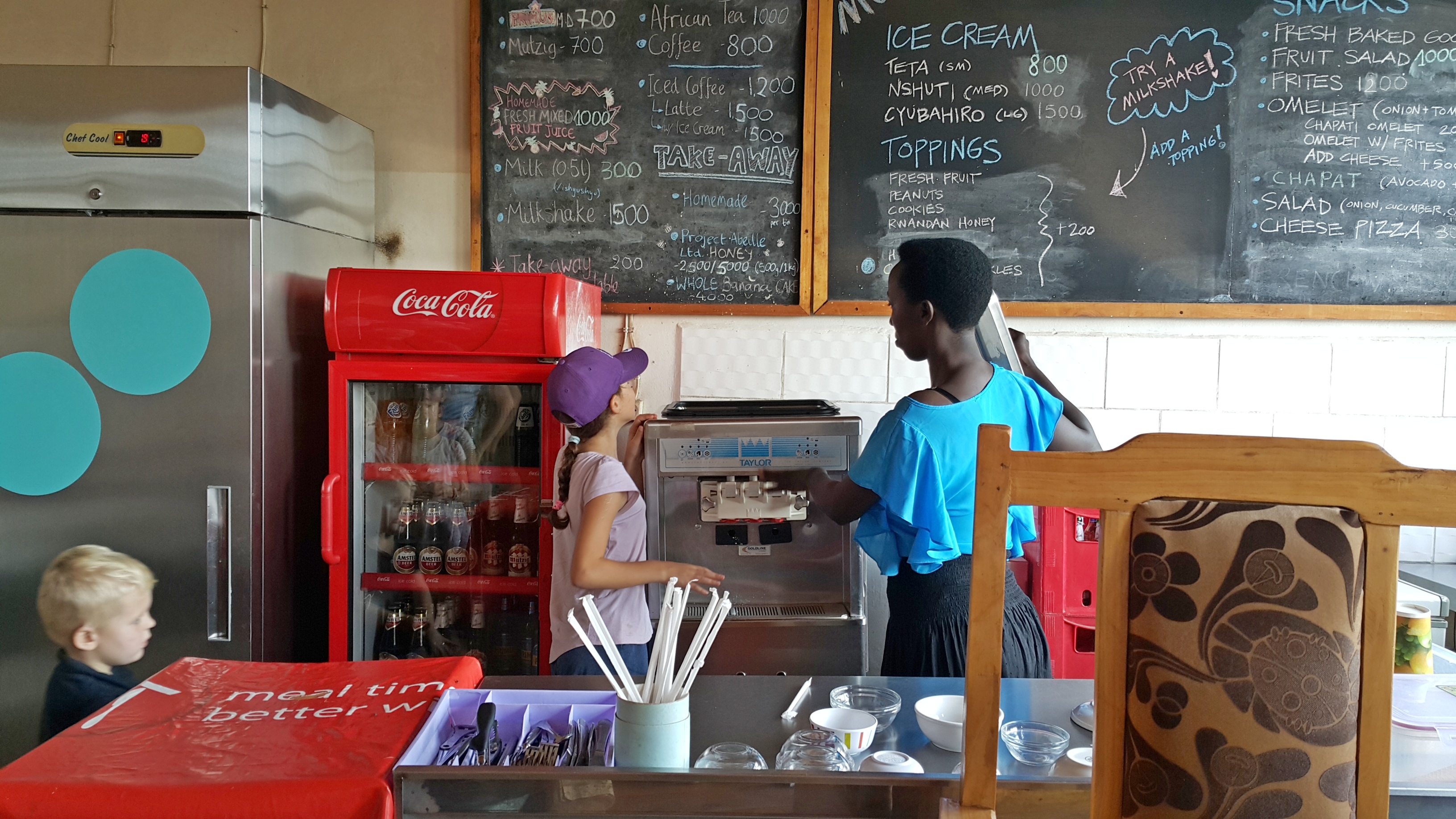
Choosing between vanilla and chocolate ice cream
To be continued.