My knowledge about Mozambique was limited to just a few descriptions by a native Mozambican I shortly met in Kigali. What I heard was enough to raise my curiosity and plan a visit there.
Although our stay was relatively short and didn’t include a lot of travel inland and activities as I usually like to do when visiting new places, it left a deep impression on me, planting a seed to explore more if I return one day.
To many tourists Mozambique is a beach and safari destination in the first place. And this is rightly so. Bathed by the Indian Ocean, it is a country full of hidden beauty, untouched nature stretching from the endless virgin beaches in the far north to the diving enthusiasts’ paradise at Ponta Do Ouro in the South, and in between the nature’s gifts of Bazaruto Archipelago Nature Reserve, Maputo Special Reserve famous for its elephants and many more… Apparently Mozambique is dedicating a lot of efforts and resources to become a high quality tourist destination. What it drew my attention with though were not the wildlife safaris or pristine beaches but its rich culture and history, so evident in the vibrant streets of Maputo. 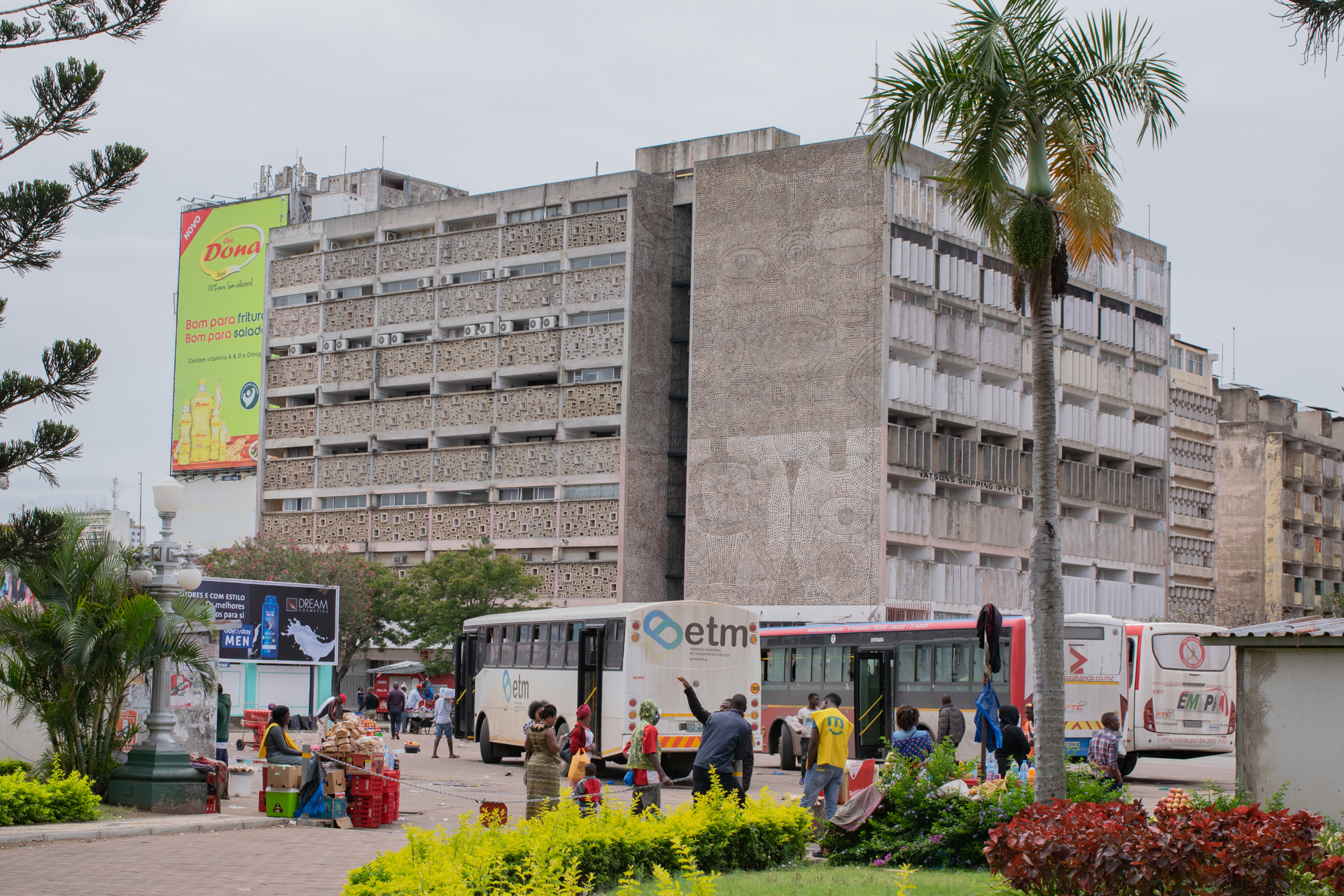
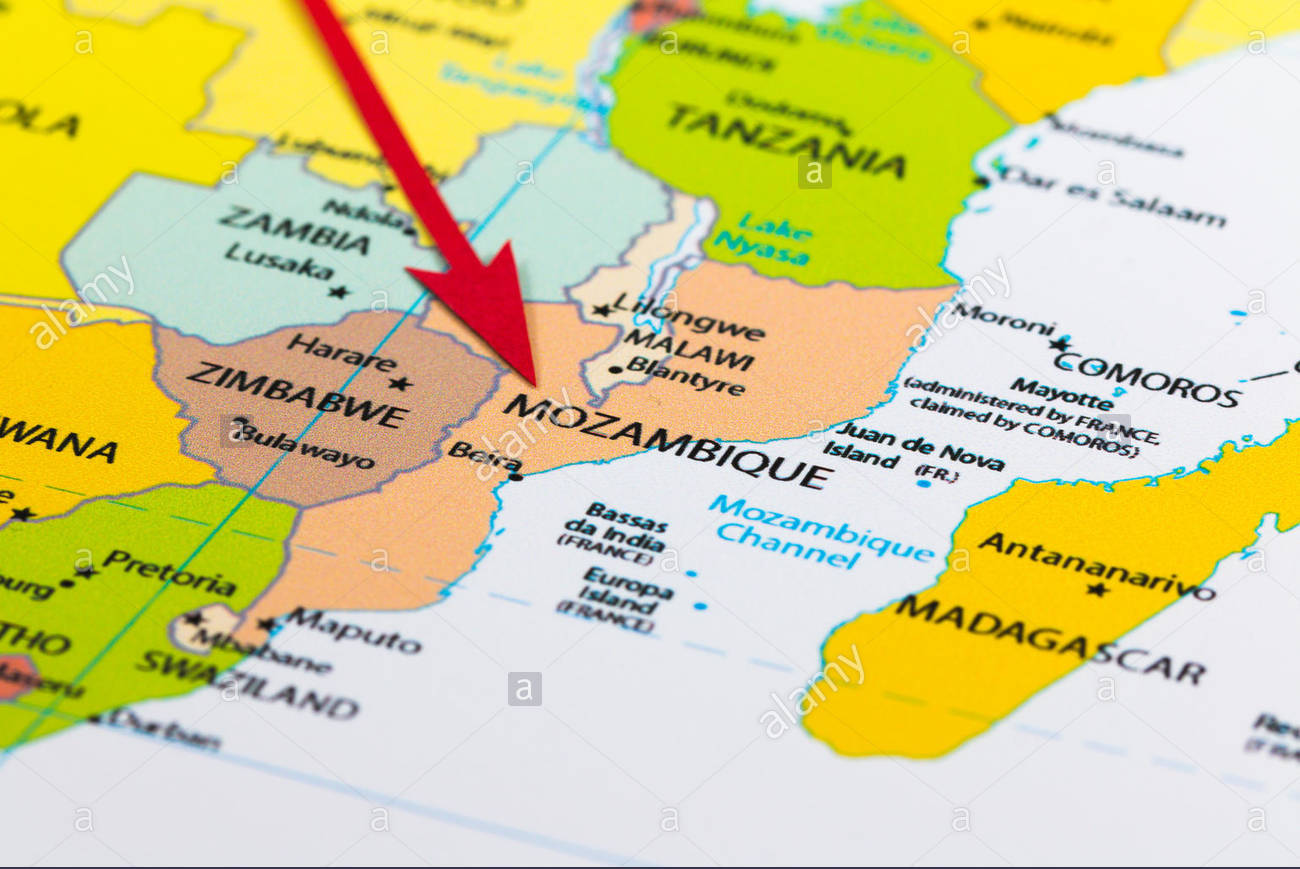 Due to its strategic position in the South-Eastern part of the African continent Mozambique has been home of various people, cultures and religions, including the Bantu from Central Africa (aka the Bushmen – the first inhabitants), Arabs, Indians and Europeans. I will not go into specific historical events and facts here but it’s worth browsing through the history of Mozambique in case you are interested. It will provide a different perspective to your local experience, if you visit the country one day. The thing that caught my attention was the apparently close relationship between Mozambique and Bulgaria during the era of Socialism. Maputo has a lot of streets named after socialist and communist revolutionaries like Karl Marx and Vladimir Lenin, even a residential area called “Georgi Dimitrov”, a Bulgarian communist politician. However this relationship ended, it has left a visible footprint on today’s architecture of Maputo.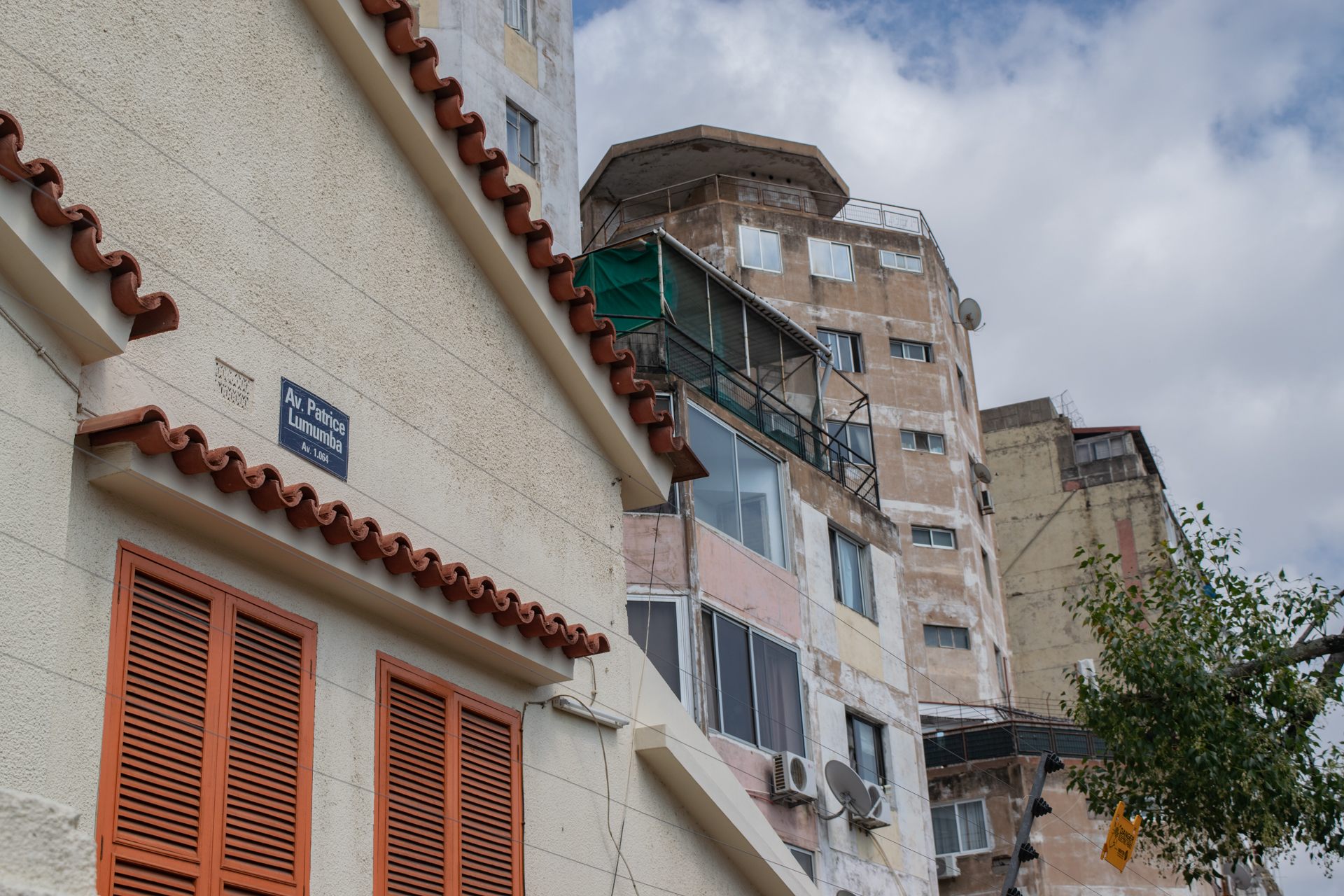
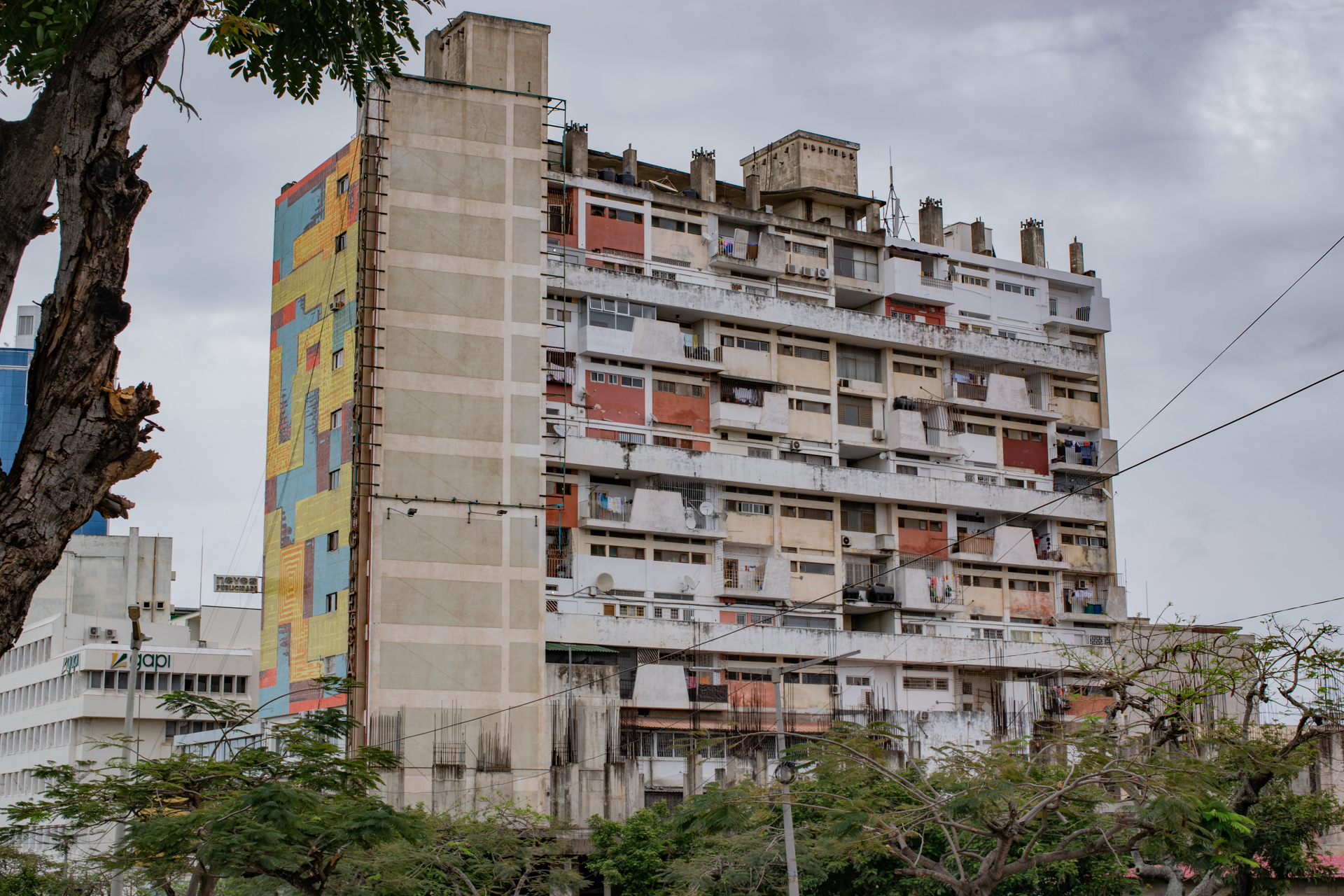
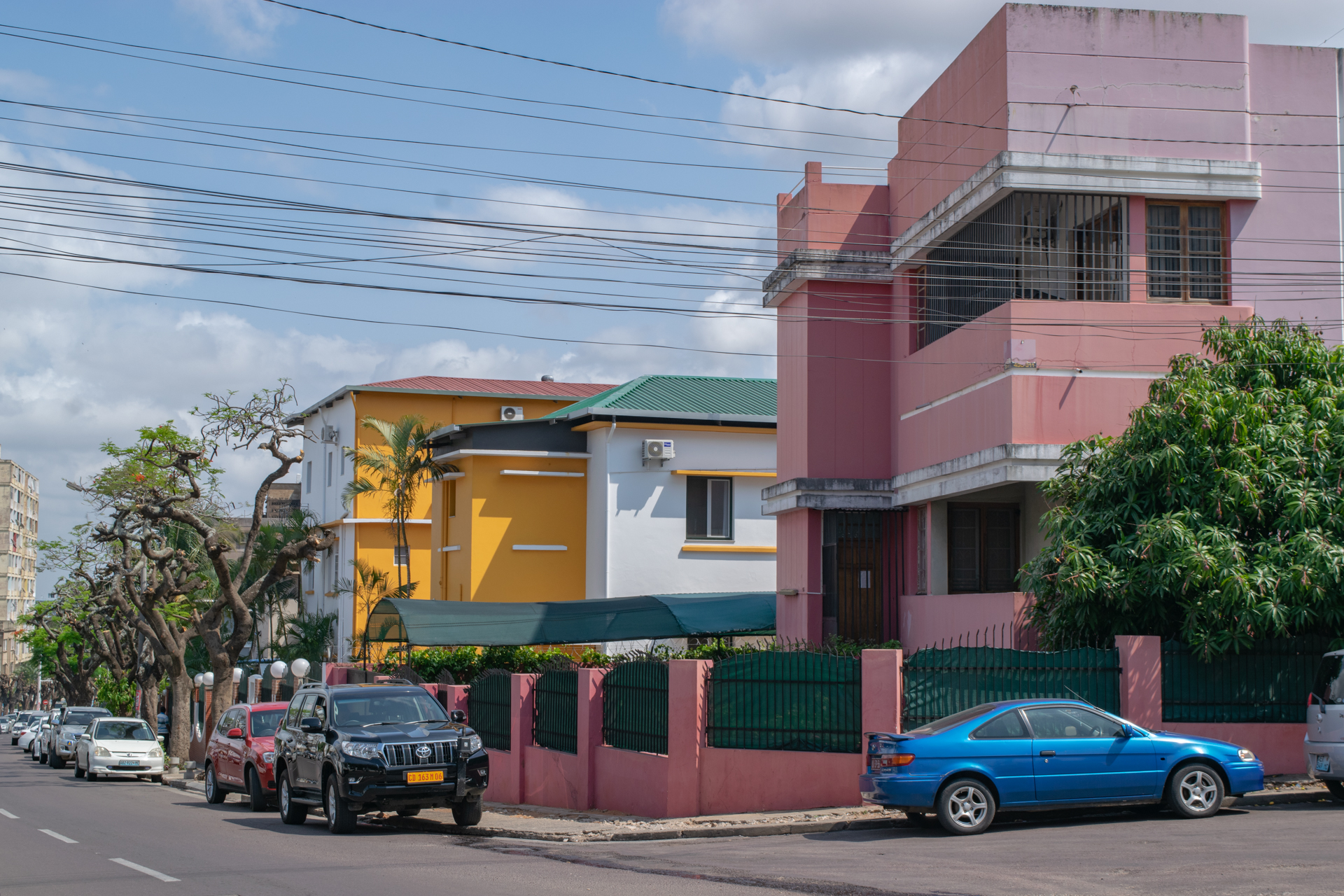
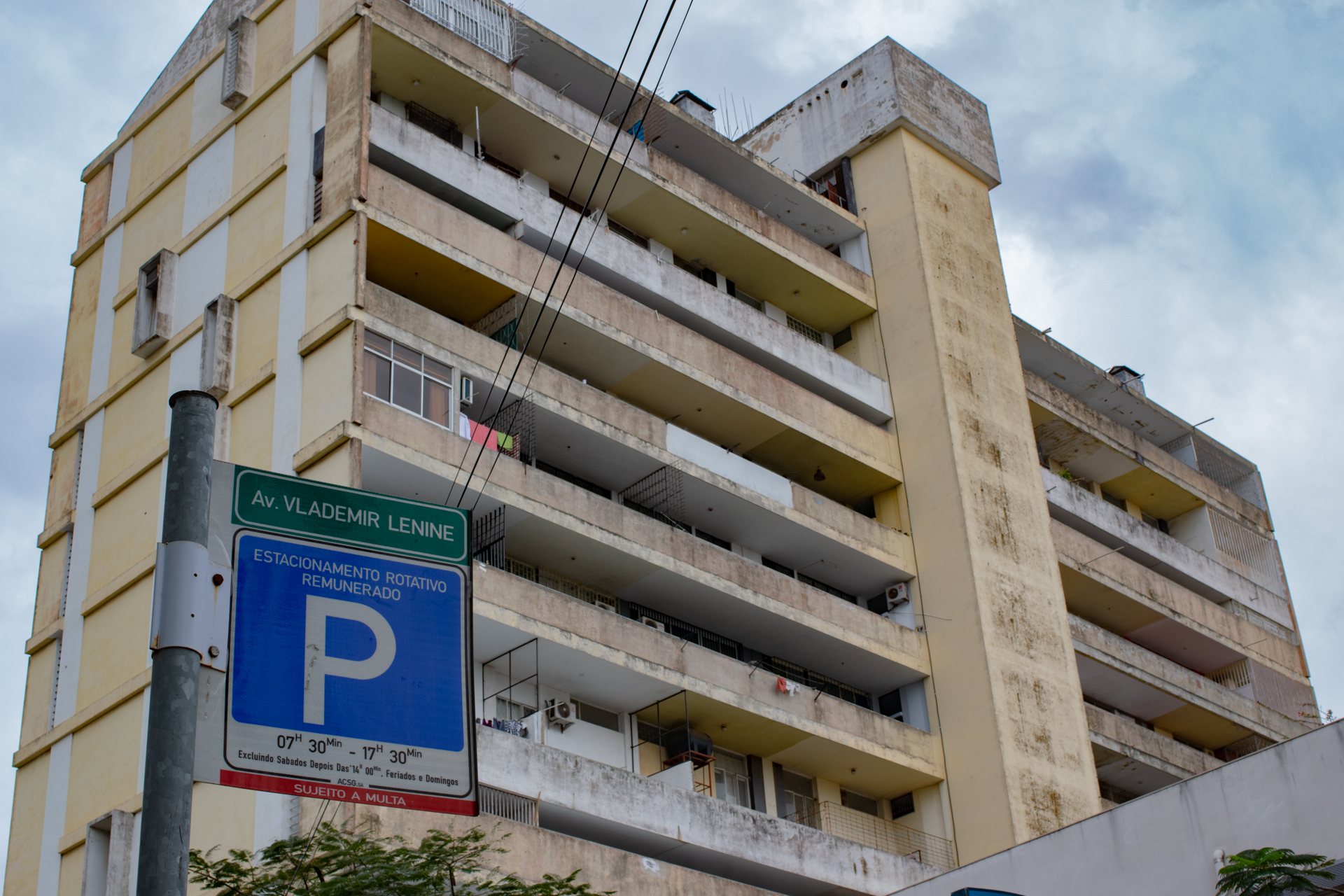 After a long connecting flight through cold and rainy Johannesburg, we arrived in cloudy and chilly Maputo late Saturday evening. After we quickly arranged our visas on arrival, a taxi took as to our centrally located guesthouse (very random but excellent choice for accommodation in Maputo). Driving through the city, the first impression of it was rather disappointing. It has the flavor of a cosmopolitan and cultural center yet quite disorganized, not really clean or maintained. A weird combination of architecture styles which simply don’t fit together – high-rising soviet style buildings next to African, colonial, art deco and modern architecture. Yet, somehow they peacefully share common urban space.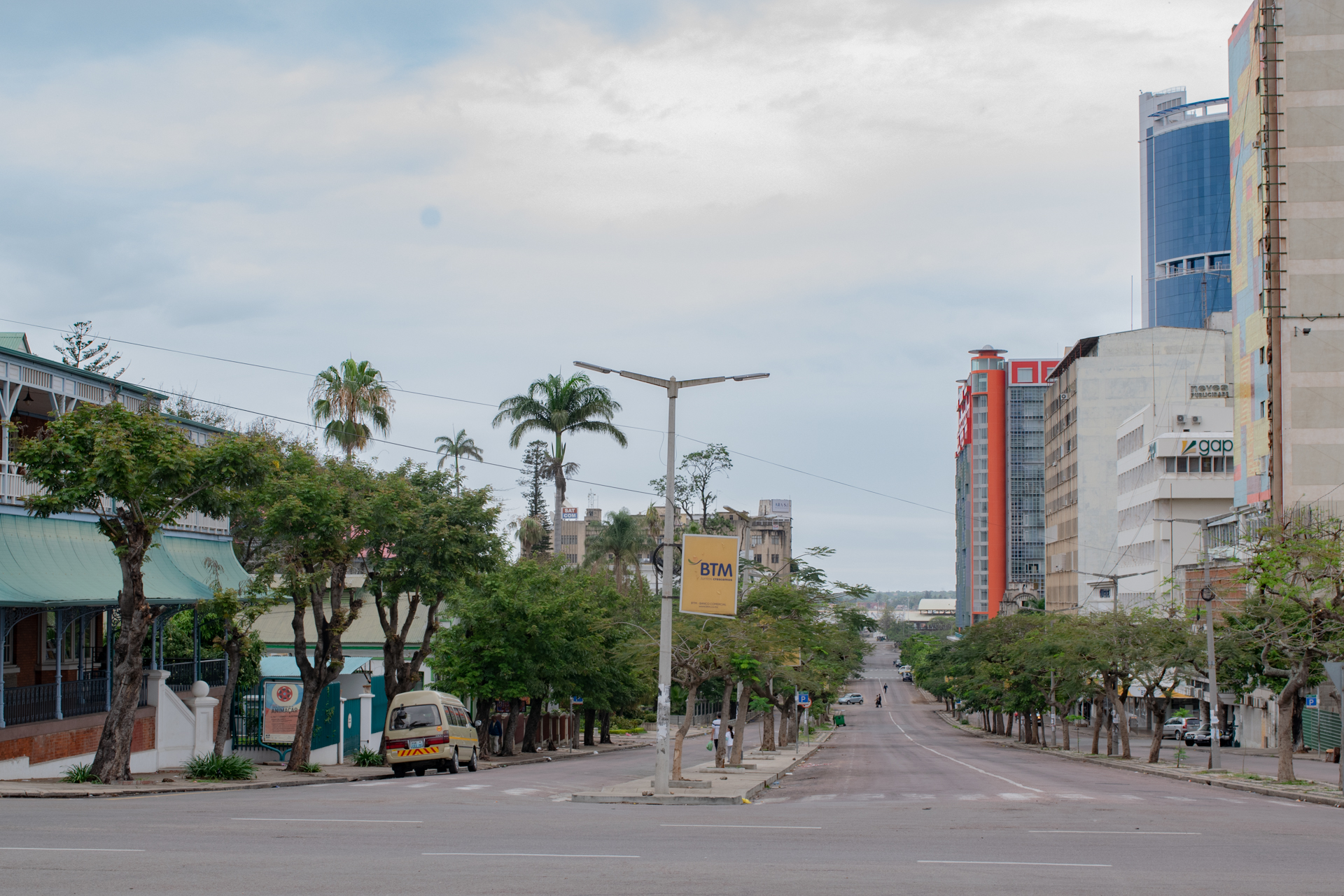
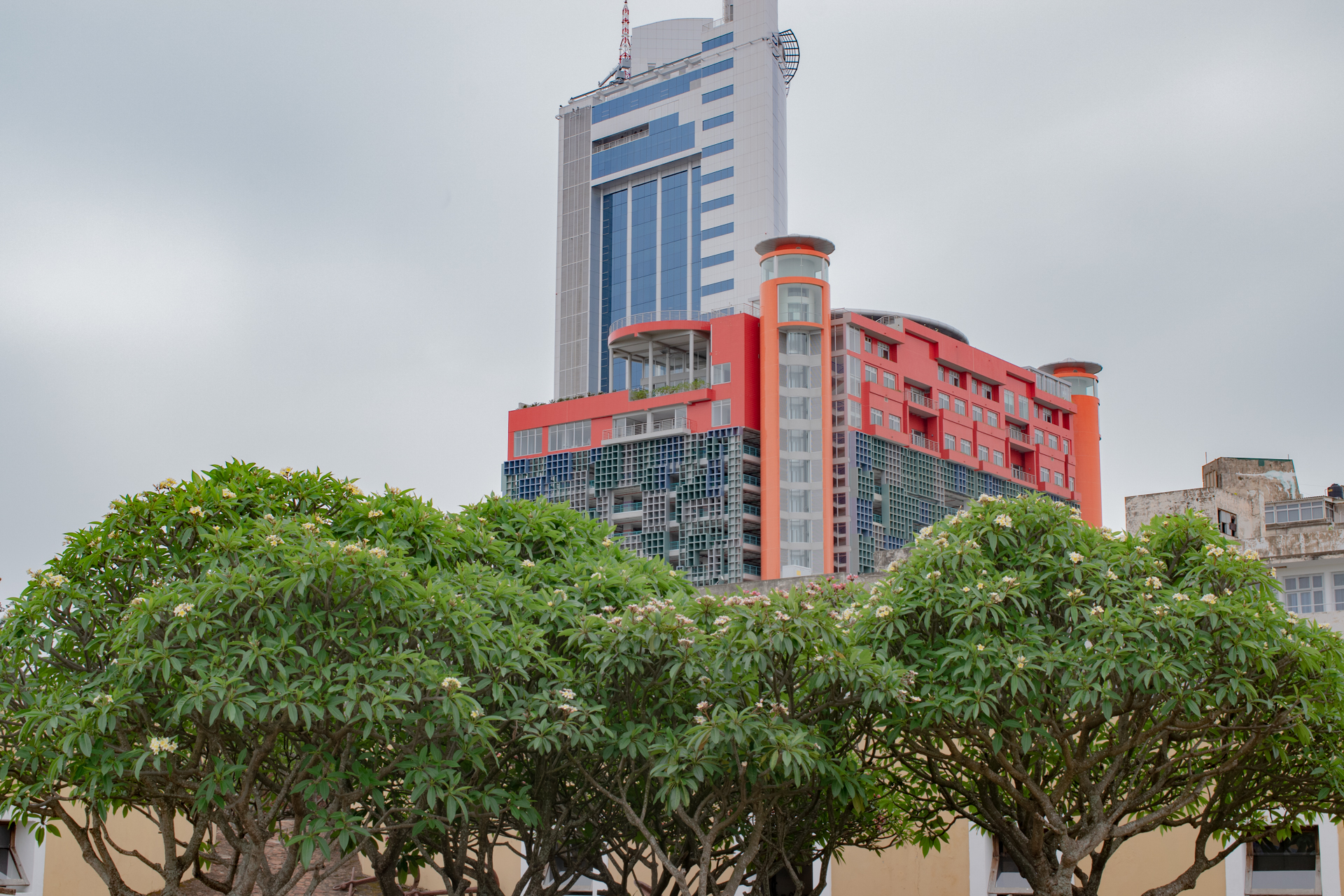
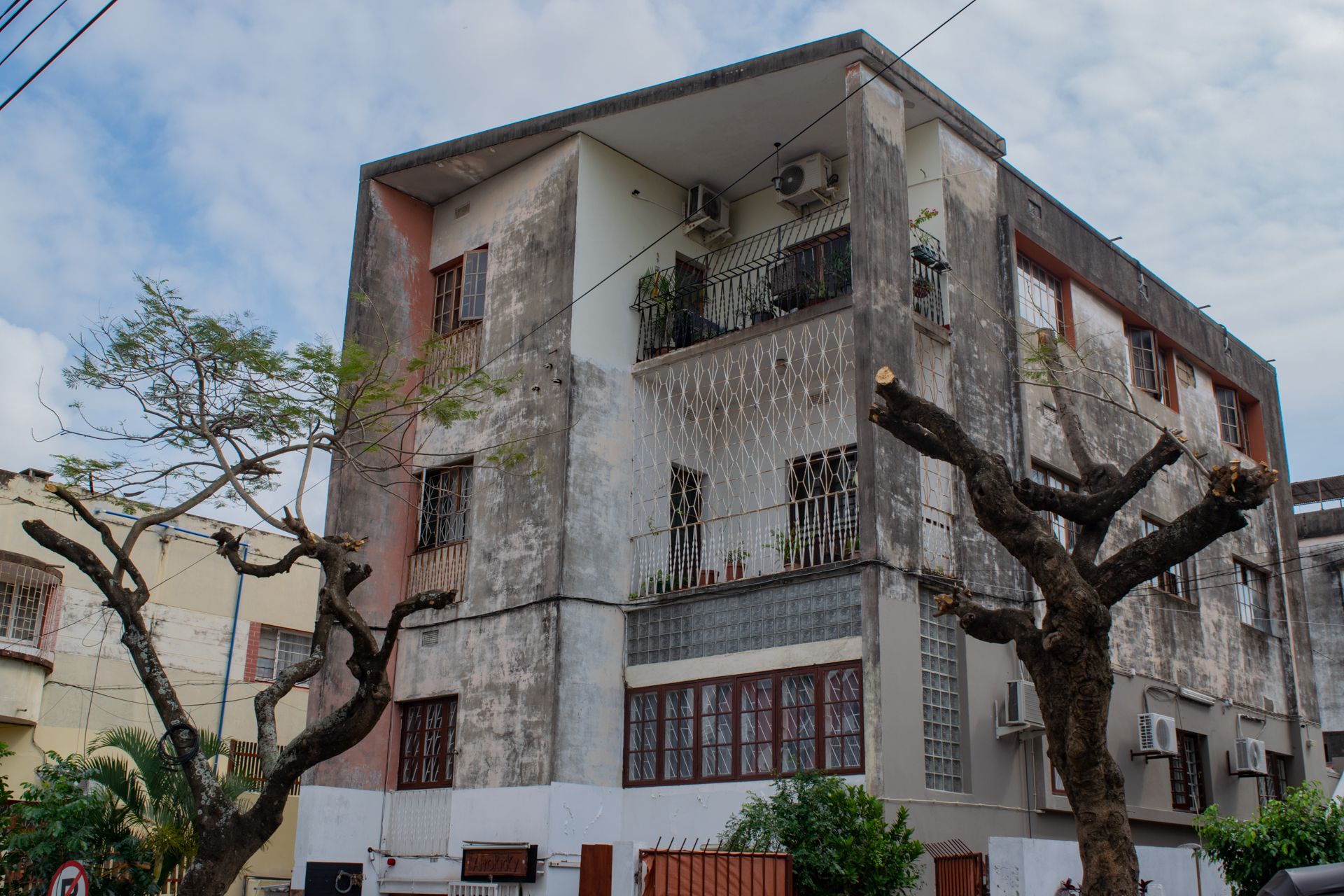
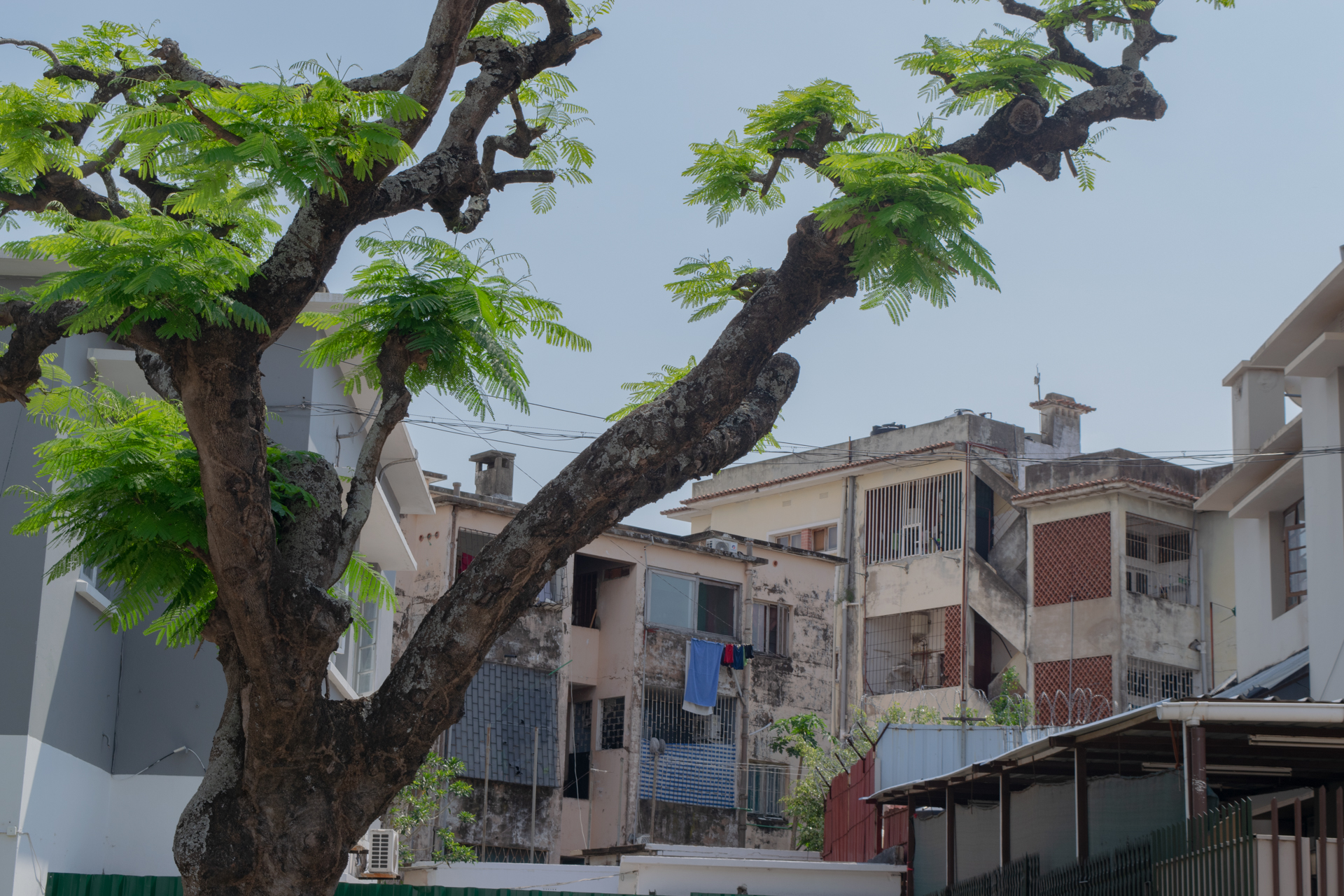 The fatigue from the long flight gave way to my curiosity to learn more about Maputo during the planned city tour on the next morning. As mentioned, I am not going into many sightseeing and history details here. However, Maputo architecture is something I simply can’t skip as it is what makes this city so unique and interesting to explore.
A quick City Tour in Maputo
Exactly on time at 9 am our city tour guide Simon – a very young and knowledgeable Swaziland native, was waiting for us in front of the guesthouse (quite impressive provided the relaxed mentality of all African countries I’ve visited so far). The weather was ideal for a city tour – a cool, cloudy Sunday with no forecast for rains.
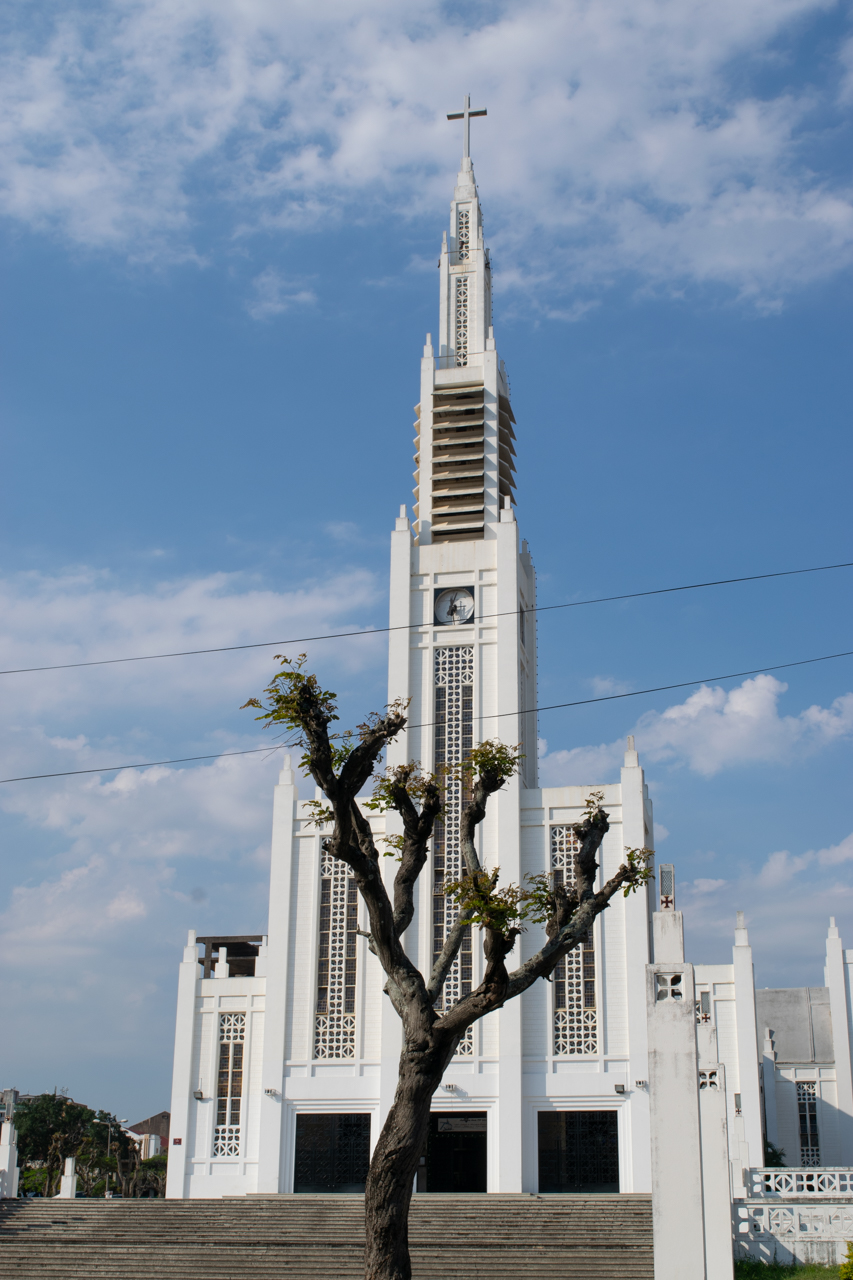
We started off at Praça da Independencia and the statue of the first President of Mozambique – Samora Machel (1975-1986) – a military, revolutionary and socialist in the tradition of Marxism-Leninism. 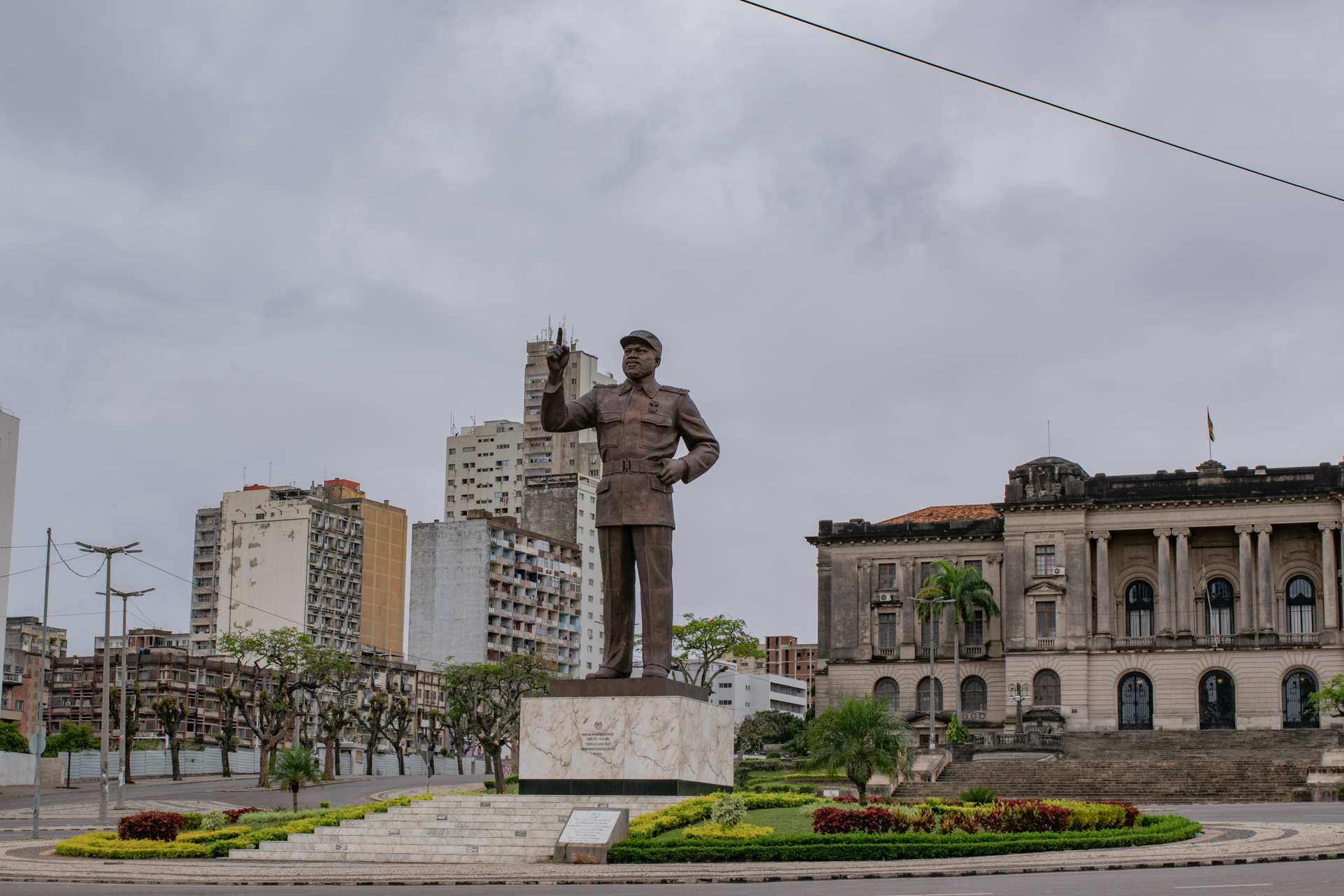 I didn’t have time to reflect but something in his look reminded me of other political figures from my childhood. Simon was already pointing towards the Catholic Cathedral on the right of the statue – Cathedral, Nossa Senhora da Conceição, built 1941-1945 using forced labors and chained prisoners under dreadful conditions.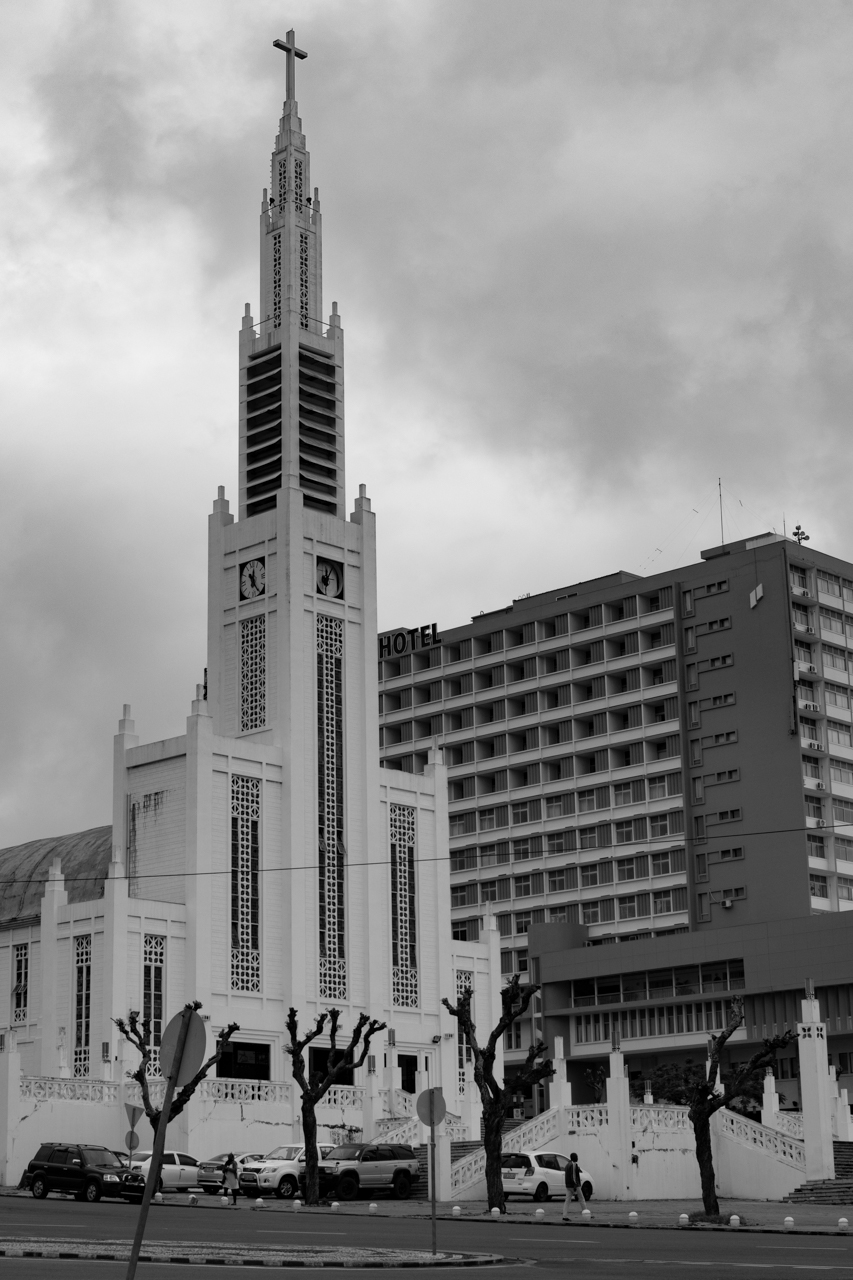
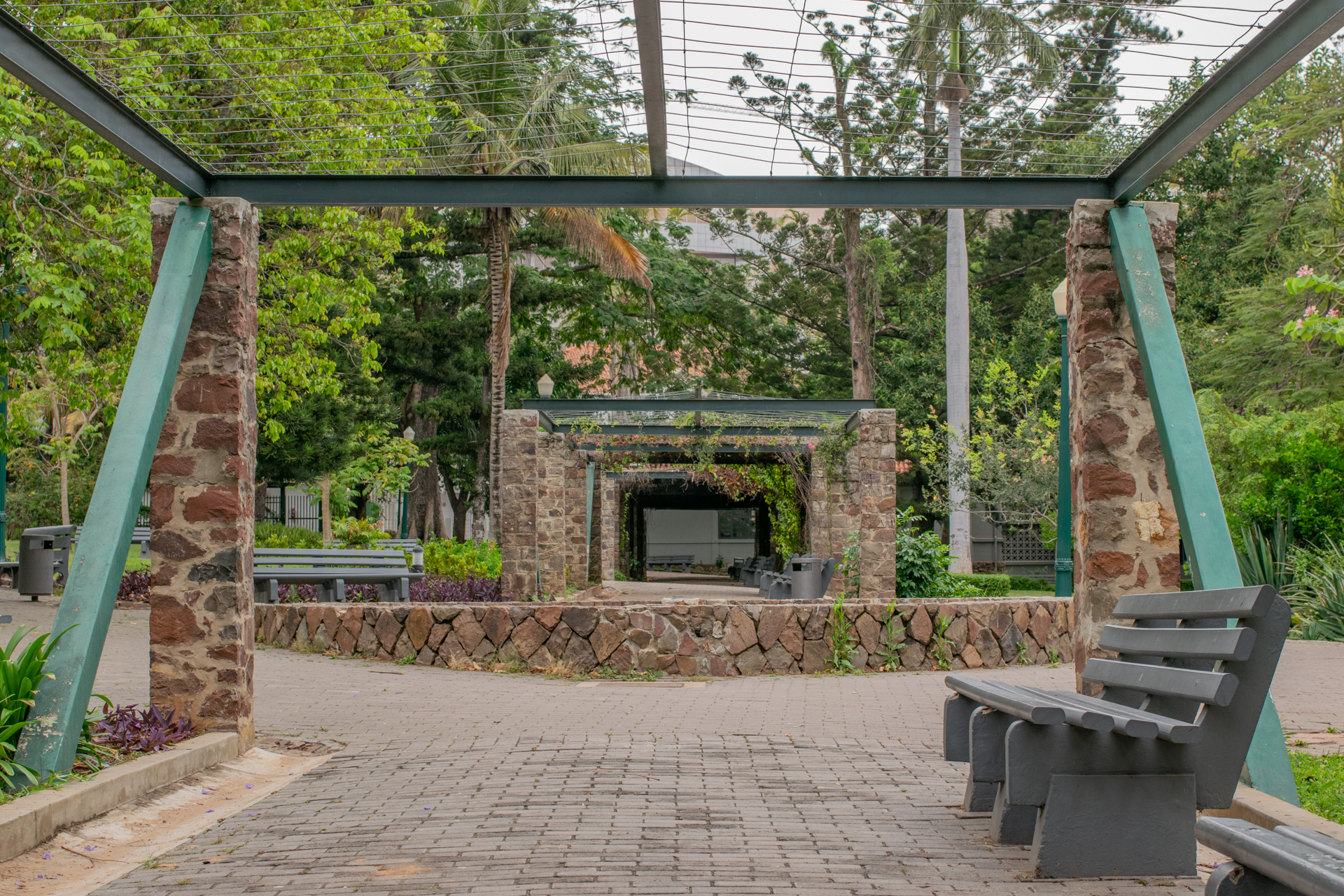
 We went on to the nearby botanical garden Jardim Tanduru, a small one indeed, more than a century old, and with a lovely assortment of plants. The only other visitors were a young couple and their child accompanied by a local professional photographer arranging creative compositions with the family members.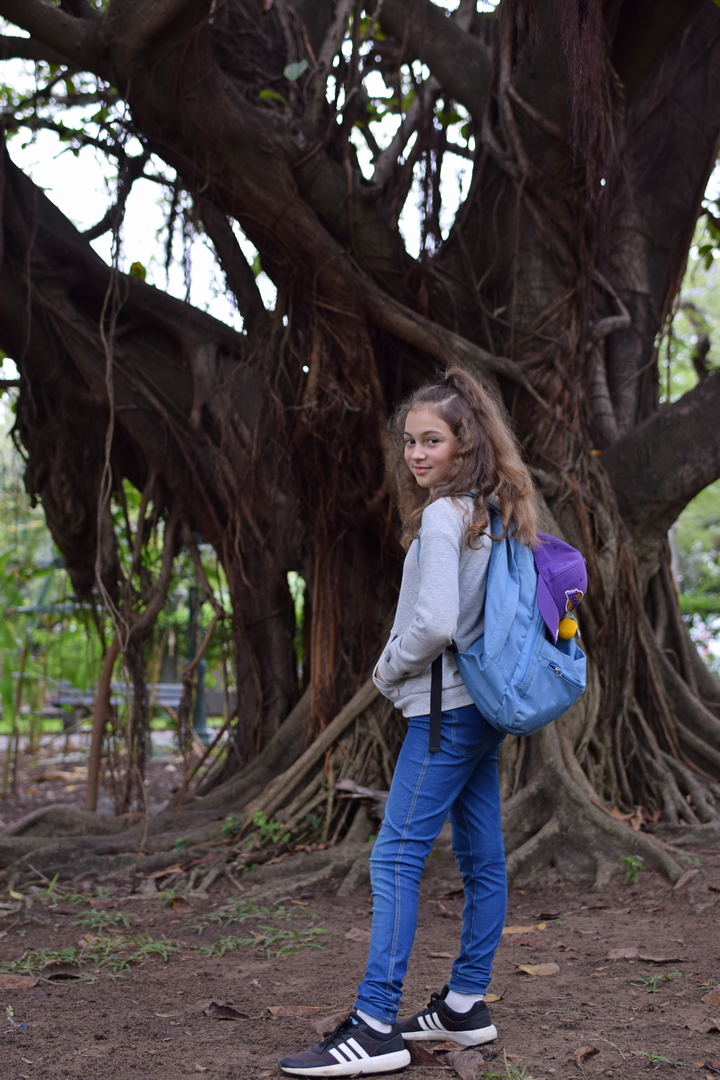
 Right before the entrance of the gardens was the Case de Ferro (Iron House) – a very ugly building, I would say. Produced in Belgium, transported from the Universal Exhibition in Paris and assembled in Maputo in 1892, it was meant to become the residence of the governor.
 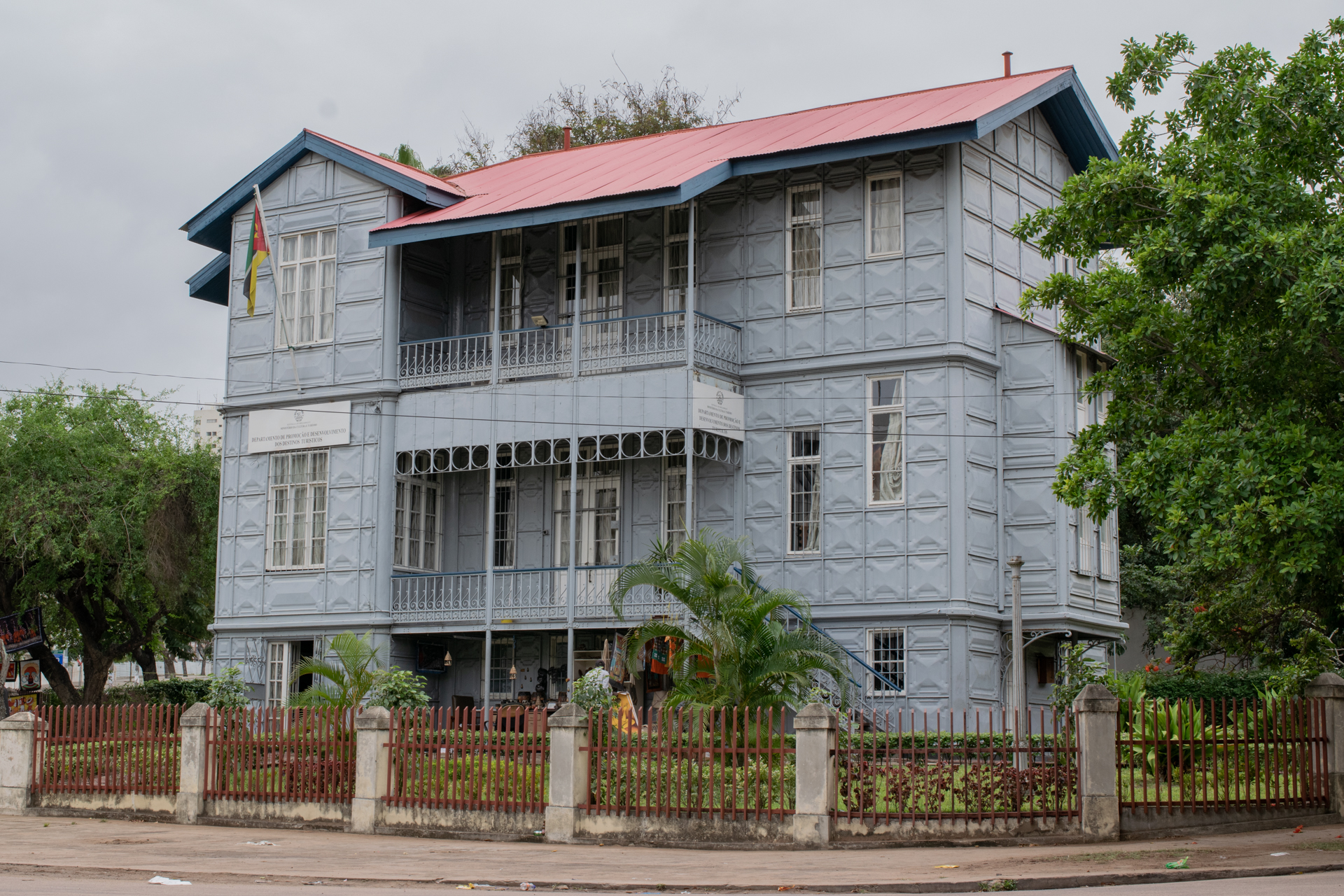 Not surprisingly, he didn’t like the building. Today, it houses the Cultural Heritage Authority of Mozambique – quite a brave decision to choose exactly this type of building to host the cultural heritage of a country!
As soon as we left Tanduru, another building caught my attention – TAP-Montepio. With its colorful mosaic façade designed by Gustavo de Vasconcellos in 1959, it strikingly contrasted with the grey cloudy sky that morning. 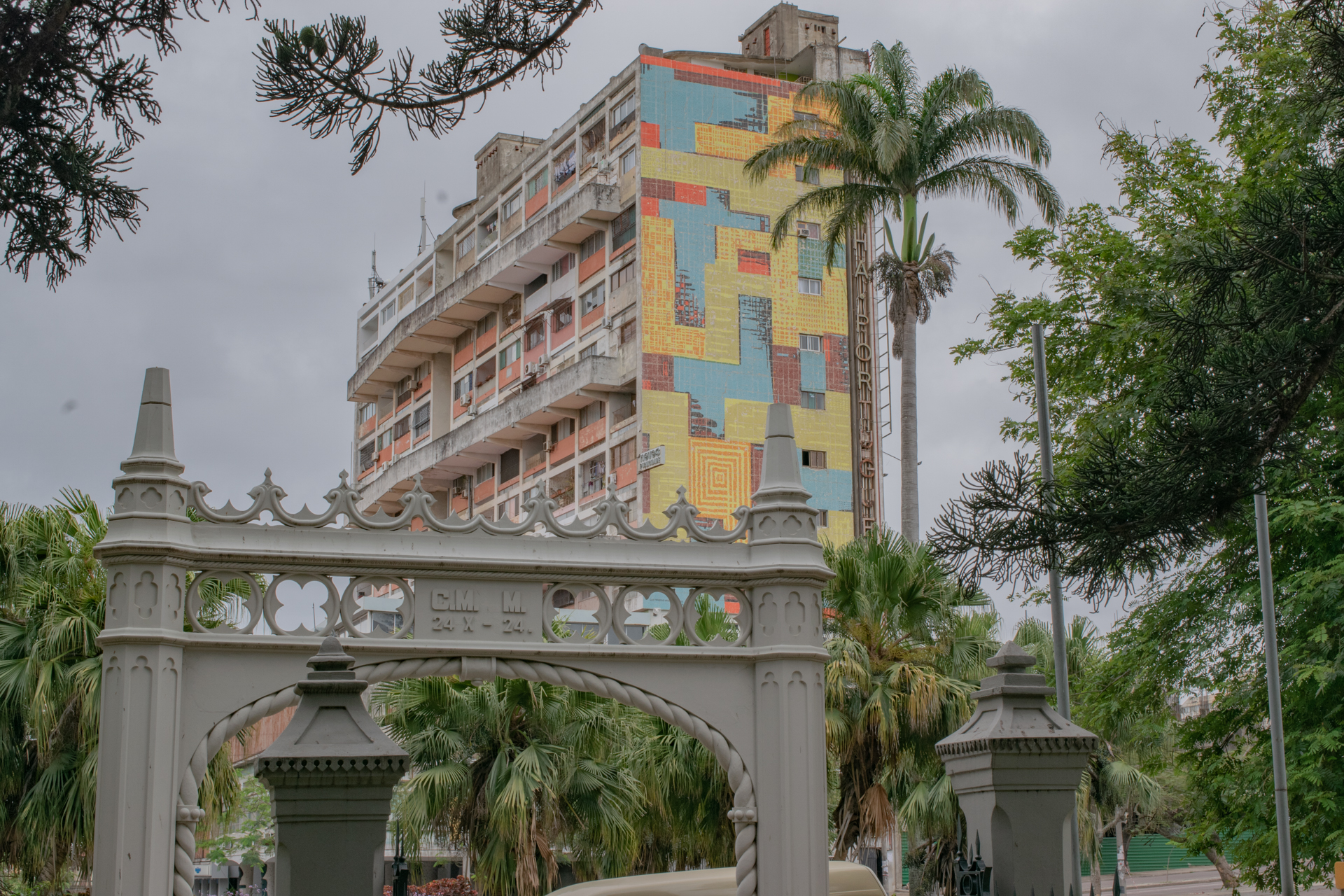
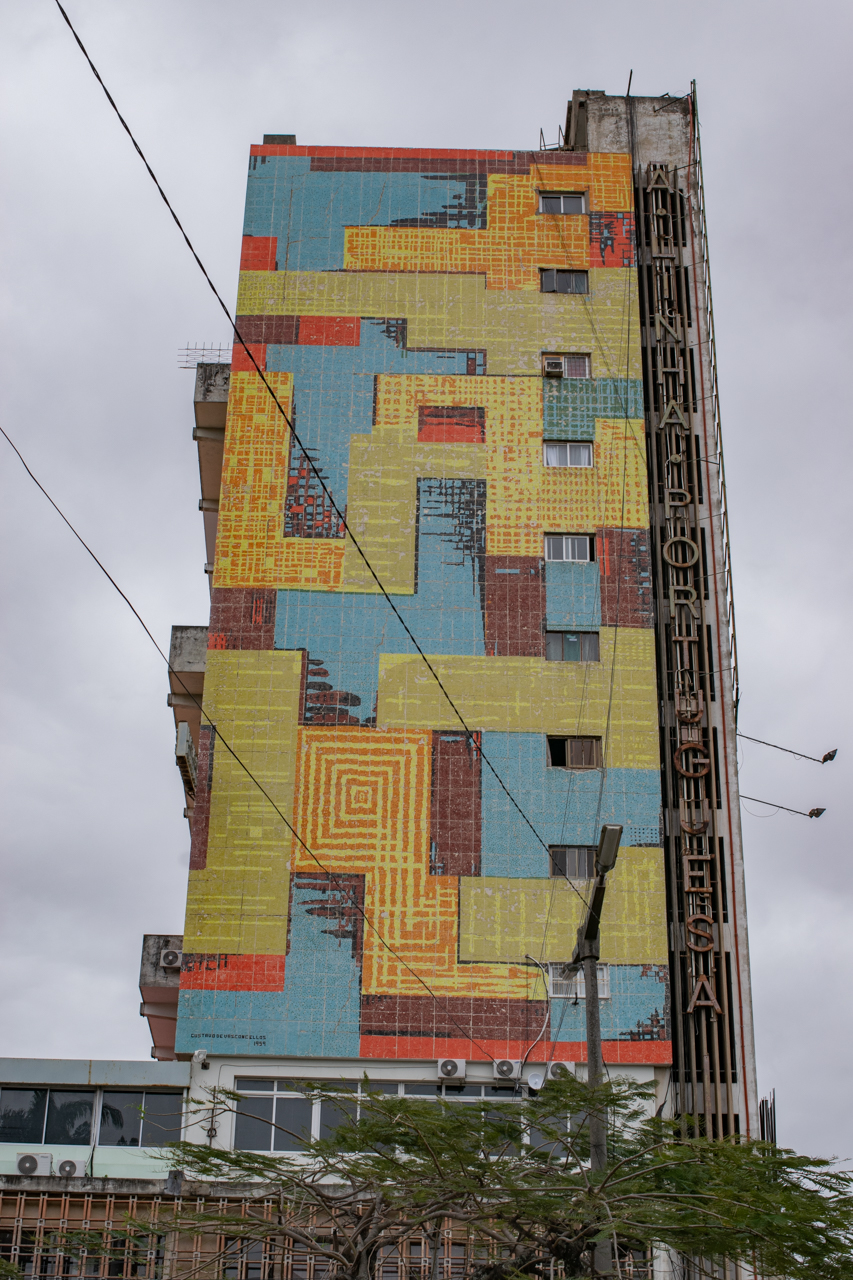 The design of the building intended to promote urban modernity, combining a huge ground floor occupied by commercial services with the rest of the floors meant for housing. If more buildings in Maputo follow the example of Montepio and give just a small creative touch to their façades, this would significantly improve the entire look of the urban landscape.
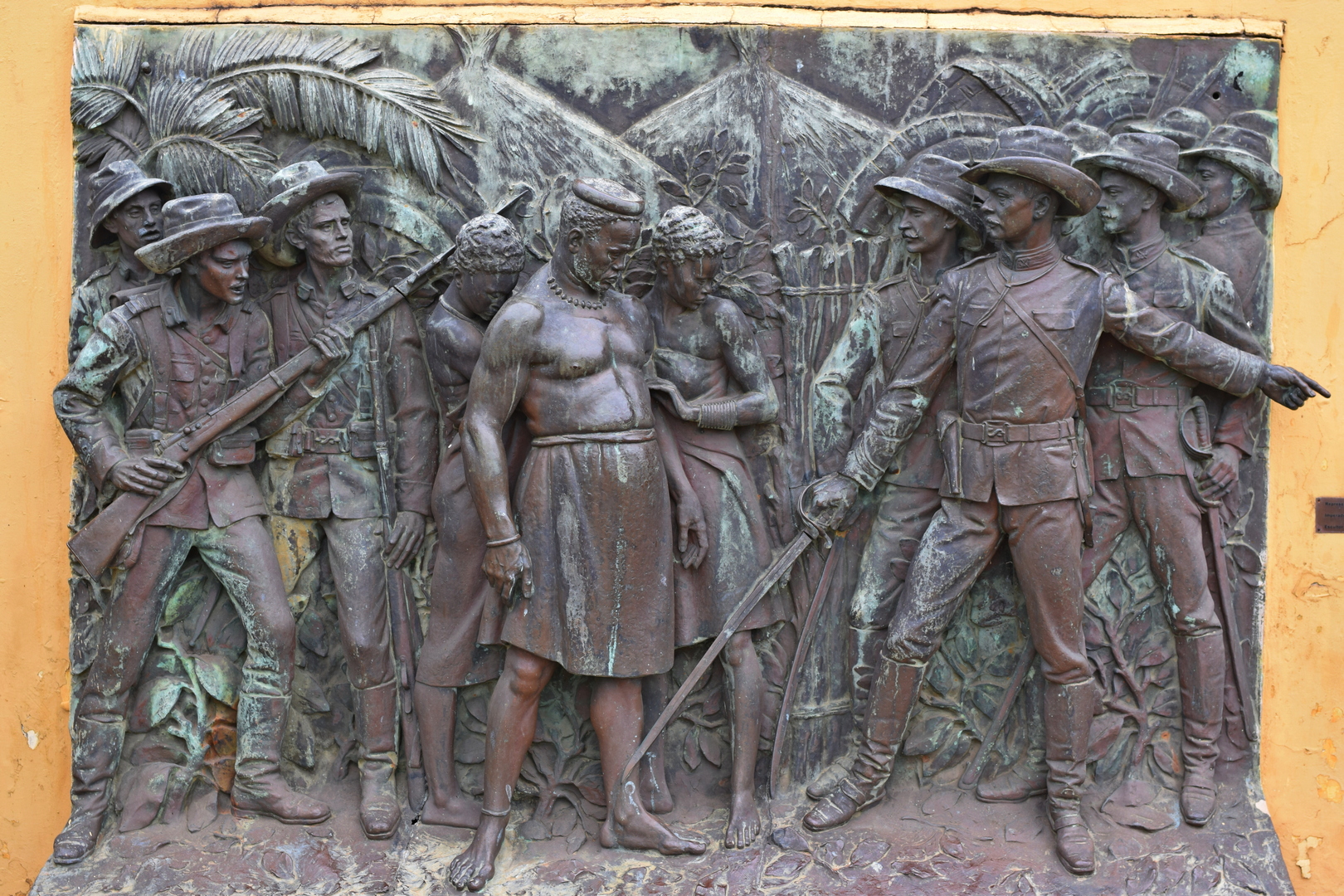
Our next stop was the Fort Nossa Senhora da Conceição built in 1811, which has been turned into a military museum. 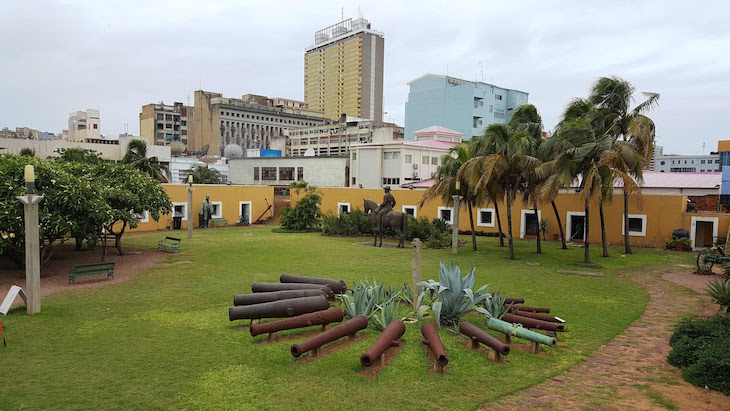 It was difficult to me to follow all historical events and names shared by our guide but if there is one thing to remember about the colonial history of Mozambique, this would be the name of Gungunhana (not easy to pronounce, indeed). He was the last tribal king of the Empire of Gaza, a territory now part of Mozambique. Gungunhana was a vassal of the Portuguese Empire who had 100 wives and who rebelled against the colonizers. He was defeated by the Portuguese General Joaquim Mouzinho de Albuquerque and lived the rest of his life in exile in Portugal, with only two women who were allowed to come with him. Poor man..
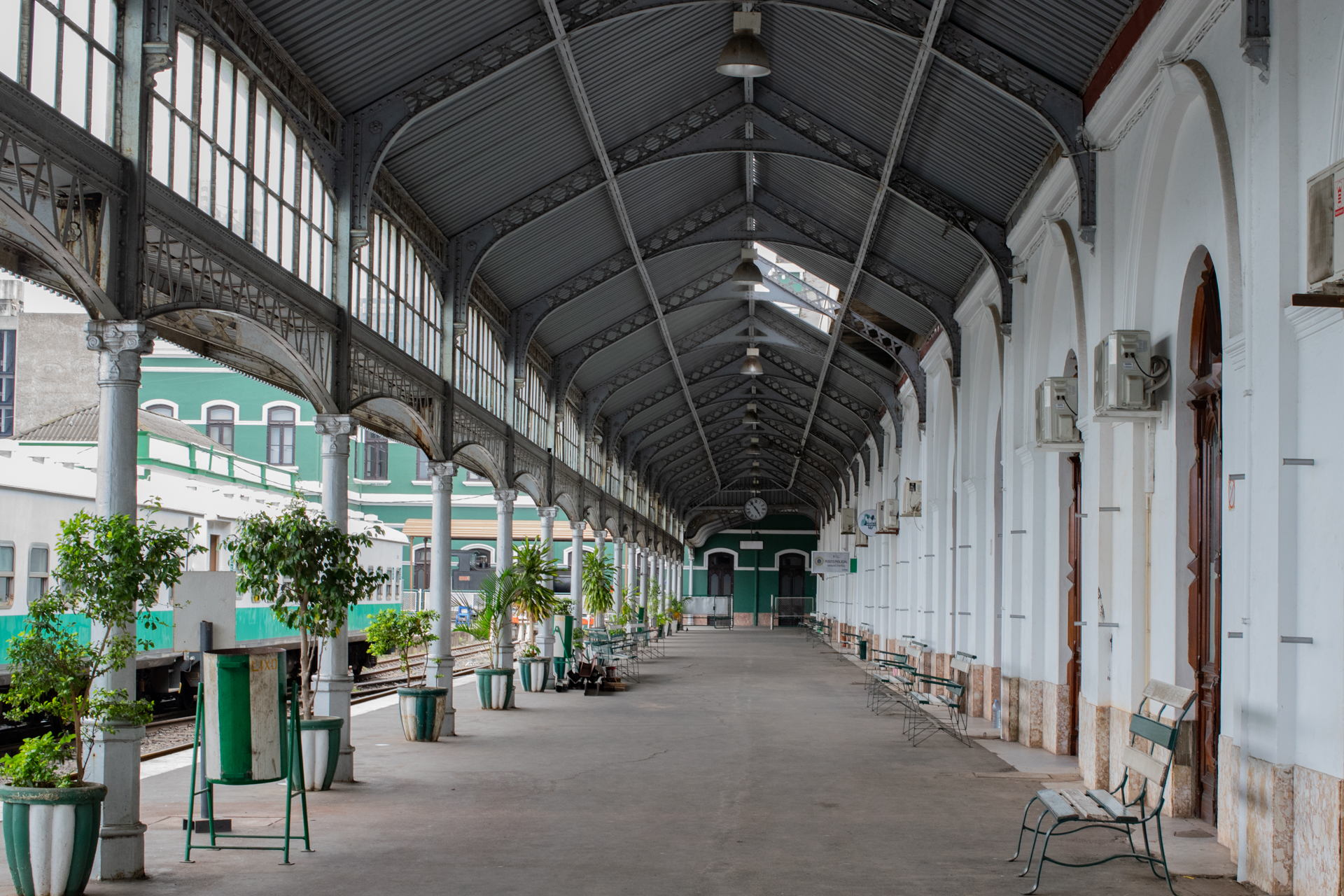
  Maputo Railway Station also deserves a dedicated paragraph; for two reasons. First, this is where one of the scenes of “Blood Diamond” – the famous movie with Leonardo di Caprio was shot in March 2006. Second, it has been ranked by international publications as one of the world’s most beautiful railway stations, as it can be seen on the pictures below.
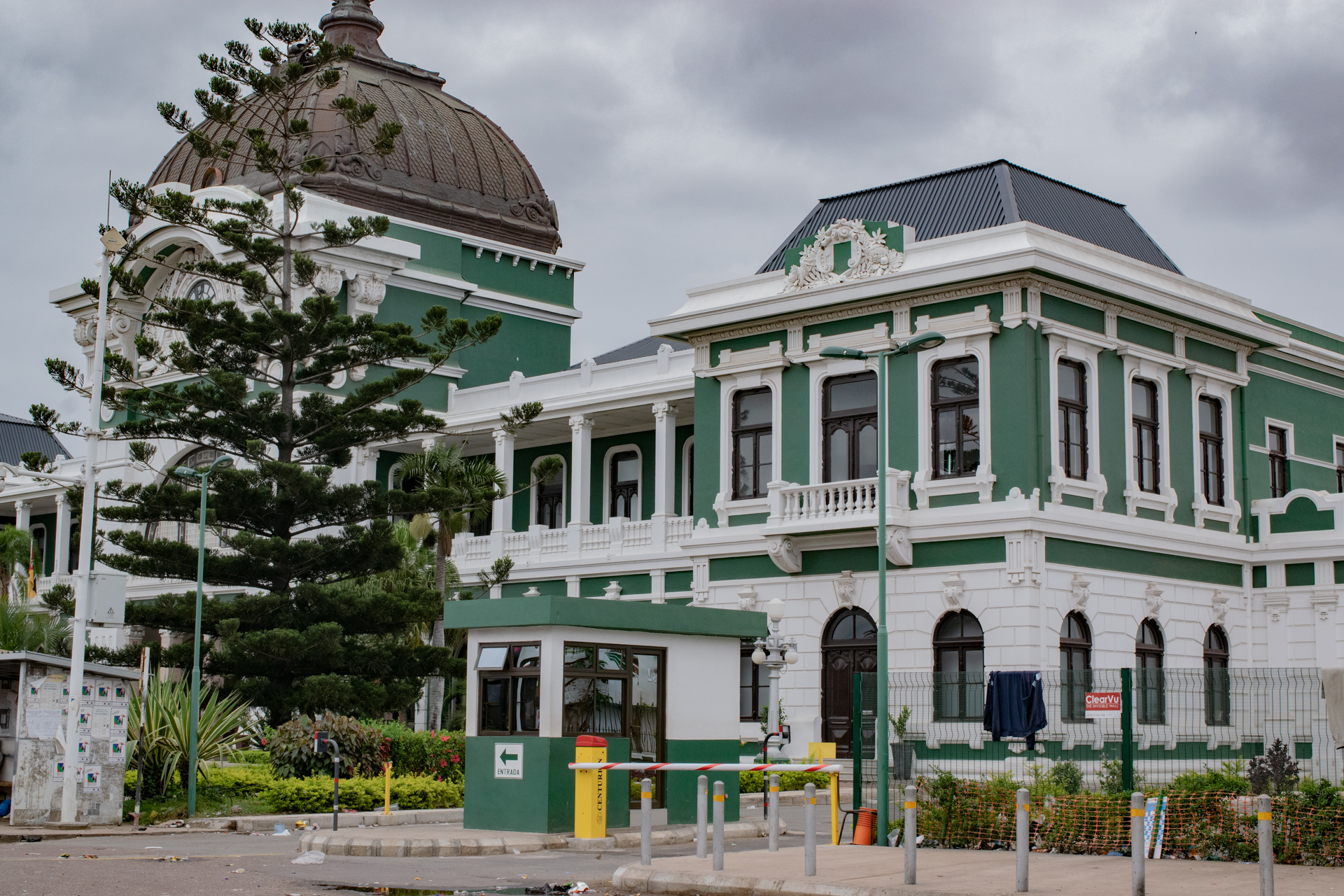
Maputo railway station built in the Beaux-Arts style taught in Paris in the second half of the 19th century and then widely spread in other countries.
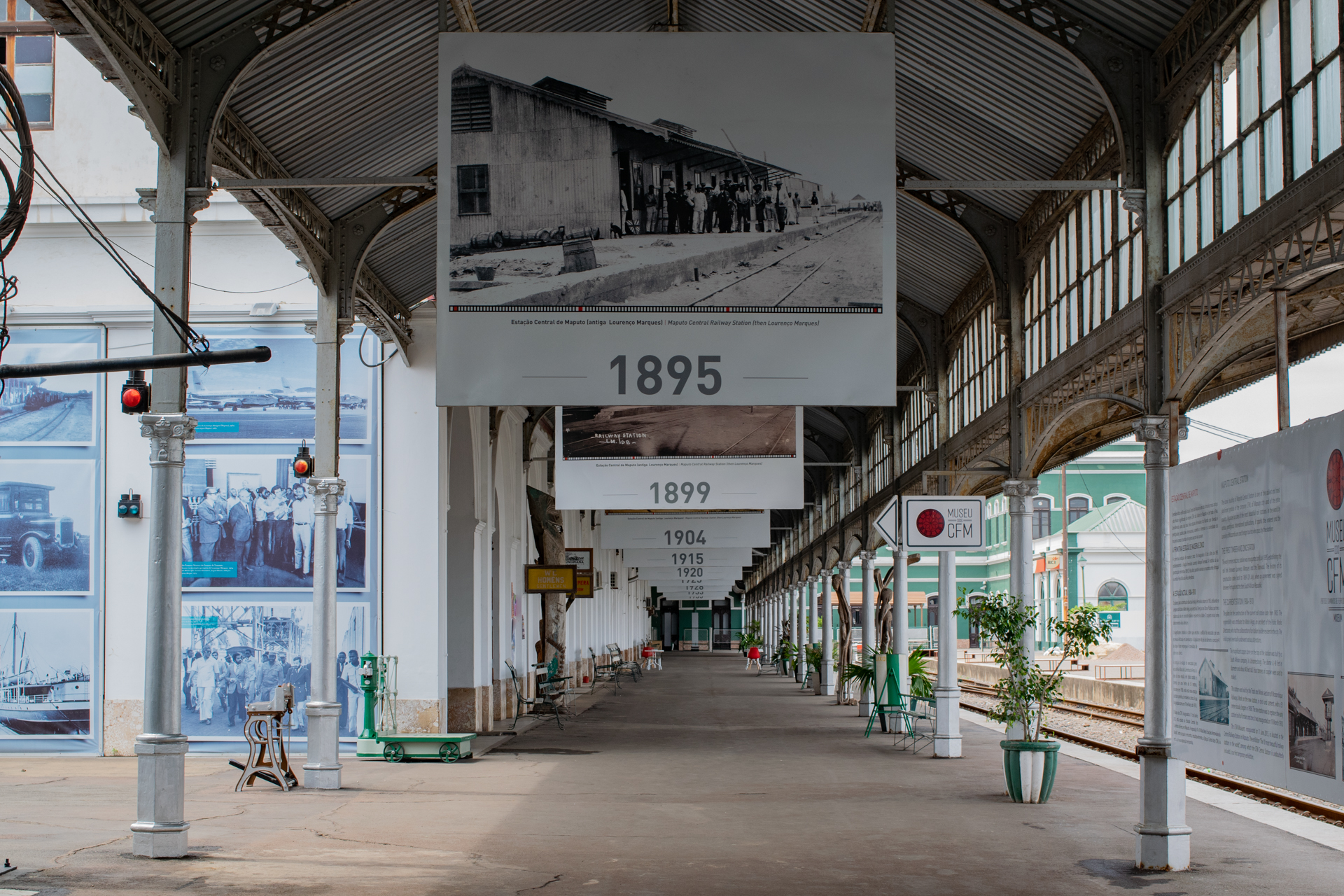
Photo exhibition illustrating the chronology of the railway construction
Nowadays besides its main purpose, the railway station hosts a rail museum, bistros and music events. I guess this is another great idea how to uplift the status of many railway stations around the world.
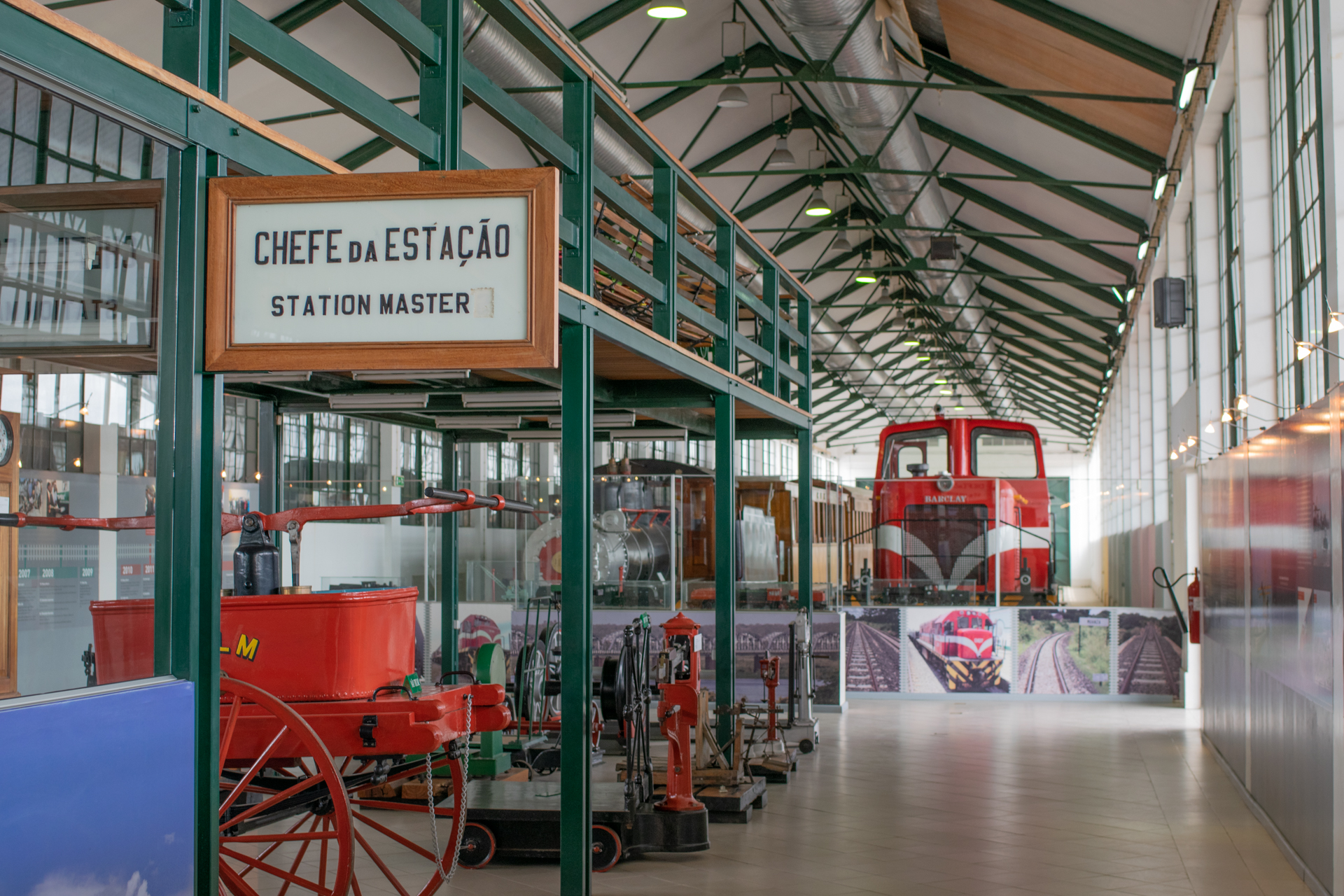
The station also houses a railway museum
On weekdays the station comes alive and many people meet for a cup of coffee at the artistic station bistros
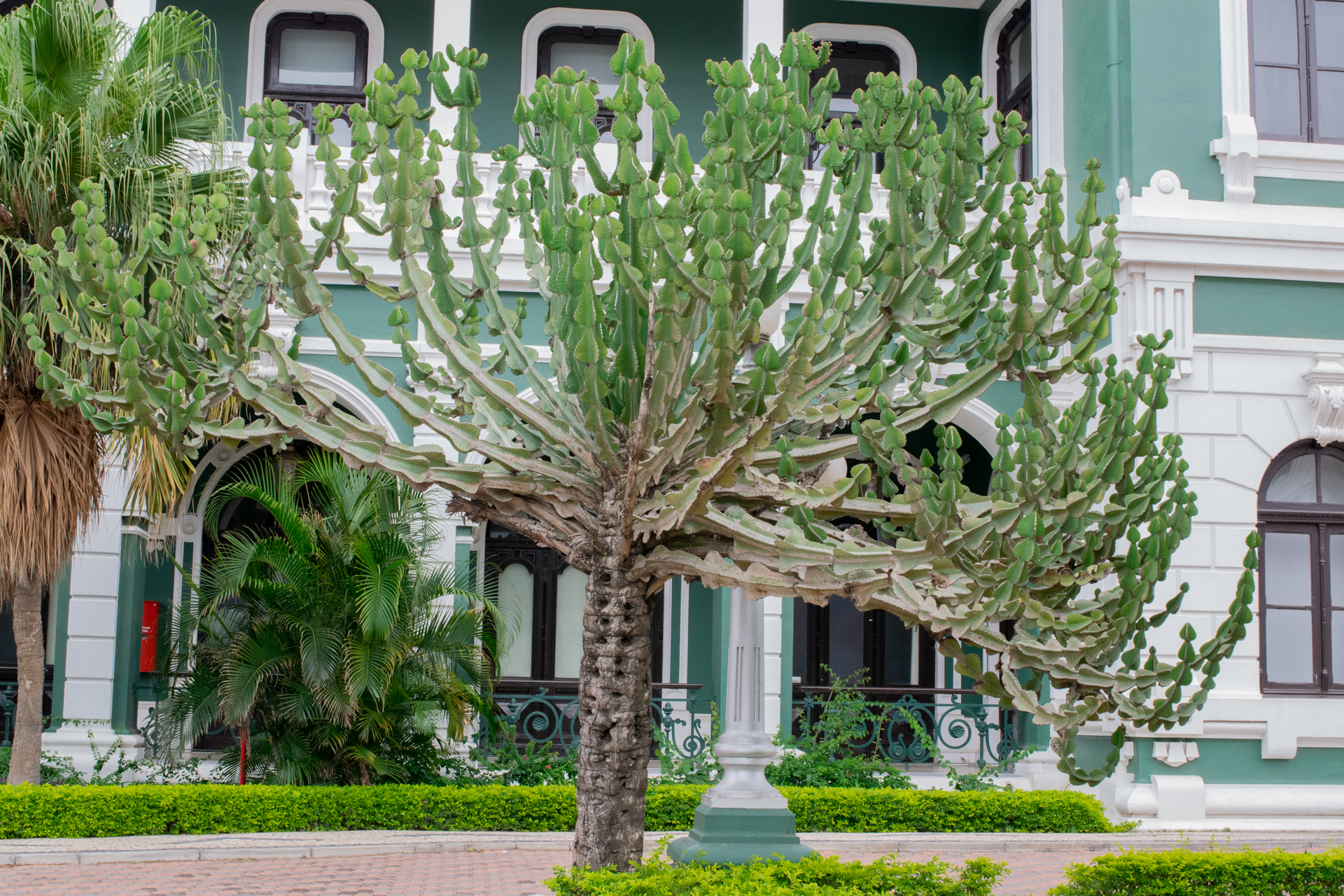
One of my favorites cactus trees in Africa
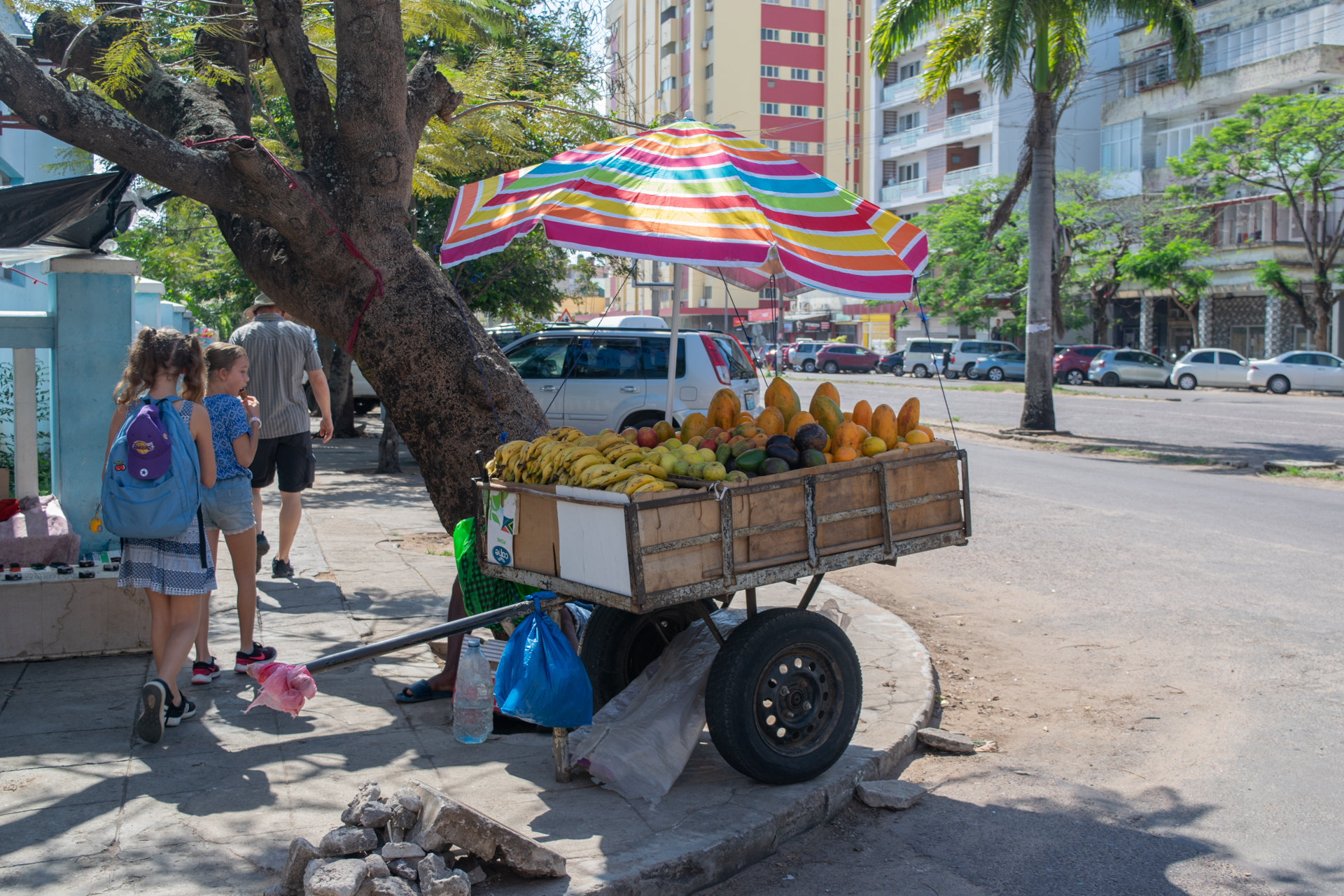
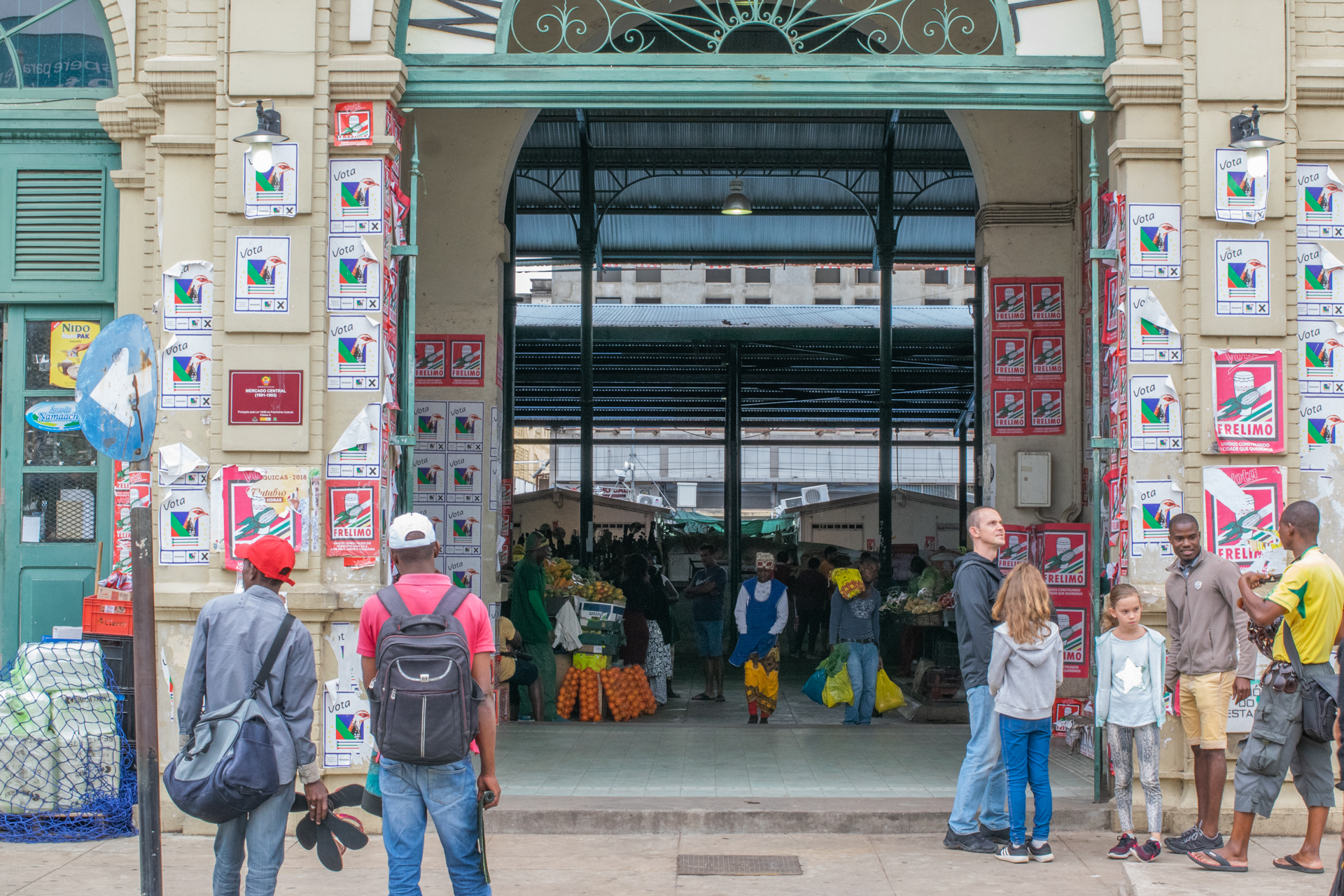
After having lived in Rwanda for 2 years now, The Central Market of Maputo (also known as Bazar de Baixa, or downtown bazaar) didn’t really impress me. True, it was clean and quite well organized, supplying large variety of vegetables, exotic fruits and herbs but nothing extraordinary like at some other African markets I’ve visited before. 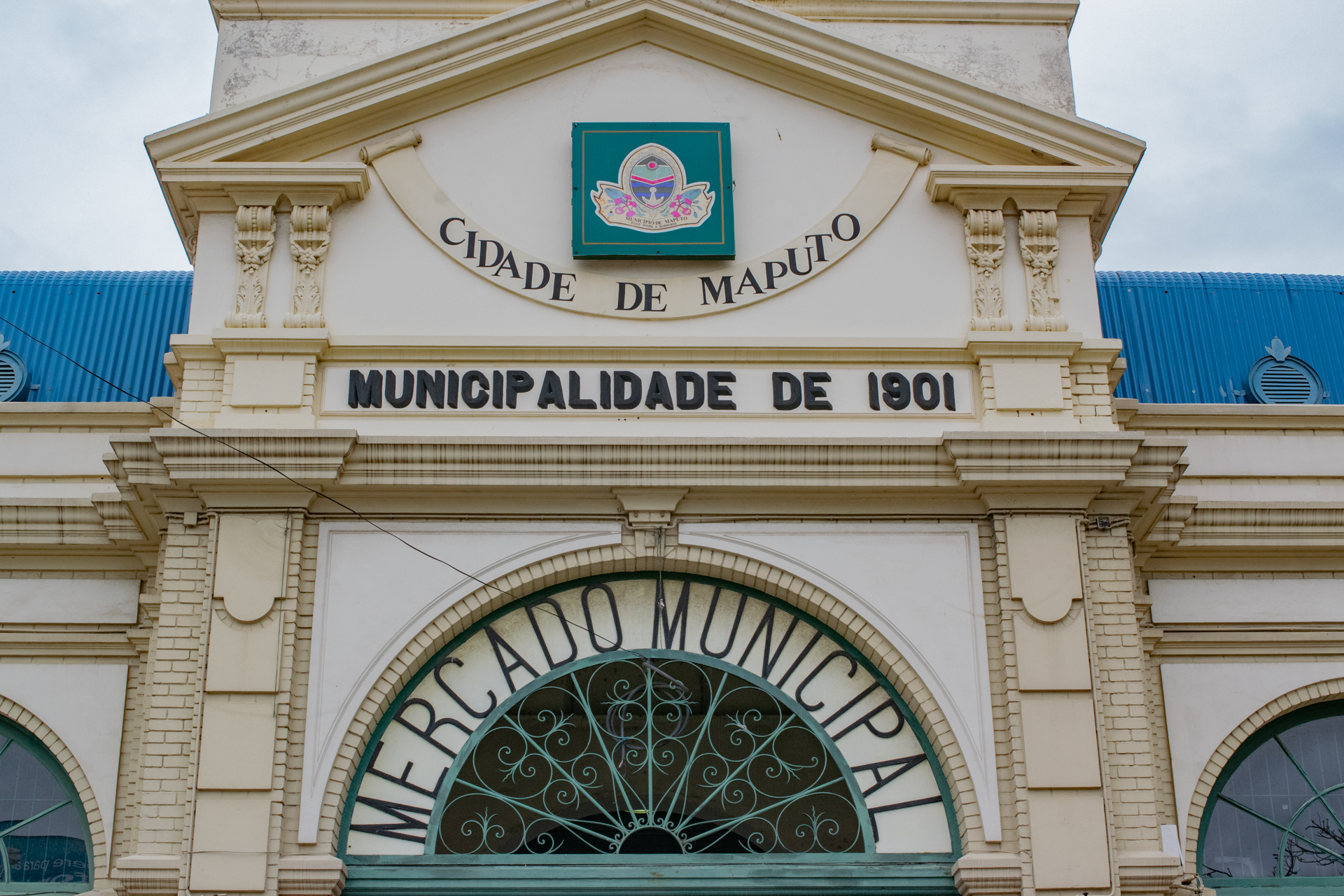
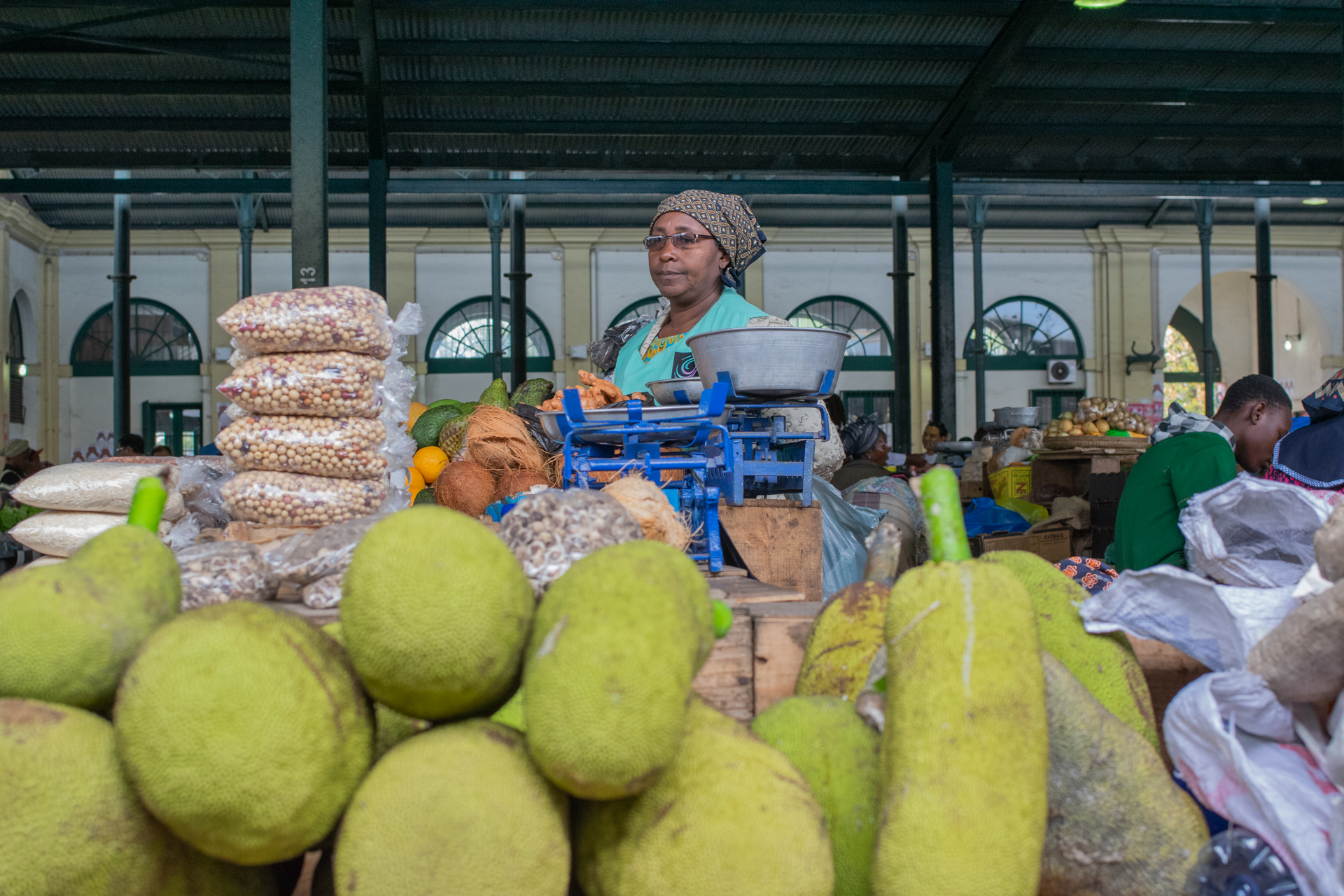
A stand selling nuts and jackfruits
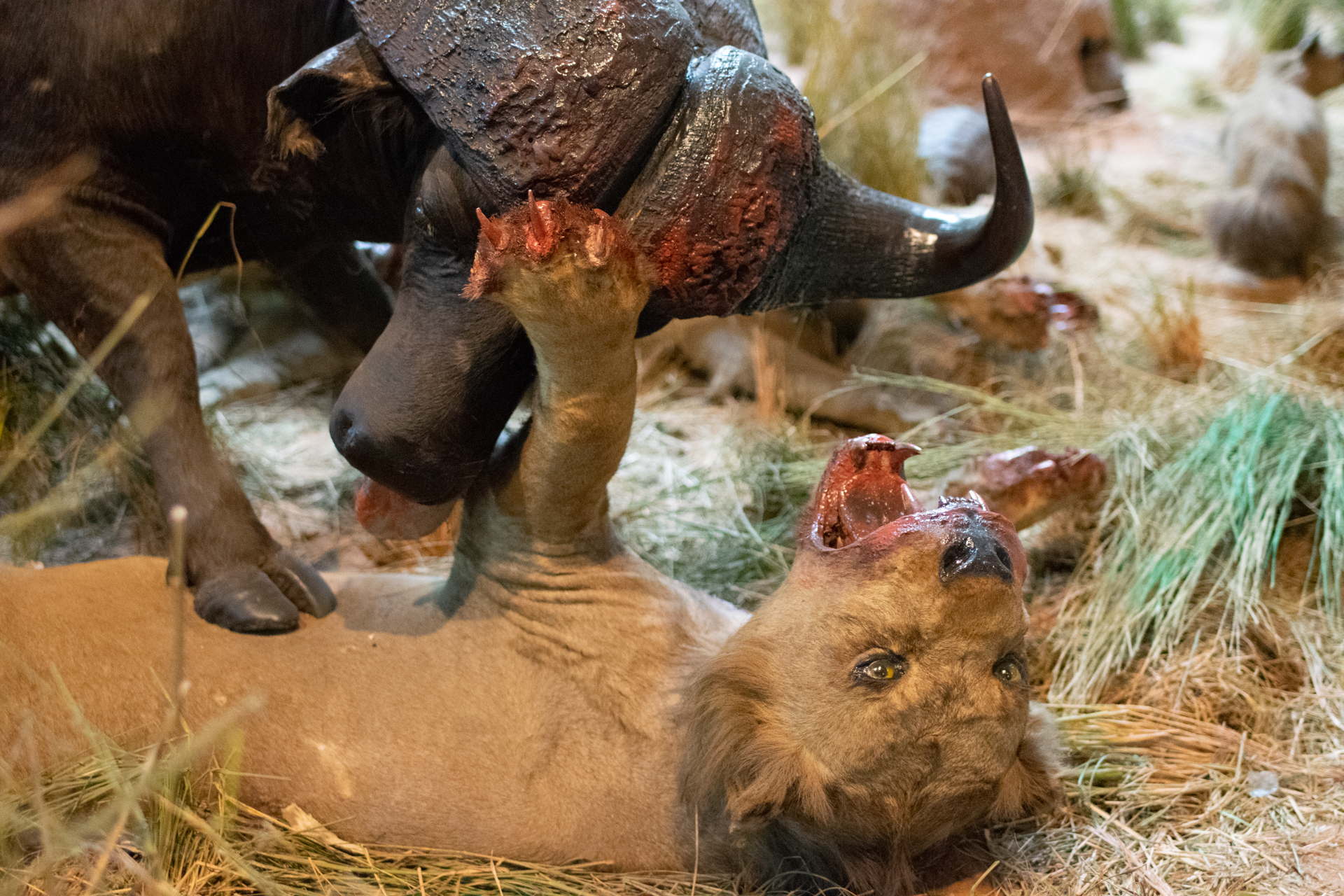
The tour included a visit to the Natural History Museum. Although it is quite small in comparison to other natural museums I’ve been to, we got to see many of the animal species natural to Mozambique, displayed in their real size, depicting African wildlife in its natural habitat. Not so impressive for adults but a bit terrifying for children. 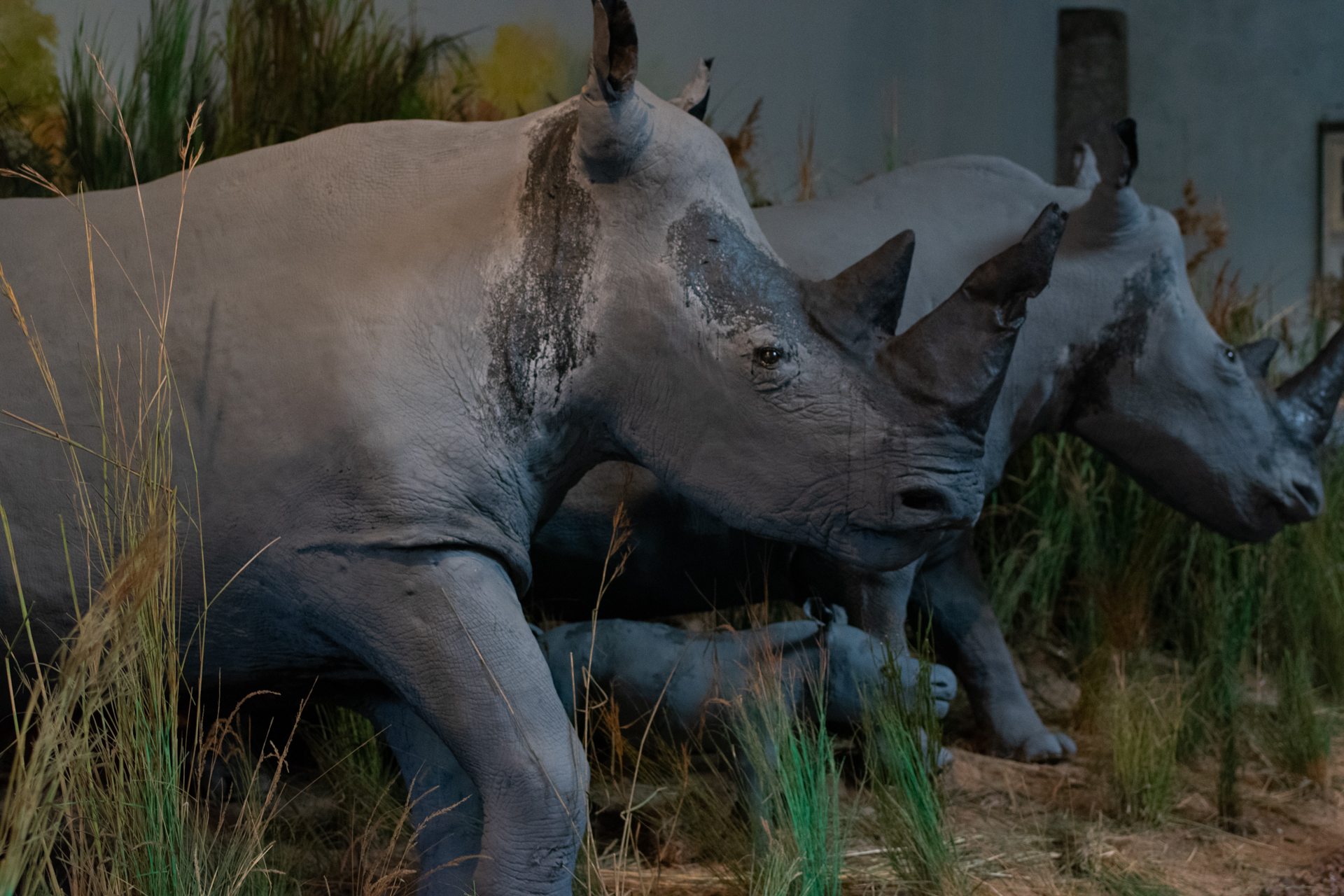
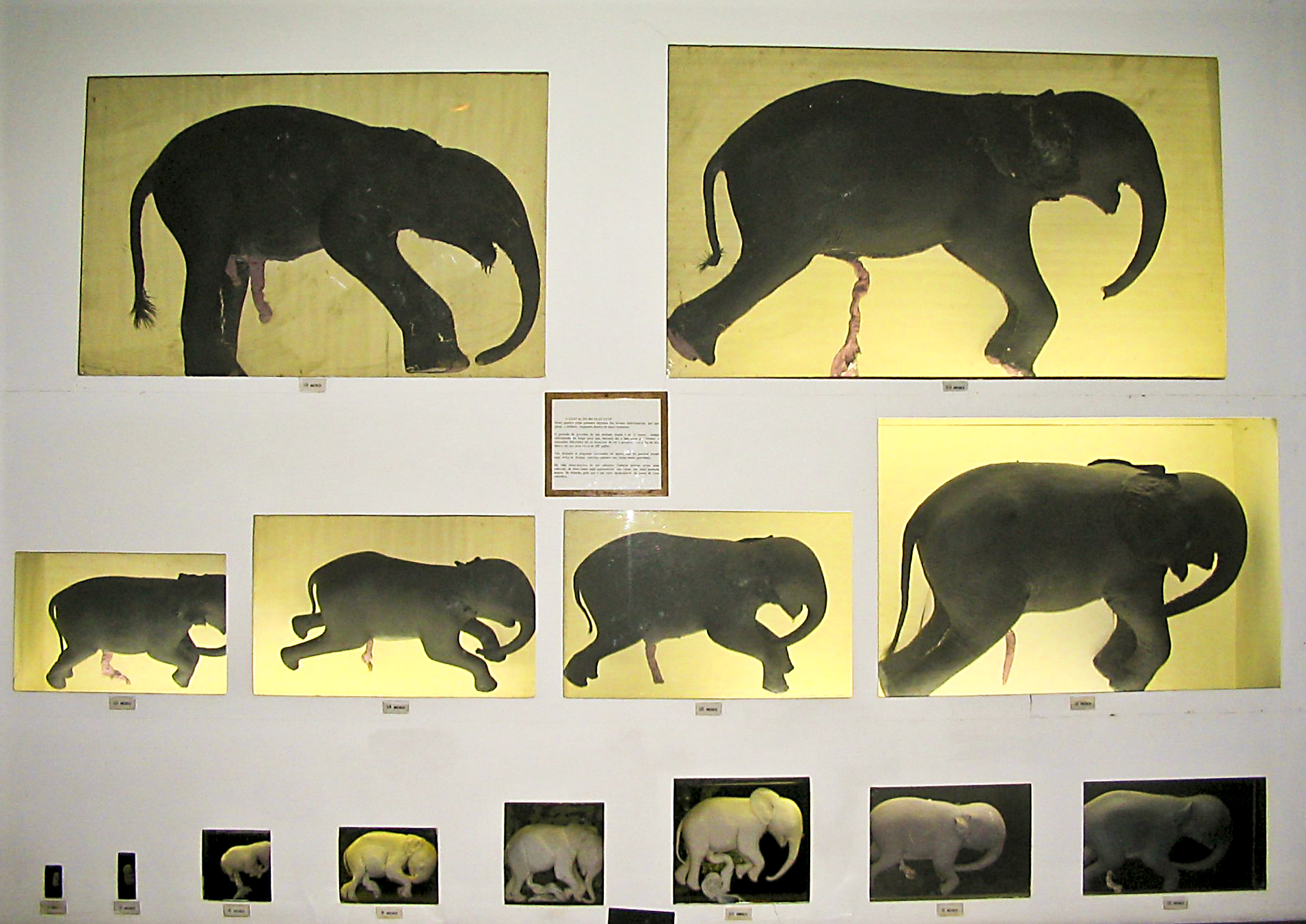
 What was really shocking though was the collection of real elephant fetuses aged from 1 to 22 months showing the different stages of gestation. Simon explained that more than 200 elephants who were either sick or seriously injured were captured in order to create this collection. I’m wondering whether this was indeed the case, or there were some healthy elephants among them who were simply sacrificed for the sake of the exhibition. Since there is no way to prove the opposite, I prefer to believe the version we were told.
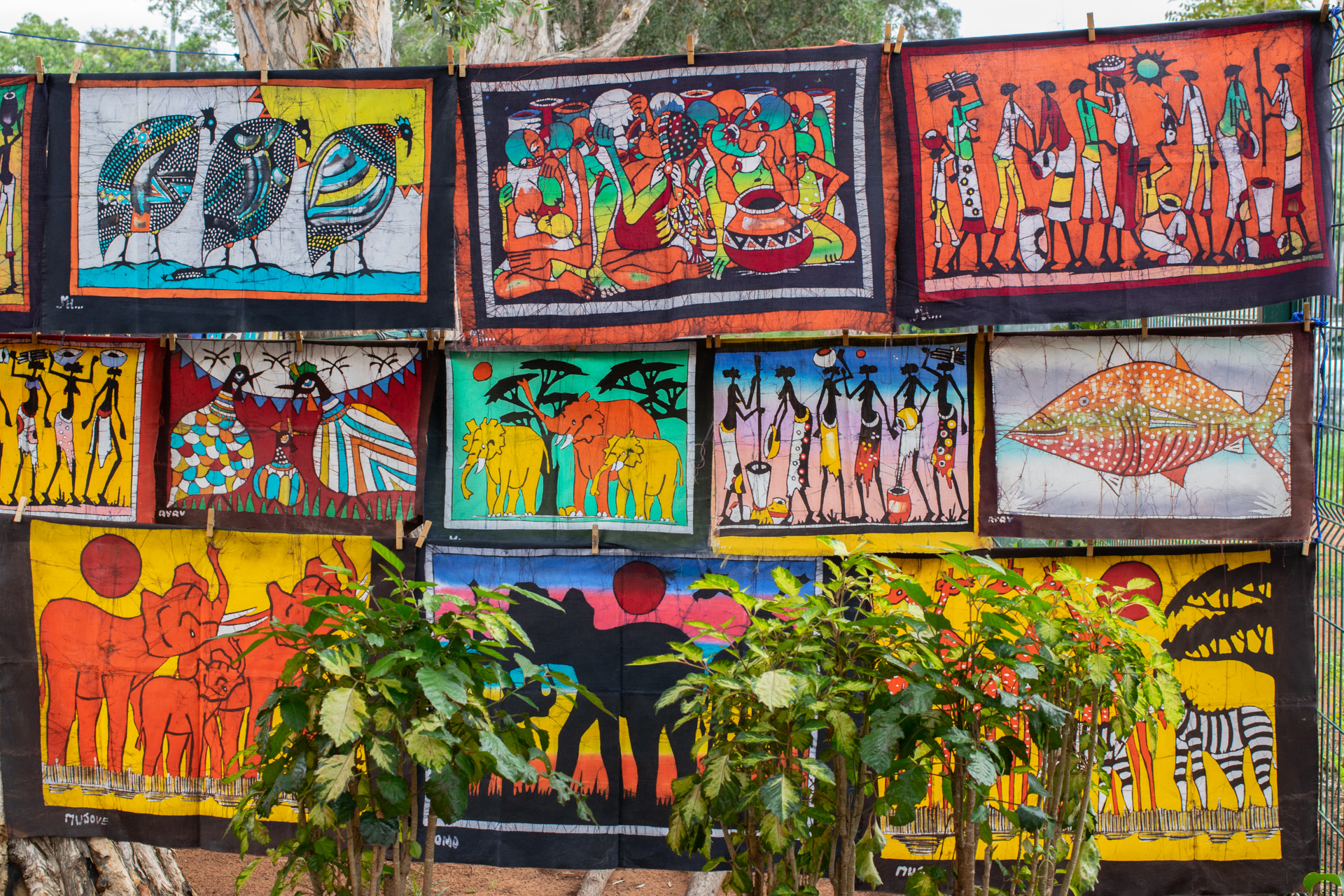
  Our program ended at the Feira de artesanato, flores e gastronomia de Maputo (Crafts, Flower and Gastronomy Fair) – offering beautiful products of local art and craft, wood, bone and stone sculptures, oil paintings and other souvenirs representing the culture and artistic spirit of Mozambique.
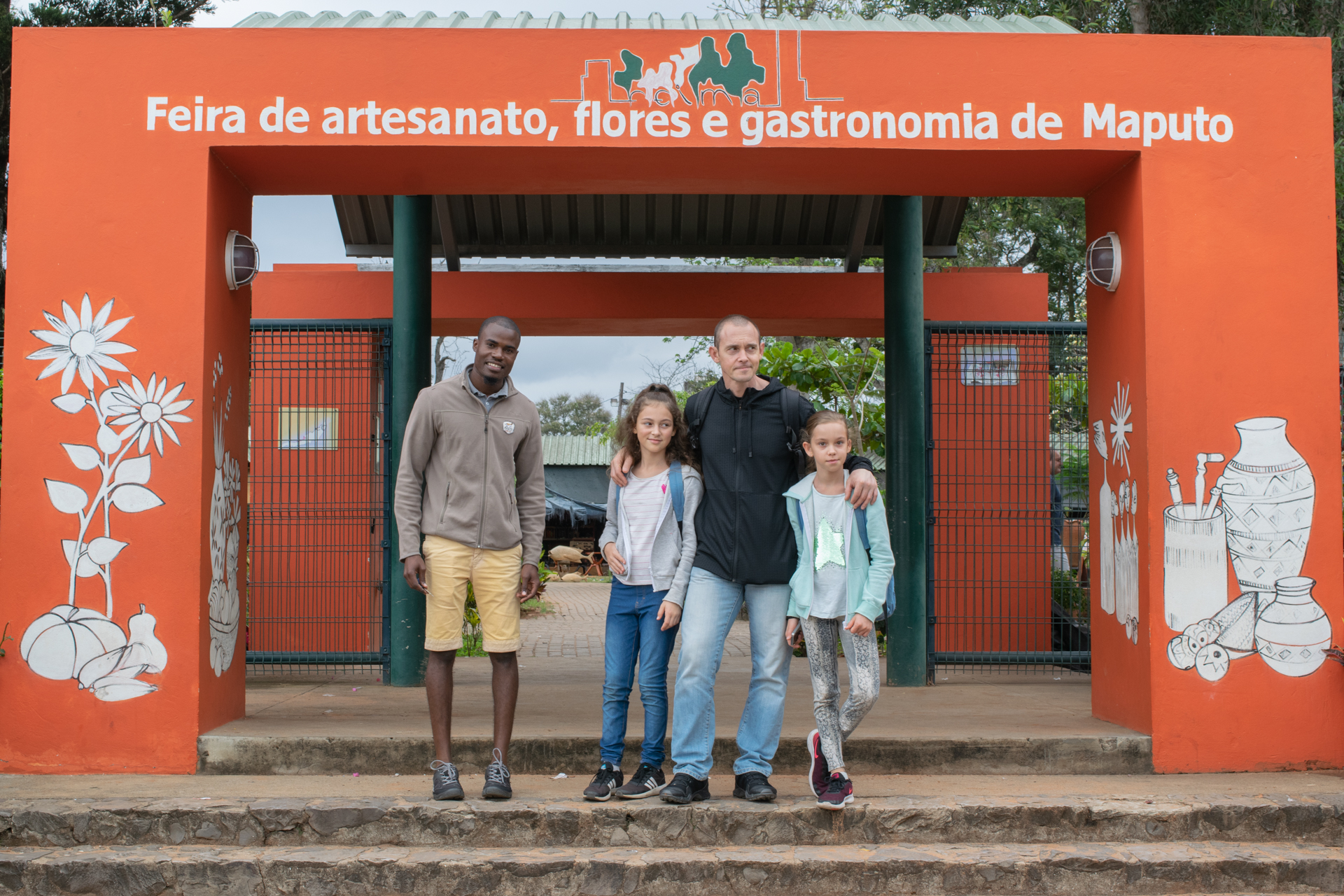
At the arts & craft market entrance with our guide Simon
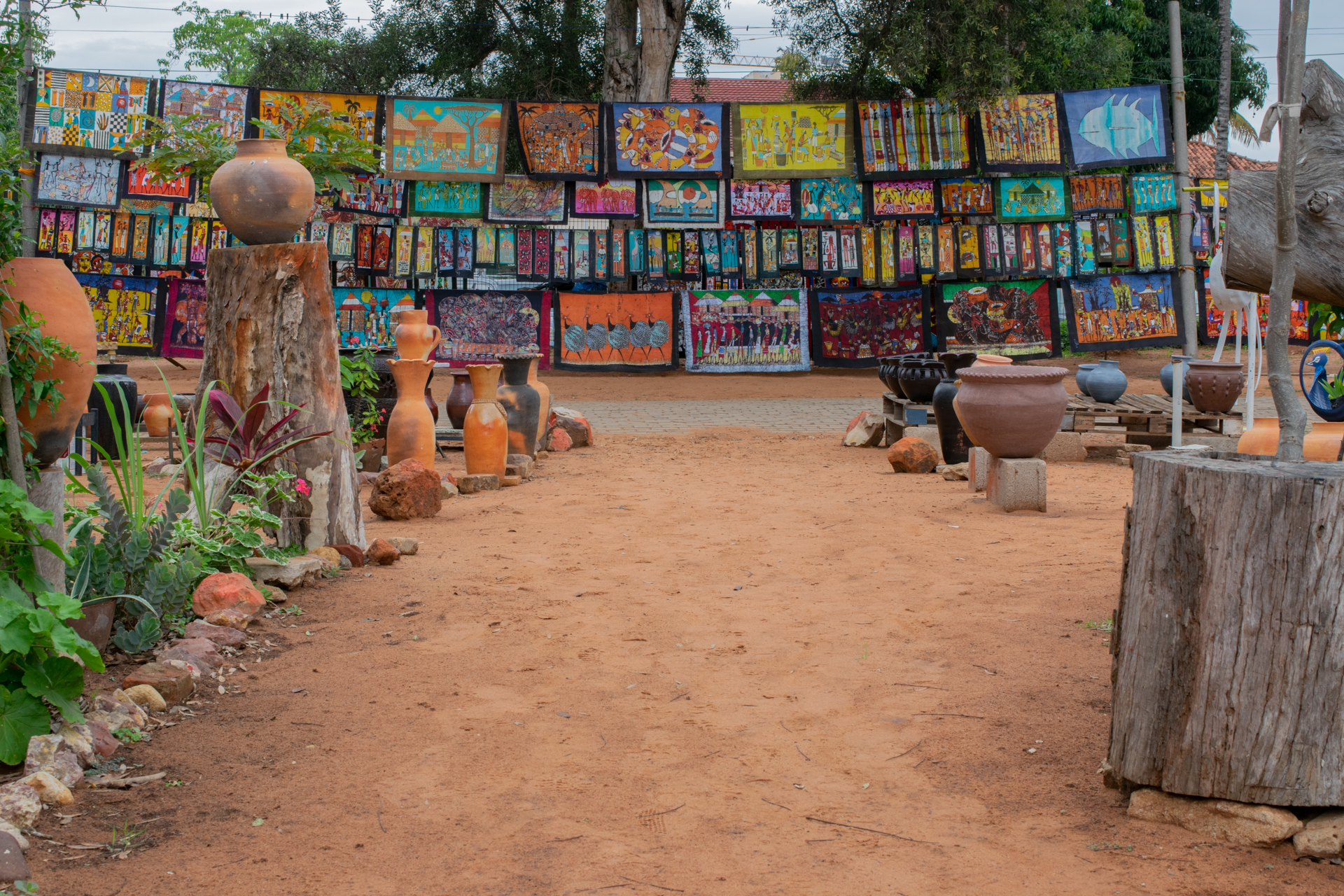
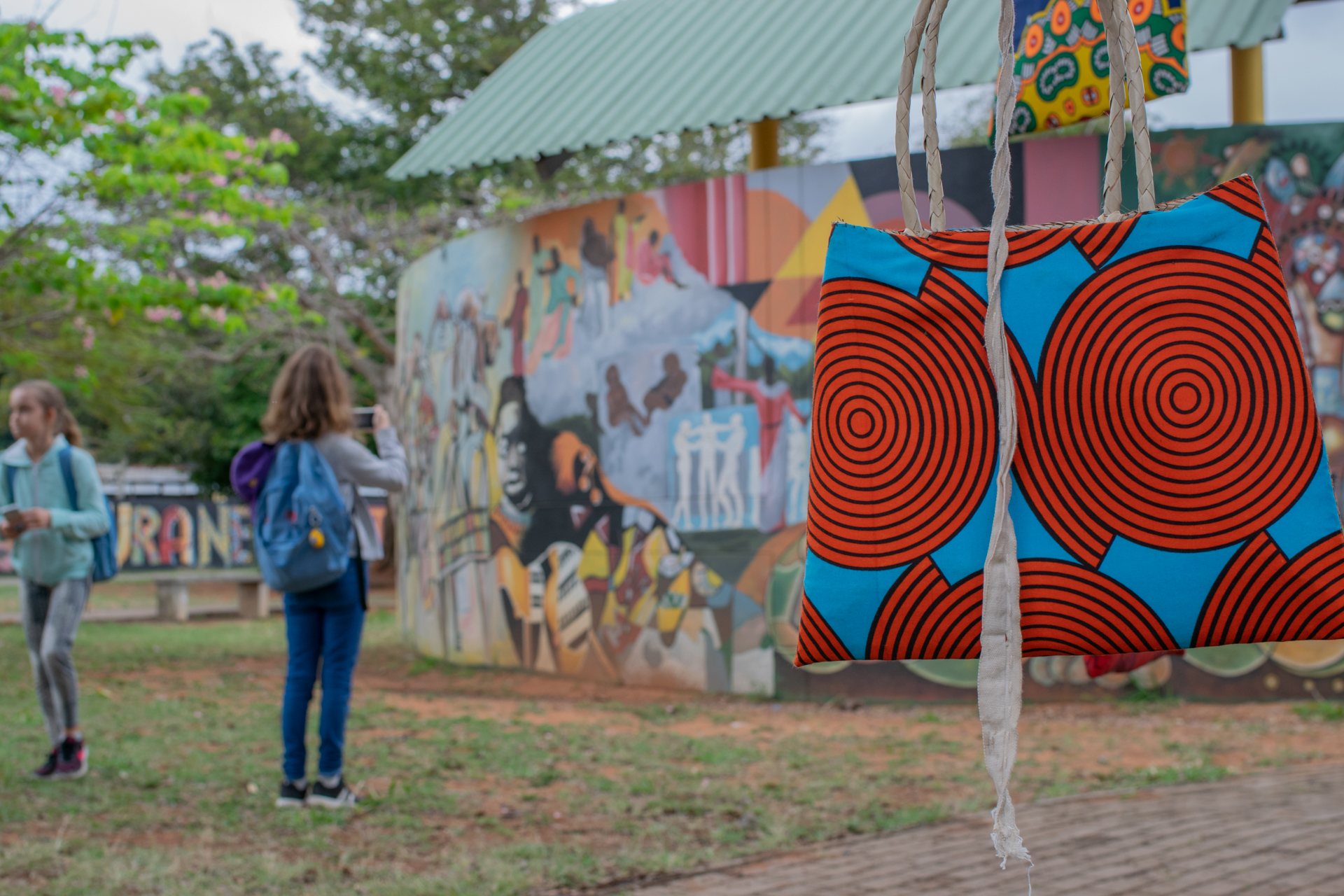 Shopping was not really the purpose of our visit but we fully enjoyed the creative local handicraft atmosphere.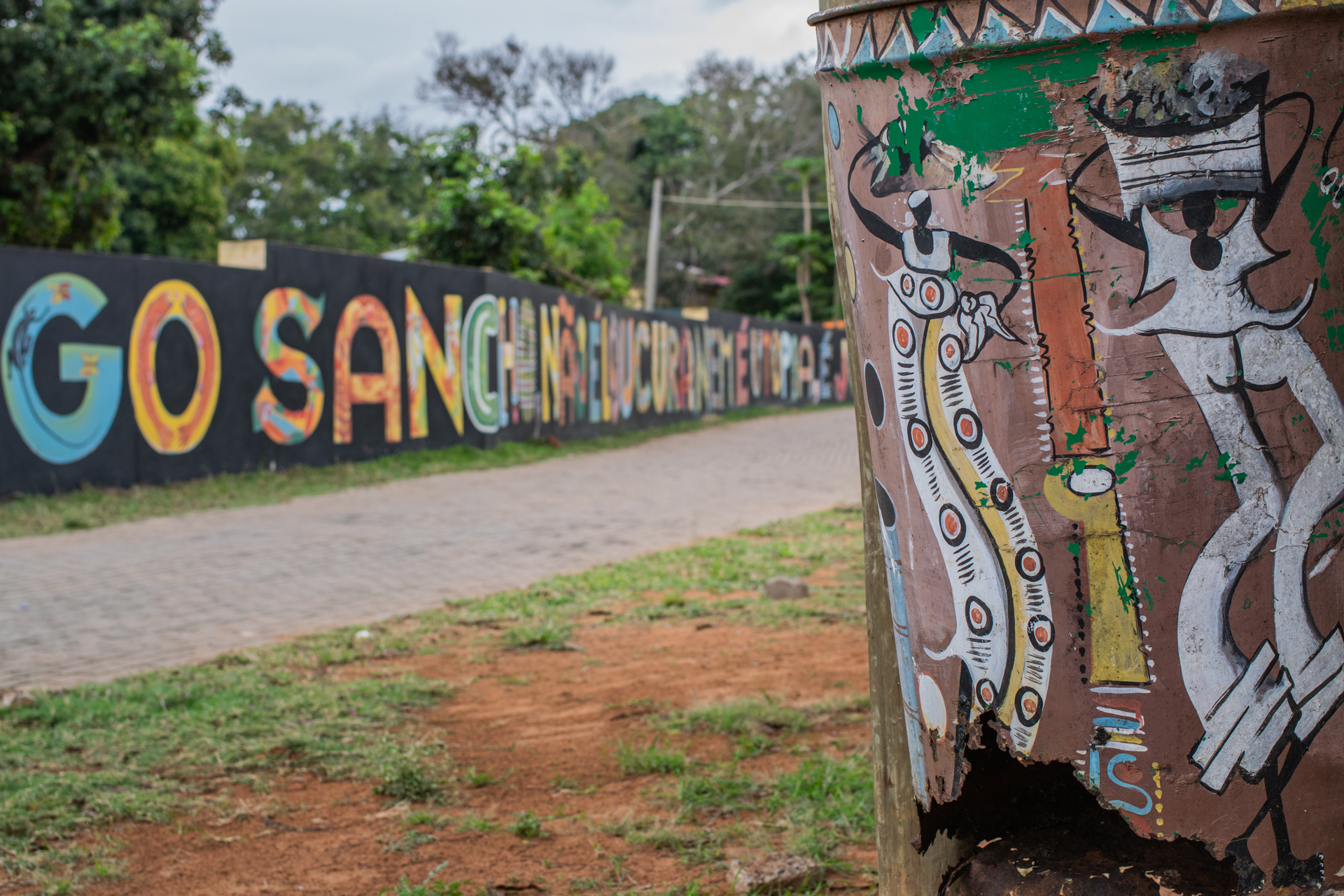
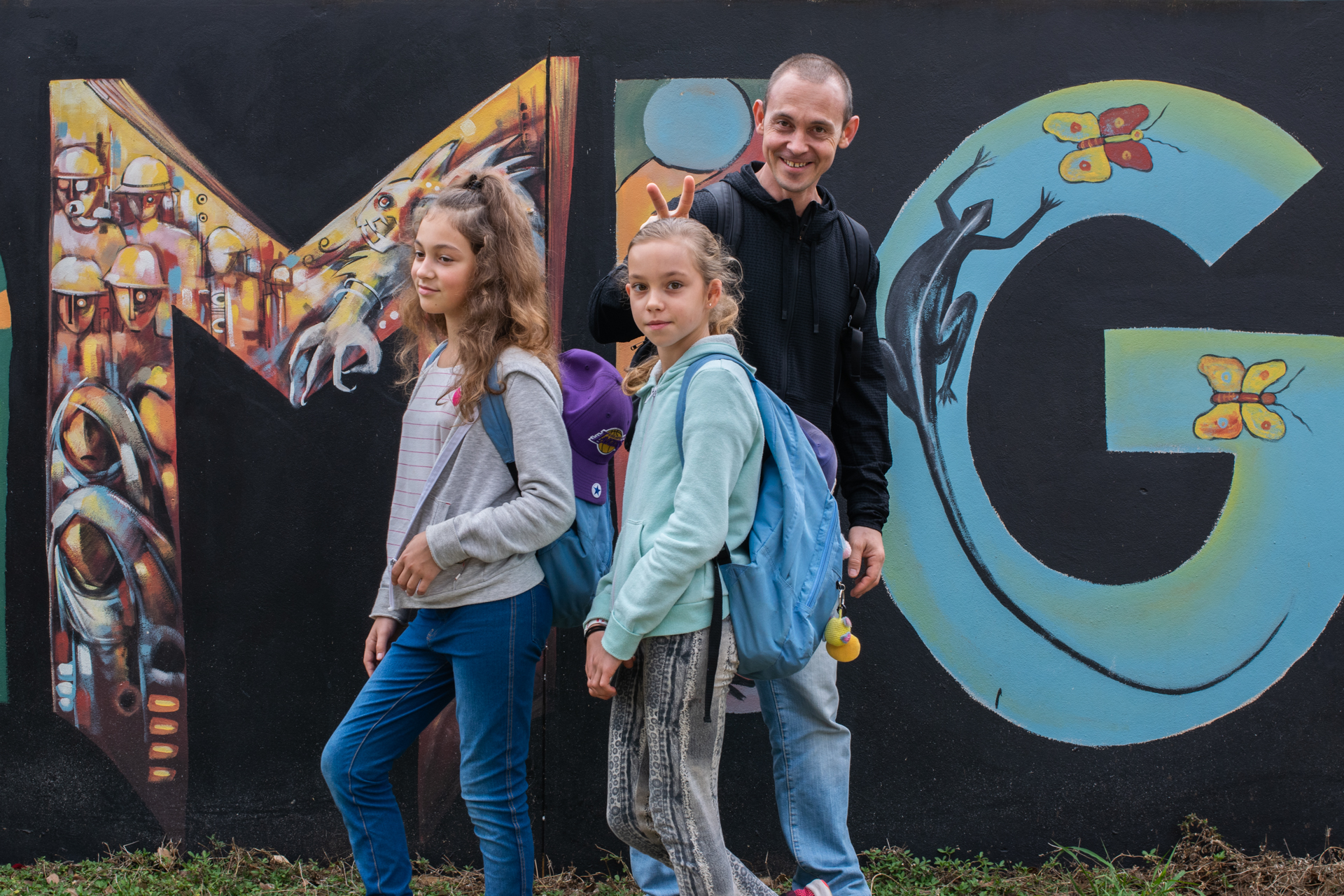
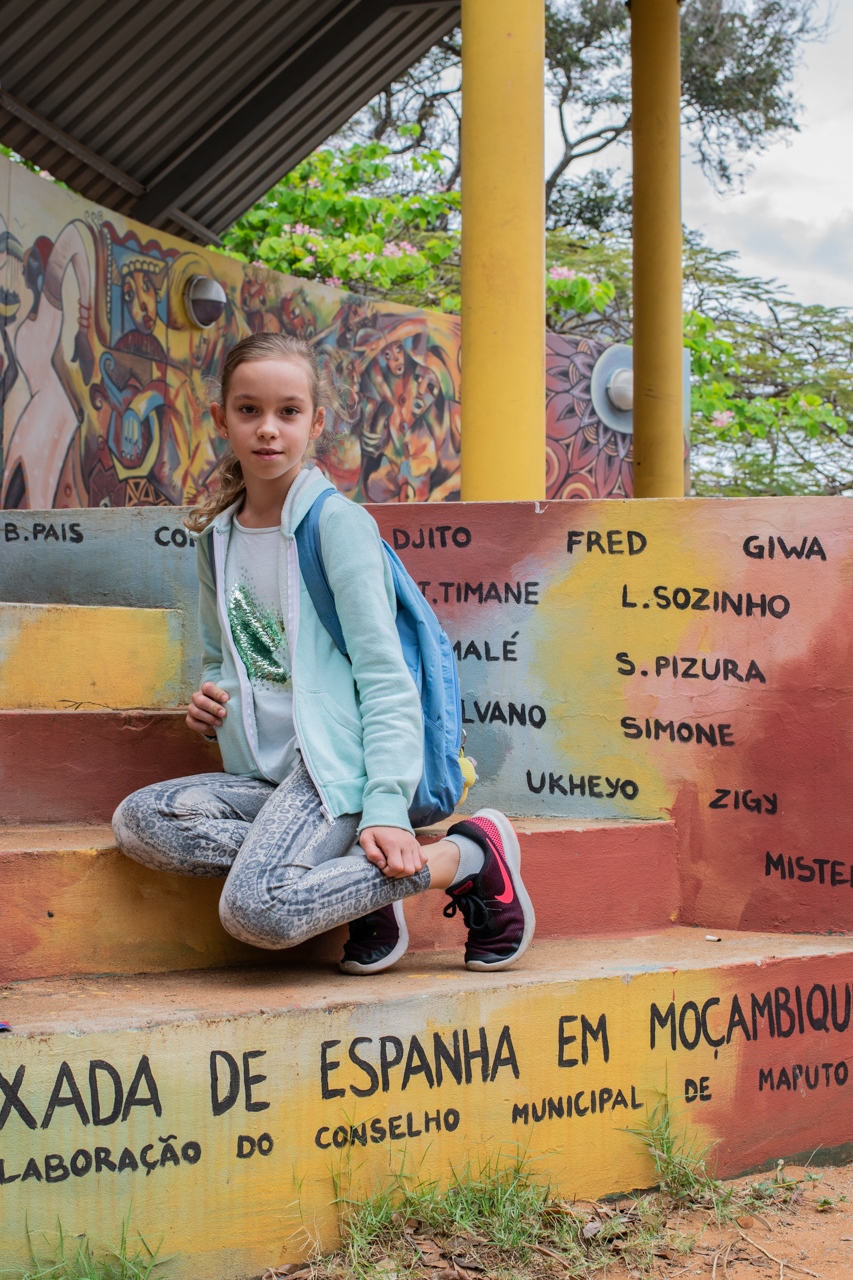 It was time for lunch so we asked Simon, the guide, to leave us at the water front, where we had lunch in one of the supposedly best restaurants in Maputo – Zambi.
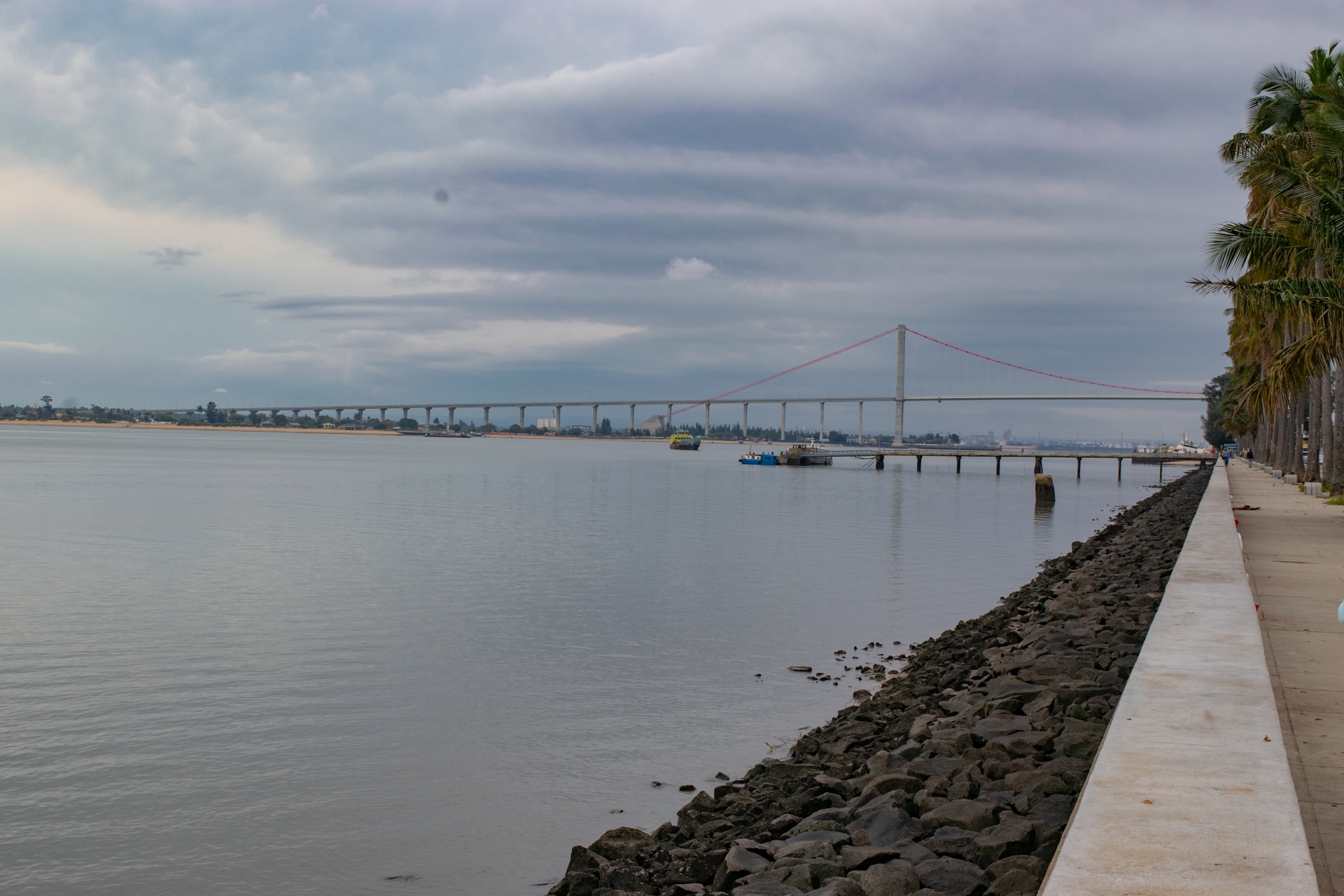
Maputo waterfront promenade
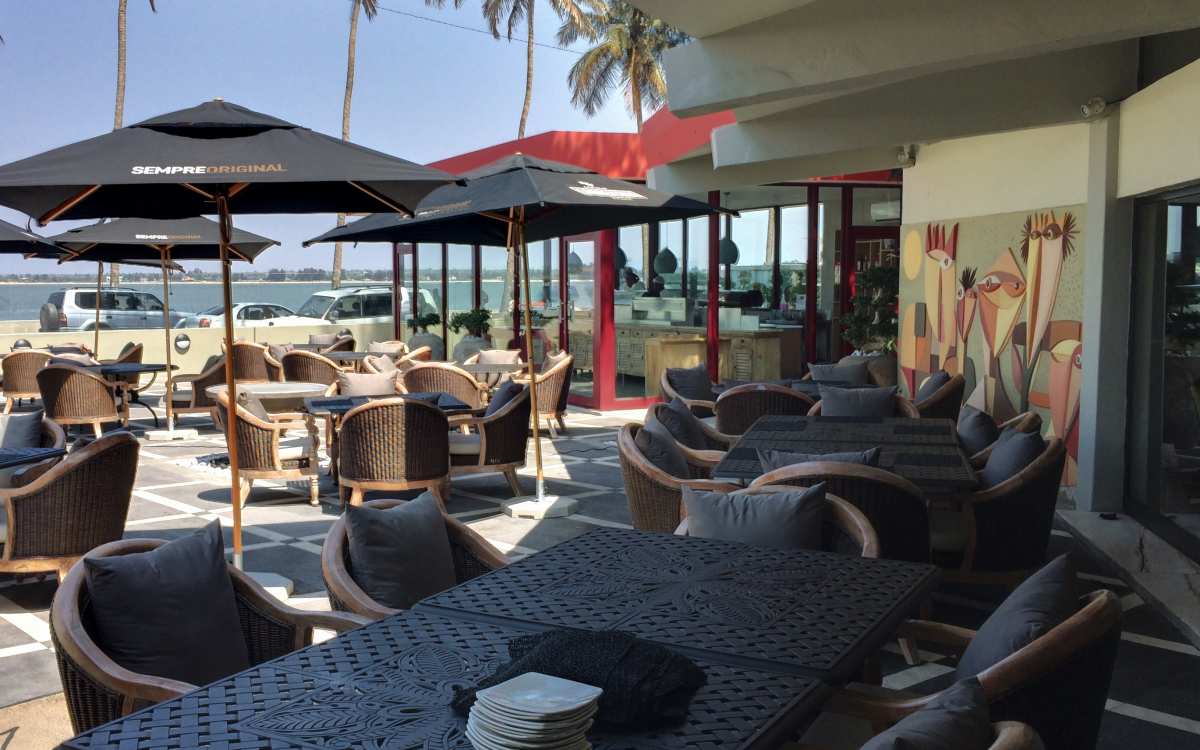
Zambi restaurant (photo credit – Zambi website)
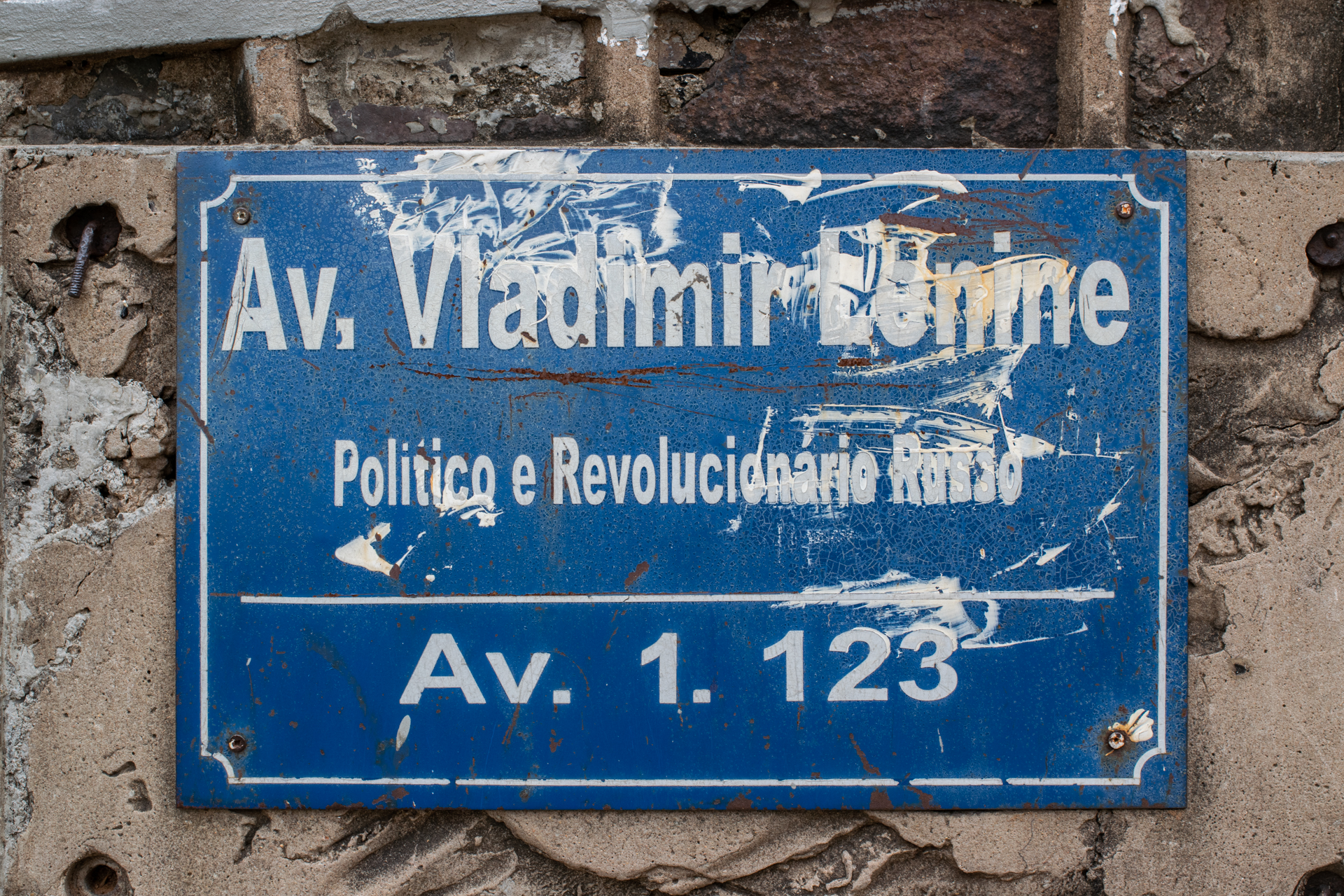
From there we took a 20 min walk home passing by some official institutions such as the Central Cabinet for Fight against Corruption and the Prime-Mister Cabinet, then walking up Vladimir Lenin Avenue before turning into our street – Av. Patrice Lumumba – a former anti-colony leader and first legally elected prime-minister of the independent Democratic Republic of Congo. My plans to take photos of some of the buildings were quickly thwarted by the security guards (well, not that I expected something else) but nobody stopped me from capturing a nice memory of the Av. Vladimir Lenin street sign 🙂
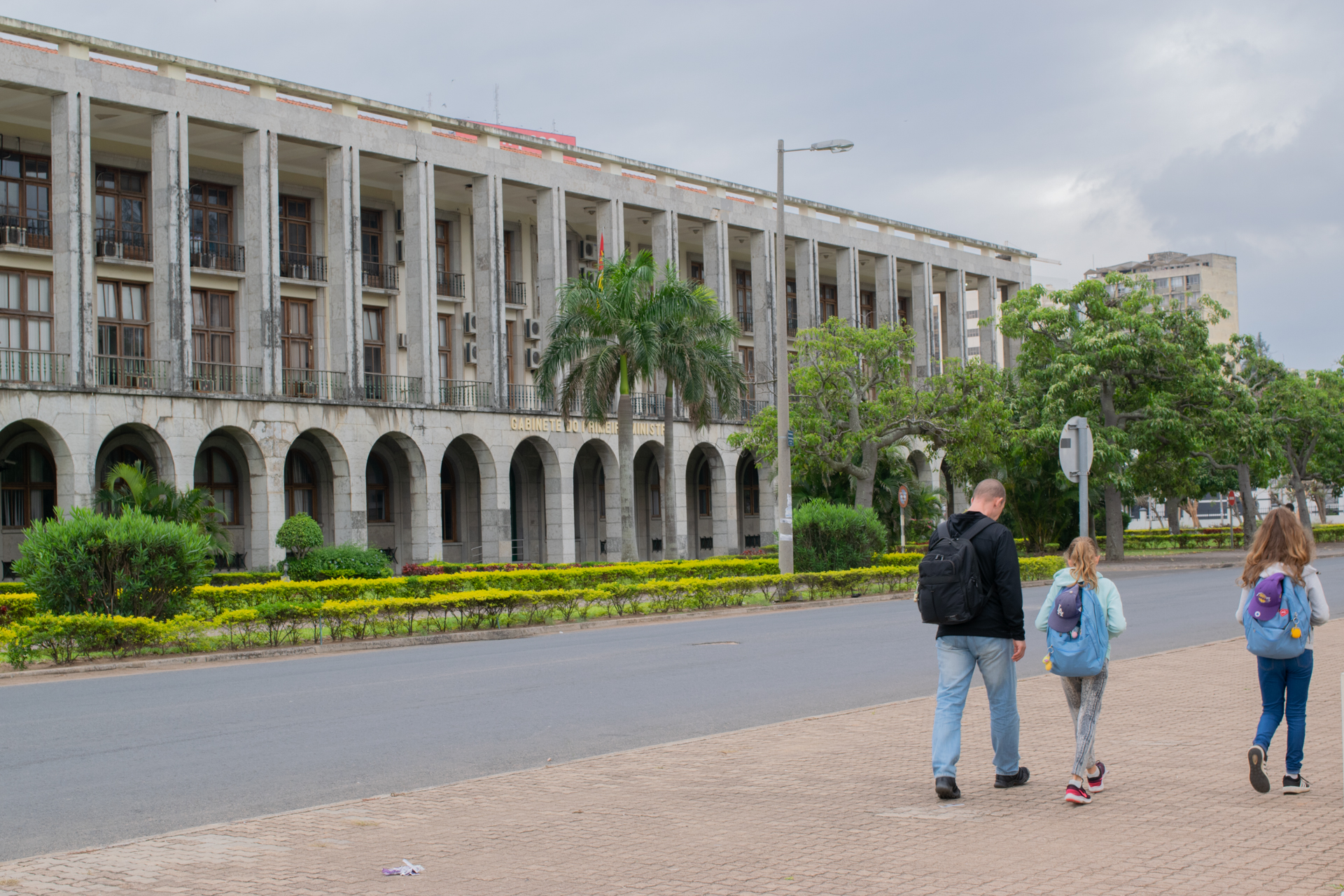
Prime-mister cabinet
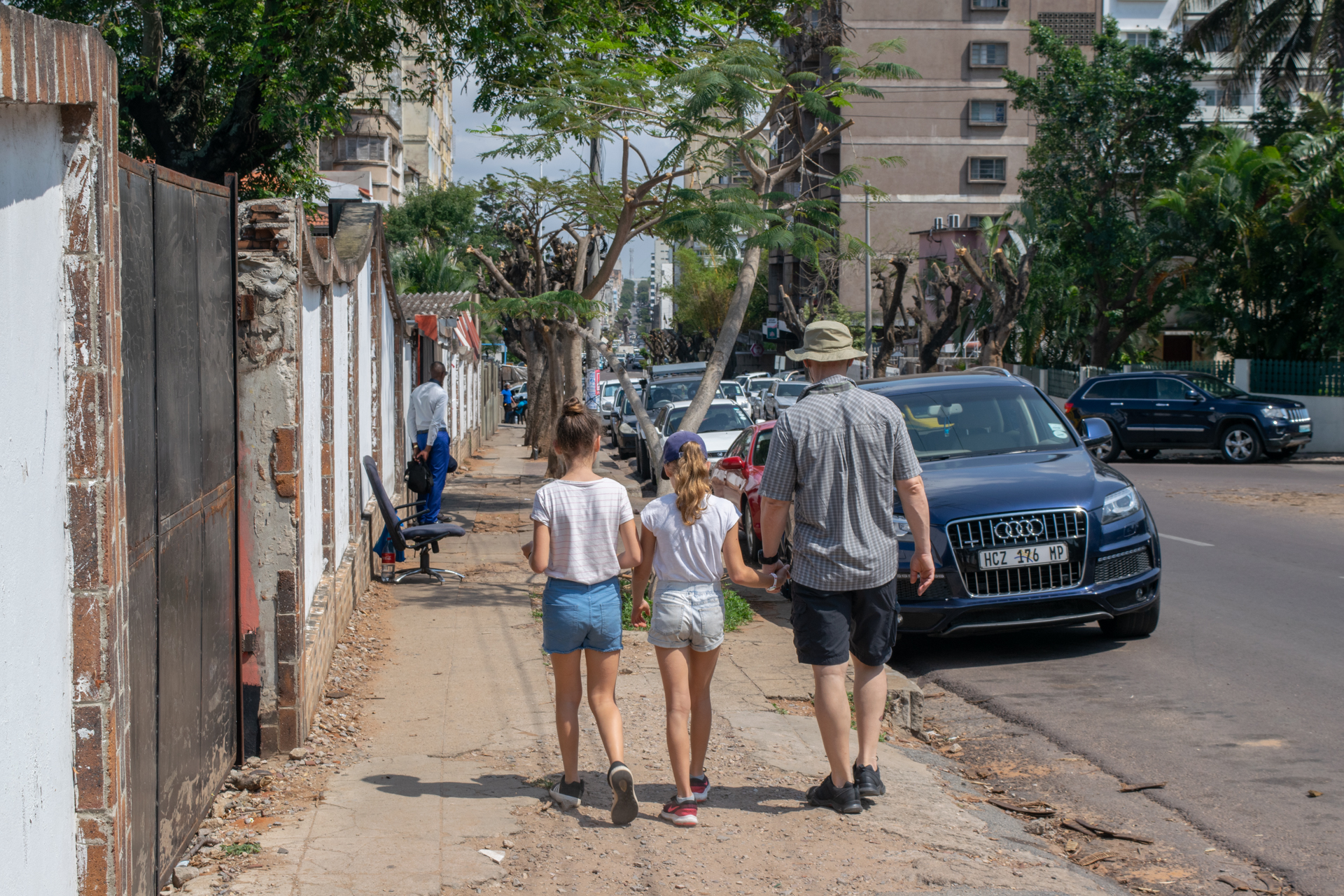
On our street Av. Patrice Lumumba
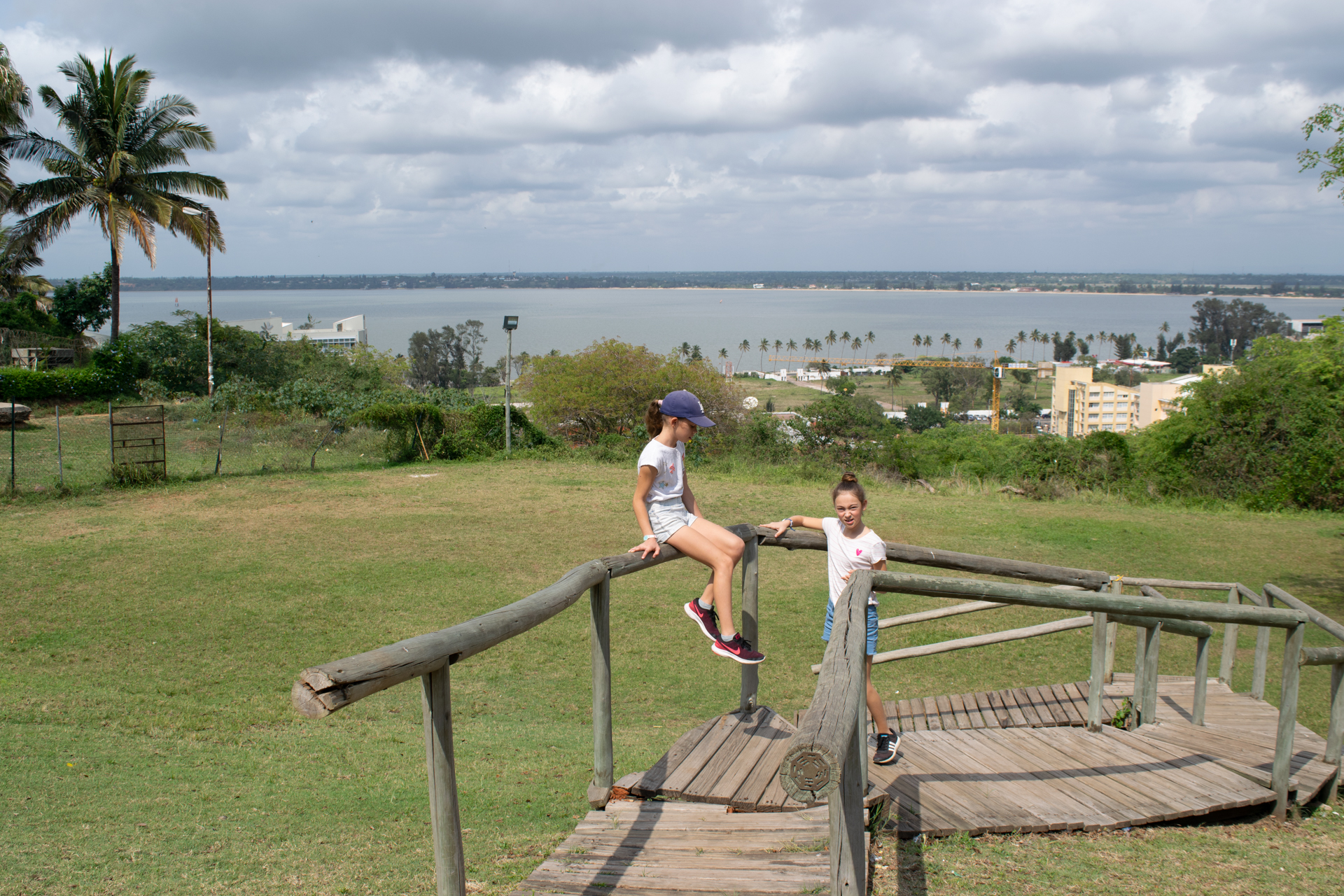
Located in the heart of Maputo city center, Guesthouse 1109 turned out a real treasure. Owned by a very friendly and careful Portuguese couple, it has excellent facilities and is only 10-20 min walking distance from most attractions, bars and restaurants. 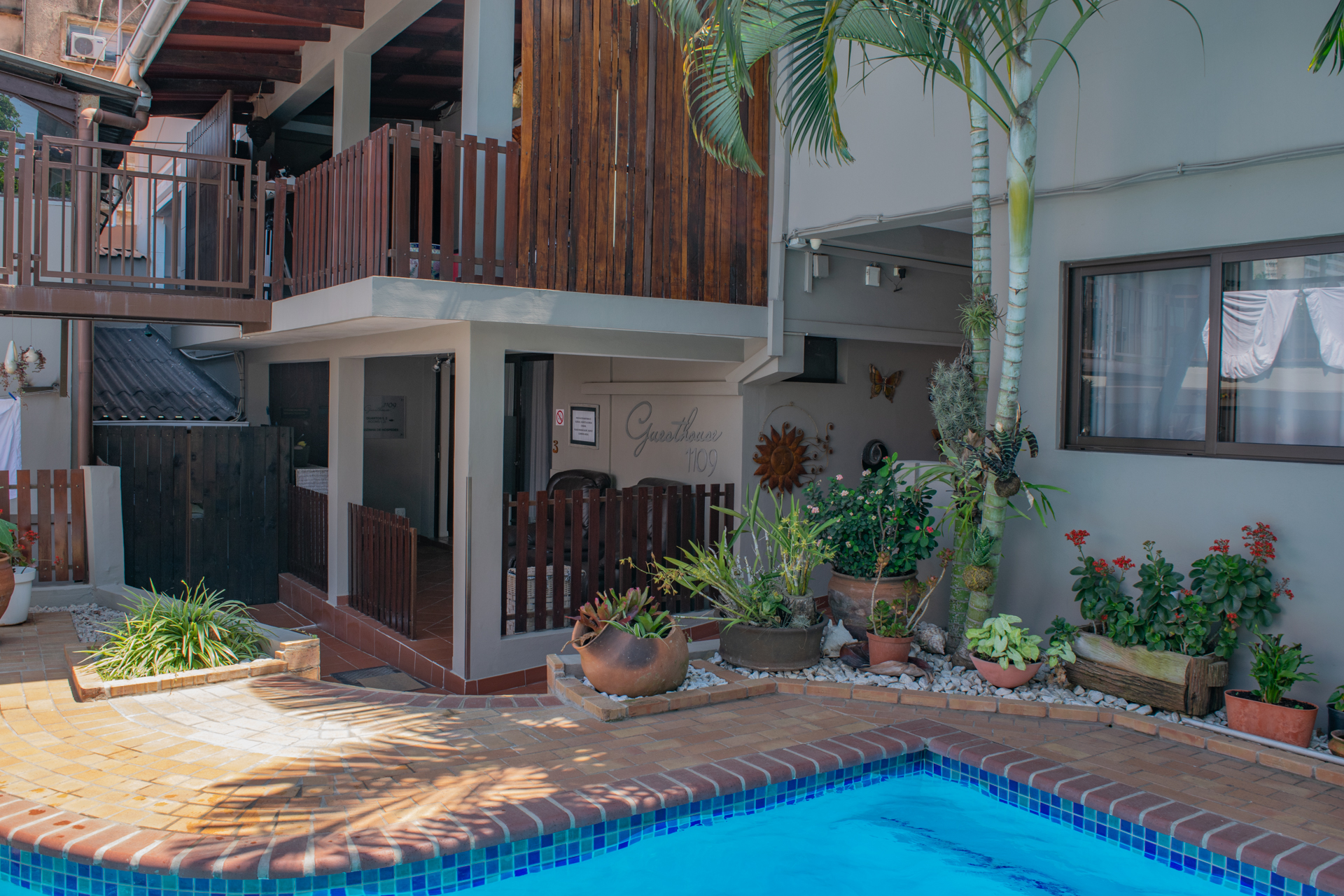 For me as a born by the sea and growing up in apartments with a sea view, having a terrace, balcony or whatever piece of living space that is outside has become a lifestyle; so the shared lounge overlooking Maputo Bay was where I spent most of the time at the guesthouse, reading a book, chatting or just enjoying the view, while the girls didn’t miss to try out new jumping style at the pool.
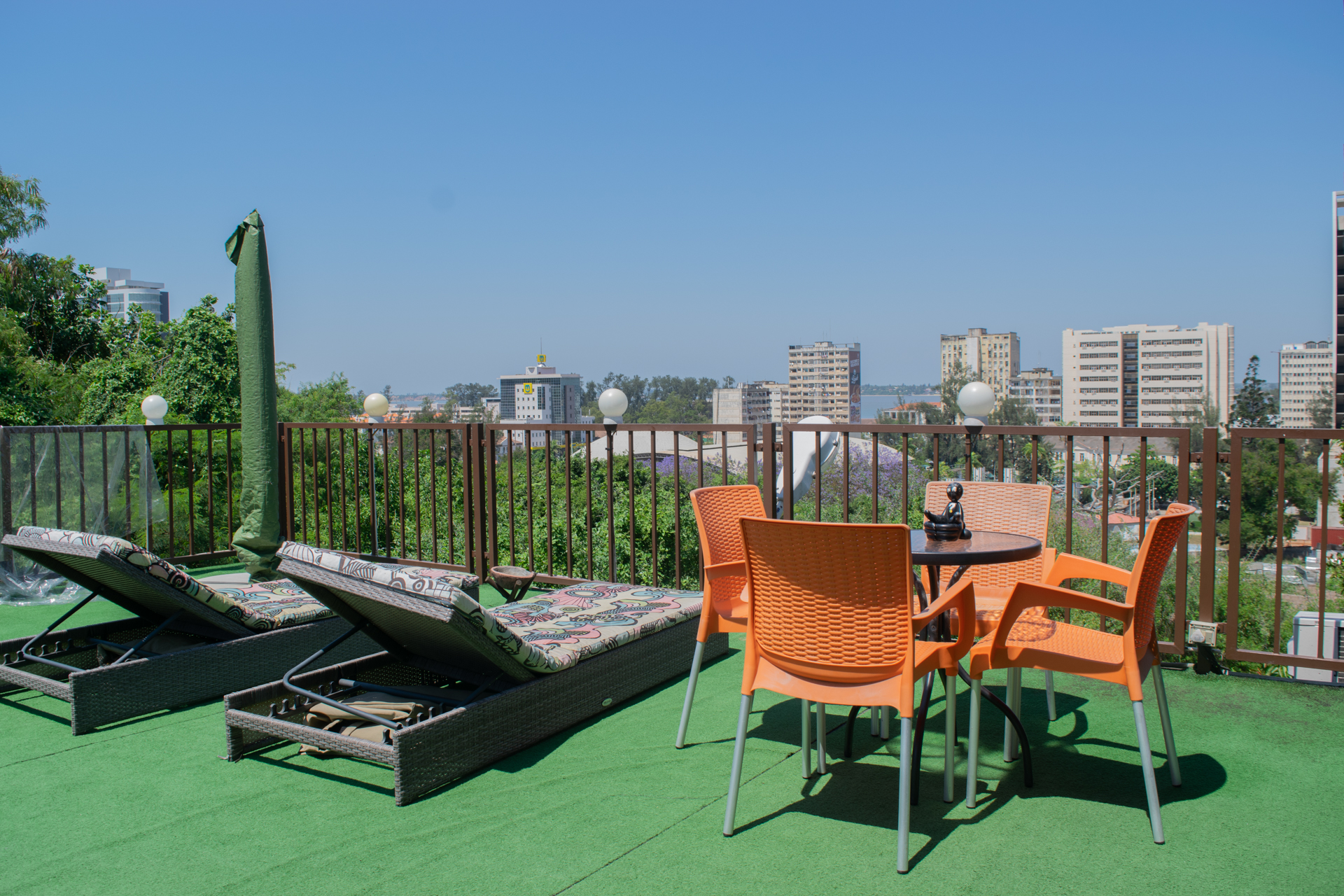
View to Maputo Bay from the lounge of Guesthouse 1109
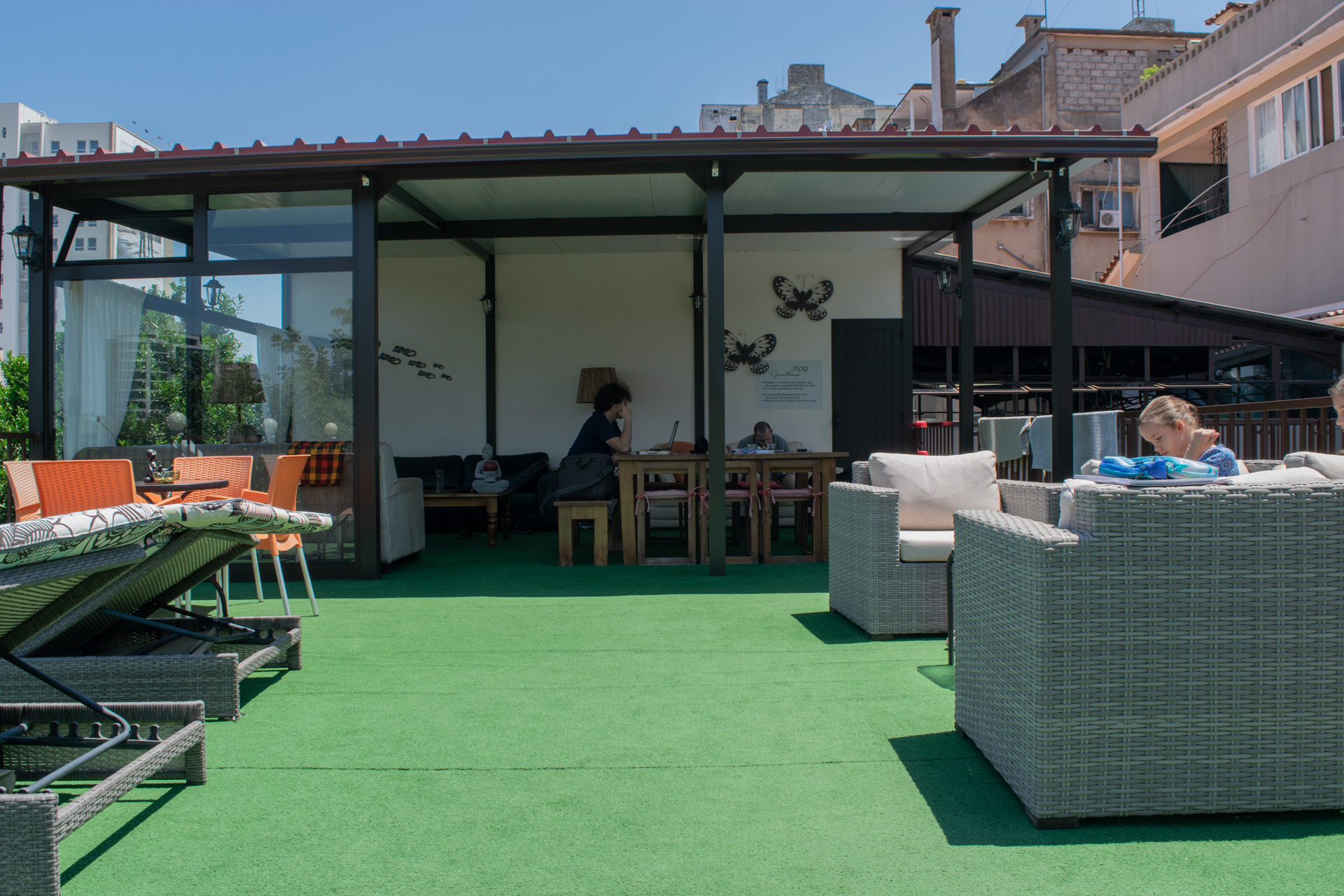
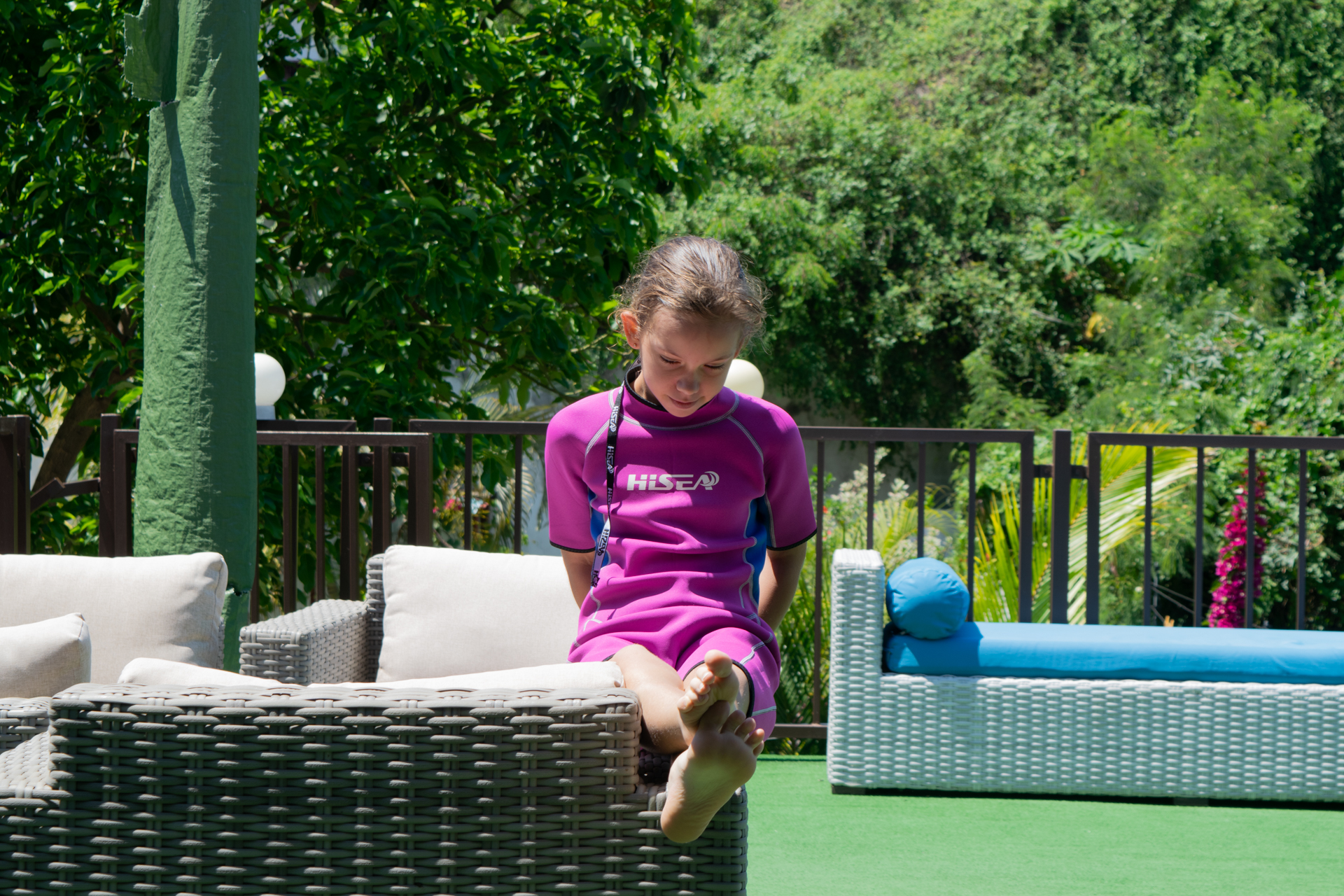
 We stayed less than 3 full days in Maputo but we were lucky to be able to meet some friends living there on both nights. Having a friend on the ground makes a big difference as to how you experience a new place.
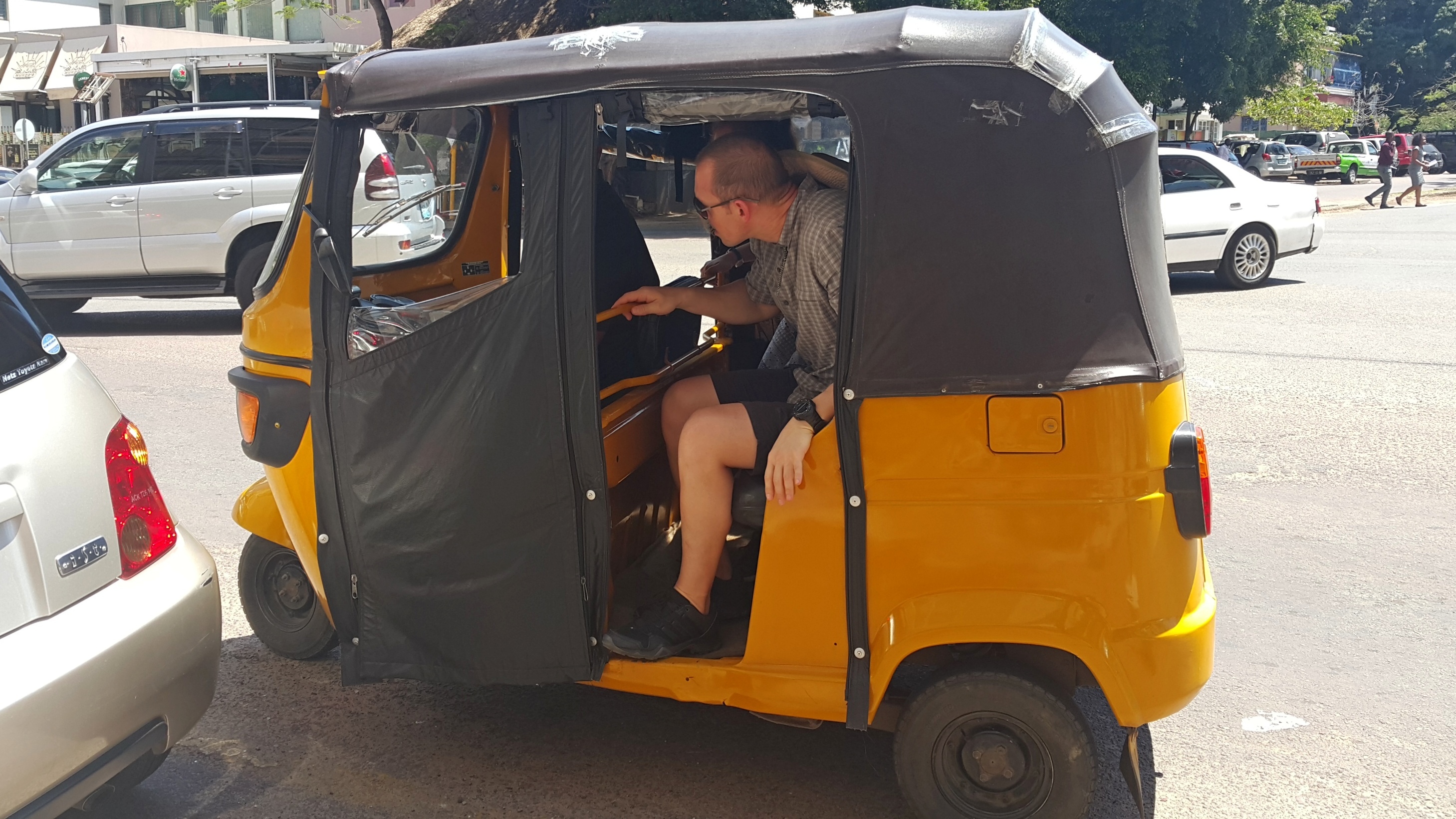
Tuc-tucs are often the fastest way of transport in the bustling city during weekdays
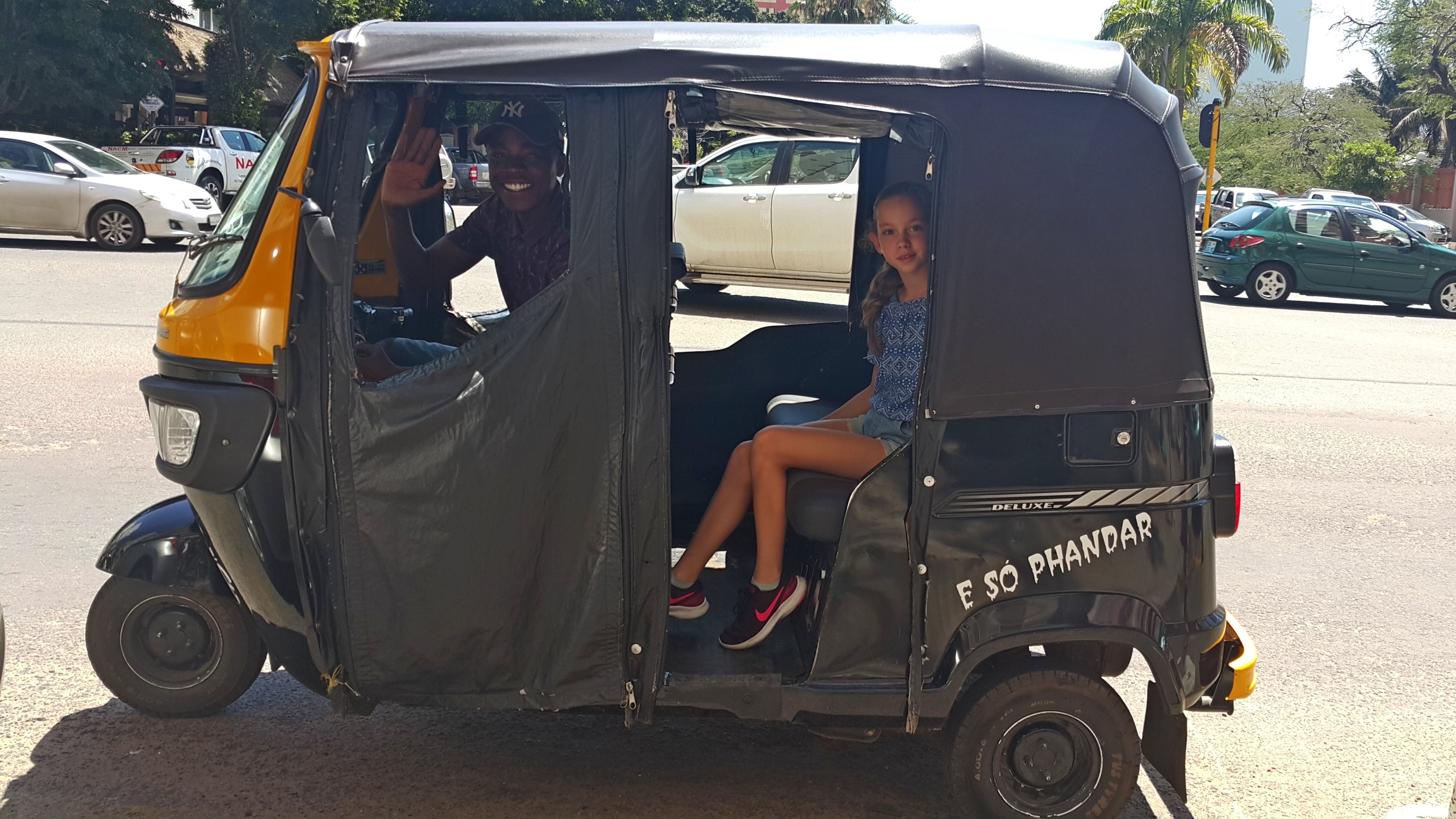
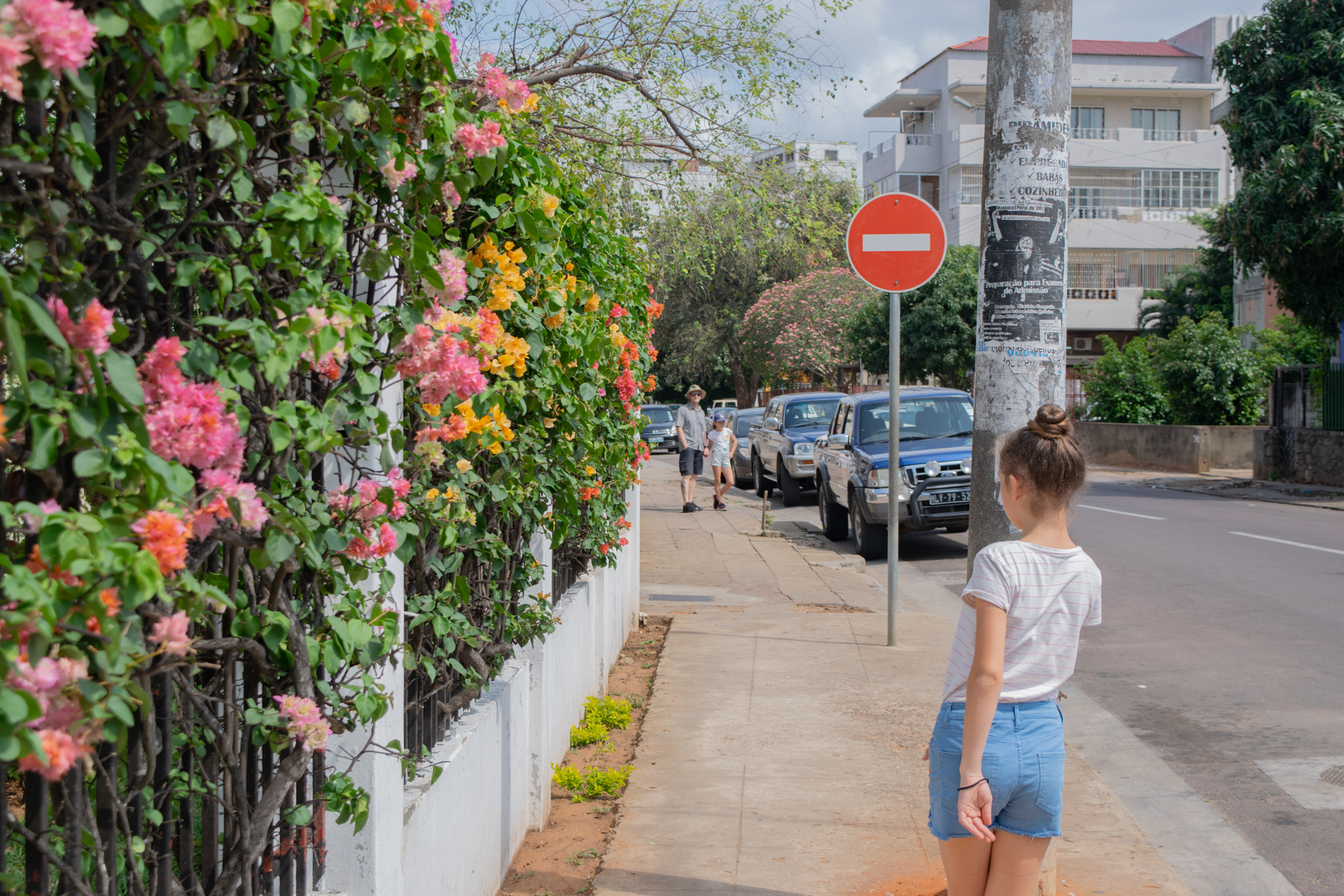
Mirella posing instinctively
 And since local art & culture is what I like to explore most, I really regret not having been able to attend a local music festival that started the day after we left Maputo, or this wonderful creative place called Bairro Bistro… I wish we had more time in Maputo.
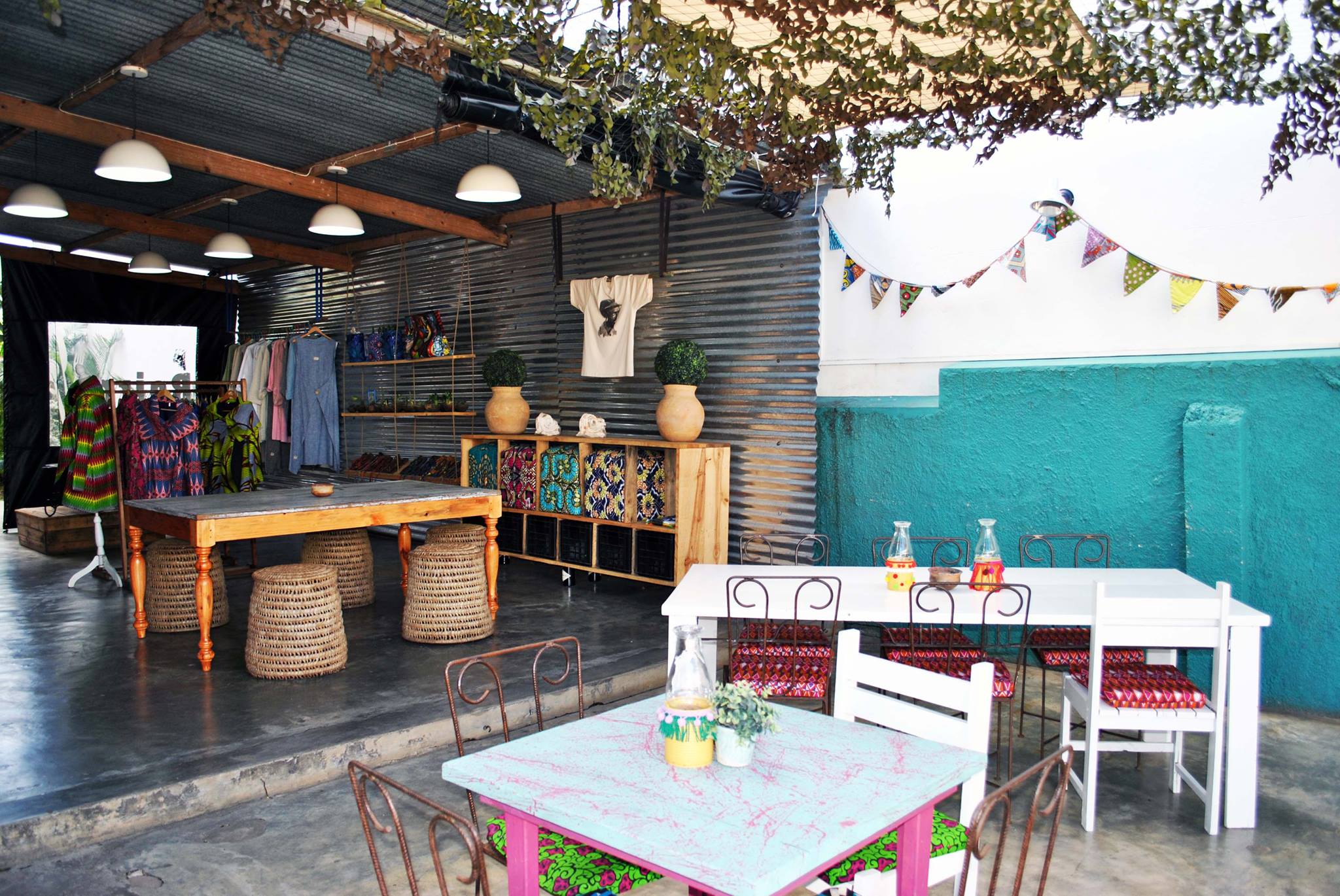
Bairro Bistro (photo credit – Bairro Bistro Alma Africana)
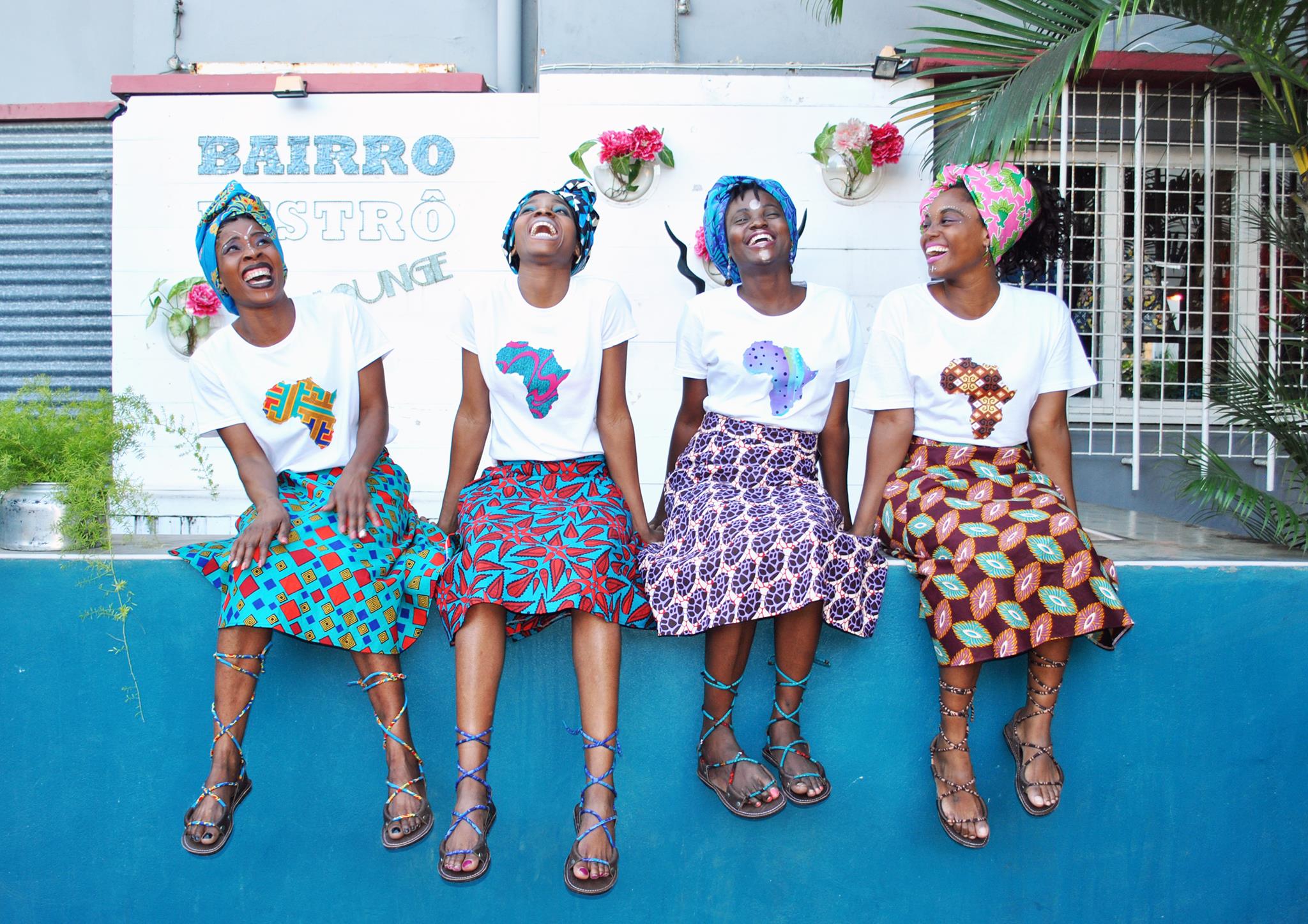
Bairro Bistro models (photo credit – Bairro Bistro Alma Africana)
We spent the second part of our vacation at Macaneta. This is the closest to Maputo open-ocean beach area, located on a narrow peninsula divided from the mainland by a river, and only about an hour from the capital. The 2-lane smooth asphalt road offering magnificent views to wide beaches on the right, and newly built hotels and shopping malls to the left compensated for the quite bad condition of our taxi-car. We quickly reached Marracuene, and then got a nice African massage on the bumpy dirt road before finally arriving at our place: Lodge Quinta do Lorenço. 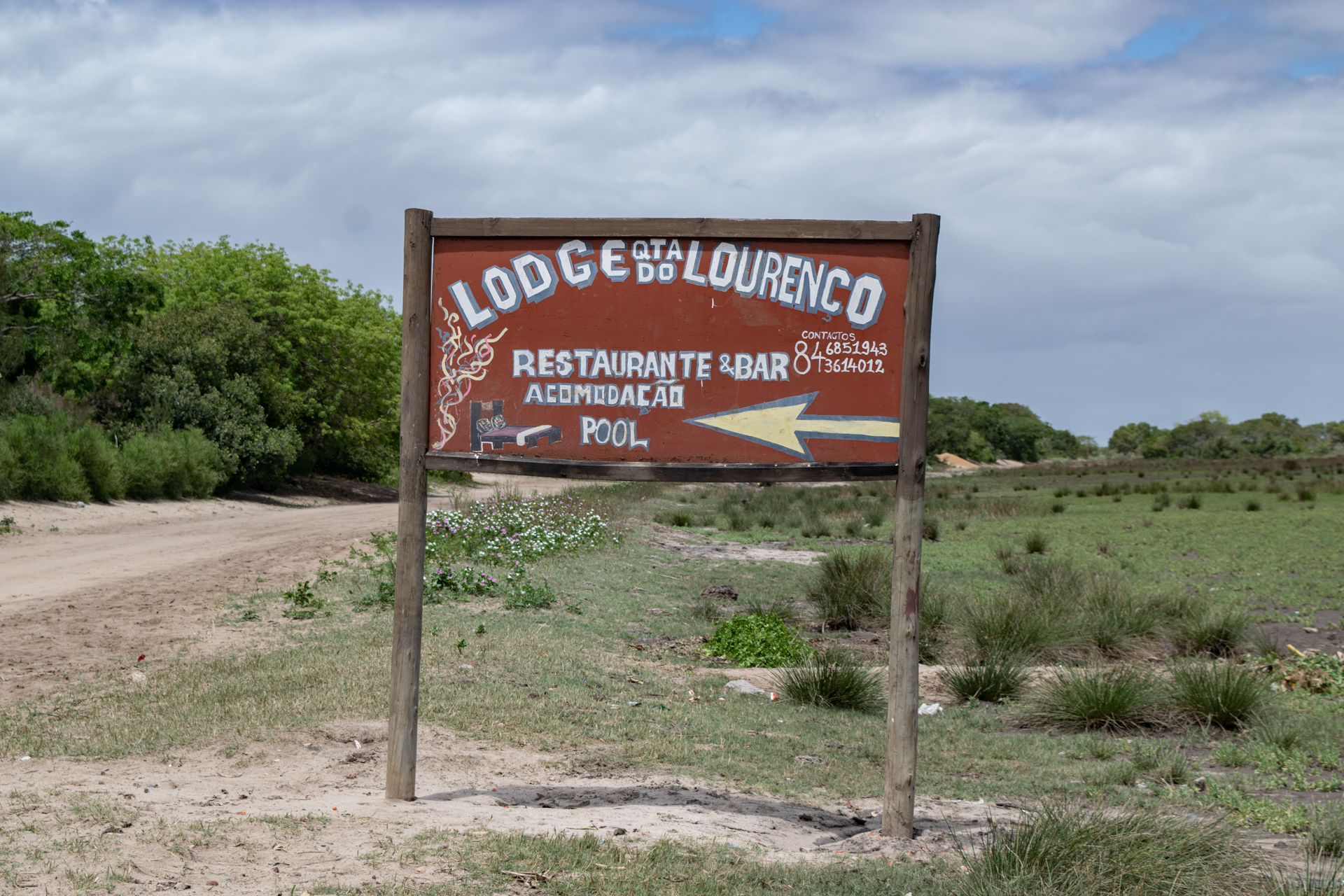
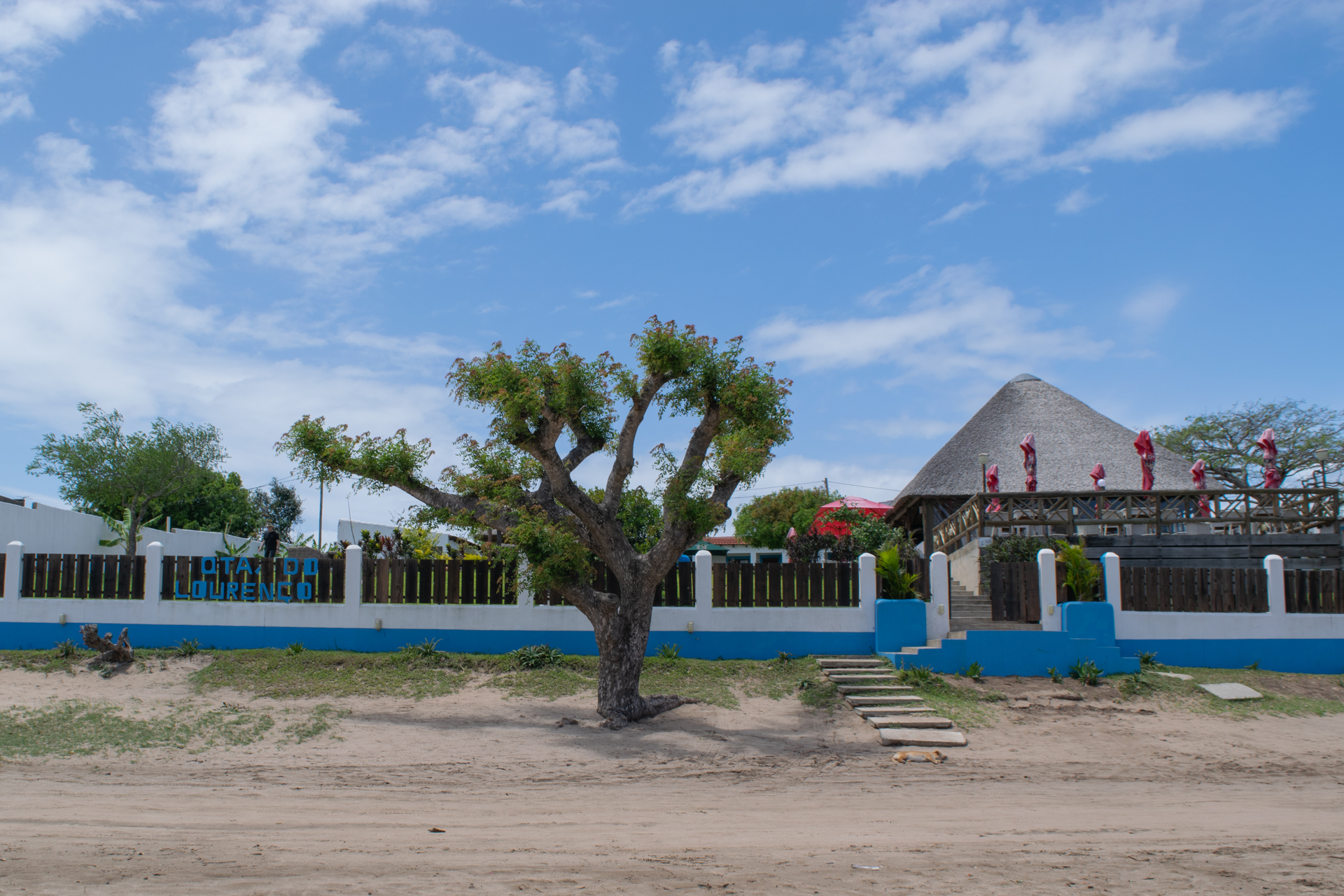
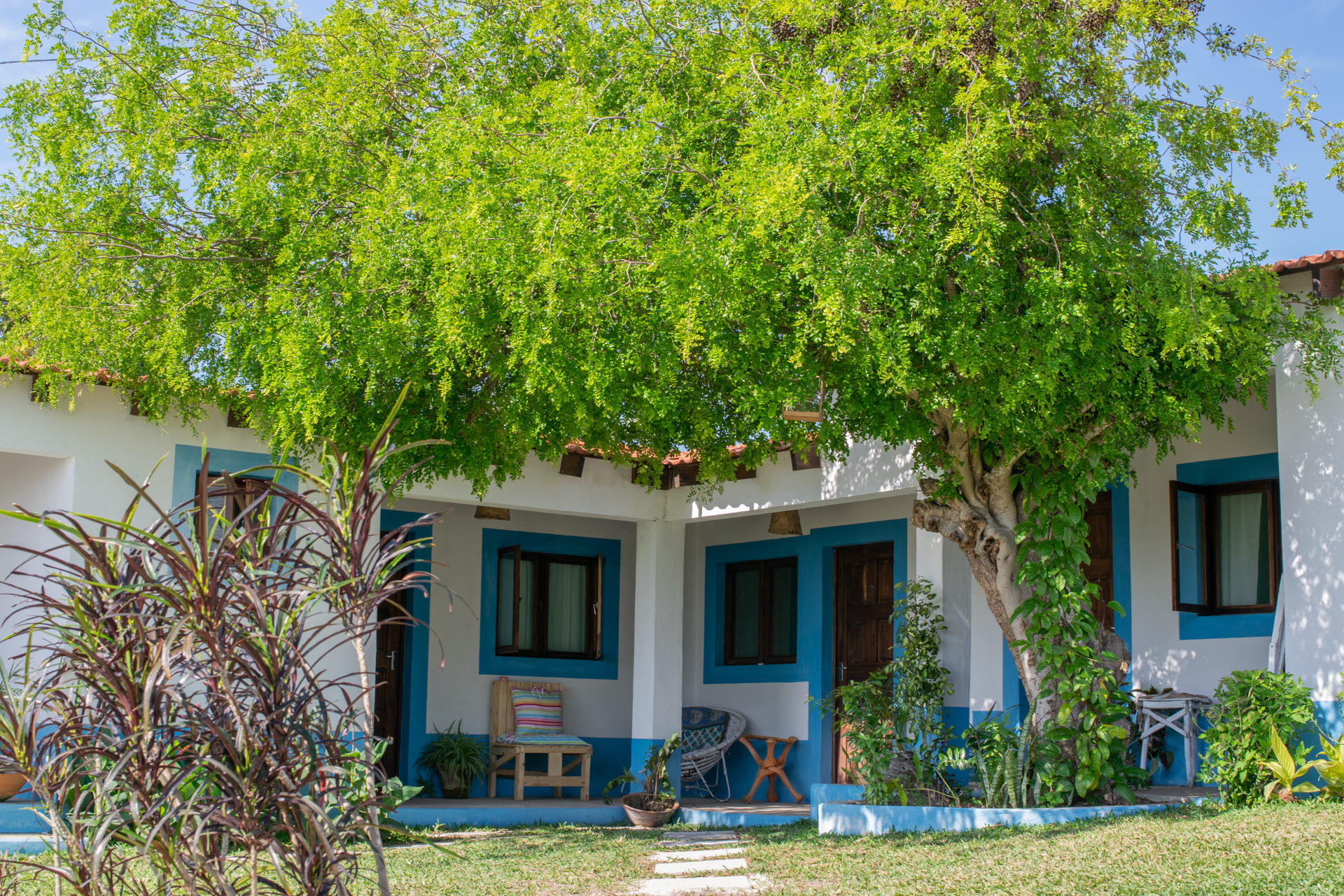 Although Macaneta is a beach holiday resort, the isolation of our lodge from other hotels or guesthouses is a big advantage, if you are looking for a more relaxed kind of vacation. Its in-the-middle-of-nowhere location, super welcoming and caring hosts (we got lucky again!) and delicious sea-food were just the right ingredients for spending excellent family time, even only for three and half days. We took full advantage of the afternoon sun, chilling out at the pool area, reading books, playing games. The kids got a new friend called Jack who was obviously more successful in keeping them away from the Internet than my attempts to talk them out.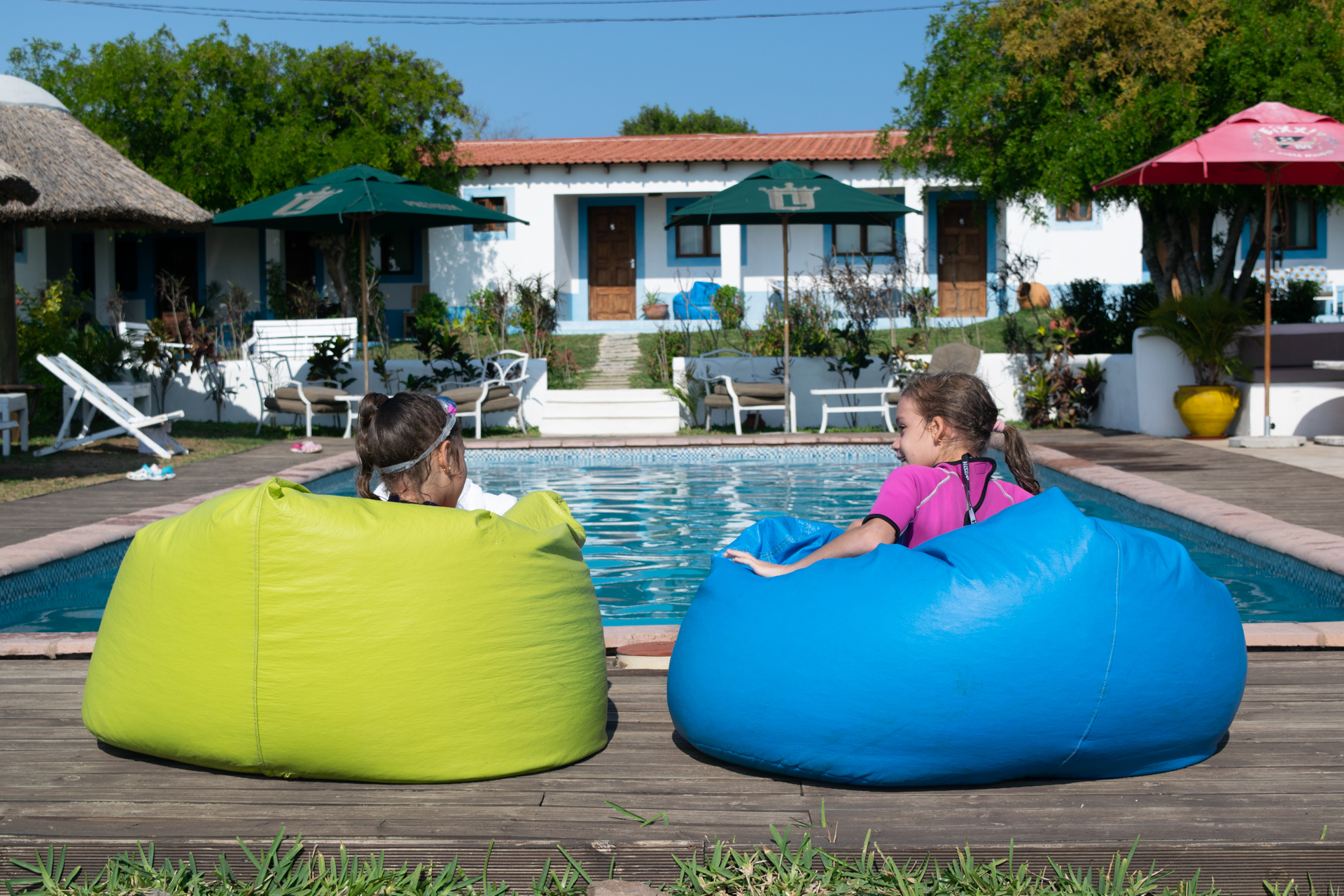
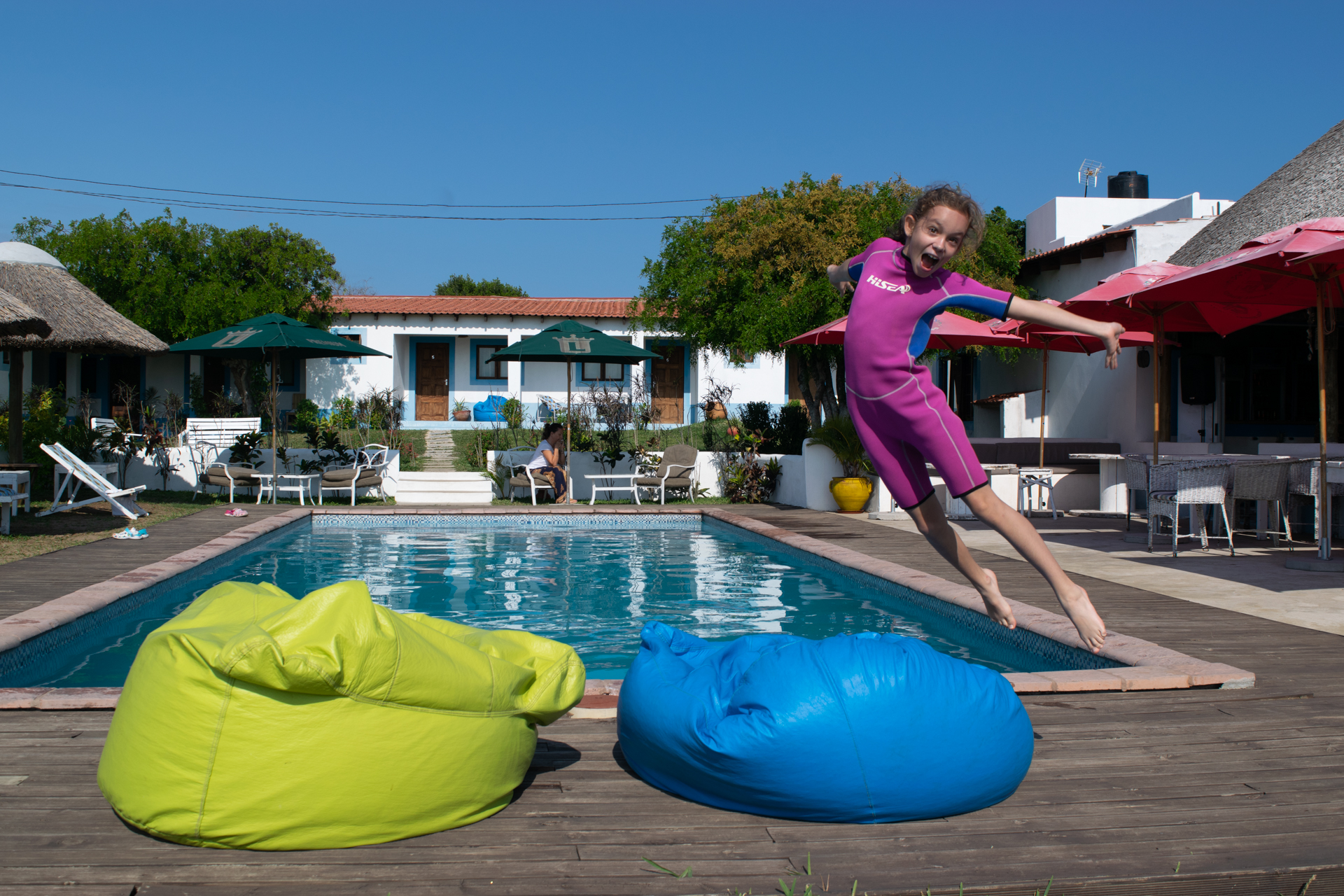
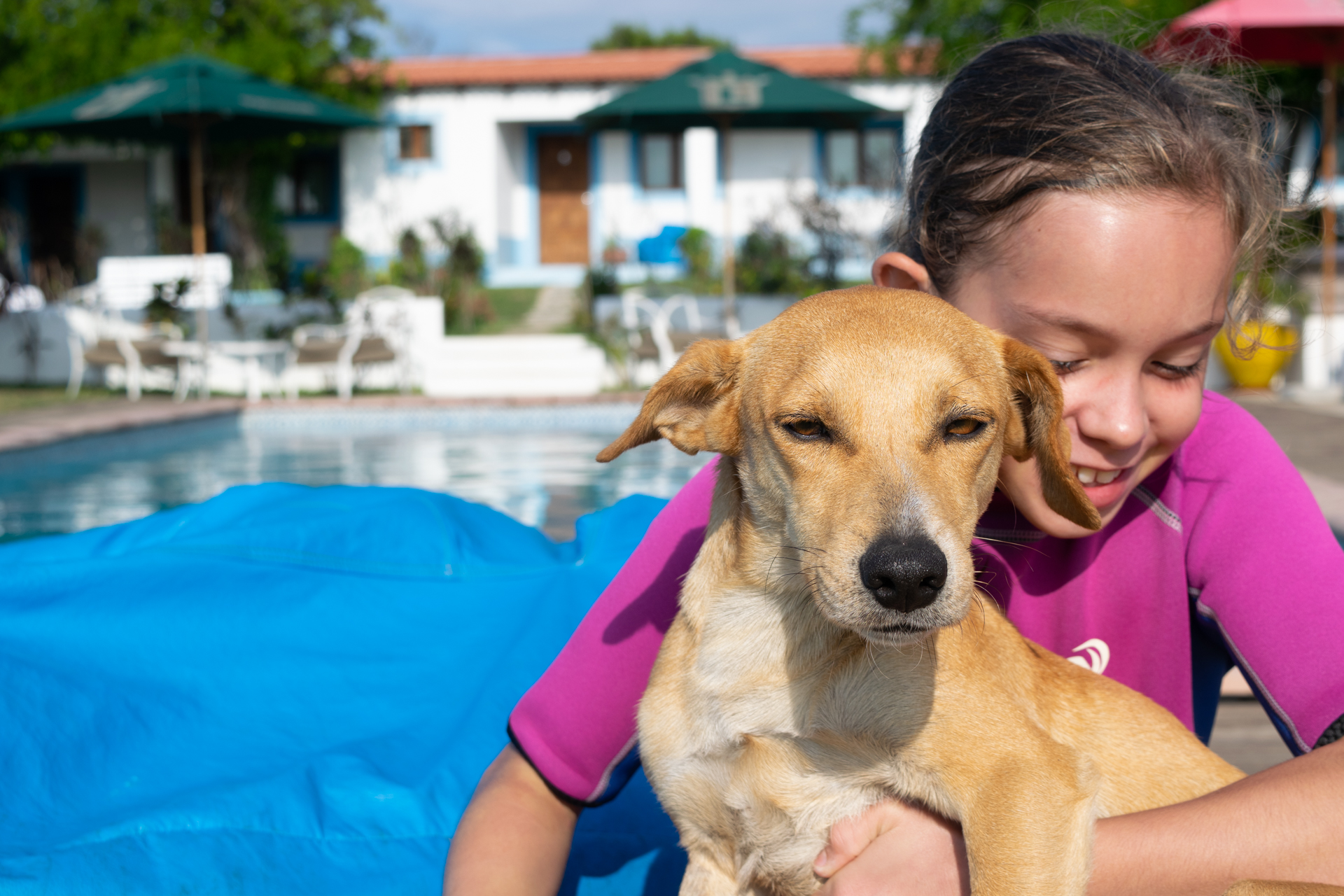 It’s funny how the tranquility of this place influenced my quite ambitious initial plans for Macaneta. While researching the area on the Internet back in Kigali, I noted two potential activities we could undertake during our stay at the lodge – go on safari at Maputo Special Reserve and make a boat trip to Inhaca island. However, the weather forecast for the next 2 days predicted rains, winds, and cooler temperatures.
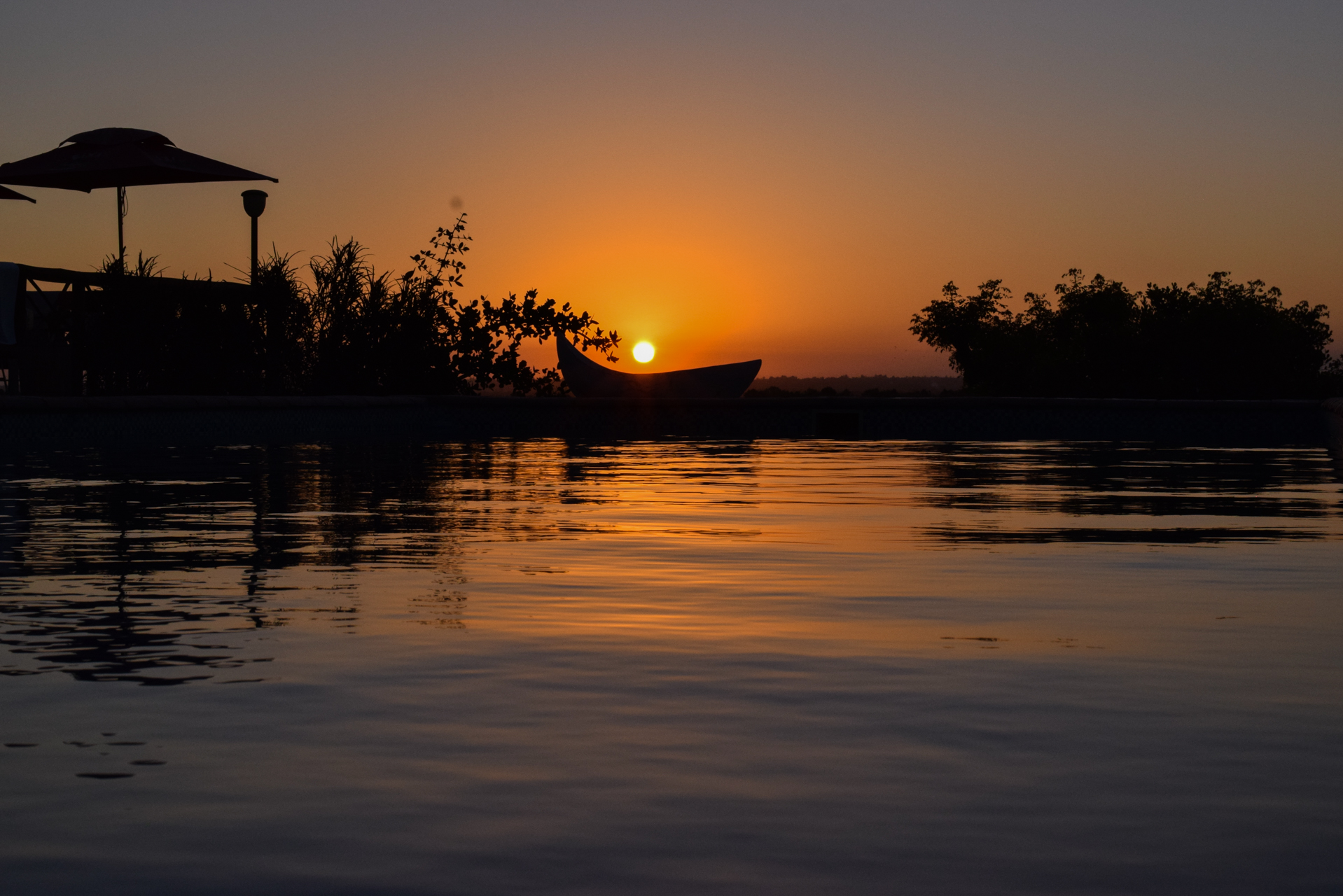
So, I laid back, poured myself a glass of Portuguese white wine, and indulged in one of the most beautiful sunsets I’ve ever seen. 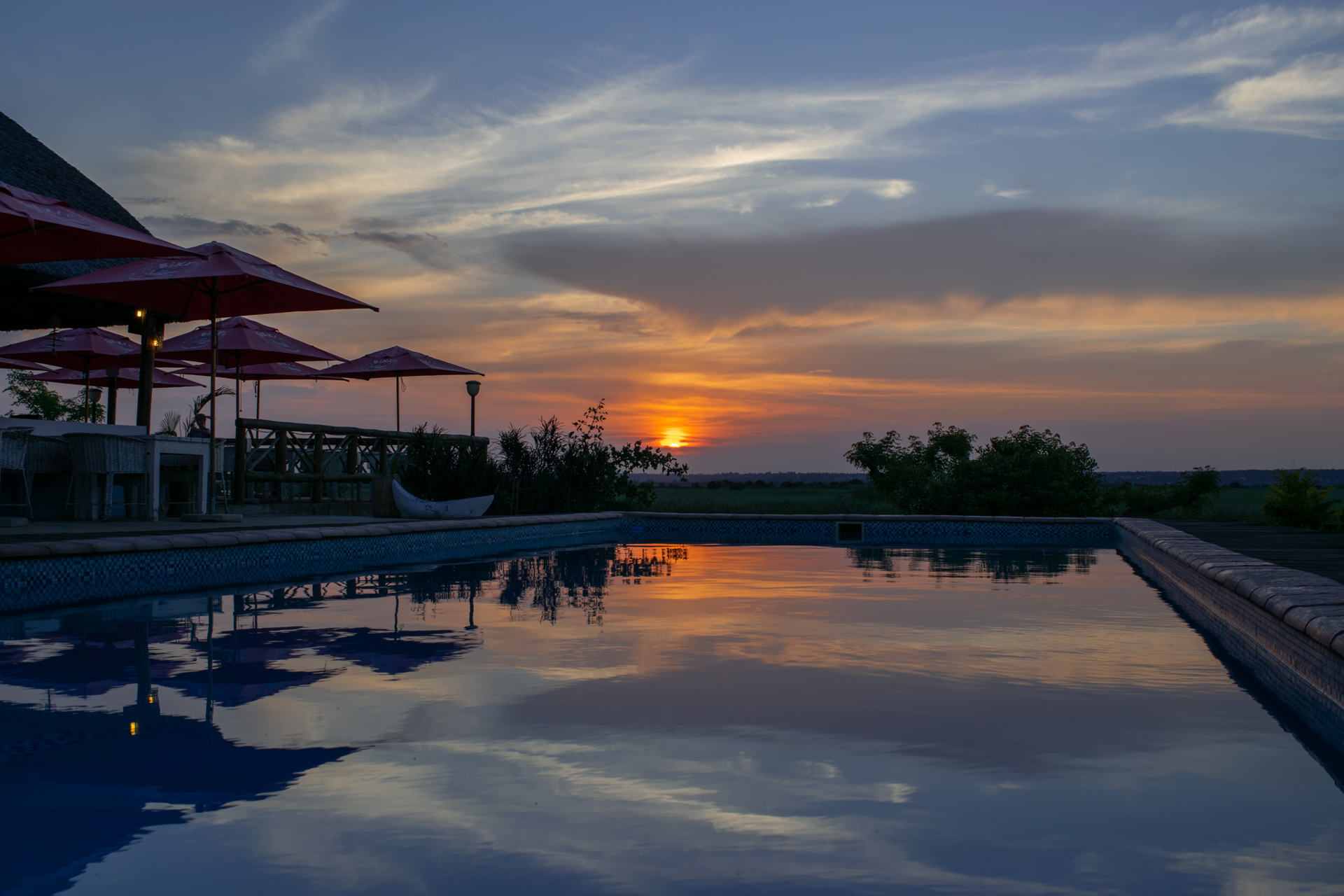 If I had to give only one reason why I recommend this lodge, it would be Cristina and Francisco – its owners. Leaving their jobs and families back in Portugal after the crisis in 2008-2010, and arriving in Mozambique with a suitcase and some saved money, Cristina and Francisco built up their life together in Macaneta from zero. None of them had any experience in the hospitality industry; yet, after 8 years of hard work, resilience and dedication, Lodge Quinta do Lorenco is now highly rated on booking.com. Cristina is an excellent cook, and Francisco is a real handyman – there is literally nothing he can’t build or repair – be it a car, a house or a swimming pool. Most importantly, they both know how to take care of their customers.
I can’t go without saying a word about the menu, and especially what was not on the menu but thanks to Cristina the staff was always ready to prepare for us, or Cristiana just made delightful surprises to spoil us even more. Fishermen would bring in their morning catch to Cristina – crabs, lobsters, fish, prawns, you name it but then it was her creativity and customer-orientation that made the whole dining experience unique. 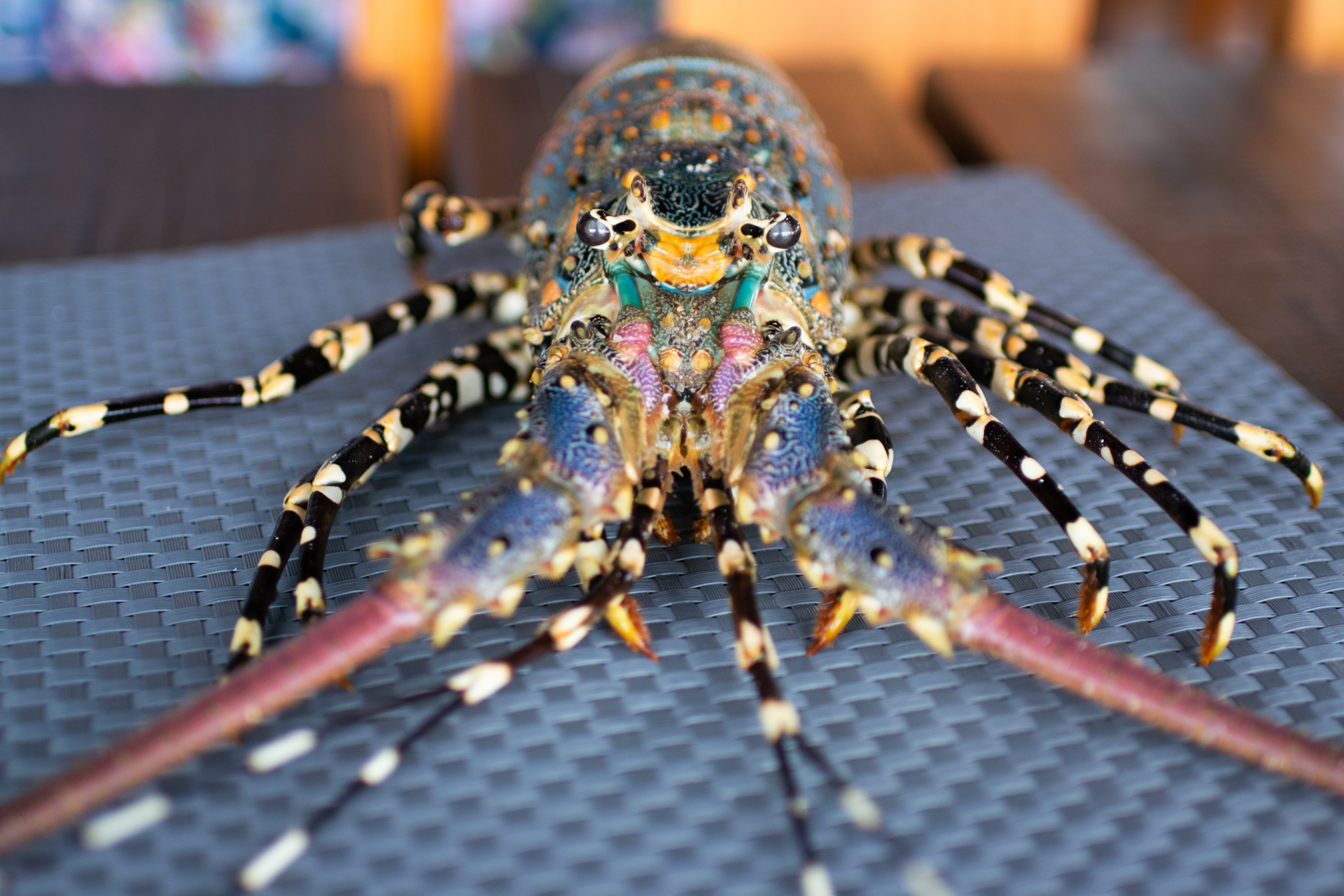
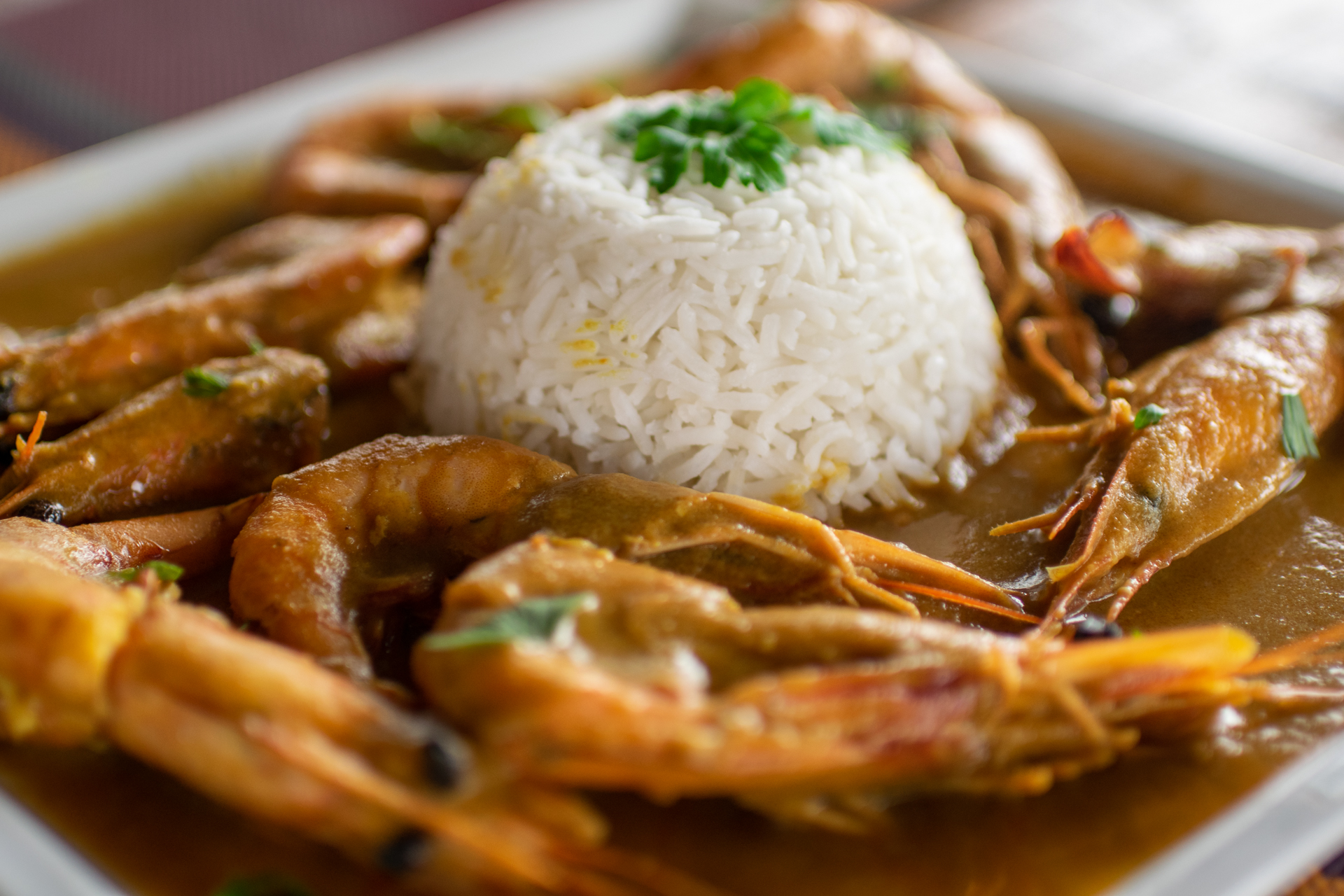
Big prawns cooked in curry-coconut sauce
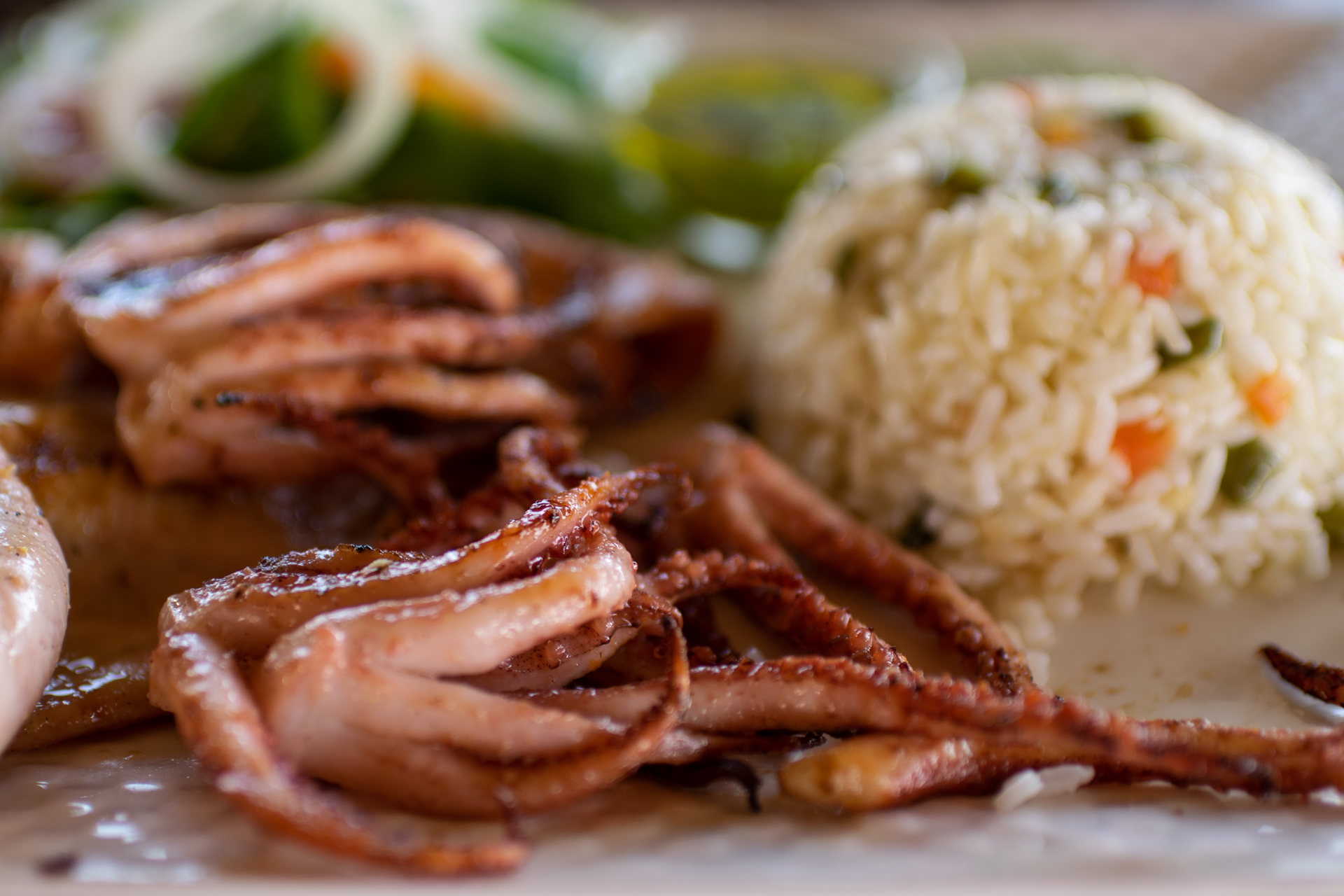
Calamari which looked like octopus
On top of this, Cristina turned out an excellent dessert maker so it was hardly possible to refuse her home-made cheese cake or chocolate mousse. The cherry on the cake was the home-made cocktail prepared with fresh passion fruit juice and vodka which she brought out as “good-buy” drink on the last day. 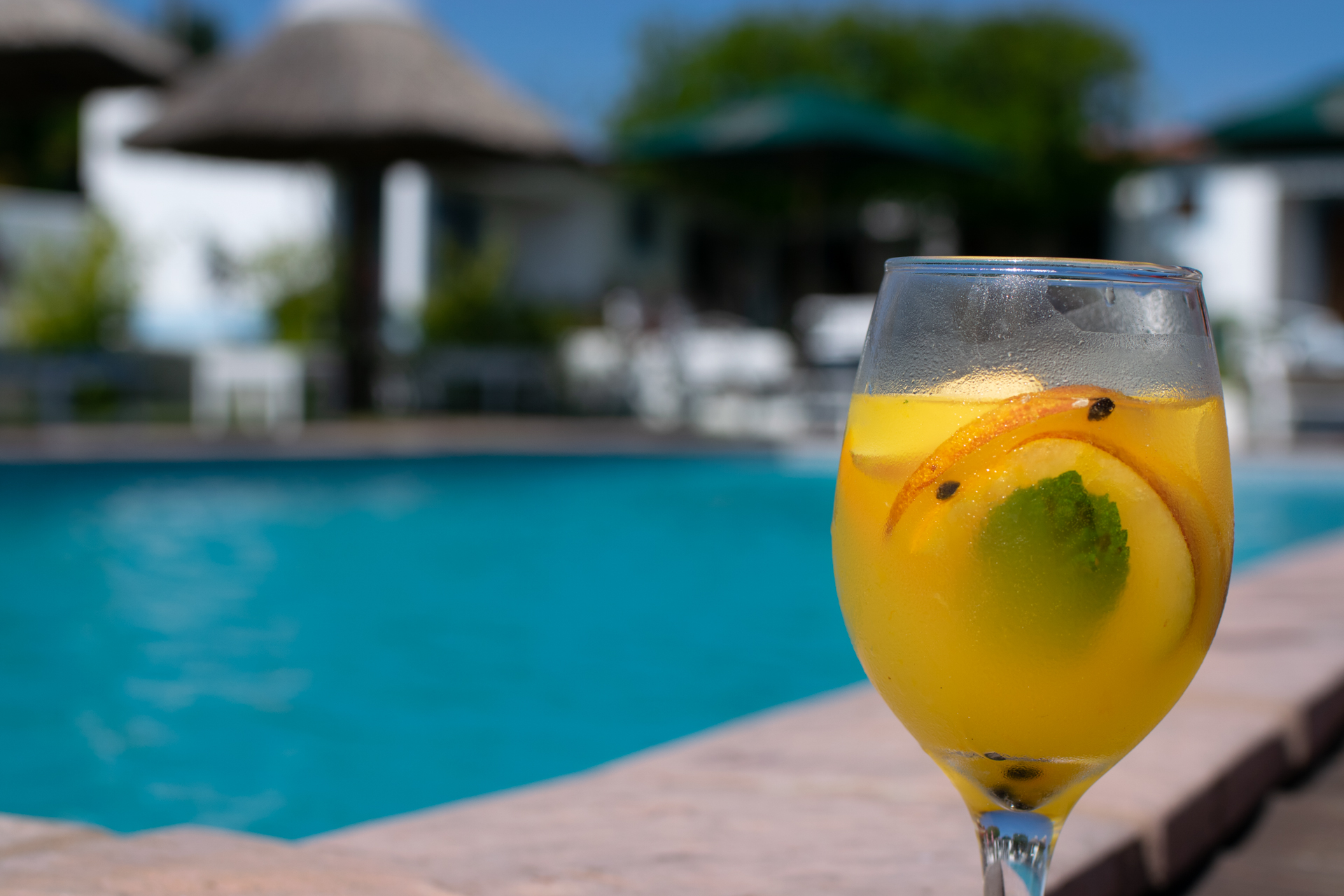
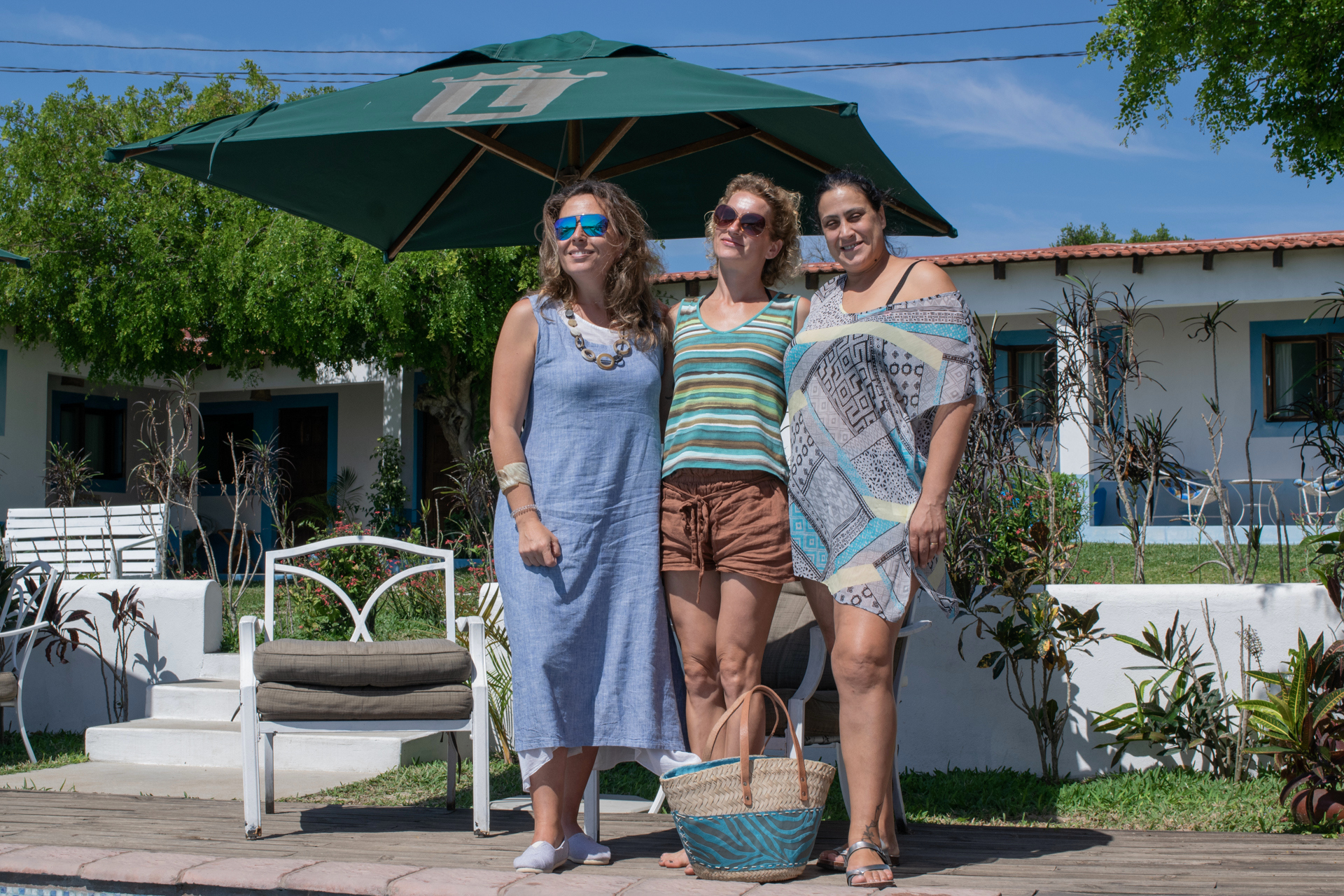
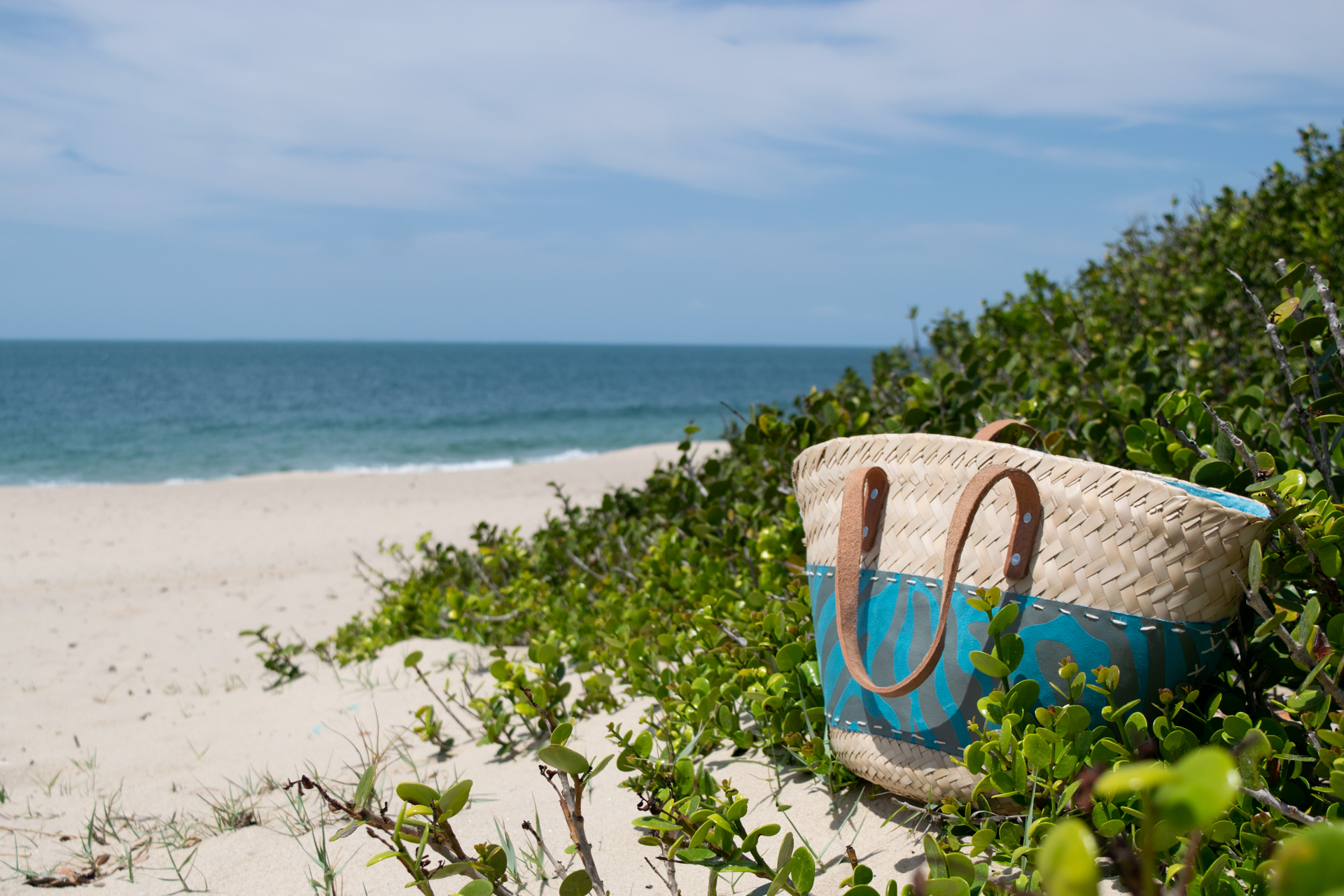
With Cristina and her friend Sandra who makes artistic handbags and designer dresses
It wouldn’t be a real African experience, if we hadn’t had an unexpected meeting with a cobra one evening. We were having dinner and chatting with Cristina when we heard terrified shouts coming from the kitchen. Cristina and Francisco immediately went to see what’s going on, and then a minute later Cristina and some of the kitchen staff rushed out from the kitchen, visibly frightened. What happened next felt like in a movie – we heard sounds and shouts as if from a slaughter, followed by silence and then Francisco walked out with a dead snake hanging over his machete-like knife. It was rather a small cobra but we were all relieved when he tossed her far away out in the fields. For Francisco this wasn’t the first encounter with snakes. He told us about another, much bigger snake that visited the lodge and took significantly more efforts to get rid of because of her size.
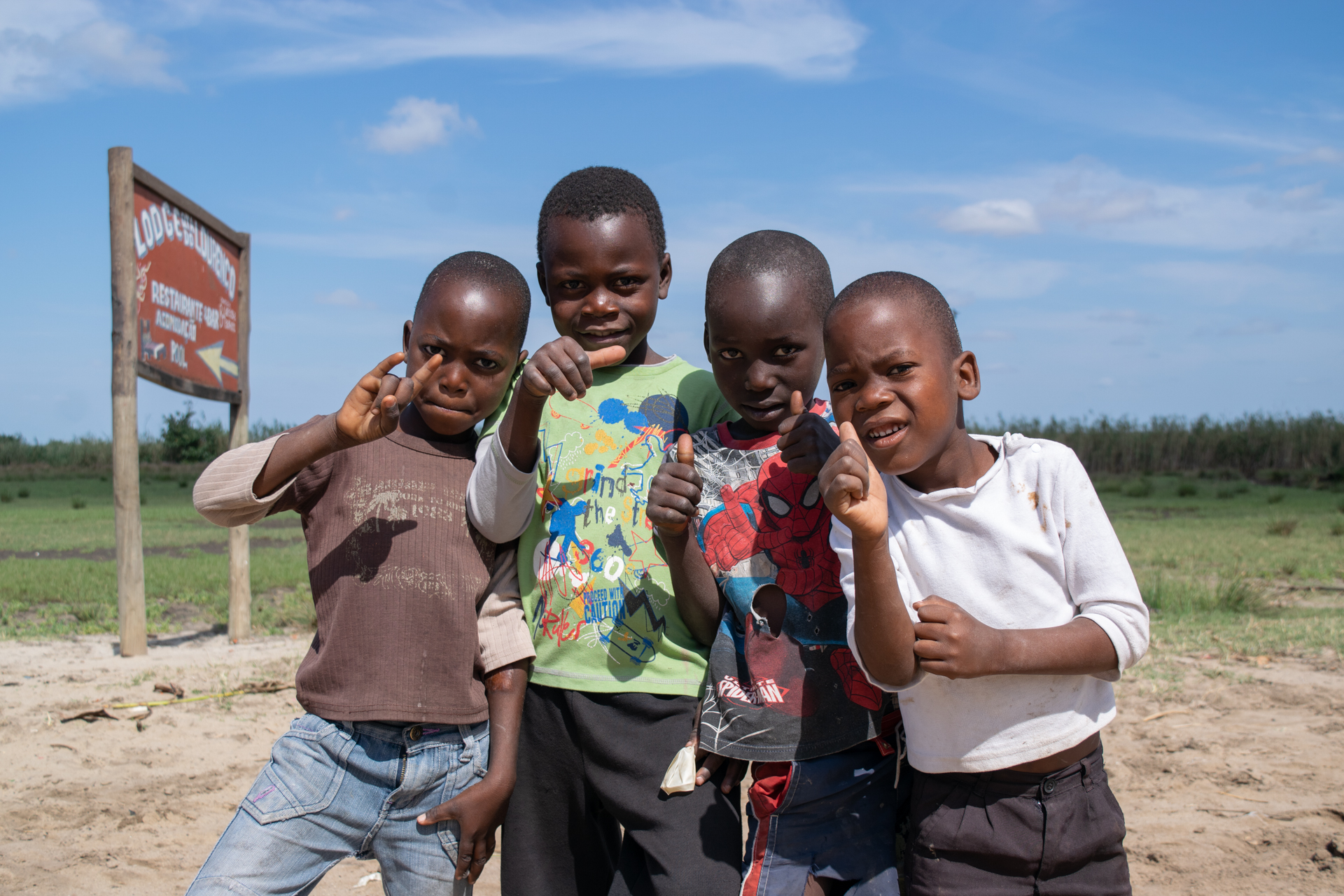
Interestingly, 2 days after this event, I noticed the local kids from the neighborhood playing with something that looked suspiciously like our dead cobra. I don’t know if a dead snake can still be dangerous but local kids seemed to not have any fear of it whatsoever.

The weather forecast for the next 2 days turned out to be right so we took full advantage of it and focused on simple things like sleeping, eating, reading and playing.
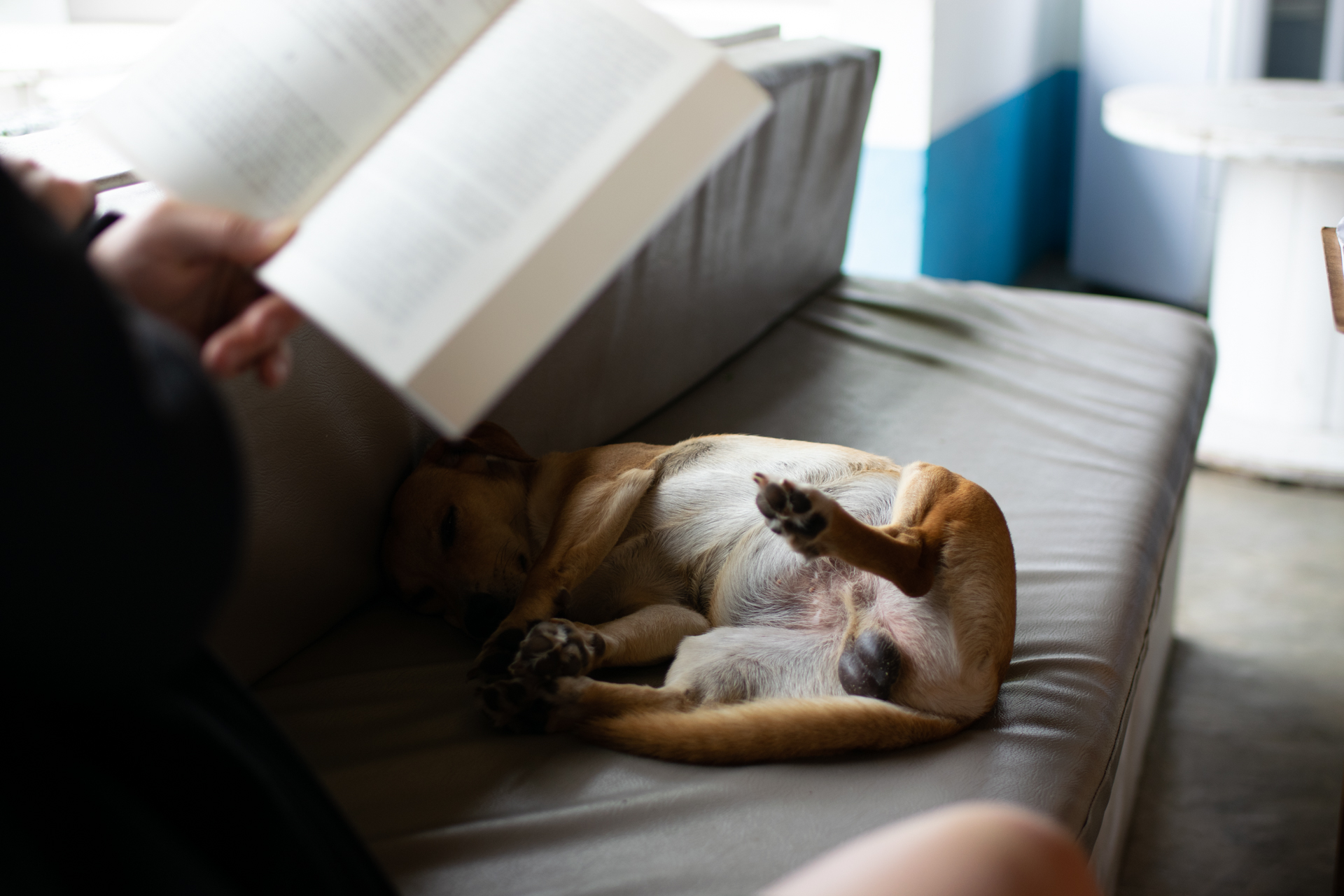
Our hosts seemed to be a little bit concerned we are not getting the most of our stay so Francisco offered to take us around Macaneta in his car, which was an excellent idea so I quickly accepted it (my understanding about having a nice vacation has always been associated with some kind of activity and movement).
Who would expect to see an authentic horse-riding ranch, like in the American Wild-West movies, in the middle of a beach resort in Mozambique? Before all, it simply doesn’t fit the scenery around! But then on a second thought I realized that this is a good opportunity for kids to finally try out horse riding (they’ve been asking me about this for a while). The ranch was impressive, especially the bar interior and the „Post Office” which served as accommodation for those not able to get back home after a solid night at the bar. I won’t be surprised El Paso – the ranch – served as a shooting spot of a real western movie.
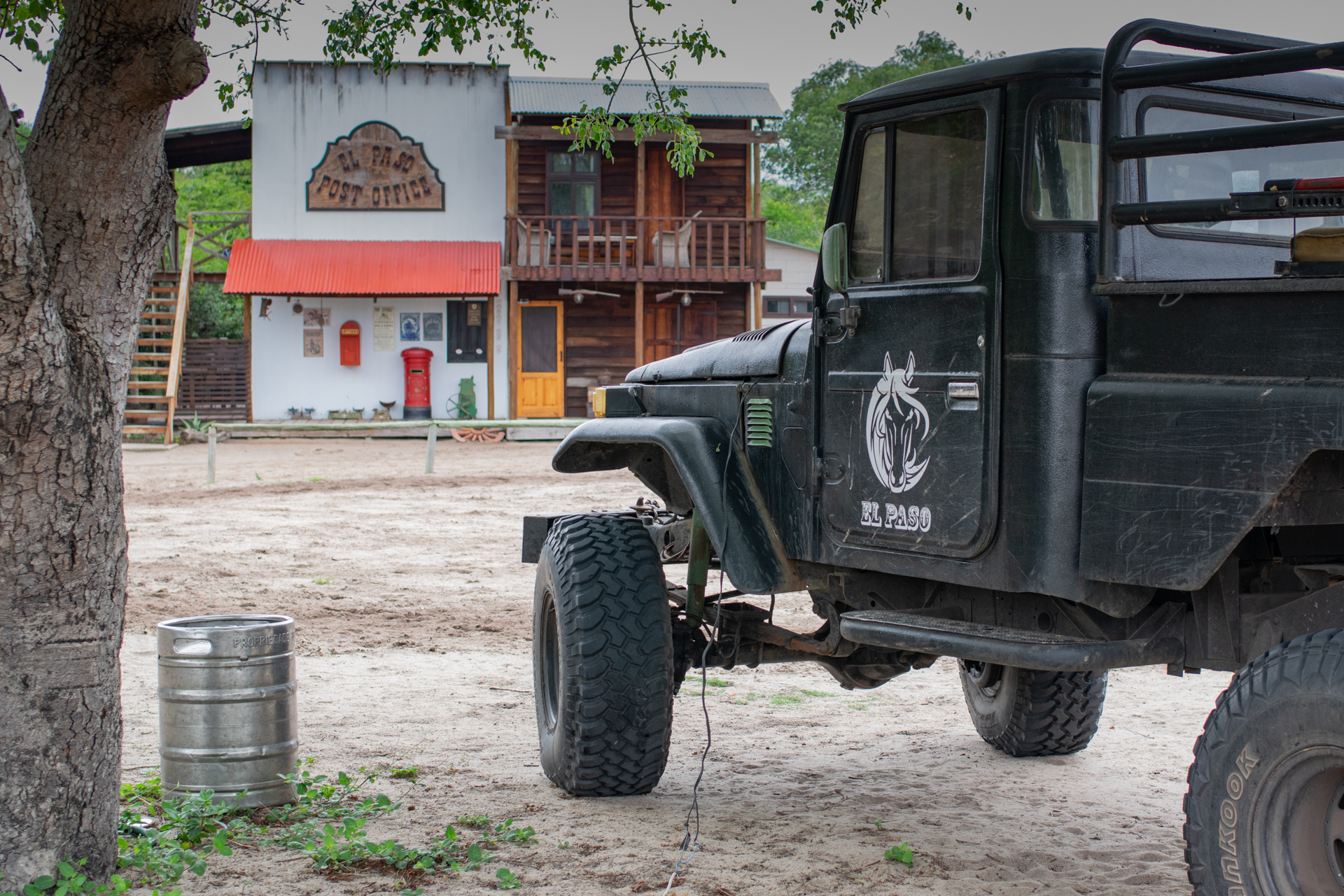
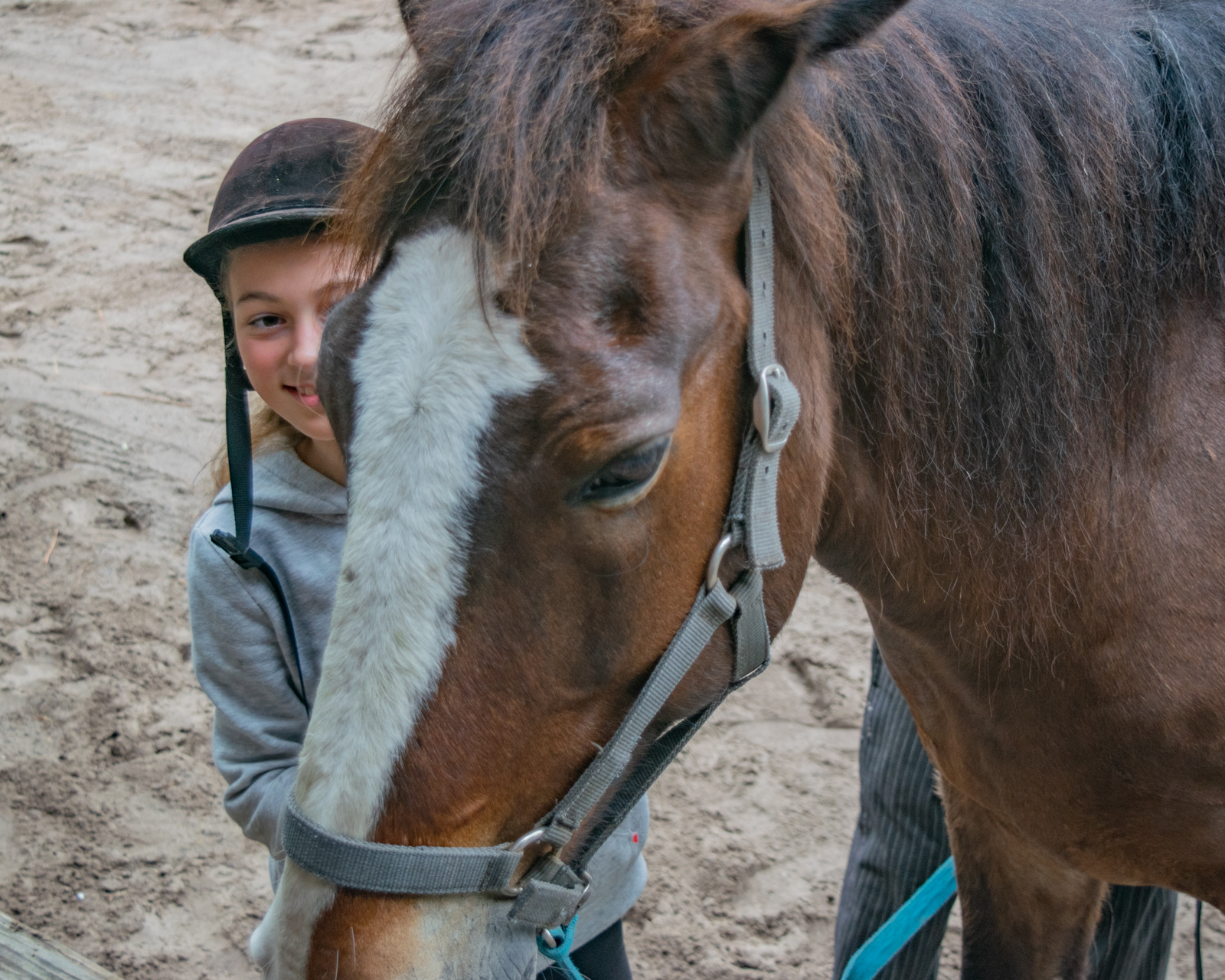
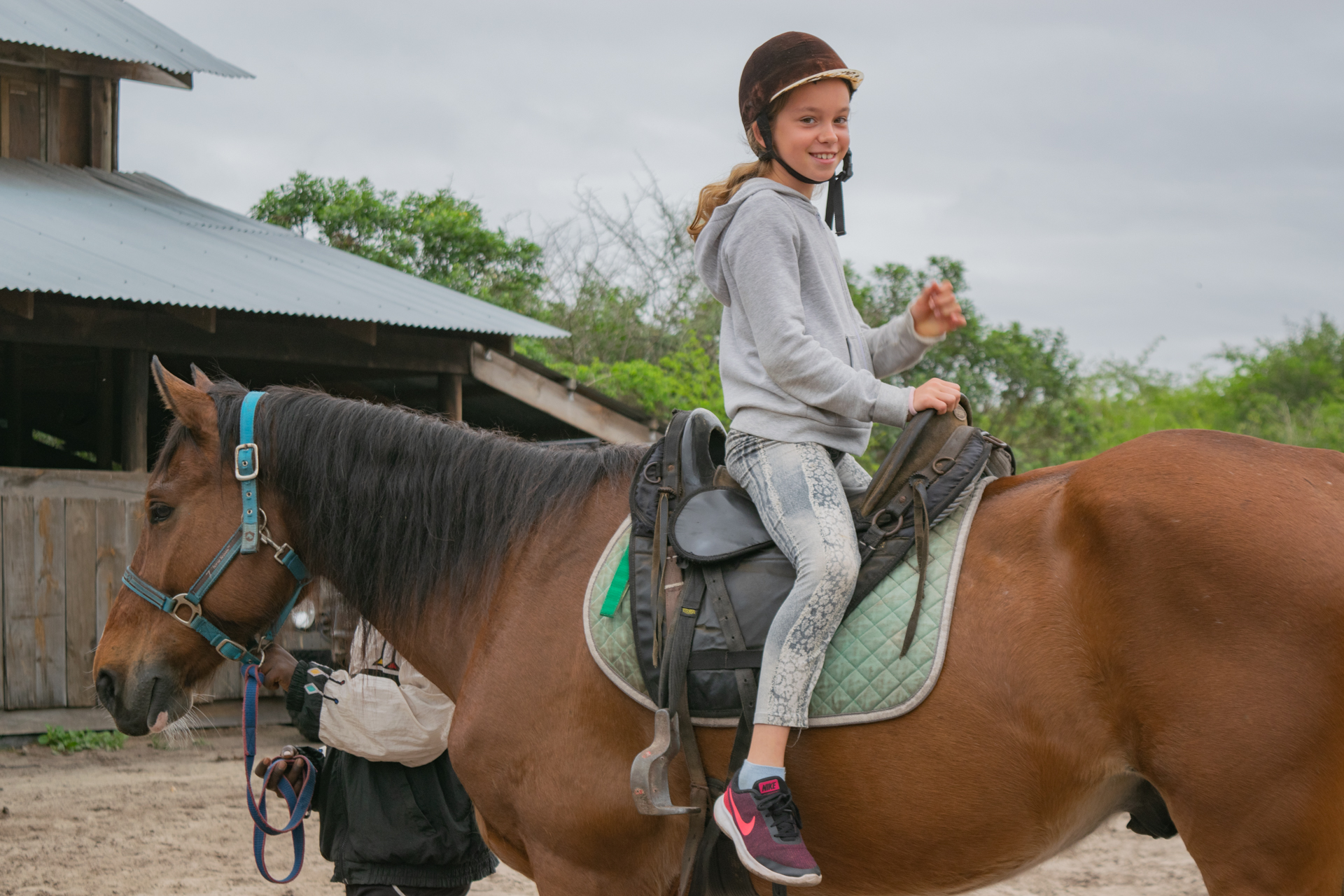
On the way back it started drizzling but Francisco insisted to take us to the end of the peninsula, where the ocean and the river meet. Due to the worsening weather we couldn’t appreciate the view fully. And I suspect that the real reason for driving there was that Francisco wanted to show off a bit with the house he has just built himself. Imagine, a spacious two-story house with a thatched roof, modern layout, art on the walls and a home gym on the second floor in this remote and deserted area.
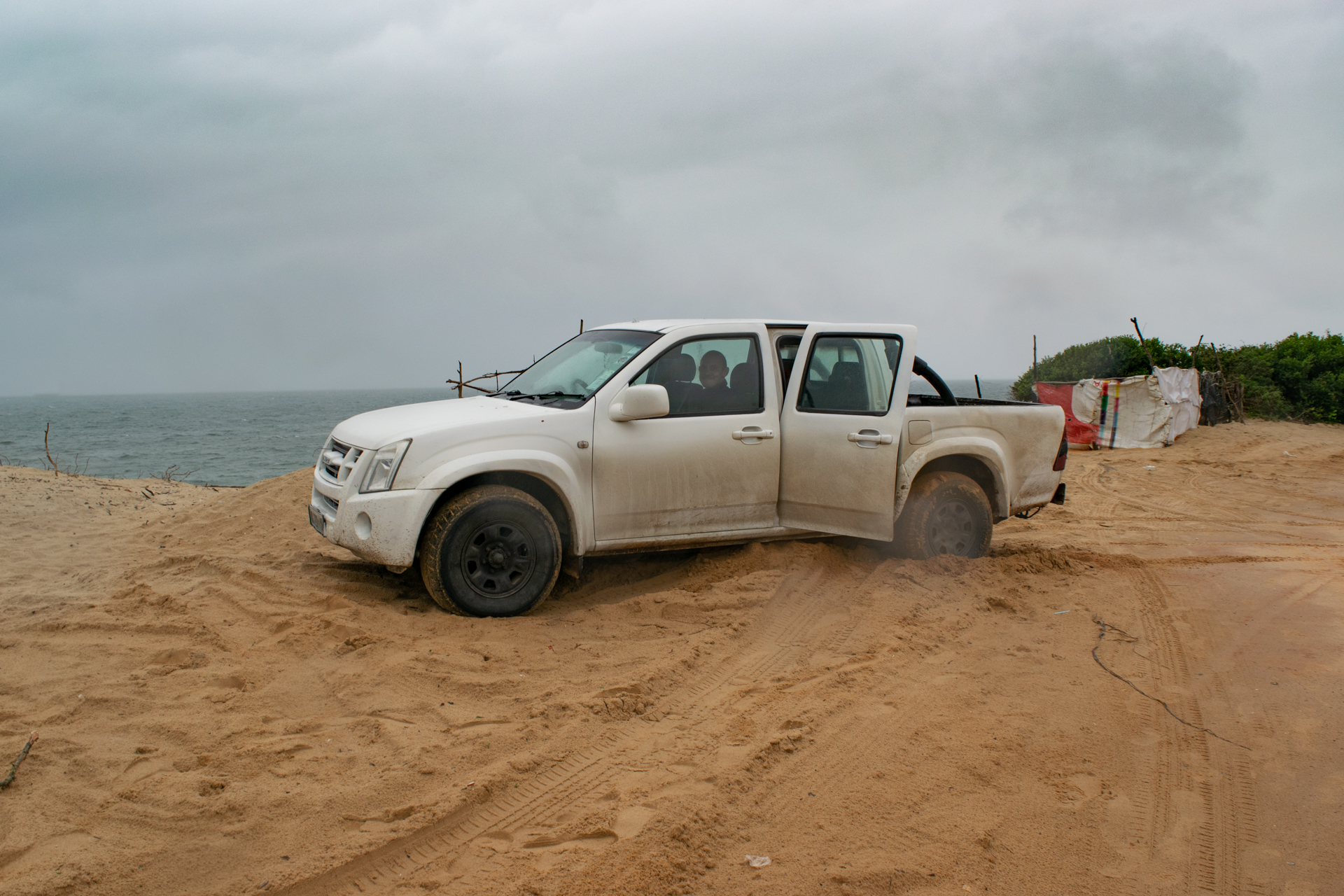
It started raining harder so we hurried up to the car but got caught by two small challenges. First, the car got stuck in deep sands. Before we realized, Francisco was already deflating the car tires to maneuver more easily out of the sand. But since trouble never comes alone we didn’t manage to start the car due to exhausted battery. It turned out Francisco keeps an extra accumulator in the open back of his Isuzu pickup and long enough cables to be able to jump start the car in any situation.
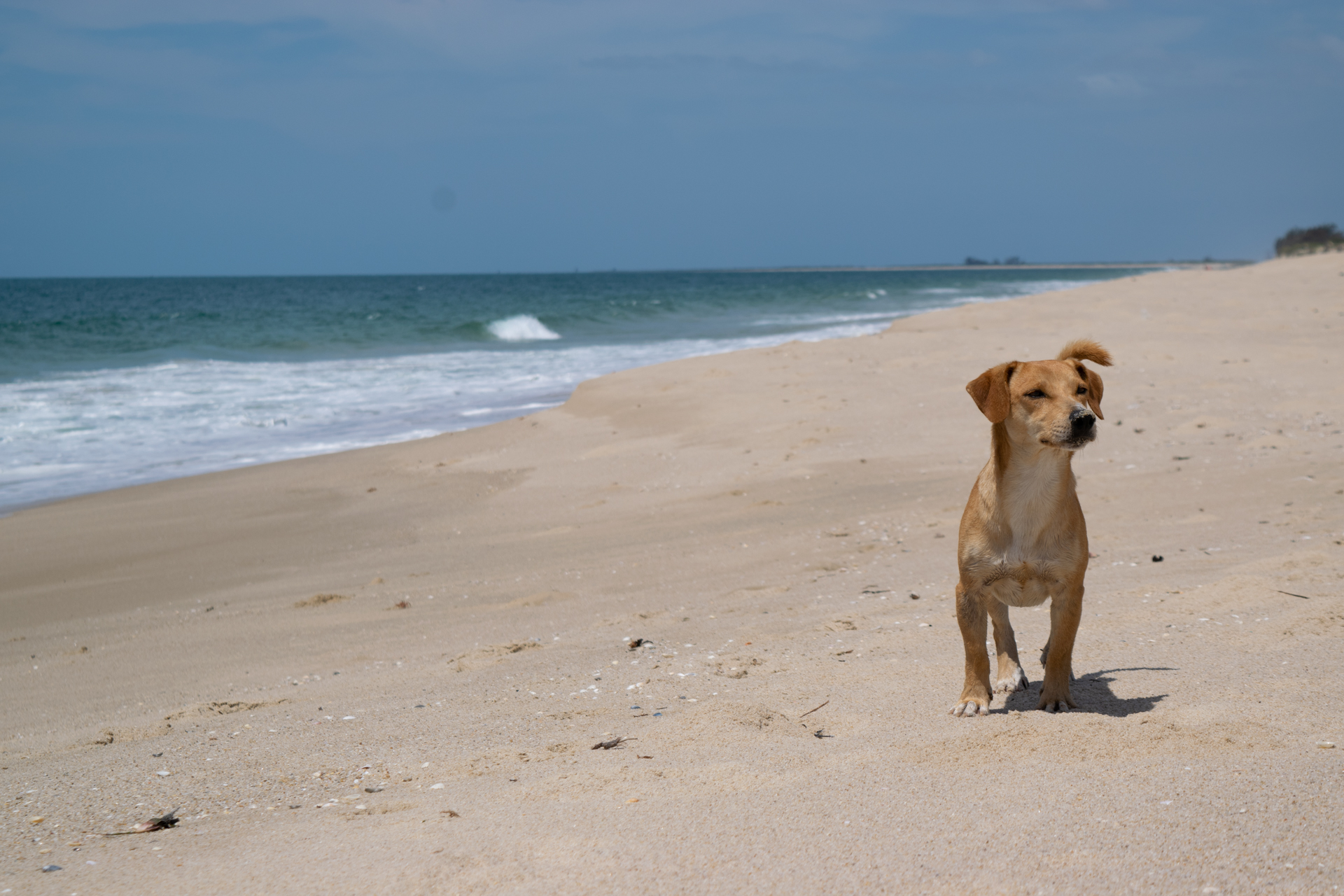
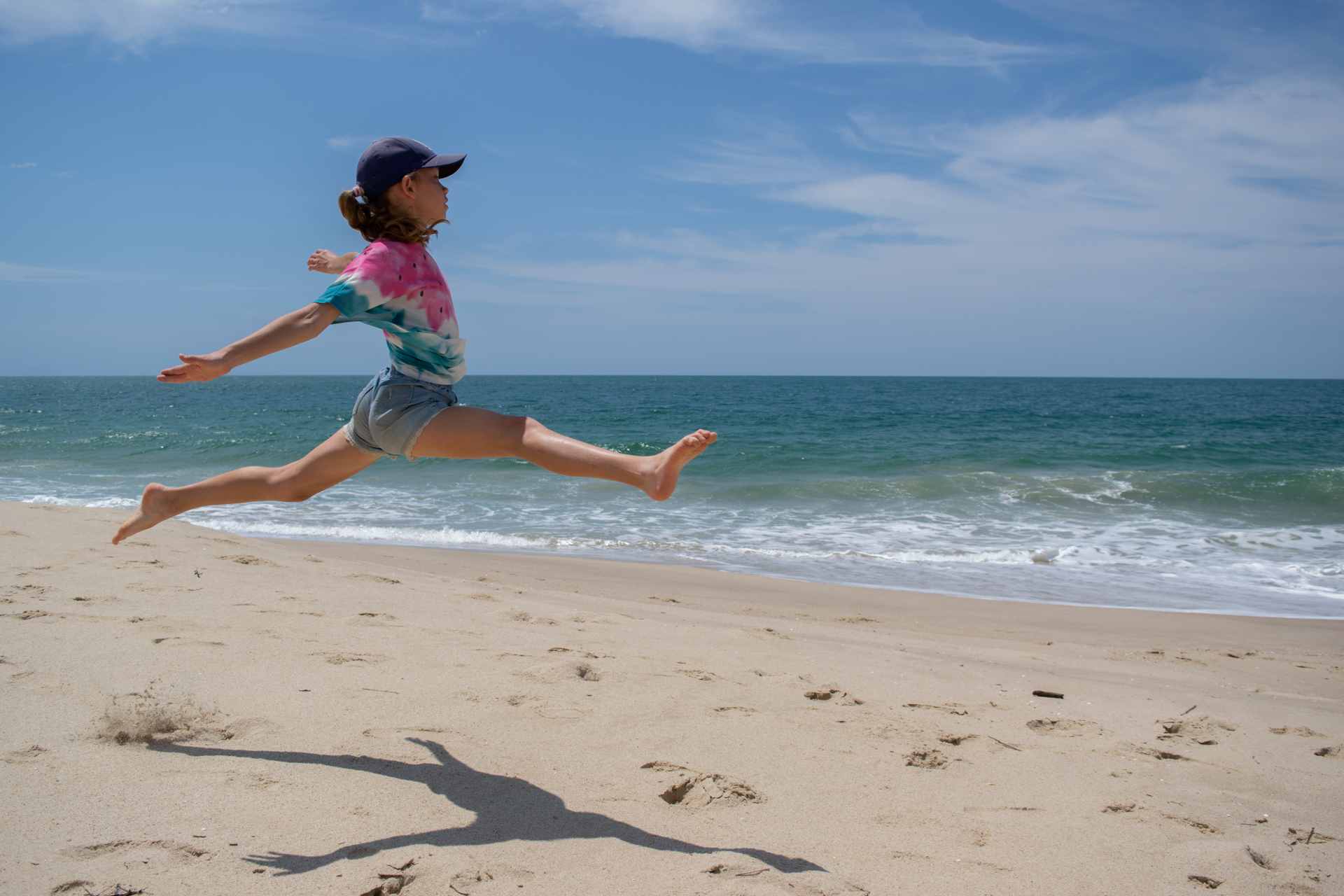
Our last day at Macaneta was gorgeous! After breakfast we took a long walk to the beach, stopped by at the nearby Sunrise lodge for an ice-cream, and spent the morning at the beach, completely undisturbed.
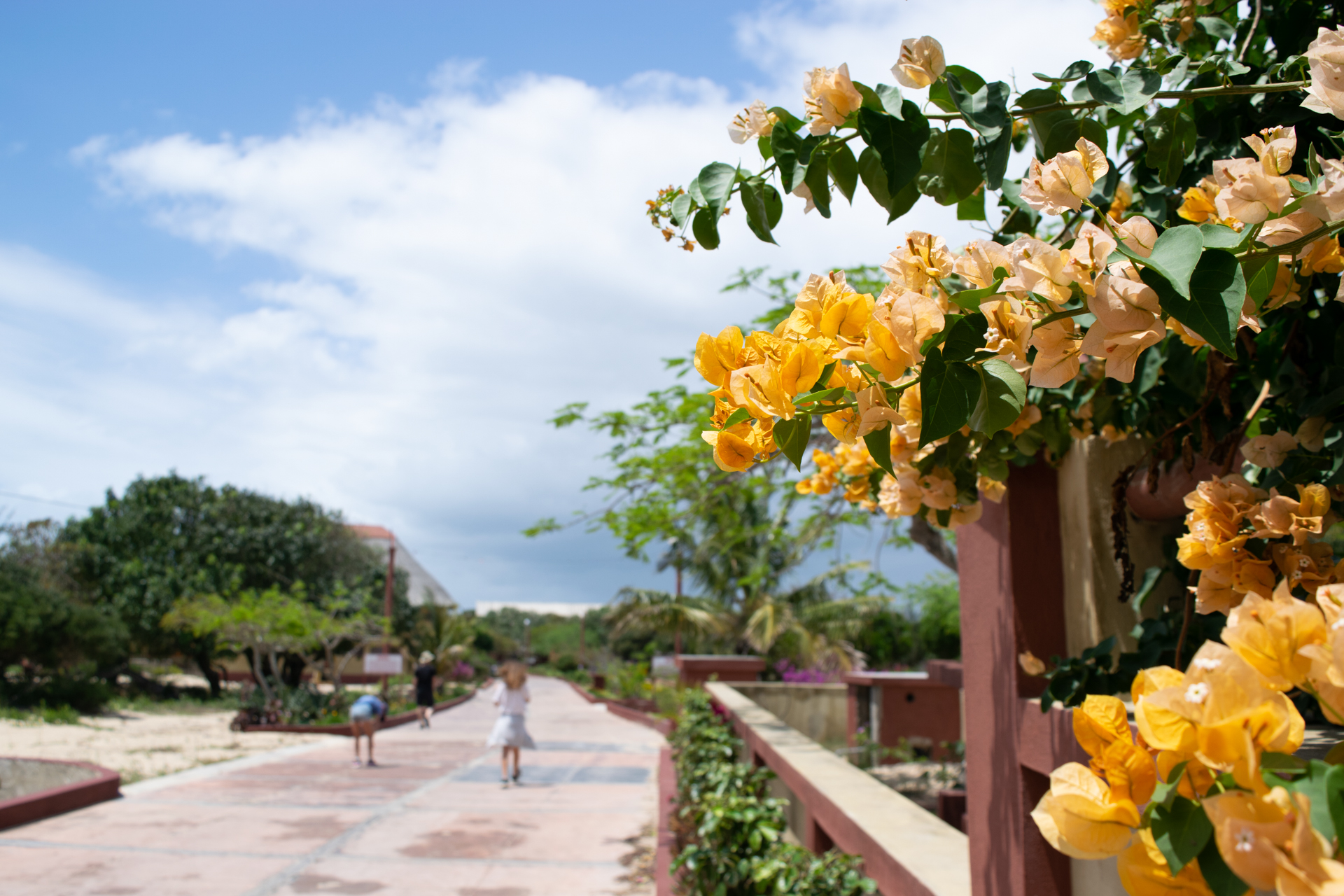
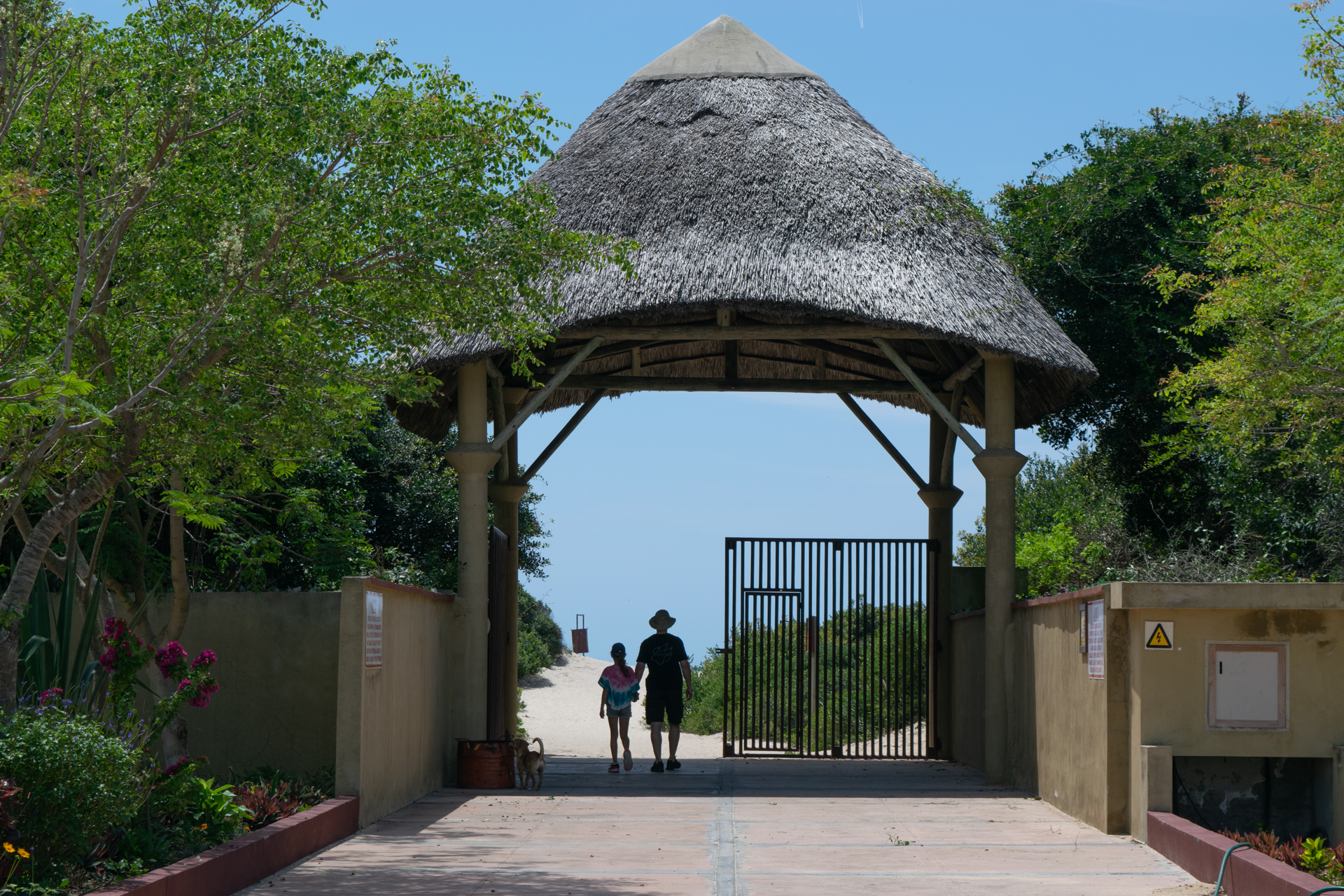
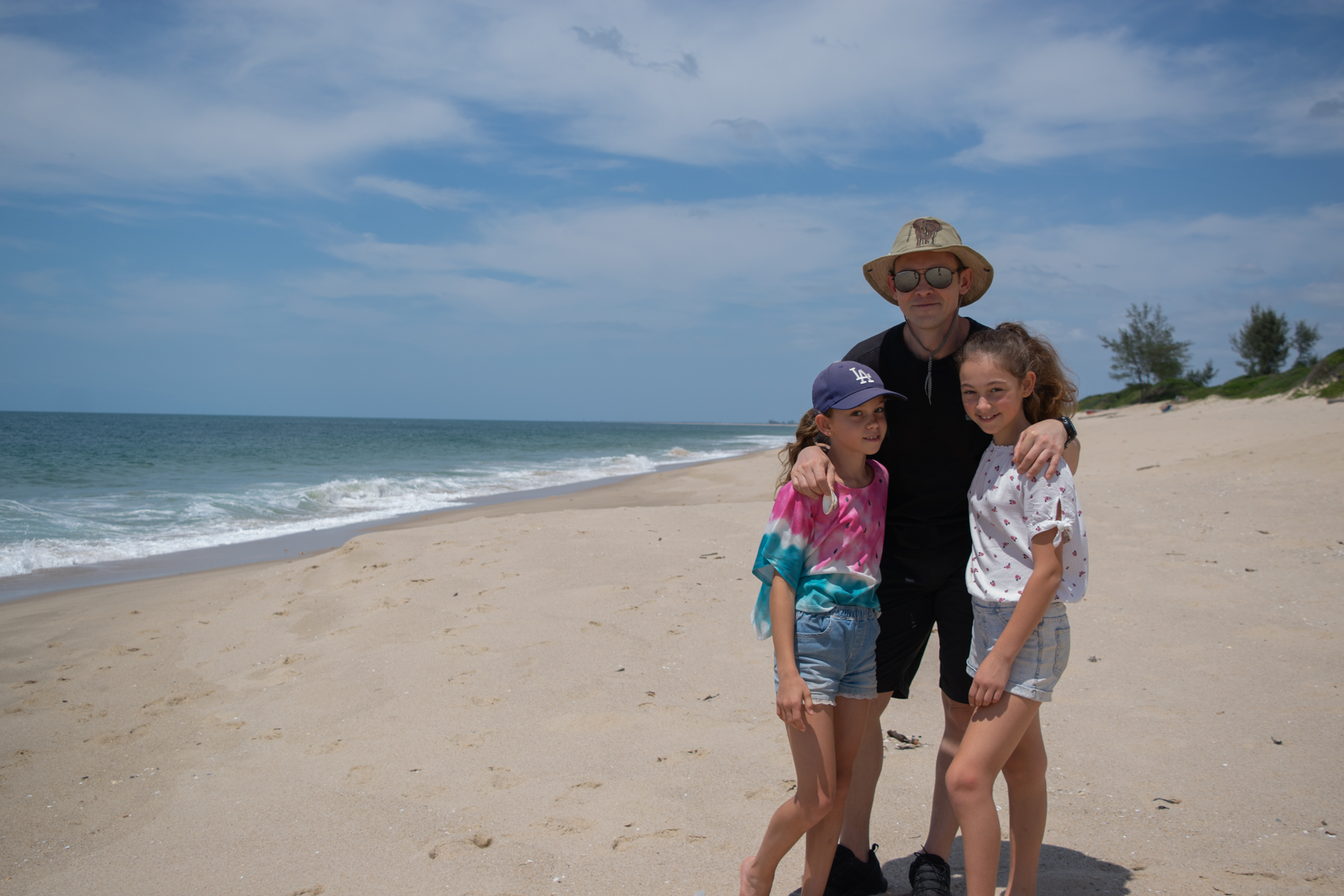
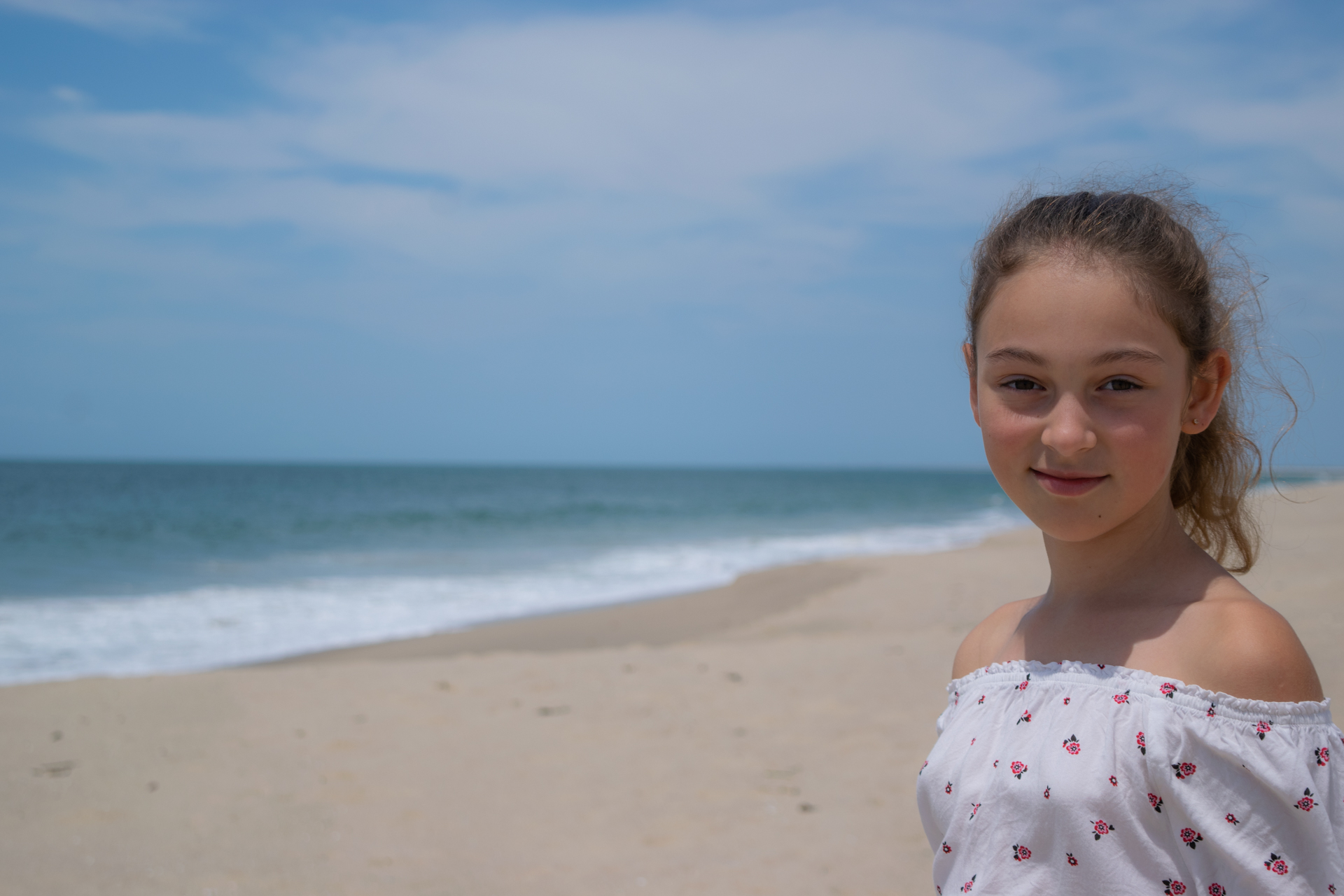
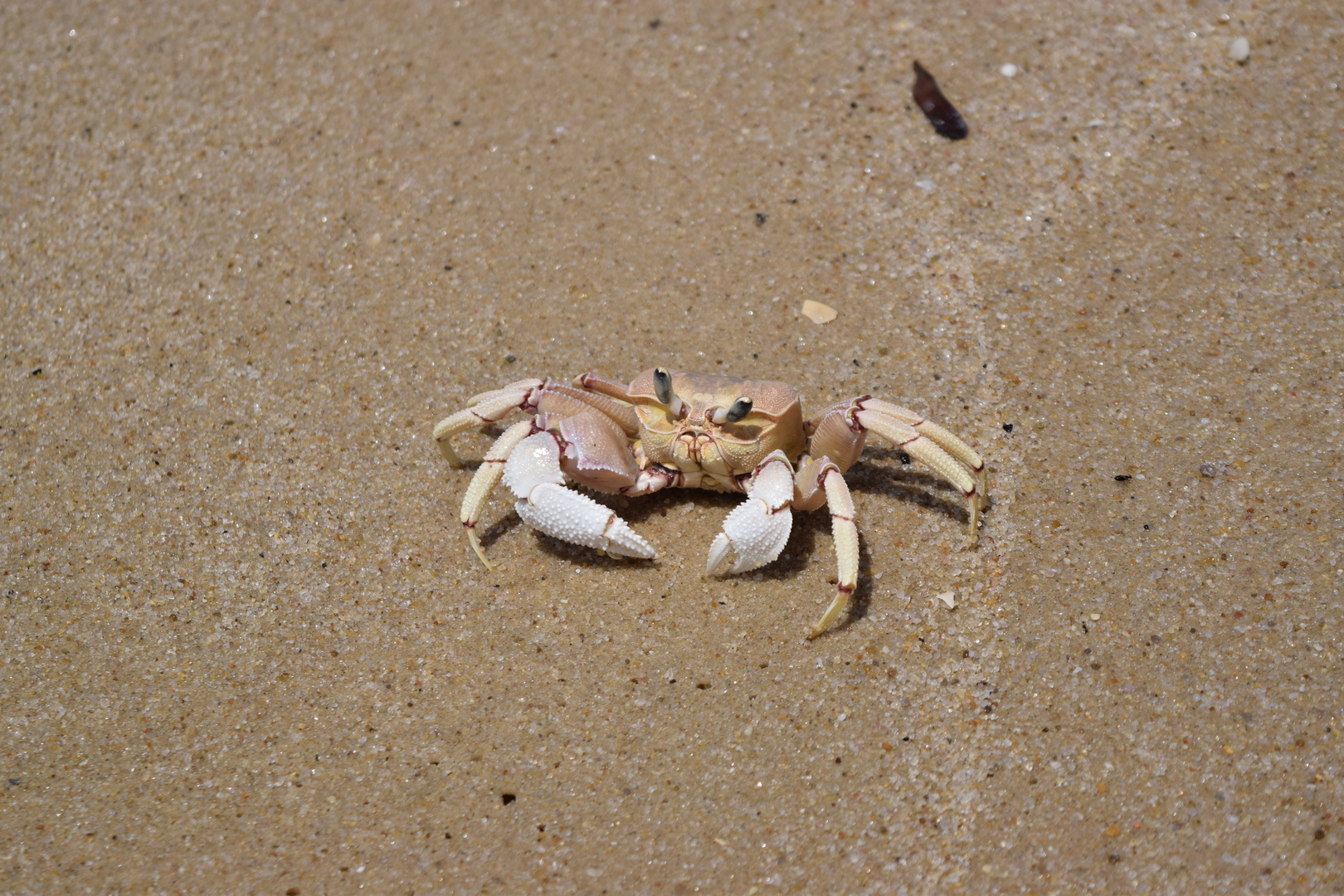
The only other visitors besides us were the crabs brought out by the waves and Jack who quickly got busy trying to get these crabs out of their hiding holes in the sand. We didn’t dare to swim in the ocean that was visibly overcrowded with sea creatures. But I took the chance of capturing some nice photos of this pristine place.
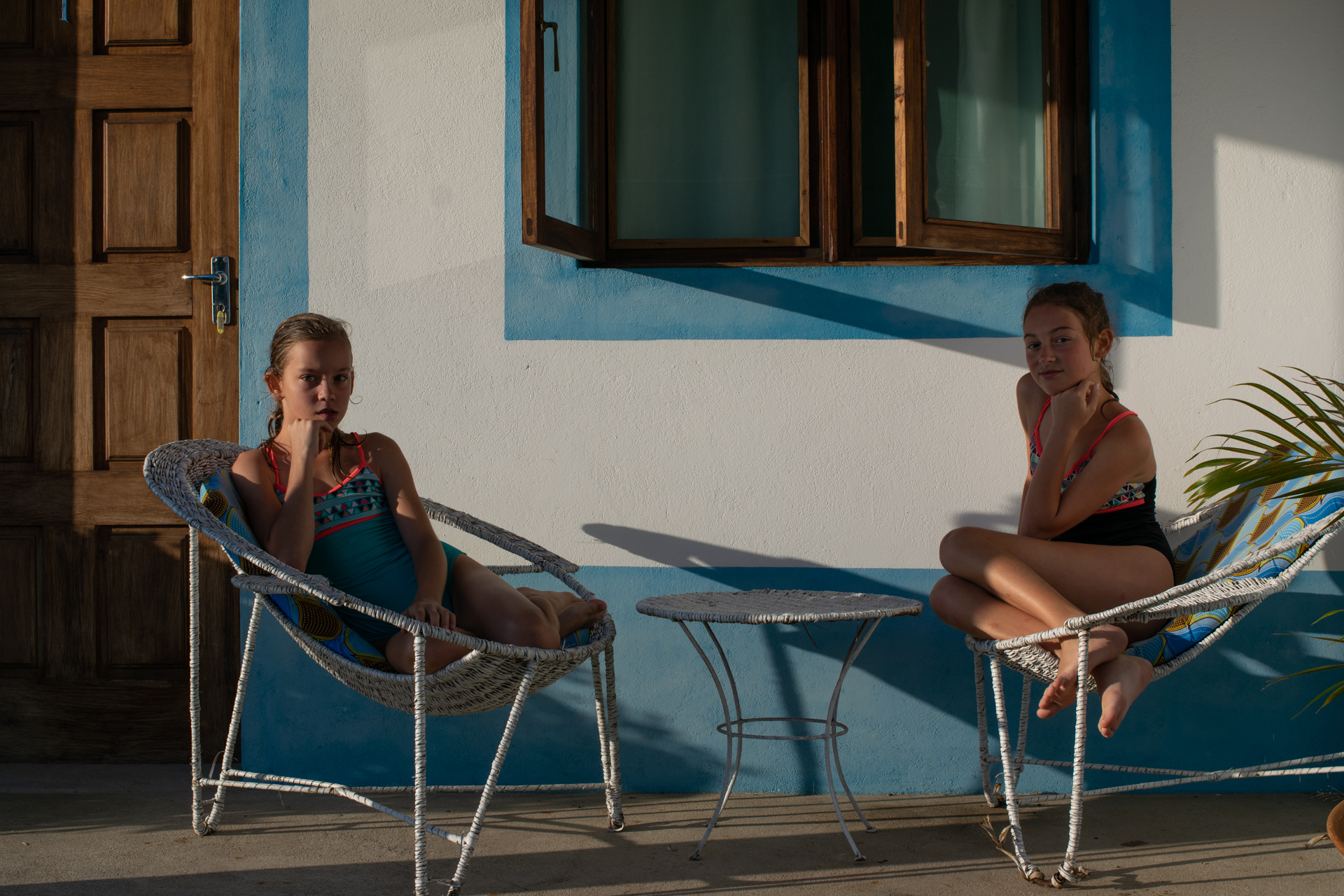
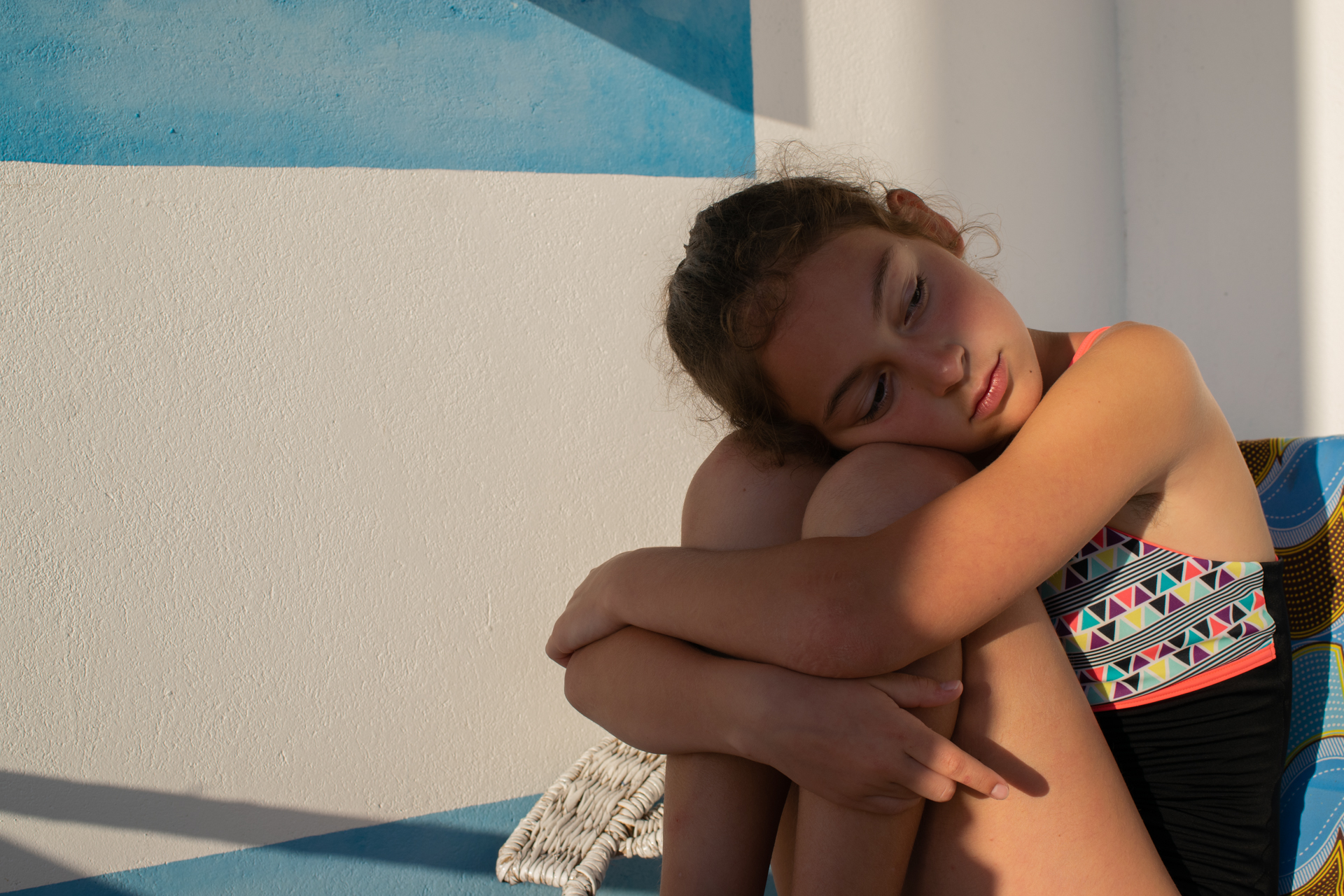
The photo shoot continued at the lodge later that afternoon. I liked playing with the orange reflections and shadows of the setting sun, while kids swam in the pool and played around.
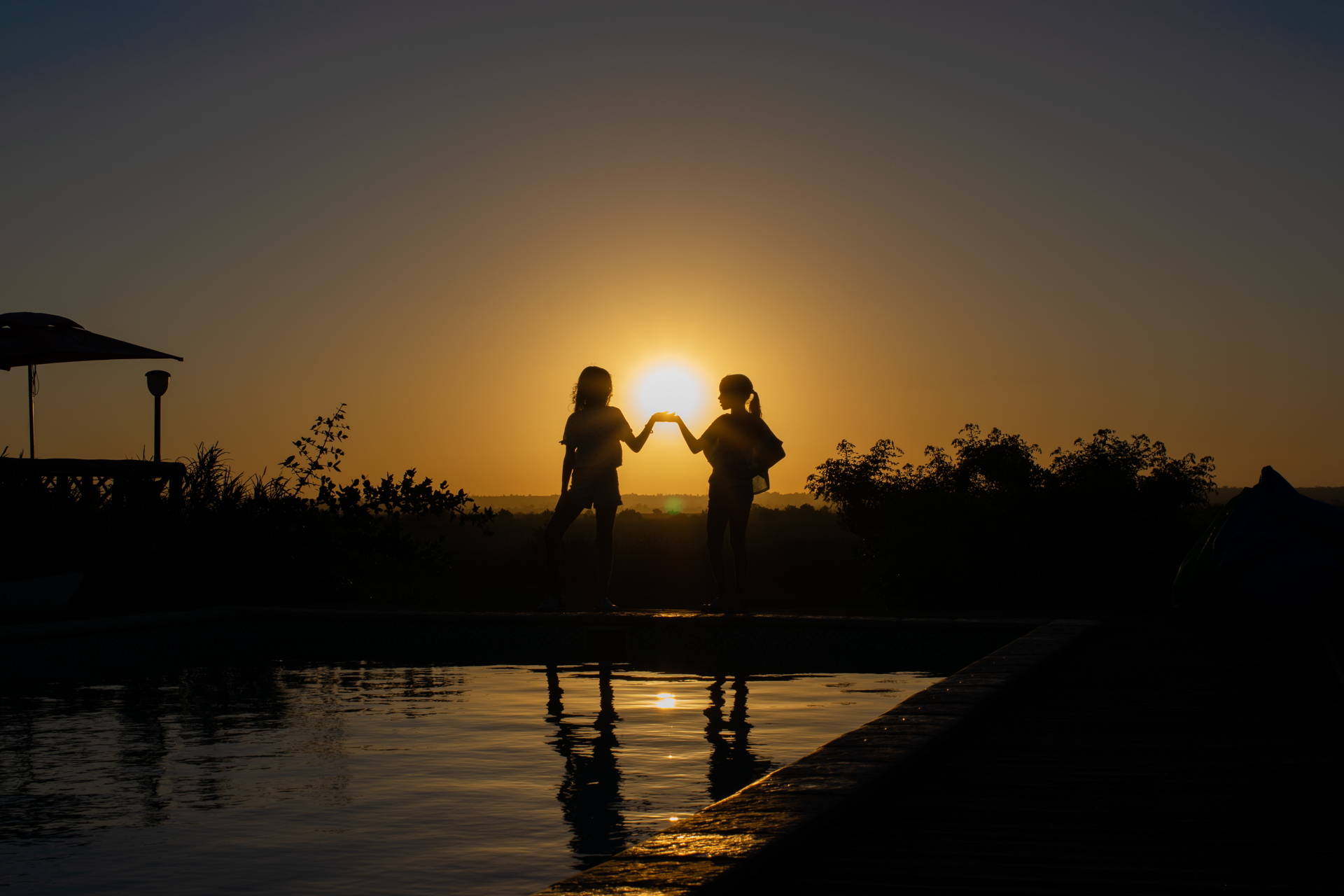
Our Mozambican vacation was inevitably going to its end, sealing another enchanted sunset in my memory…
It goes without saying that I felt sad leaving Mozambique so soon. I just started developing special affection for this country, its diverse culture and natural beauty, so I can only hope to return one day and continue my exploration journey.
The End.