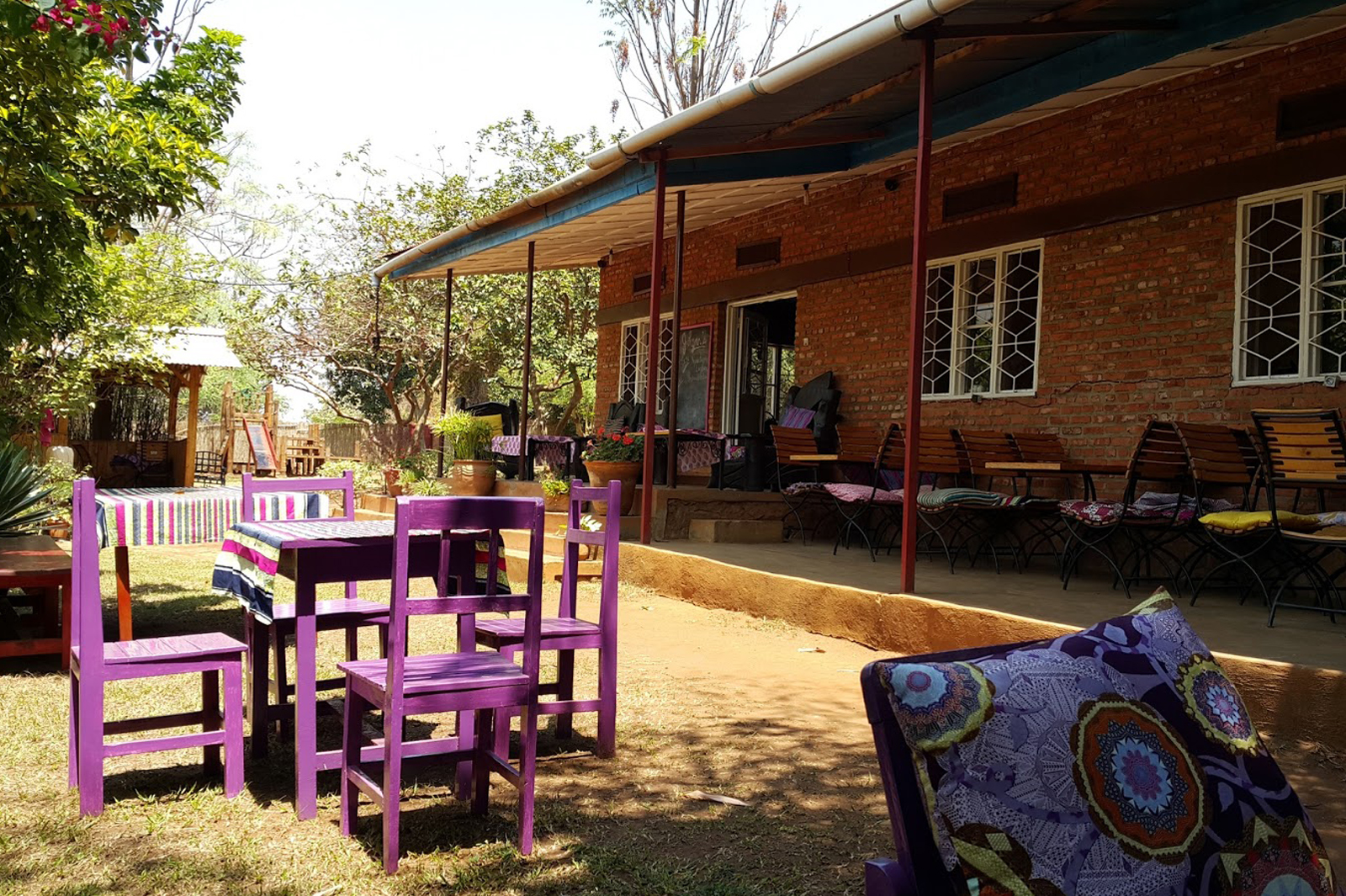
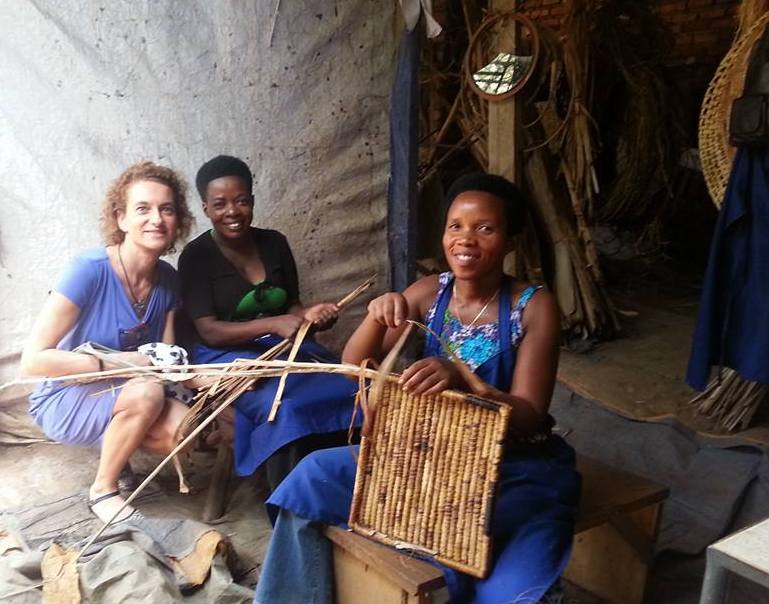
This time I am tapping into the world of Rwandan home décor and furniture. And right now, while writing this post, I am fully experiencing this magnificent world in one of my favorite cafes in Kigali – J.Lynn’s!
My first encounter with Rwandan beautiful pieces of decoration inspired me so much that I had to do some research on the topic. It turned out that Rwanda has long tradition in this area, particularly in pottery and metallurgy. For centuries local artisans have produced unique products that were used not only for practical but also aesthetic purposes. Today, their skills are largely applied in the fast-growing home décor industry to meet the demands of customers from around the world.
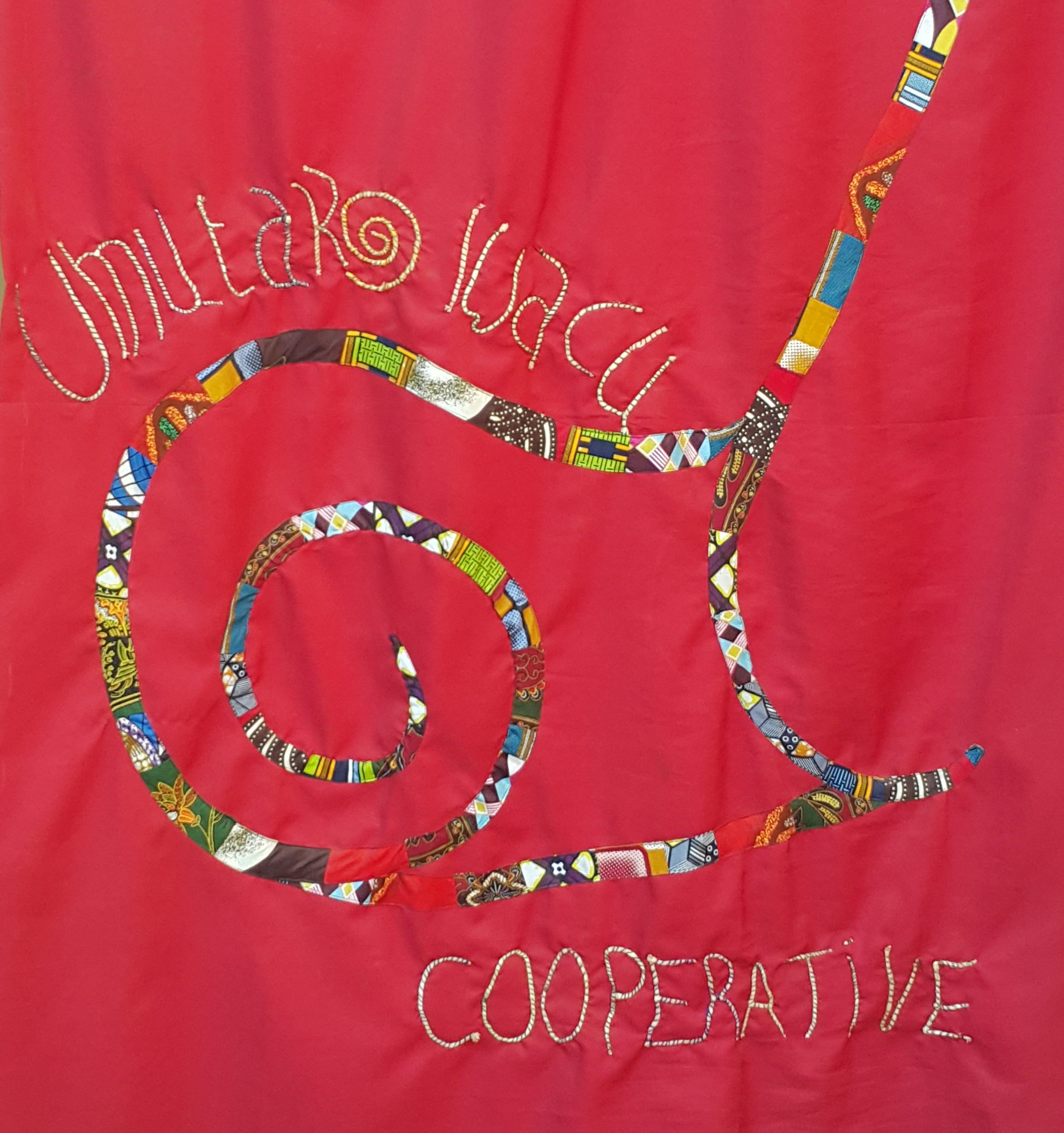
Umutako Iwacu is so far the most popular African-inspired home décor shop in Rwanda and a real heaven for décor lovers like me. Translated from Kinyarwanda, “Umutako” means decoration and “Iwacu” is the local word for home. The shop can be found in a house that has been transformed into a big show room including a living room, cosy bedroom, kid’s room and a mini dining room, displaying handcraft accessories, furniture, lighting, pottery and other ornaments. Umutako should be on the “must visit” list of every explorer of Kigali and the Rwandan culture.
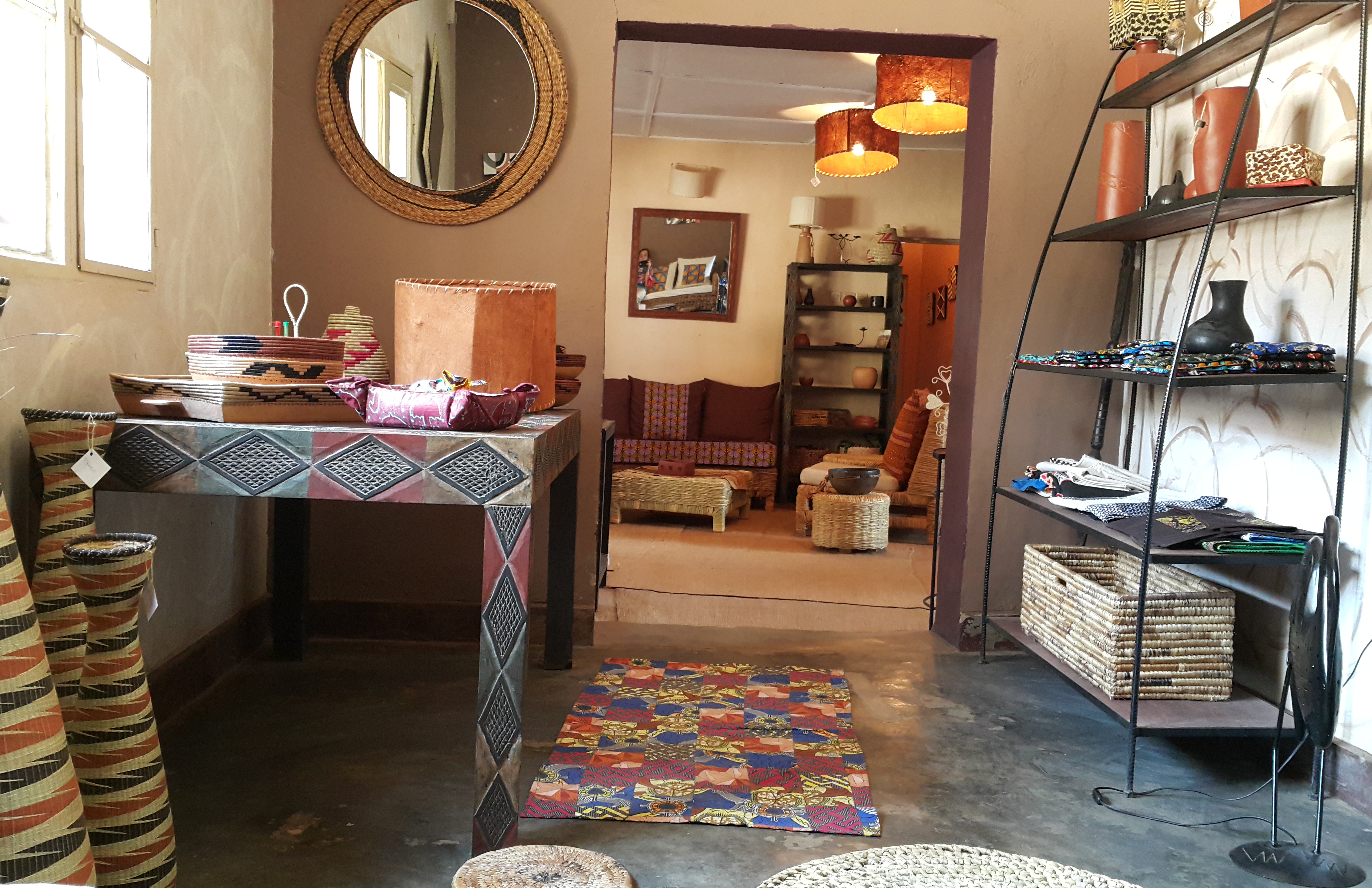
The cooperative was established in 2006 as a result of the partnership between a Belgium teacher and local craftsmen who were selling their handmade goods on the roads of Kigali. Umutako is not just another traditional home décor store. It rightly prides itself for creating traditional handmade products with a modern touch, made from local natural materials such as papyrus, banana fiber and clay. Regardless of your home interior theme – modern, traditional or eclectic, these artistic works can blend in very nicely. I haven’t been to a friend’s place in Kigali which doesn’t have at least one Umutako piece of décor.

The whole experience starts right where you drive into the dirt road leading to Umutako entrance. Judging by the small wooden sign you would never guess what kind of place you are about the visit. The impact is even bigger due to the shopping mentality we, the Western consumers, have developed as a result of the retail revolution in the more developed markets. If we don’t know a given brand, our expectations about the quality of its products or services are almost automatically created simply by throwing a glance at the store façade, product package or even just the brand logo. This doesn’t quite work like this here in Rwanda, not yet. A good shop may have less attractive external appearance than a shop selling lower quality products. You simply can’t make any conclusions by its outer look.
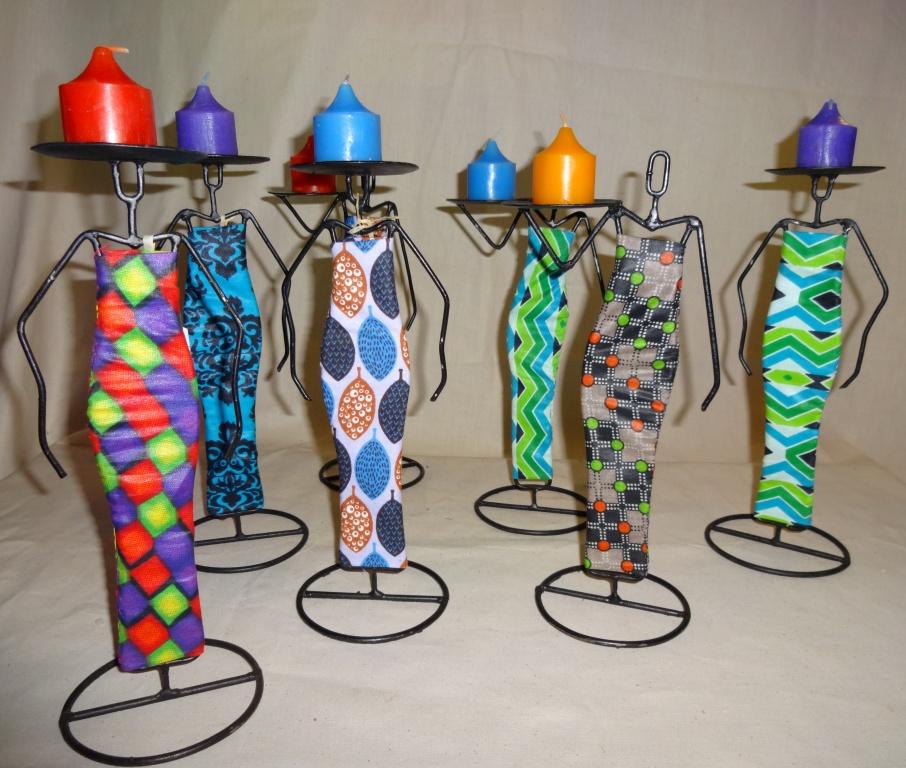
Here you’d better not have any expectations and just let yourself be surprised 🙂 Umutako not only surprised me in a positive way but it quickly turned me into a true brand advocate. I went thus far that I recently shared my opinion with one of its furniture designers on how they could potentially increase their market presence. Well, my advice turned out not so useful due to the lack of understanding among the local artisans about the benefits of long-term marketing investment but that’s a different topic.
According to its management, the success of Umutako lies in the diversity of its products. They appeal to almost any customer, be it from Africa or abroad because artisans come from different countries and incorporate their own ideas in the creation process. Apart from private customers, they also produce for local business including hotels, restaurants, cafes and offices. What a great way to promote local artisans and the use of local materials!
It’s amazing to see how social and business enterprises support each other here. In the absence of certain local skills and business knowledge but also due to the generally tough market conditions, people come together much more often to achieve a common goal. Umutako Iwaco is just one of the many Rwandan cooperatives pushing the boundaries of the African furniture and home décor market. Other business and social enterprises follow a similar path of development, proudly holding the belief in the value and quality of local products and resources and united by a common mission.
Of course, every nation in the world is famous for something – be it wines, cheese, chocolates, cosmetics, fashion, you name it. But have you ever experienced the situation when you visit a traditional store or production site as part of your sightseeing program in a foreign country, to be left with the impression that the only goal of the owner is to sell you their products? Sometimes this can be quite intrusive – the Limoncello store on the island of Capri left exactly this kind of impression to me…

You might object that at the end of the day this is all business, and I wouldn’t disagree. But whatever business it is, if the people doing the business don’t share a higher-level goal, their business will quickly turn into one of the many out there and customers won’t have a strong reason to buy from them. I believe that Western companies have lots to learn from Rwanda and other African countries…As Simon Sinek proclaims in his great book, it all starts with the fundamental question “WHY?” Rwandan cooperatives know their WHY and they certainly haven’t heard of Simon Sinek:-)
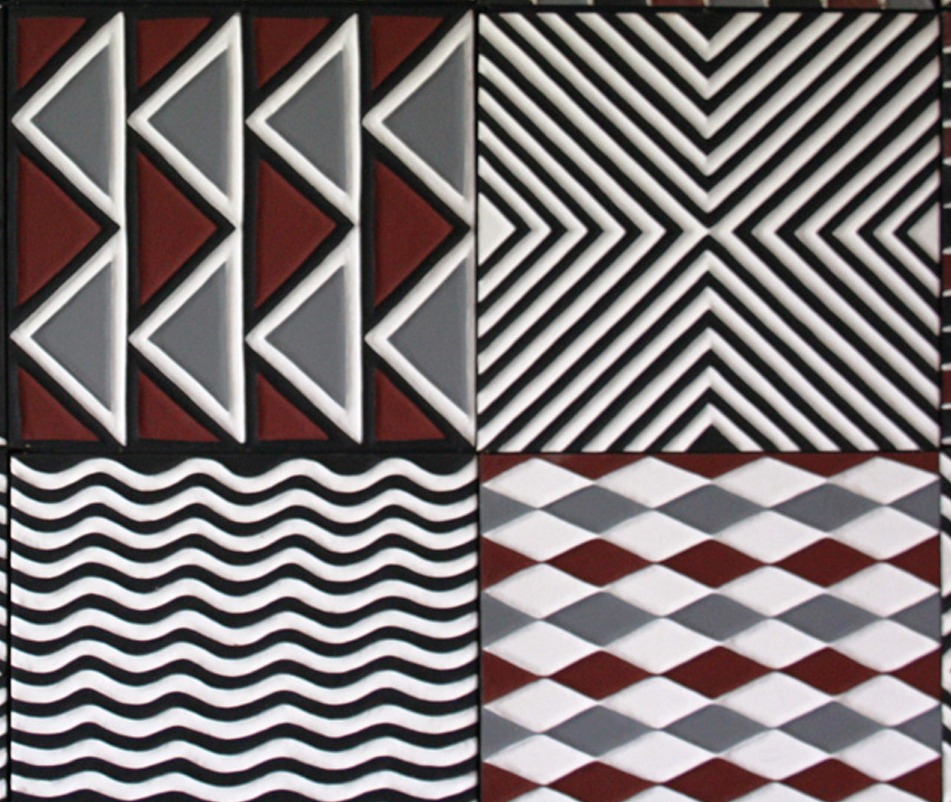
But let me get back to home décor as I can’t close the topic without mentioning Imigongo. This is a traditional form of art décor from the 18th century made by women using cow dung. The dung is put on wooden boards in geometrical and spiral forms, left until it gets hard and then painted in organic colors – typically black, grey, white and red.
During the Genocide in 1994 the skills involved in Imigongo disappeared. Fortunately, years later, a women’s cooperative (again!) has revived this beautiful Rwandan art décor and nowadays it can be found on walls, pottery and canvas in many local restaurants, cafes or offices.
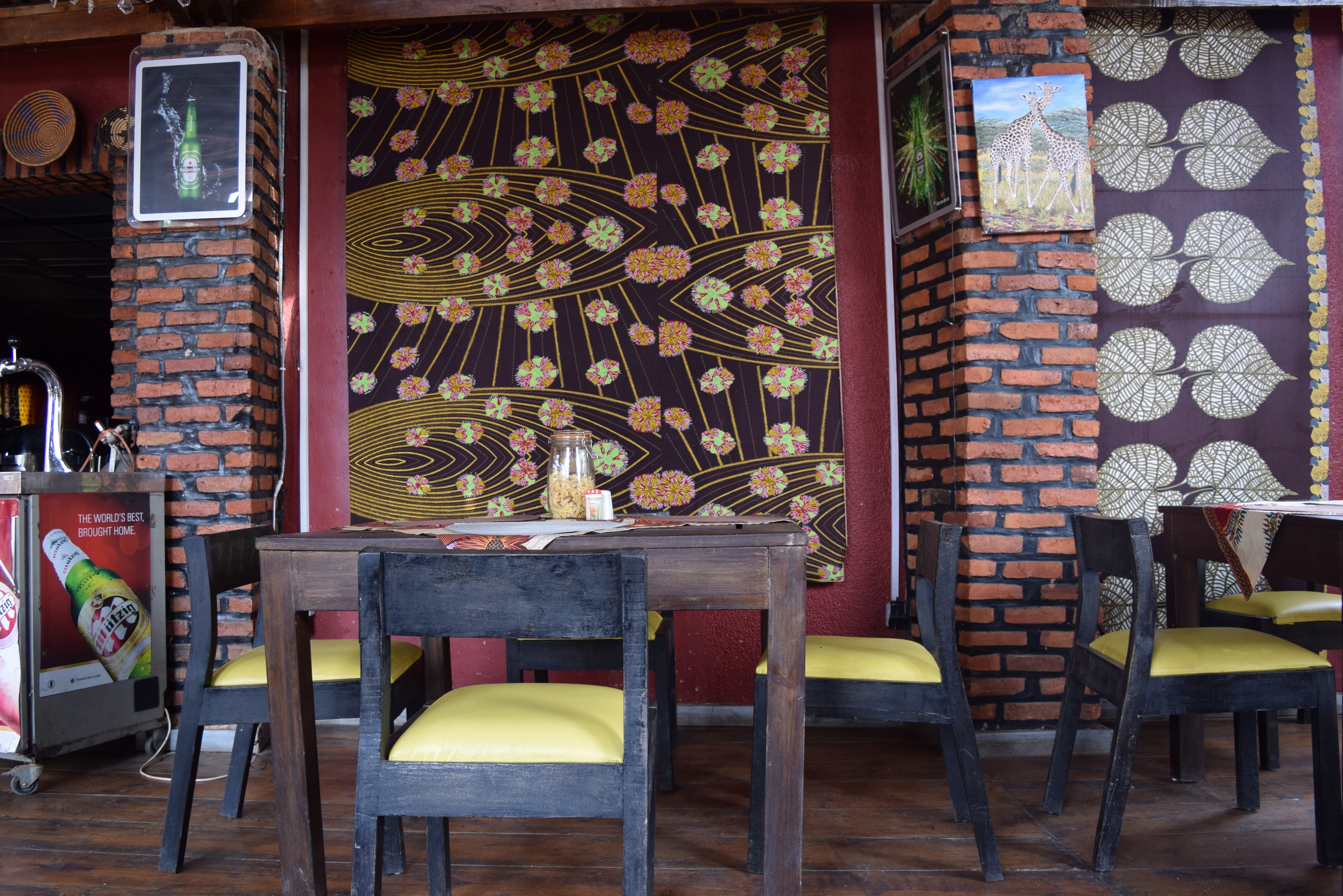
Besides Imigongo, traditional home décor is to be found in many local restaurants and cafes: J.Lynn’s, Café Neo, Inema Café and Via Venetto, to name a few, have all very artistic interiors. I realized that it’s not the coffee or food but the creative environment I go there for.
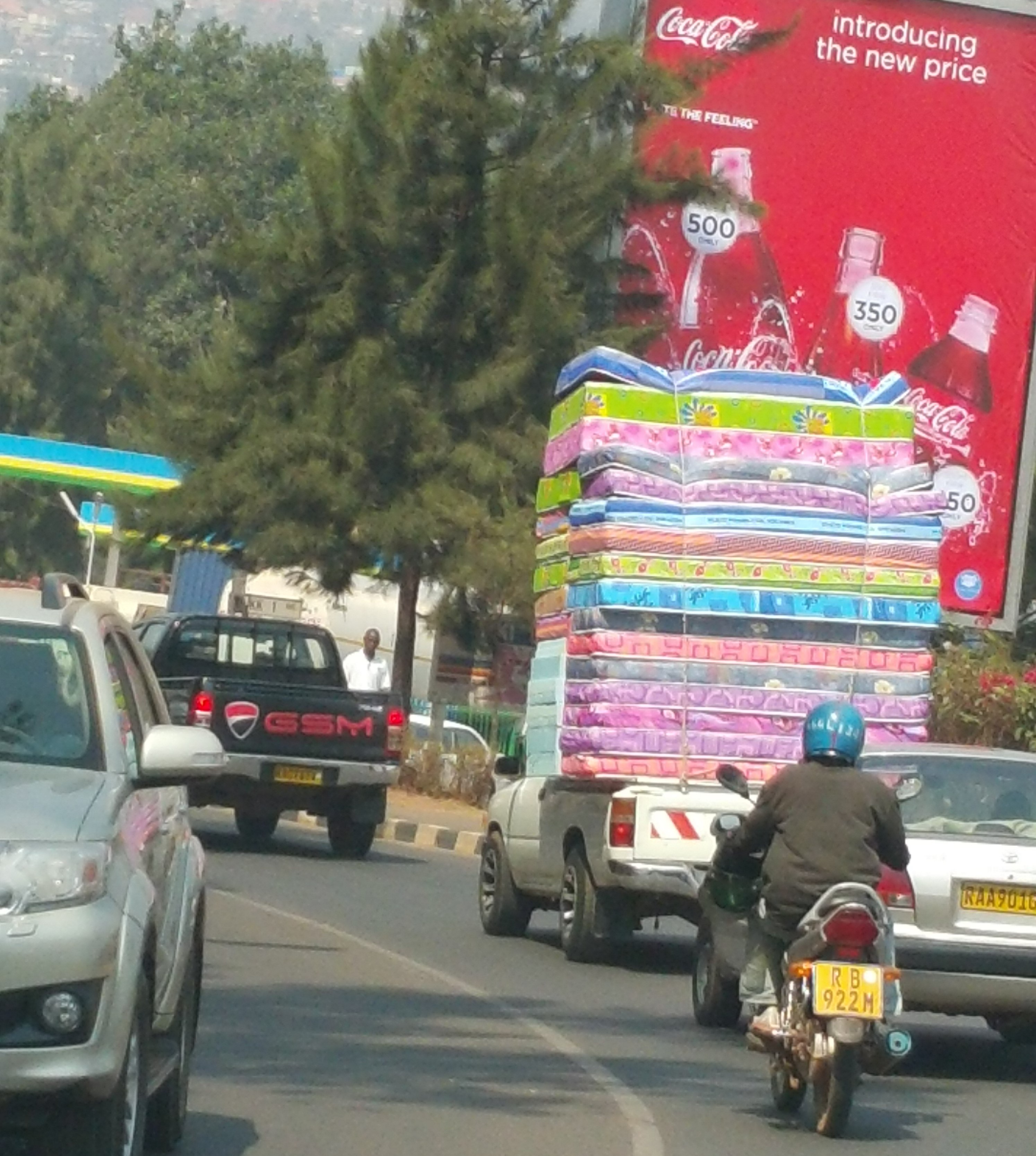
And if you have some room left for a dessert, then look at this piece of home décor. I often see it stacked in big quantity on car roof-racks on the roads of Kigali. It’s a gorgeous part of the busy city traffic. You see, with a little bit of imagination, even a boring thing like a bed mattress can be easily turned into a joyful piece of décor! 🙂
Let me stop here now and give you the chance to digest all these colorful décors. I am also curious whether you like them and would put them in your own home, or you’d rather stick to the more clean-lines “western” type of interior designs. Let me know…
To view other posts, click here.
Post Views: 496