If you look up Rwanda on the map, you would probably get surprised how tiny it is in comparison to other African countries. I certainly did. In fact, Rwanda is among the top 10 smallest African countries with only 26,338m2 of area. As small as it is, Rwanda has five volcanoes, twenty three lakes, numerous rivers and variety of landscapes.
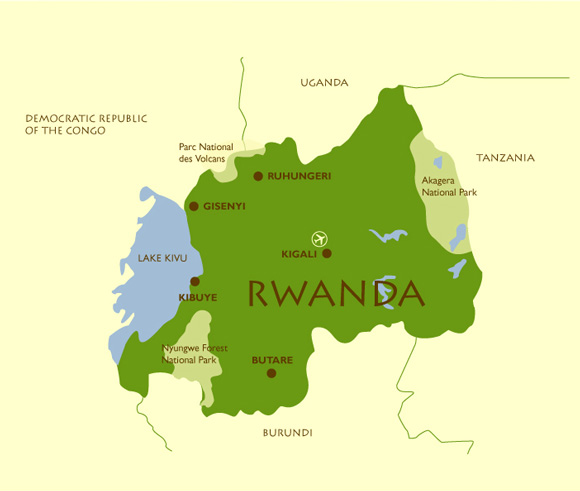
My curiosity grew even bigger when I learned about the variety of destinations and natural wonders one can experience on such a small area of land: gorilla tracking in the Volcanos National Park in the Virunga Mountains to the north, biking or hiking the Congo Nile Trail along Lake Kivu to the west, primate tracking in the Nyungwe National Park to the south, going on safari in the Akagera National Park to the north-west, canopy walk, Musanze caves, birding, helicopter tours… The list goes on. In short, Rwanda is a dream destination for those who crave for natural adventures.
I’ve never felt so close to the nature as I do here. And I came to realize how far I’ve gone away from it. The truth is that travel has significantly increased in the last 5-7 years of my life but sadly the share of time spent in the nature has actually decreased. Such a shame! So it was high time to do something about it – for me but also for my family as a whole.
Finally, 2,5 months after the big move, we got to experience the wildlife in Rwanda. Our first destination was Akagera National Park. The trip can be easily done within 1,5 days (unless you decide to stay more than one night) and it takes only 2,5 hours to get there from Kigali city.
We set off on a Friday early afternoon leaving ourselves enough time to enjoy the drive as much as we can and get into a safari mood:-)
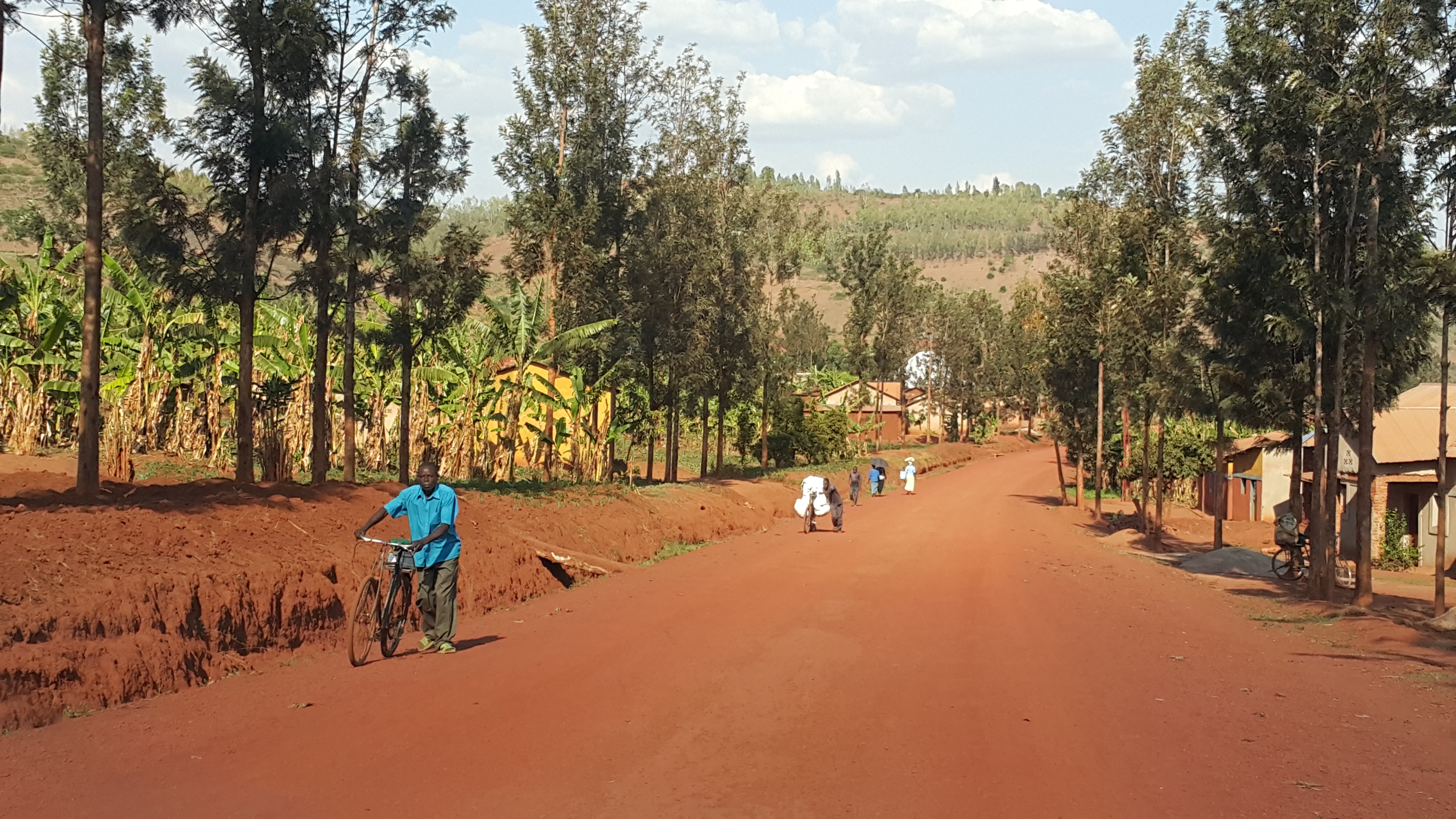
Although the route is part of the national road connecting Rwanda and Tanzania, it is very difficult to define it as such. First of all, it goes through a number of towns and villages, where the maximum speed aloud is 40km/h. Secondly, it is a road with one lane in each direction. But what makes the drive really challenging are all the other traffic participants and I am not talking about cars or motorcycles. Public transportation is obviously underdeveloped (there is no railway in Rwanda) and motor vehicles are too expensive for locals, especially in the rural areas. Moreover, there are no sidewalks on the national roads. So, a typical picture is one of many people walking or biking on these roads, not to mention the loads of products or materials they sometimes carry on their bikes, heads or by hands. Although some people might define this as exotic experience, the picture actually triggers a feeling of sadness and even guilt (the number of cars per household has long surpassed 2 in some European cities!).
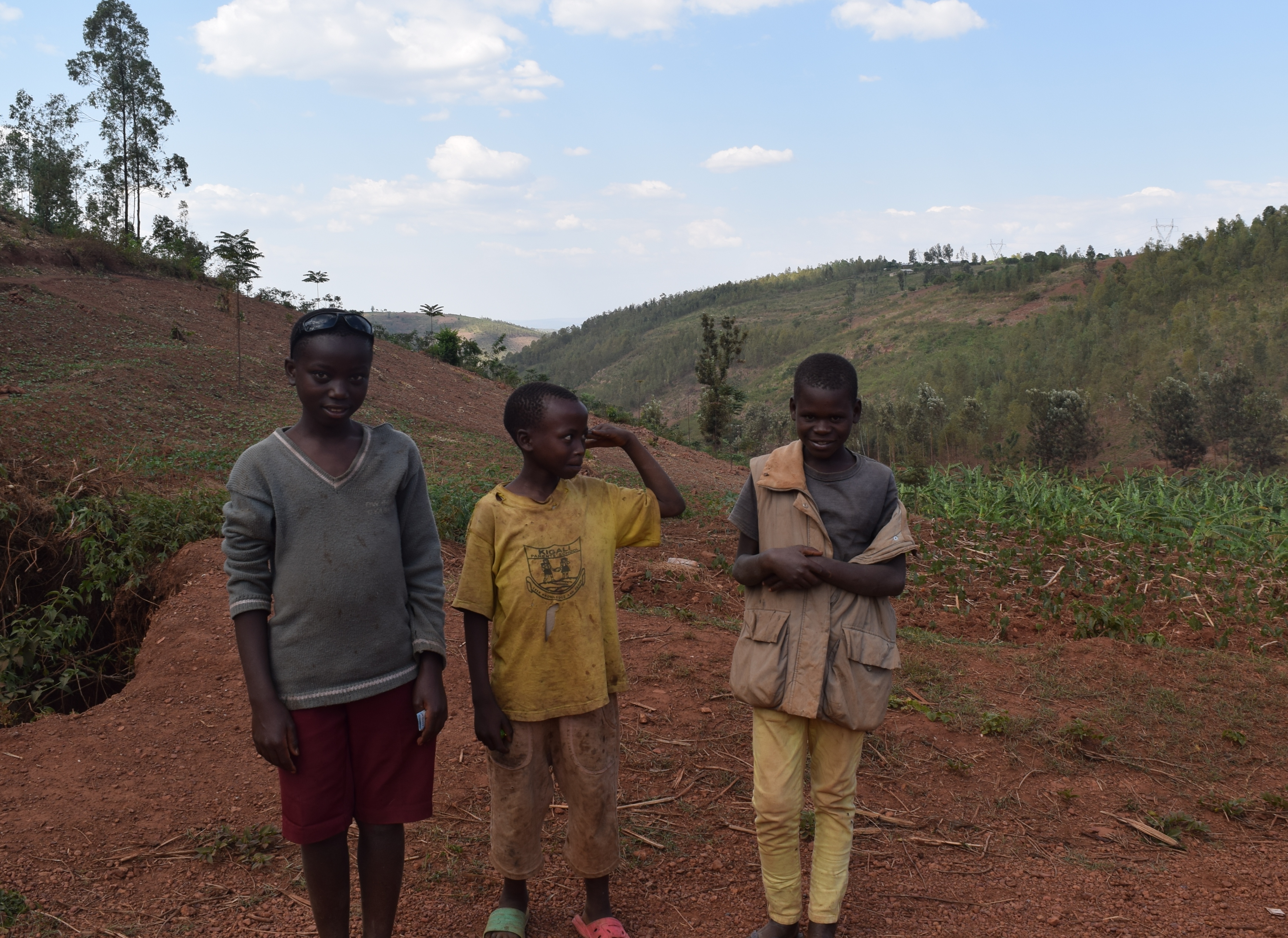
The slower drive gave us the opportunity to pay more attention to the surrounding nature. As soon as we left the city behind, we got on a dirt road winding between the green hills of Rwanda. The beautiful views were irresistible so we stopped on several places to take pictures. And every time we would switch off the engine, we would immediately get a company. Most of the times it was children popping up from nowhere and showing great interest in the car or just asking for money. Don’t know whether I will ever be able to overcome the kind of dull pain when I see those children but I cannot simply ignore them…A topic I am not ready to write about right now…
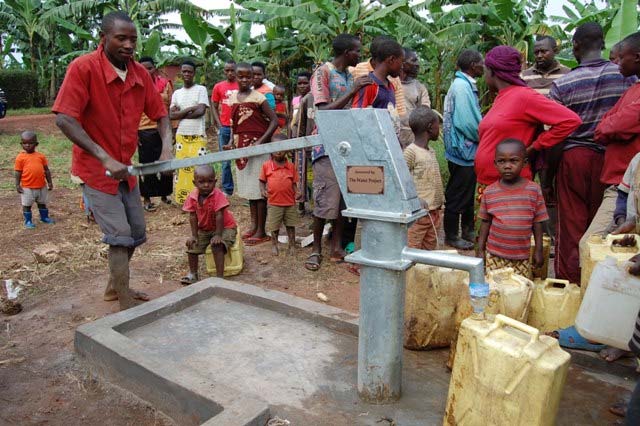
Another scene that will stay deeply engraved in my memory is the water pumps and children carrying the heavy water cans on the roadsides. Later I’ve read about a NGO called The Water Project which contributed to the installation of many of these water points in Rwanda and other African countries. Respect for them and all other organizations which make a real difference in the life of local people!
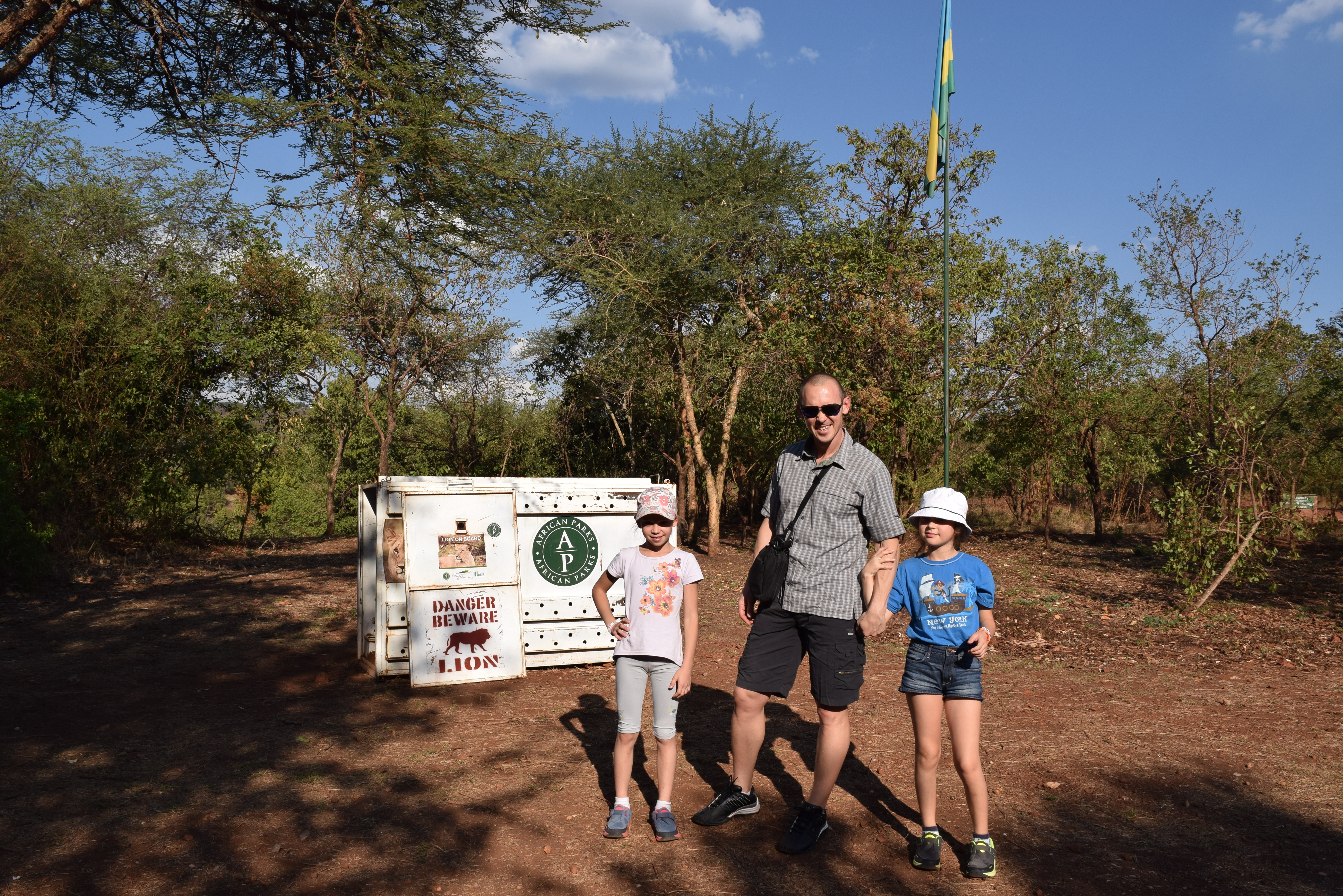
Around 3.30pm we arrived at the gate of Akagera. The first thing that drew my attention were the safety signs warning visitors about the maximum speed allowed in the park, not getting out of the car except from the specifically defined zones, not leaving any garbage behind including food, not sticking out of the car-roof or keeping windows opened, not driving off the park roads. The message was clear – we are entering a wildlife zone and there is no guarantee how even the most seemingly innocent animal would react at a potential encounter.
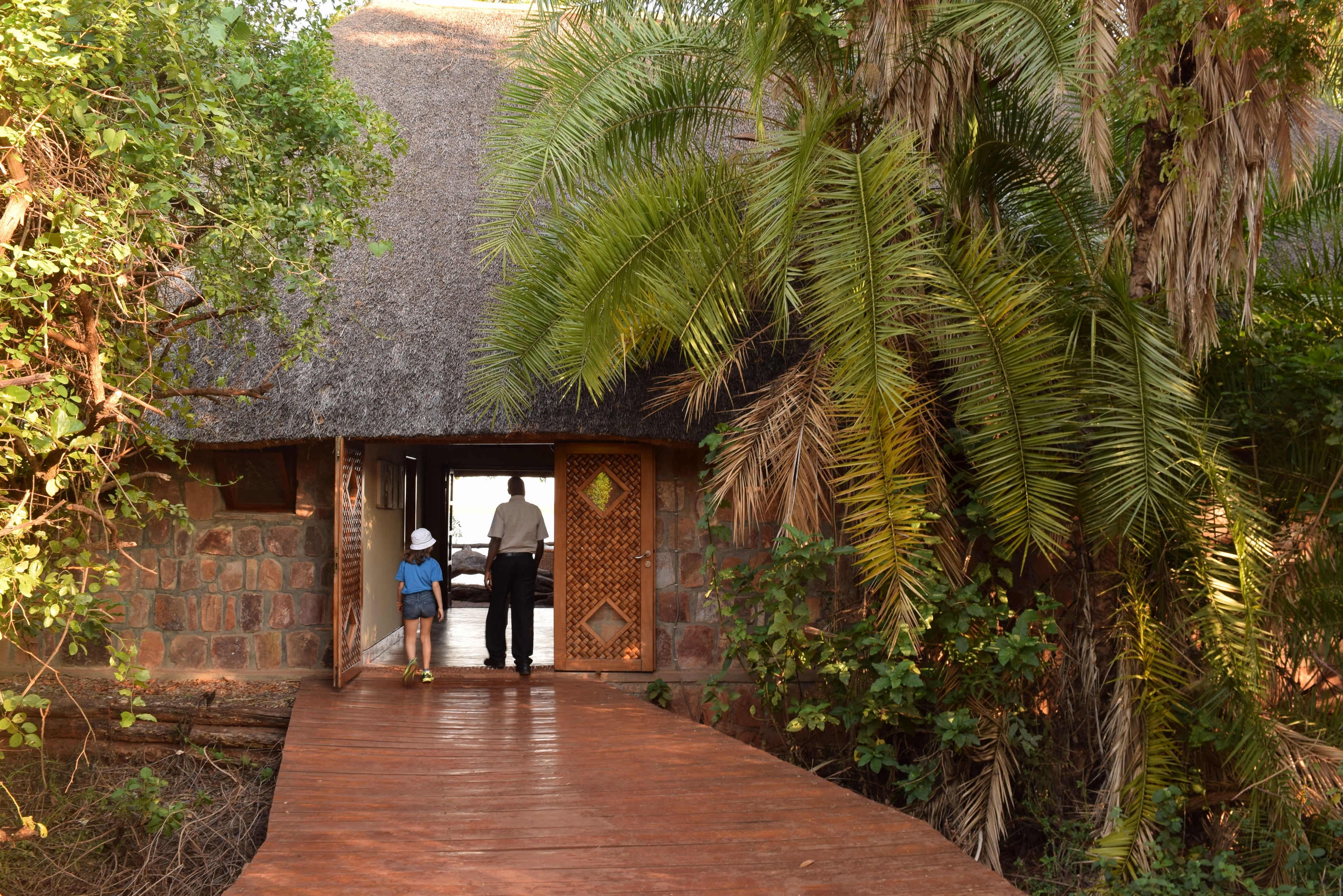
We then headed to Ruzuzi Tented Lodge – the place we stayed over the night. There are several other accommodation options spread across the park including camping sites, all of them protected from the wildlife by electric fences. Ruzizi is a very new venue and considered the most comfortable one. However, I assume camping would be even nicer and definitely something we shouldn’t miss to experience while living only 2.5 hours away from the park.
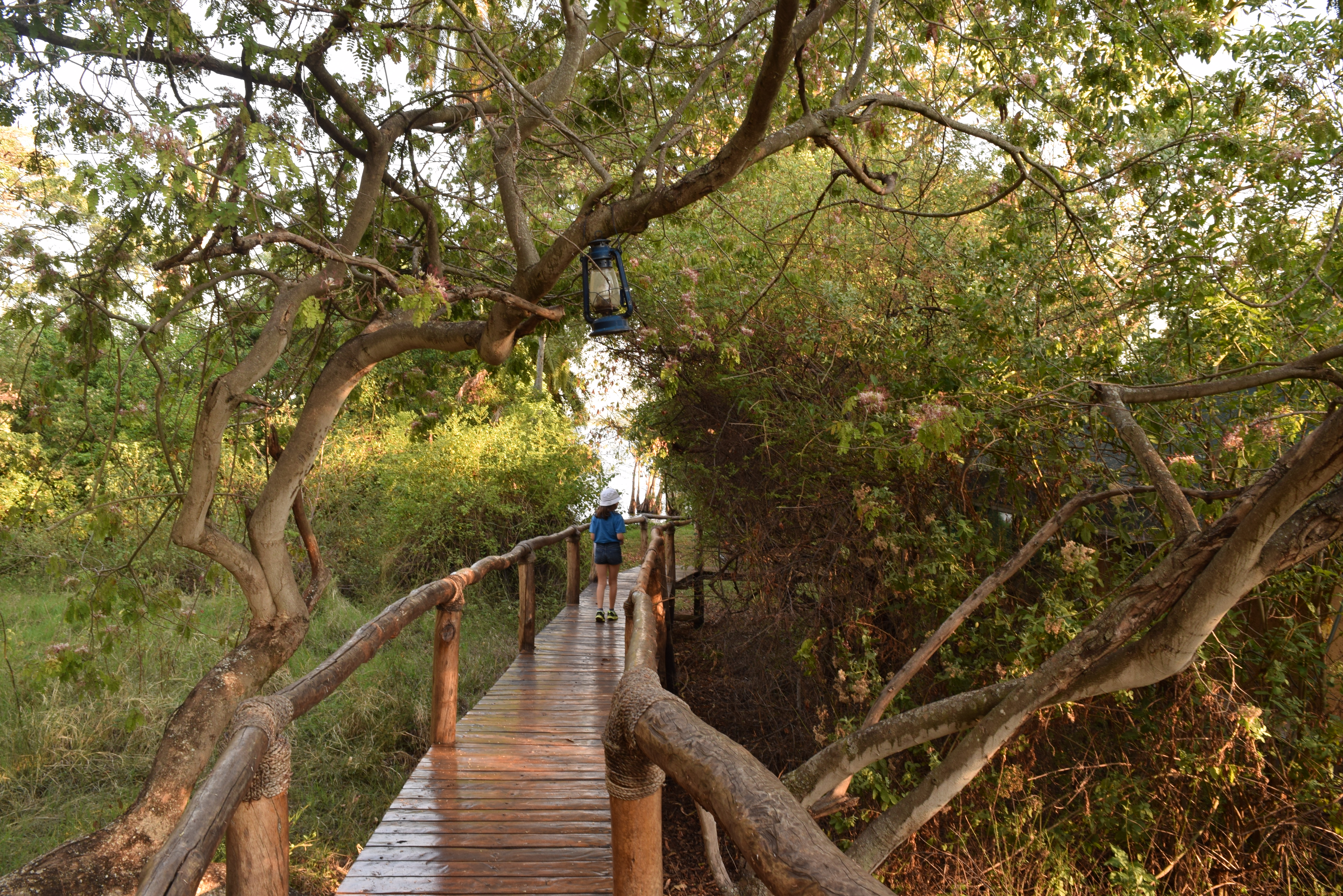
Ruzizi is built on the shores of Lake Ihema, Rwanda’s second largest lake. It includes nine tents spaced widely apart on either side of a thatched reception accessible by wooden boardwalks. One of walkways leads to a large wooden deck with a fireplace sitting under palms and fig trees overlooking Lake Ihema. The view from the deck is just priceless!
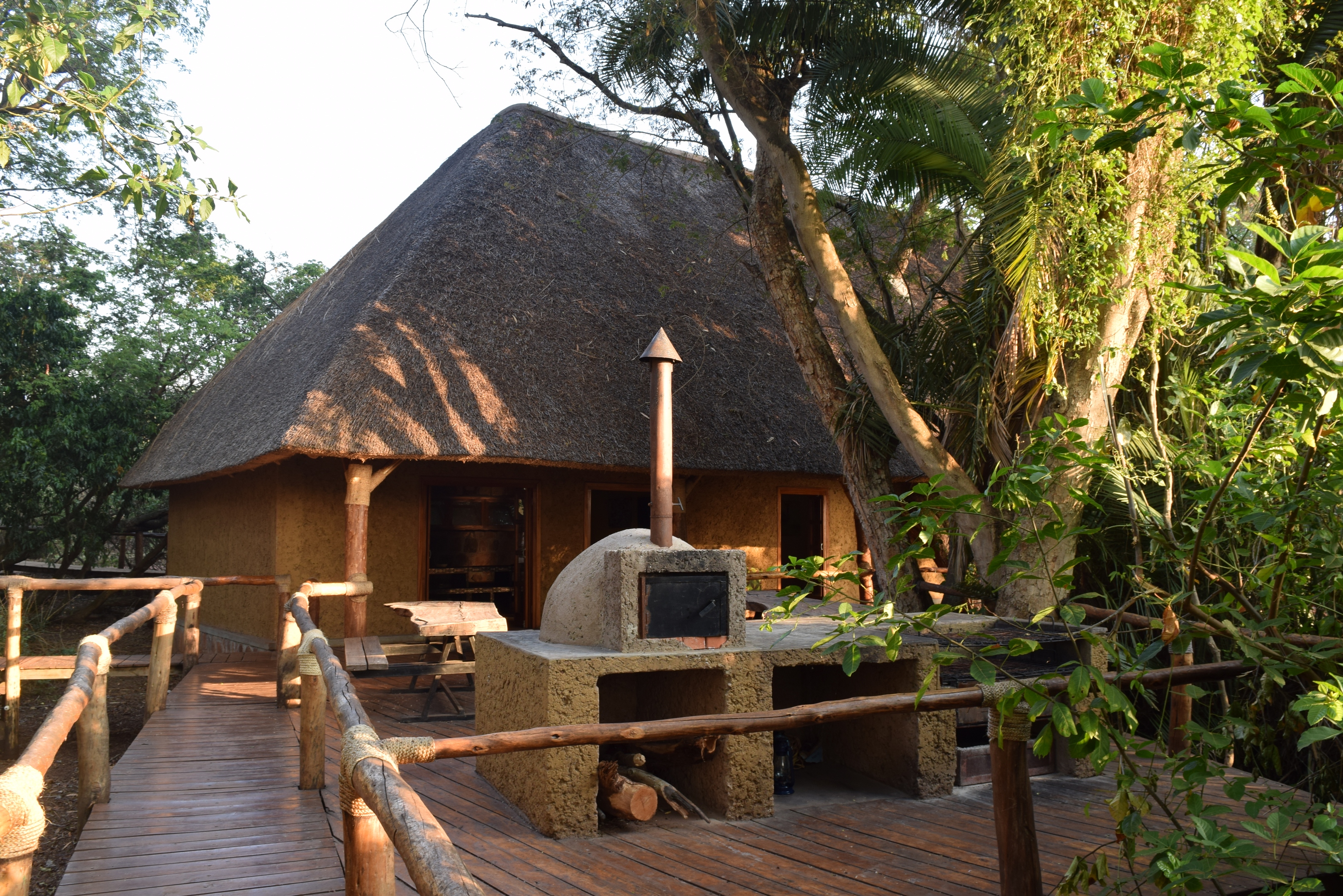
But what really impressed me is that the Lodge is entirely powered by solar system, including for hot water. Water is pumped also using solar energy. Even though there is obviously sufficient power and water, the Lodge kindly reminds visitors to be conscious about their consumption. Remember the water pumps project I mentioned earlier? How could someone be possibly not conscious provided that there are so many families who simply don’t have ANY water at home!?!
Ruzizi was built as part of a Tourism Development Plan and 100% of its profits, as well as the profits from all activities offered to the visitors, go towards the protection, conservation and development of the park. Speaking about nature conservation, we learned from our safari guide that, if the park staff finds a plant that doesn’t belong to the fauna of Akagera (e.g. a tourist has thrown away the kernel of an exotic fruit which got roots and starting growing), they immediately eliminate it in order to keep the natural ecosystem of Akagera. These people really have a long-term sustainability strategy.
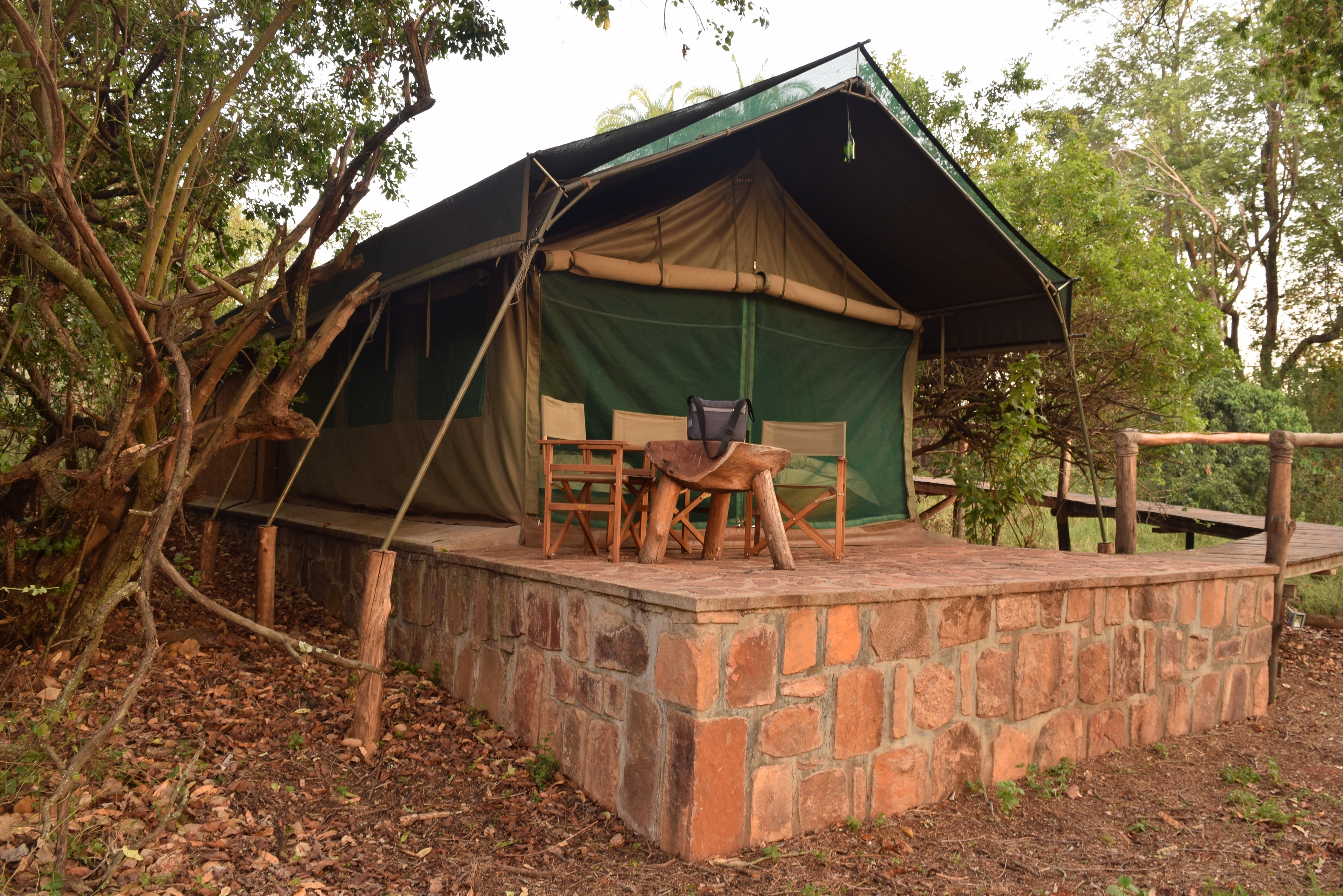
Our tent was located literally 20 meters from the lake shore so during the night we could hear the hippos as if there were in front of the tent. Now that I think about it again, I don’t remember to have seen any electrical fence at the shore. Quite frightening given that the hippo is considered one of the most deadly animals in the world. Actually, they may have well been in front of our tent during the night. This is the time when they usually come out of the waters. Good that each tent is sitting on a platform at about 1 meter height above the ground. Still, I got goosebumps every time I heard them roaring and growling at night.
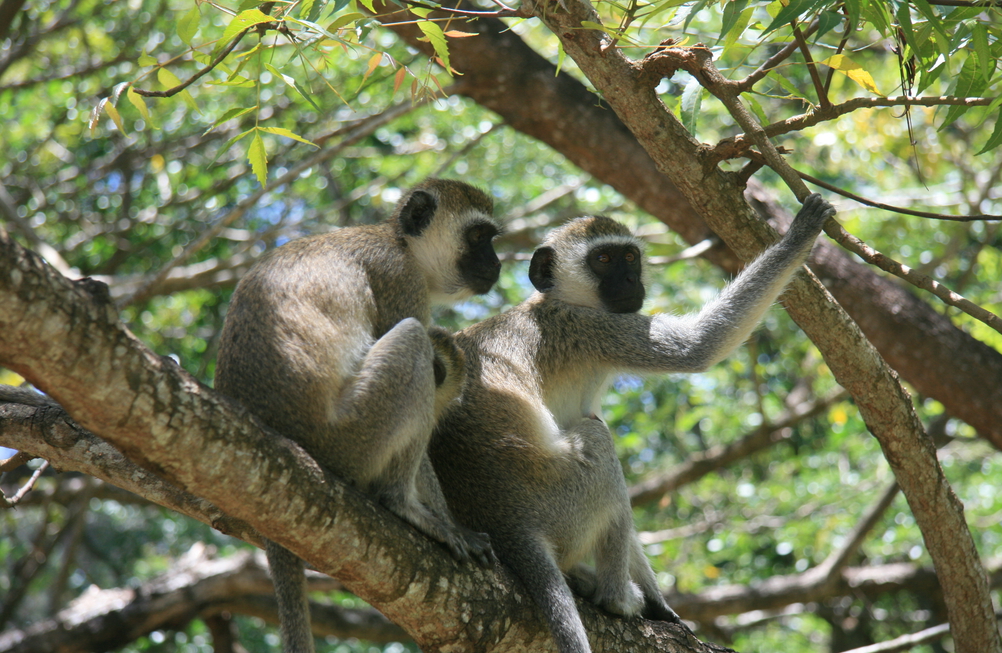
While waiting for the dinner, we were peacefully enjoying the sunset under the trees surrounded by playful vervet monkeys who seemed to be not interested in us at all. On the contrary, baboons which are also common in Akagera, can behave quite nasty towards people and are excellent thieves. Visitors of Akagera Game Lodge, a nearby venue, are recommended to keep their doors and windows closed as baboons often enter and raid the hotel rooms in search for food. Our driver told us an amazing story about a woman who was packing sandwiches in her room when she heard someone knocking on the door. As soon as she opened the door, a baboon rushed into the room and started grabbing any food he found. As funny as this may sounds, I can imagine how scared the woman was.
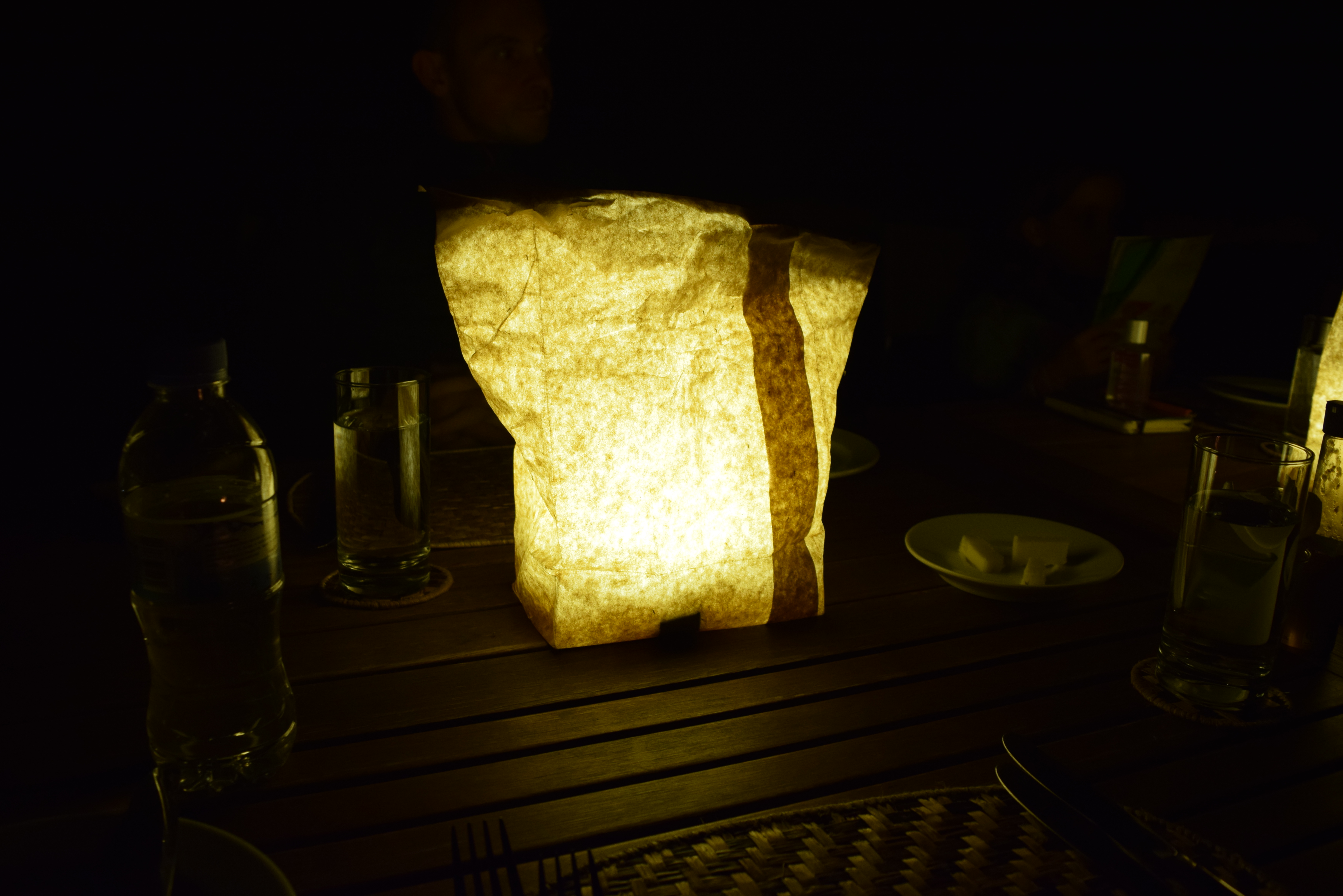
We had a super romantic dinner at very low light that came from two sources – the fireplace and the solar lamps at the tables. I am kind of starting to like darker ambiences (but only provided it is at least 20 degrees outside 🙂
During the chat with the couple at the next table it came out that we literally missed a family of elephants on the way to Ruzuzi. We even went out (of course guided by one of the staff members) and walked along the lodge fence but couldn’t find them. “Where is the elephant?” kept asking my daughters while falling asleep.
End of Part 1.
Click here to read Part 2 of the story.