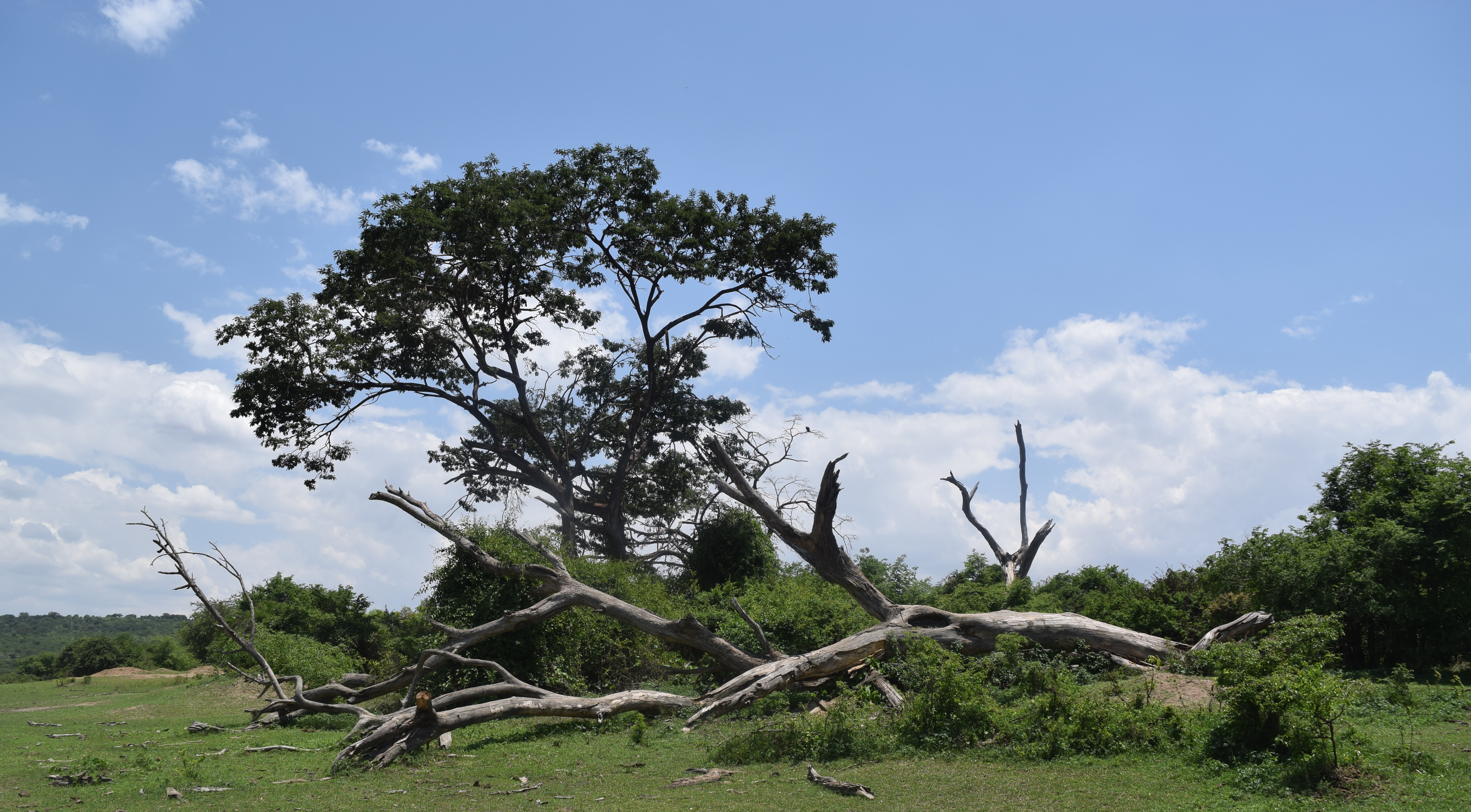
I didn’t sleep well due to all the noises coming from unknown animals and some unknown reptiles falling on the tent roof all night long. I guess that happens to all people who are too used to urban nature-less environments. But the magnificent sunrise next morning just wiped away the sleepy mood. The view from the dining deck over to the lake and the tranquility of the nature in these early morning hours was all I needed in this very moment.
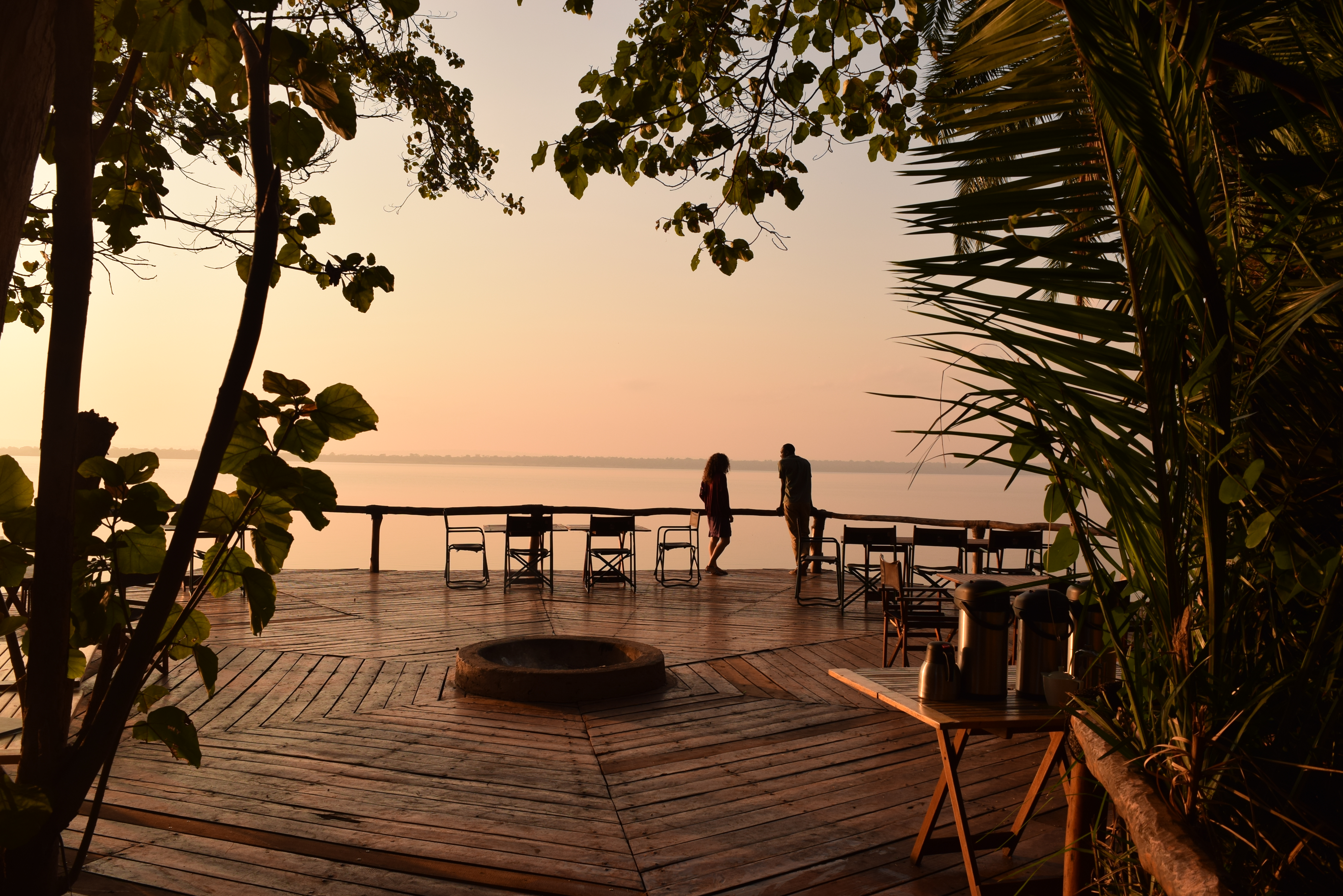
An hour later we were sitting in the car with our guide, fully excited about what was ahead of us. “Mum, will we see the elephants?” my daughters didn’t give up so easily 🙂 So, off we drove on the trail of the elephants.
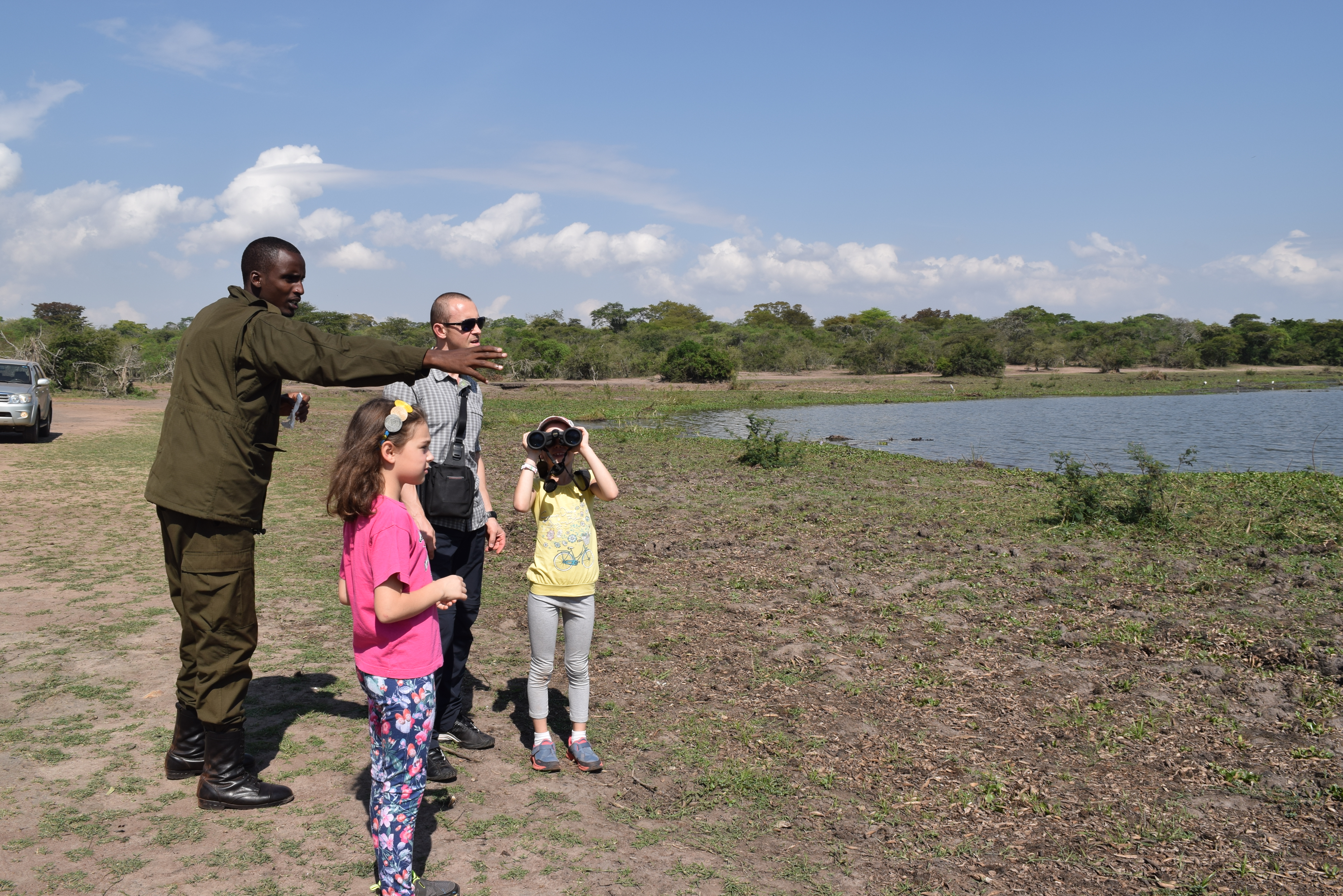
Bosco, the guide, is one of the 17 safari guides who successfully passed 7 (seven!) assessment levels before getting this job at Akagera. No written sources can compare with the real-life stories and knowledge of an experienced safari guide!
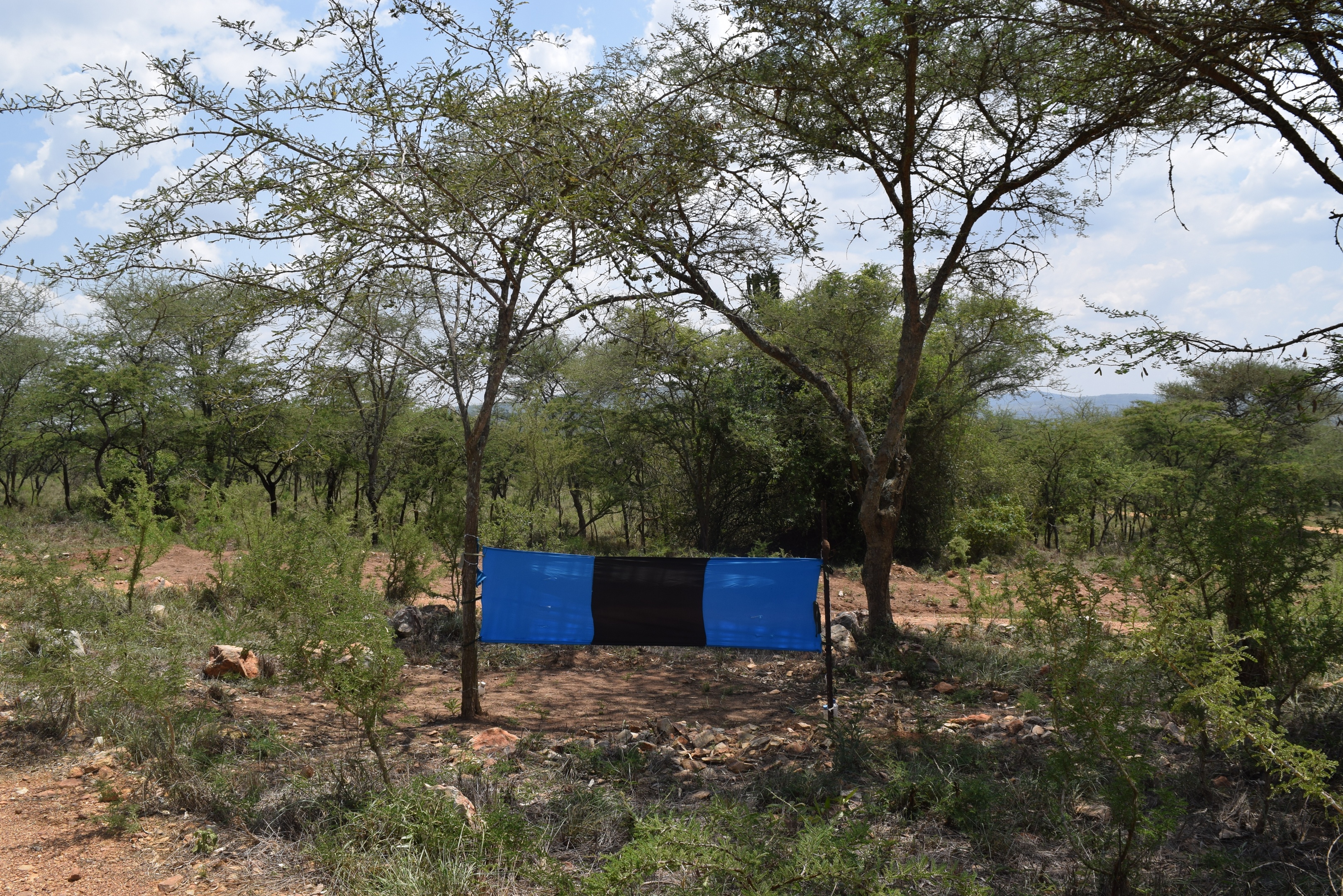
For instance, I always thought that Tsetse flies can cause death to humans but I learned that the worst they do is bite painfully and transmit a disease called sleeping sickness. Tsetse flies are quite common in the rural areas of Rwanda (and sub-Saharan Africa, in general) so we got to see lots of them flying around the car. The good news for us was the numerous Tsetse Fly traps spread across the entire park. The blue and black colors of the flags attract Tsetse. Then the special environmentally friendly poison these flags are soaked in kills the flies in a few minutes.
We didn’t see lions or other predators but we learned that they usually sleep during the day. Bosco told us that male lions can sleep 18-20 hours per day as they need a lot of energy during the hunting hours. In fact, lions were only re-introduced to the park in 2015. 7 adult lions were brought from South Africa, 5 of them females two of which are currently pregnant. I hope that next time we will get to see some of them but honestly speaking, I prefer to meet them while they are sleeping:-) Because this is what happens when a lion meets a buffalo…
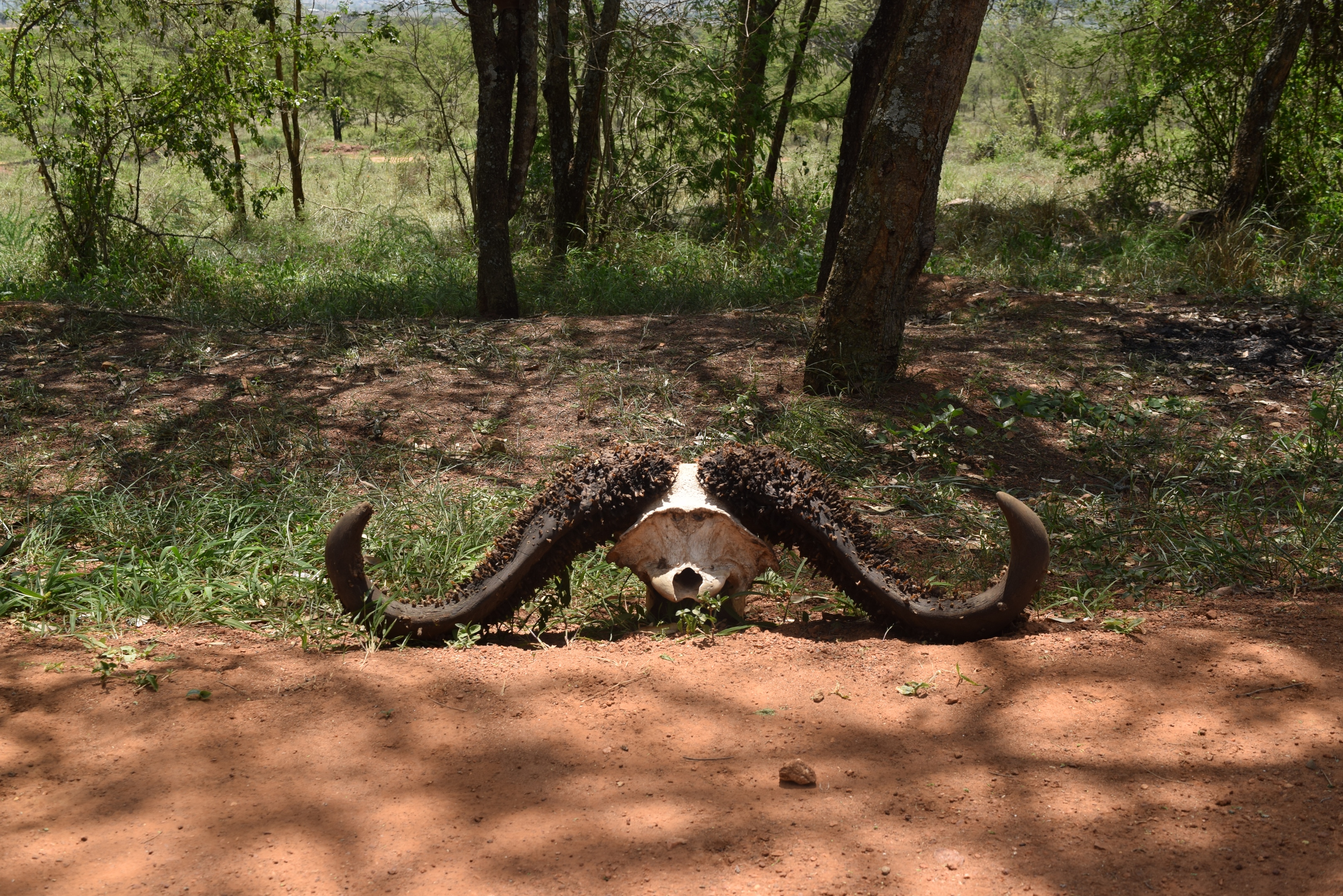
As far as the elephants are concerned – I think we got very lucky not to meet the family we missed in the beginning. We were half-way into our safari when Bosco got a call from another park guide. A mother elephant, walking with her two babies, attacked a car close to Ruzizi about an hour after we left the lodge. Apparently the car was in her way so she got extremely protective about her babies. She stuck her trunk into the car hood and got the engine out while pulling her trunk back. Afterwards my daughters stopped asking about the elephants:-)
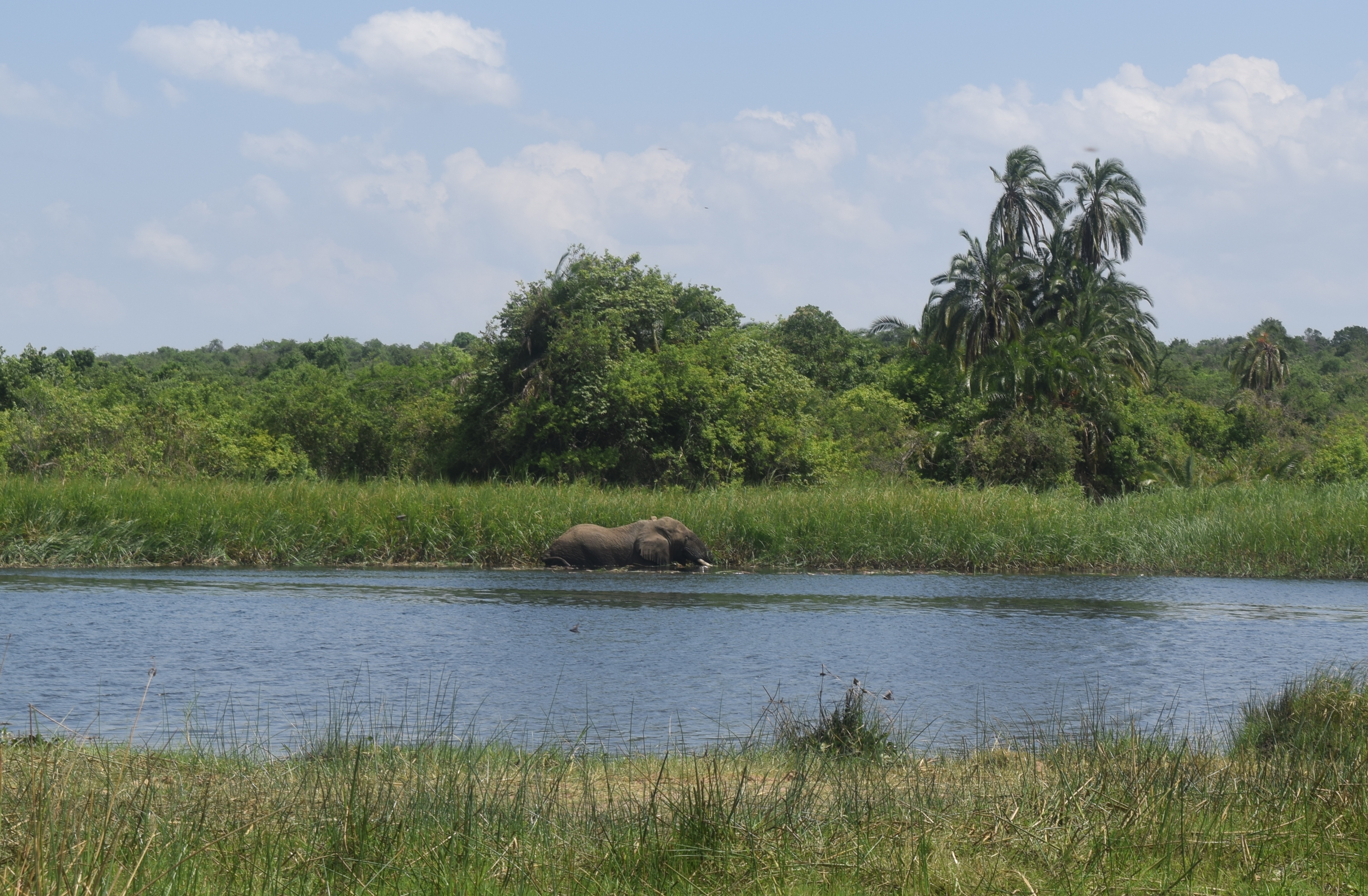
Actually, we got to see one at the Hippo Beach. He was stuck in a small lake and we learned that he could stay like that for up to 6 hours, gently spraying water from his trunk on his body.
We also heard a story about an elephant who stood still for 3 hours on one of the park roads, about 100 meters away from a long queue of cars. According to the safety rules, you should simply not do anything in such situations – no move at all. Just waiting until the elephant decides to move away. If you try to escape, even the slowest move may scare the elephant and he may initiate attack. Luckily, after 3 hours of super tensed waiting, the elephant finally decided to move away. That’s what I call stubbornness!:-)
Leaving aside the animals for a moment, I think that Akagera National Park has an impressive story, especially because of the historical events in Rwanda. So let me briefly tell you some interesting facts about it.
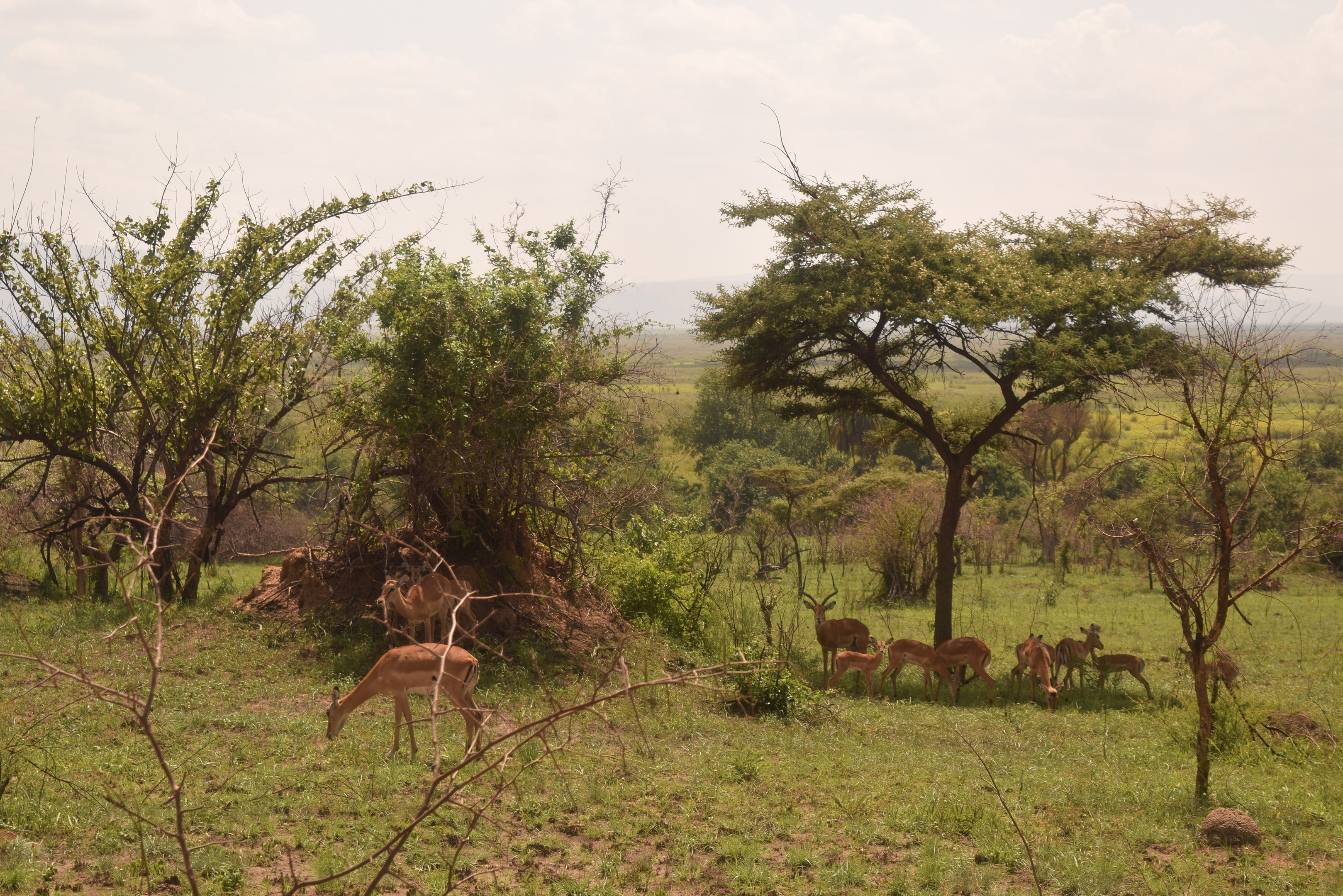
Akagera National Park is located in the northeast of Rwanda along the border with Tanzania. It was founded in 1934. At that time, the park represented around 10% of Rwanda’s surfice area. In 1997 (3 years after the Genocide), the park was reduced almost twice in size to accommodate refugees returning from the neighboring countries. Cattle breeding and farming were the main sources of living for those refugees. Unfortunately, park predators often attacked their cows, so the farmers had to poison them in order to save their livelihood.
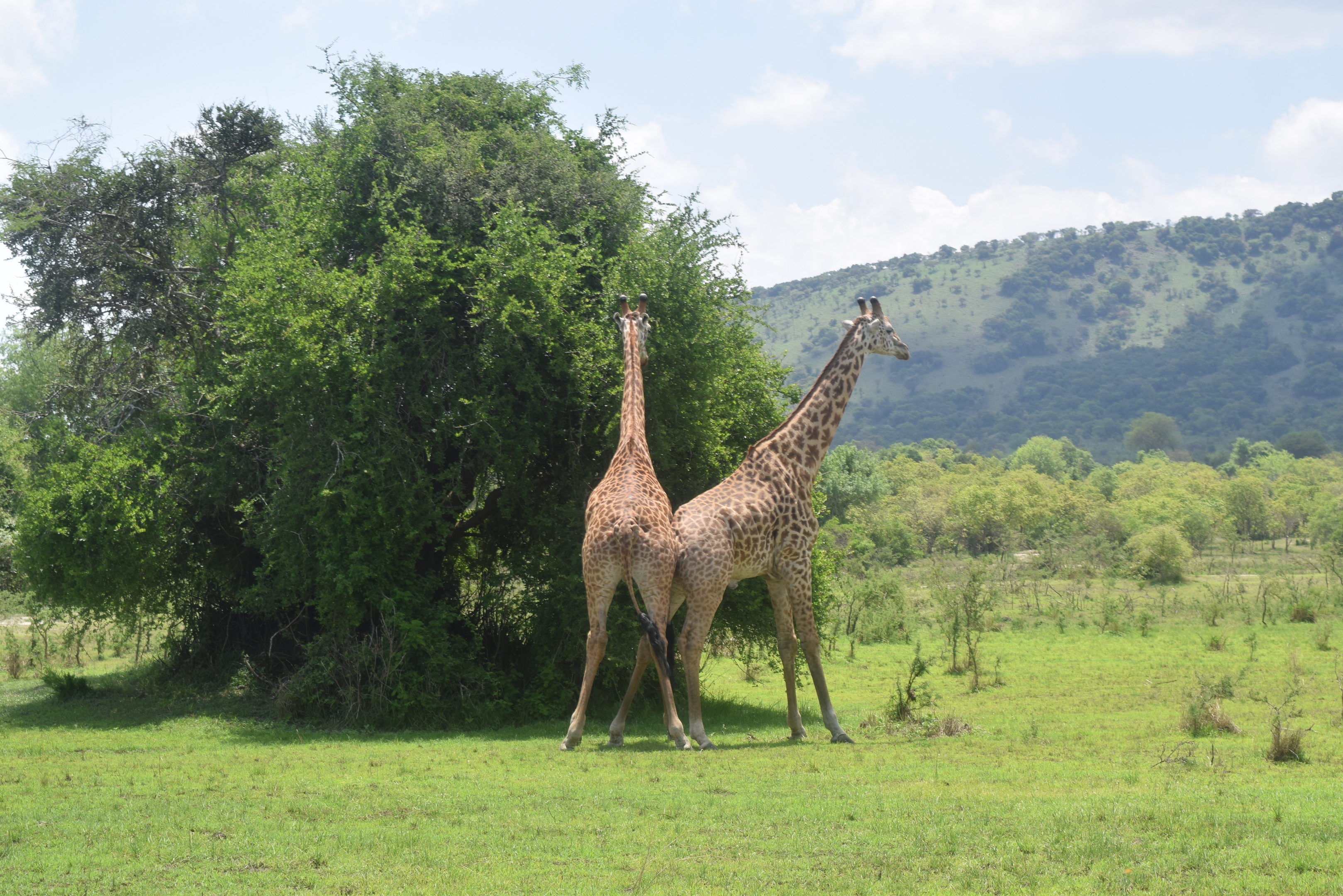
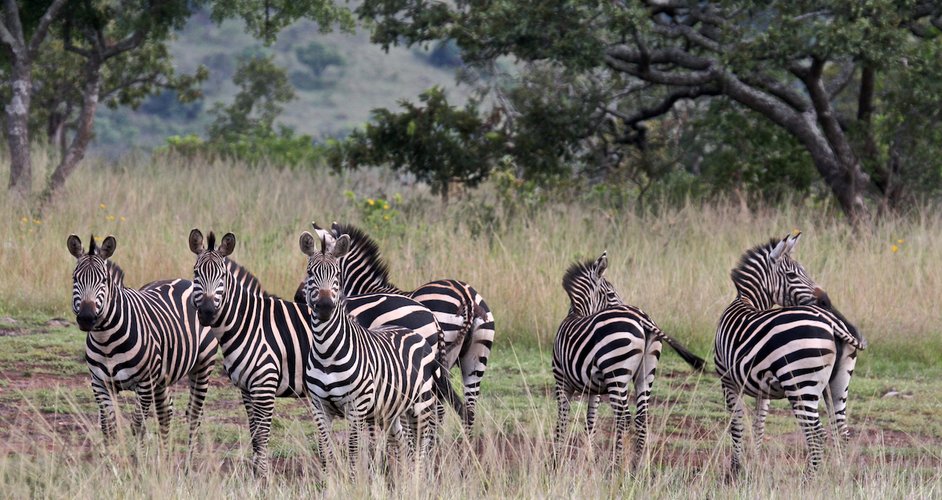
Since the establishment of Akagera Management Company 2010, under the partnership of Rwanda Development Board and the non-profit African Parks Organization, the park has seen dramatic improvements. Every year, new species are re-introduced to the park, which is a huge conservation effort for the country. Rhinos, for examples, are coming back in 2017. I didn’t mention about the many other species we got to see that day – large herds of buffalo, zebras, super tall giraffes, various types of antelopes including impala and topi, warthog, crocodiles, hippos and who knows what other wildlife encounter might have been around the corner without us even knowing about it.
And all of that happened within only 6 hours, including two short stops and without having done any of the other activities offered by the park, such as boat trips, fishing or game drive. In fact, there are several picnic spots in the park which, interestingly, are not protected by an electrical fence. Next time I have to ask the guide how come these places are left in the open nature without any sign of protection.
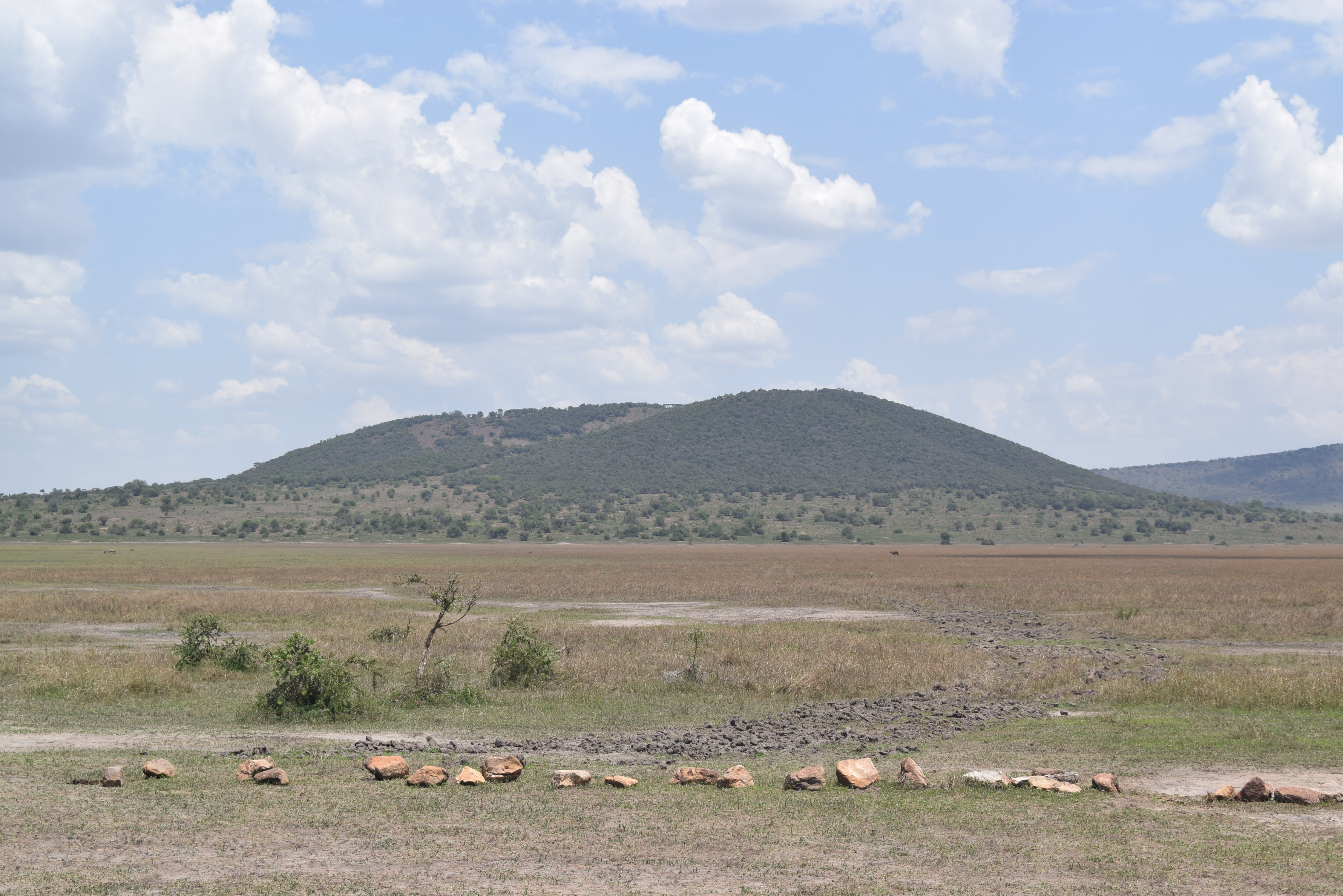
And there was no better ending of our safari than seeing an elephant swallowed by a snake. I have always wanted to find exactly the same picture from one of my favorite books, and finally I did!
End of Part 2.
To view other posts, click here.