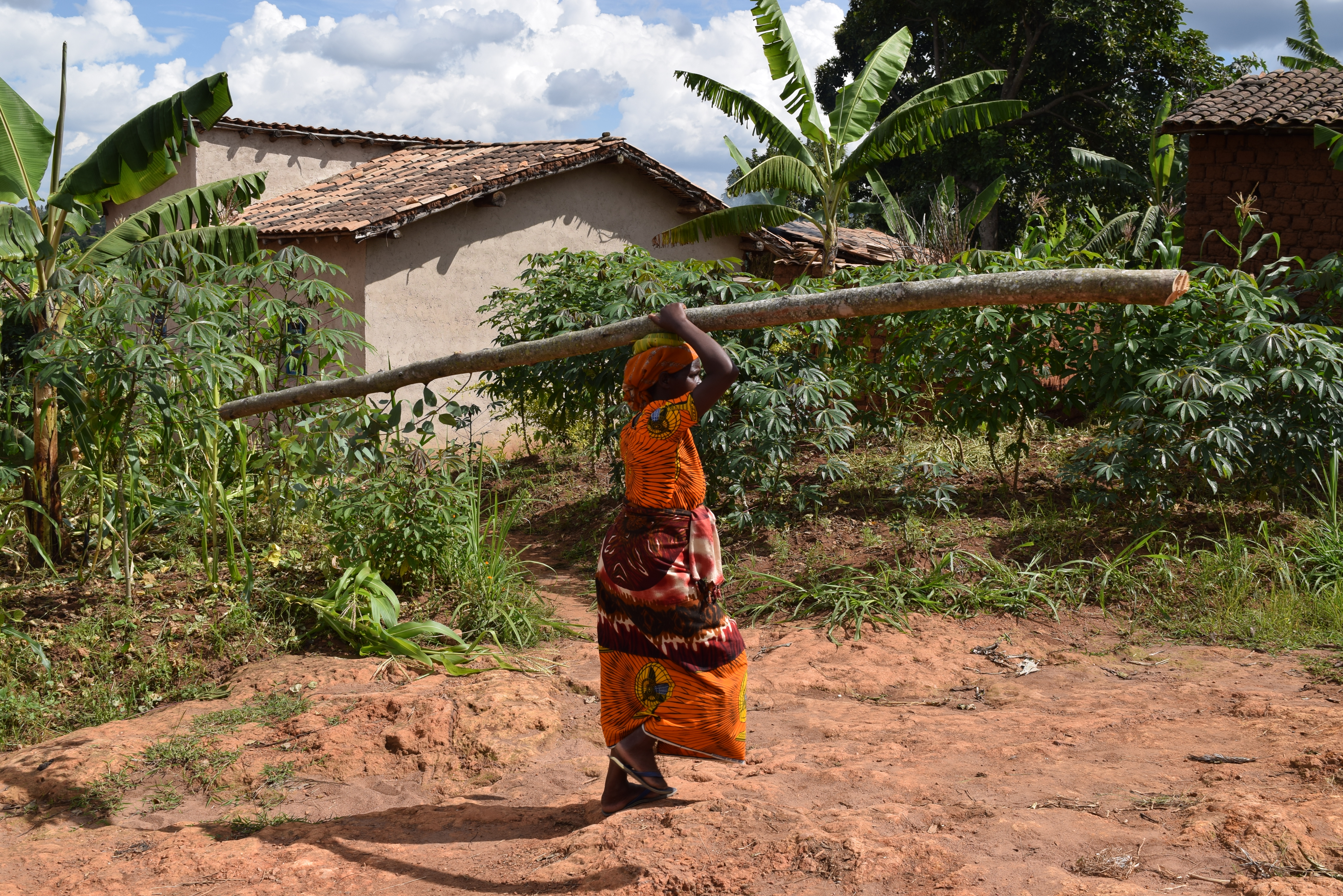
Like in many other places around the world, climate plays a vital role in Rwanda’s lifestyle and culture. Therefore, before I take you on two amazing cultural journeys into the depths of rural Rwanda, let’s see what the weather looks like in this part of the world.
Due to its proximity to the Equator (just 100km south of it), Rwanda is typically associated with unbearable heats and heavy rainfalls. Although this is true for other Equatorial African countries, Rwanda offers very human-friendly climate because of its high elevation (from 1000m to 4507m). The usual temperatures range between 12 and 27°C with little variation throughout the year.
There are two rainy seasons – a shorter one usually between October and December, and a longer one with heavier rainfalls between March and May. The length of each rainy season and the volume of rainfalls may vary quite a lot. This year, it started as early as in August and since then we get regular showers. They are actually quite welcome, for they cool down the high temperatures and turn everything around fresh green. But more importantly, rain is the much needed fuel, on which the wellbeing of Rwanda’s population is largely dependent. As in other tropical farming regions, Rwandan agriculture is mainly rain-fed, which basically makes it subject to the caprices of nature.
I remember the concerns shared by the manager of Sorwathe tea plantation during our stay earlier this year who said that the tea production has fallen by 30% vs. the previous year due to insufficient rains. 30% drop is a serious problem given the large share of export of Sorwathe business and the number of farmers employed.
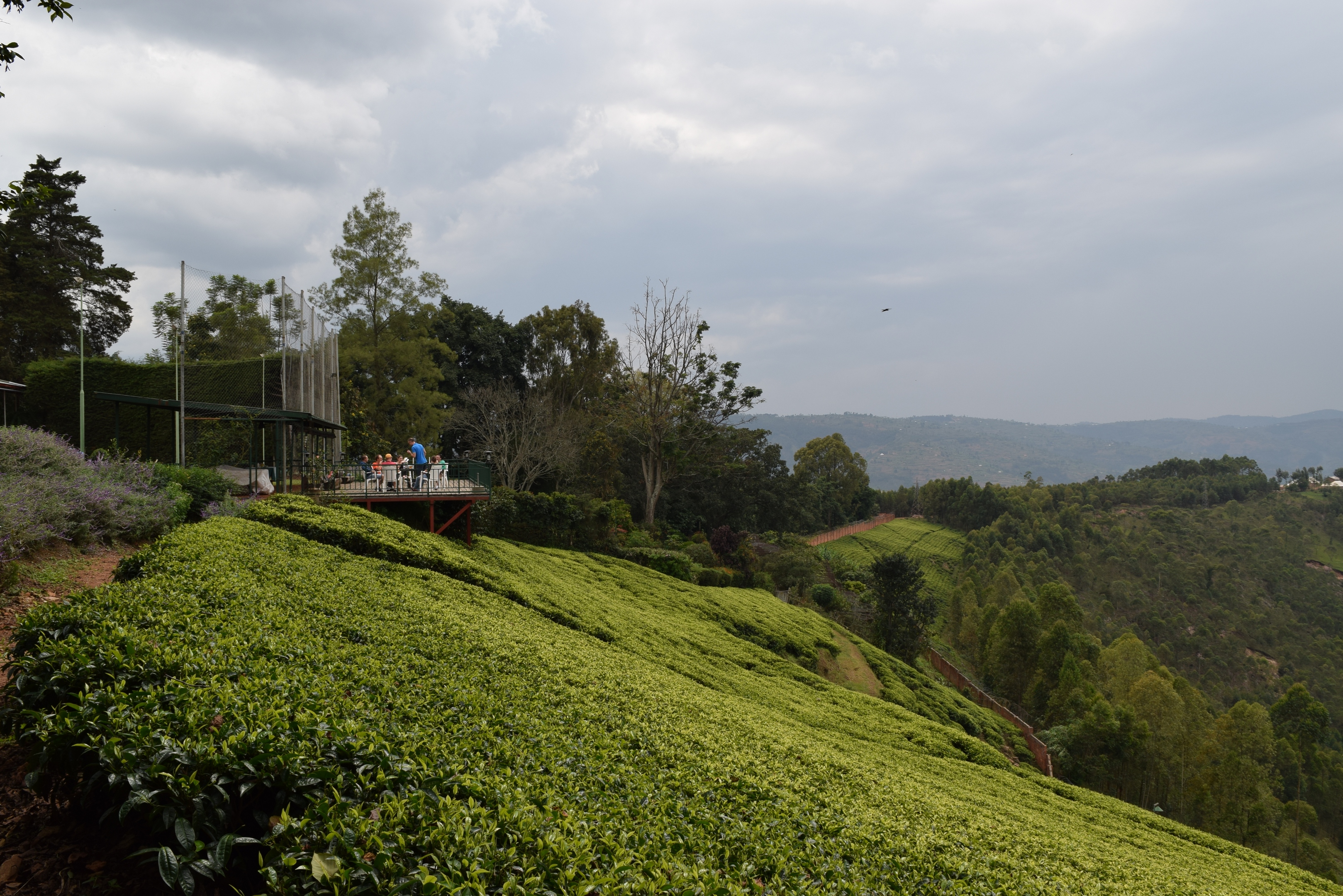
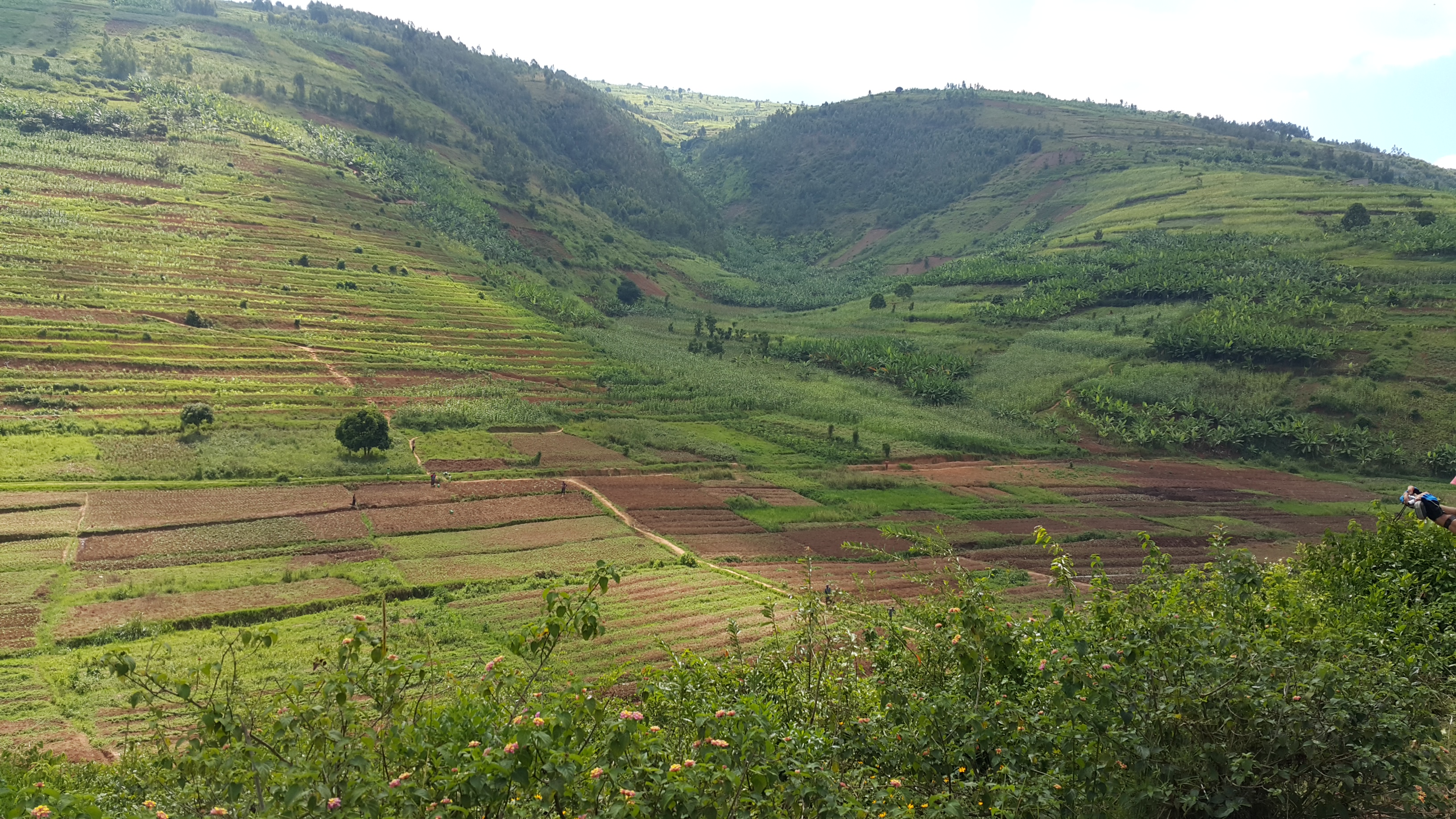
While the terraced agricultural fields provide marvelous sceneries to tourists, farming the slopes is extremely hard work in which weather always has the final word. Droughts lead to lack of harvest, while heavy rainfalls can damage the terraces, wash away the crops and put the dependent community in a very difficult situation.
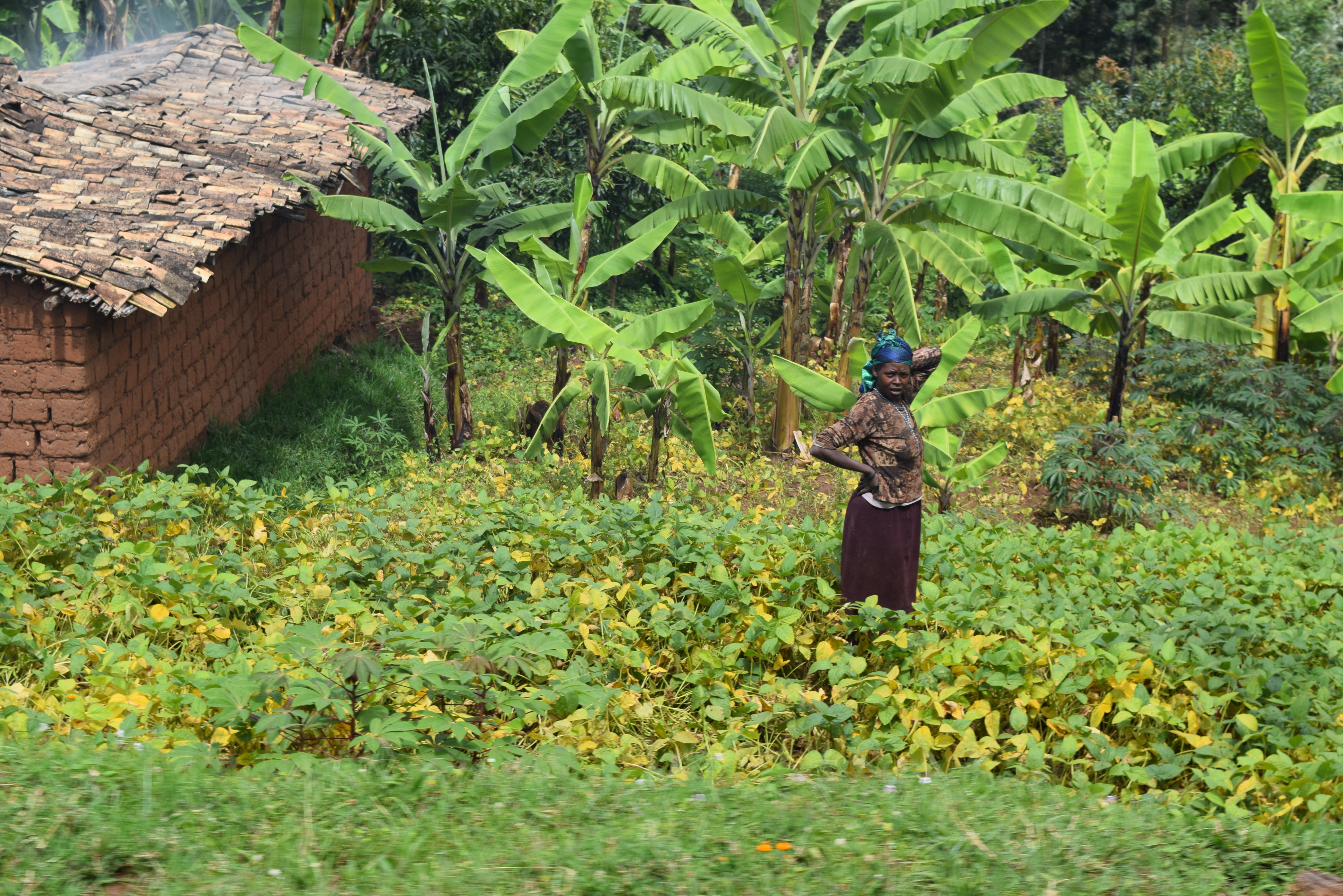
At this point you probably think that the above issues are generally relevant to any other agriculture-oriented economy, but don’t forget the location of Rwanda. In the heart of Africa, landlocked, with still not very well developed international road infrastructure, and high taxes on imported goods, Rwanda simply doesn’t have a lot of choice than to maintain a highly-performing agriculture.
Now let us zoom in and see how climate has shaped domestic chores and people’s occupations, specifically in rural Rwanda. I will take you on two journeys which I will never forget because they helped me get a fuller picture of this beautiful country and people. As always, in order to really understand a foreign culture, you simply have to leave behind the big (or capital) city, and dive into the life of rural areas.
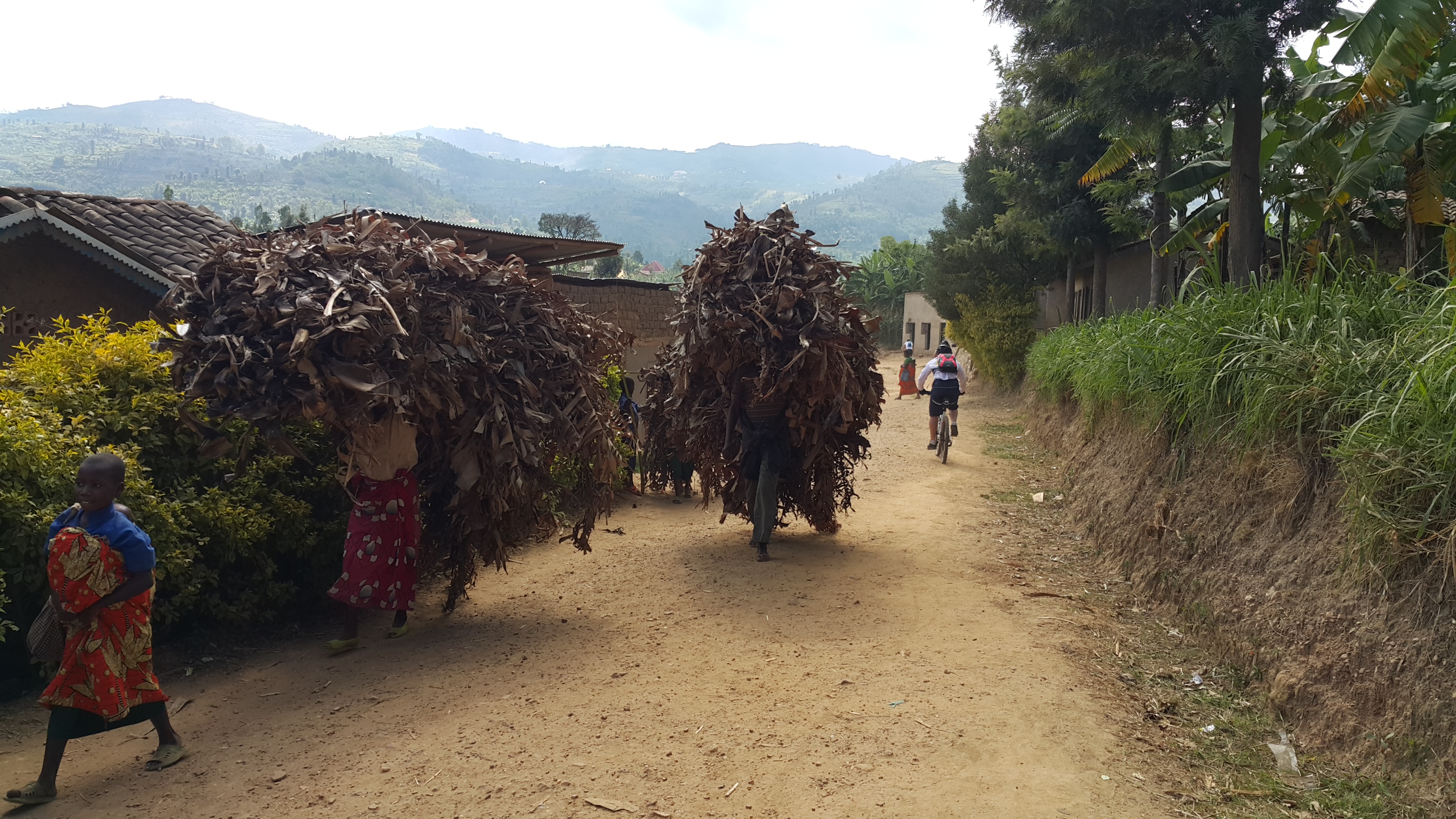
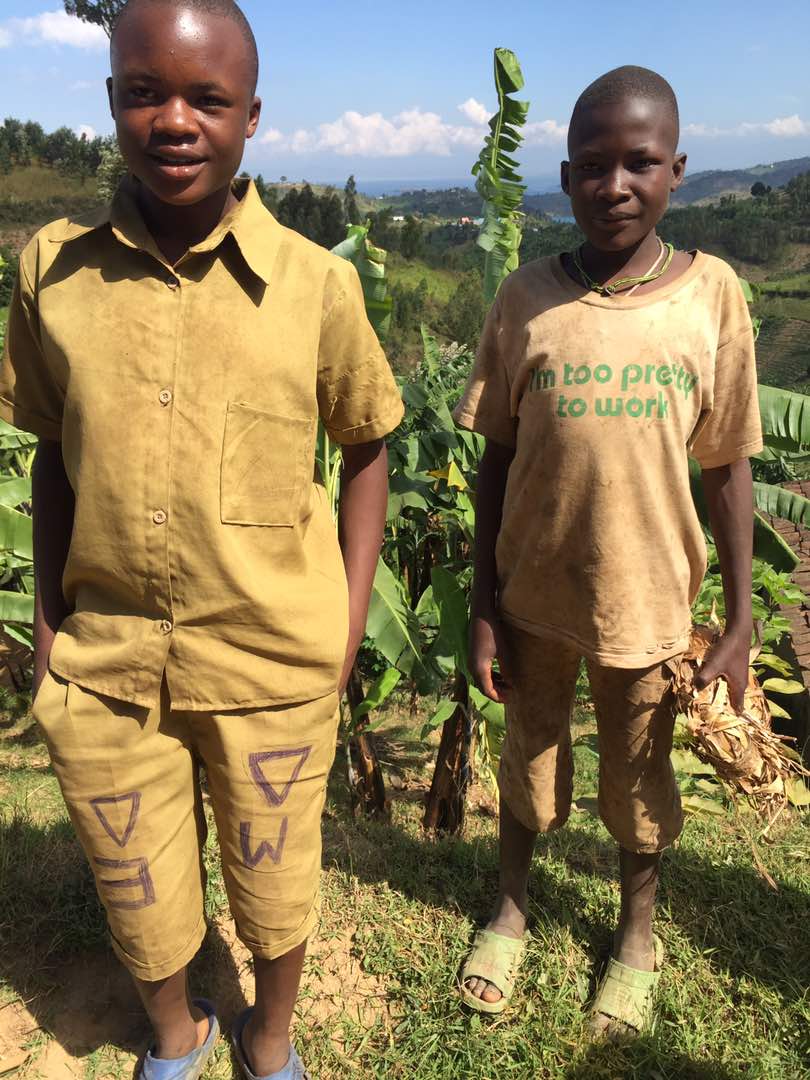
I had the opportunity to join these journeys thanks to the school of my children which organizes a few field trips during the school year as part of the curriculum. I have never done this before, so I was very interested to volunteer as a parent and support the teachers supervise the children.
The Water Collection Field Trip
During this trip I came to realize an ironic phenomenon about Rwanda. A country with abundant rainfall and water resources has a big challenge with water supply, particularly in rural areas (84% of the population), where processes of deforestation and erosion has decreased the productivity of natural wells.
While there is a clear government policy and substantial donor support, still over 20% of the population in Rwanda has no access to safe water supply, according to WaterAid. The latter is one of the many organizations – international and local – offering solutions to increase the access to safe water and sanitation.
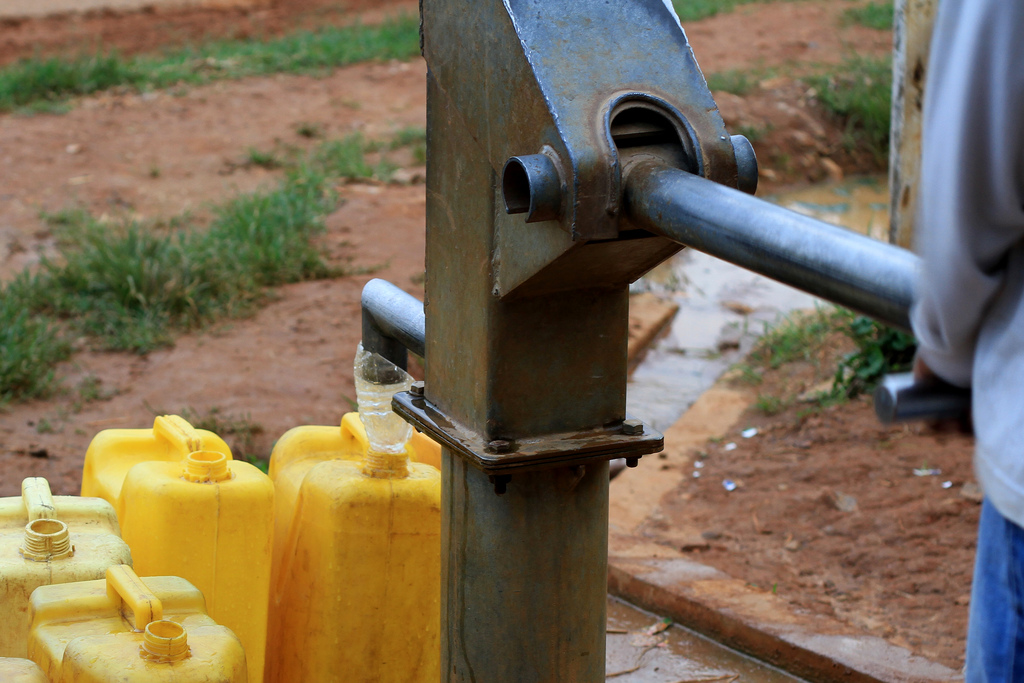
A very common water source in rural Rwanda is the water pump – a simple installation with huge impact on people’s health and hygiene.
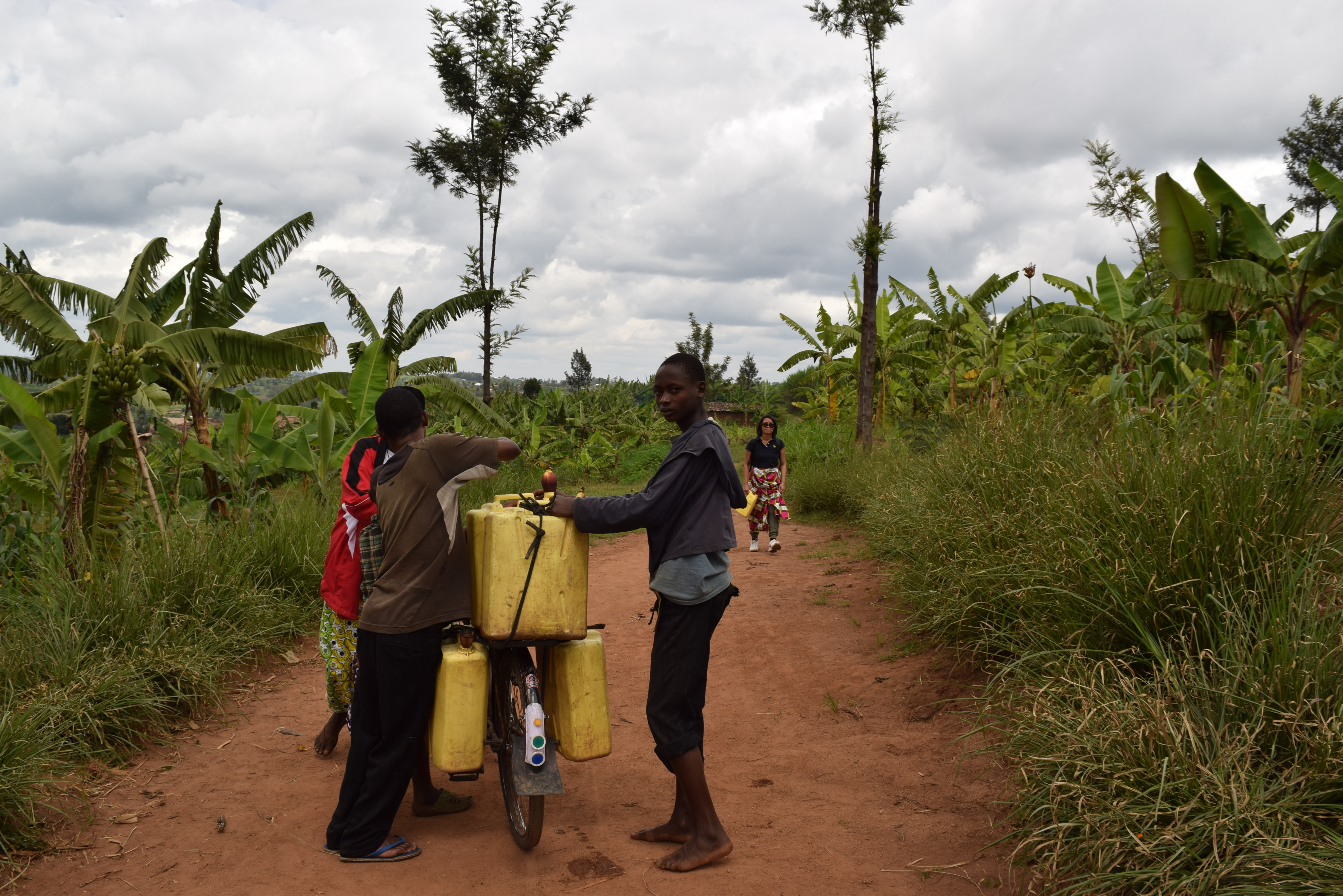
Not very long ago, people who didn’t have access to these pumps had to fetch water either from rivers or nearby swamps. Others had to walk more than 10km a day to get water from the nearest pump. Today, the situation has significantly improved, yet many still walk more than 2 km each day to access safe water.
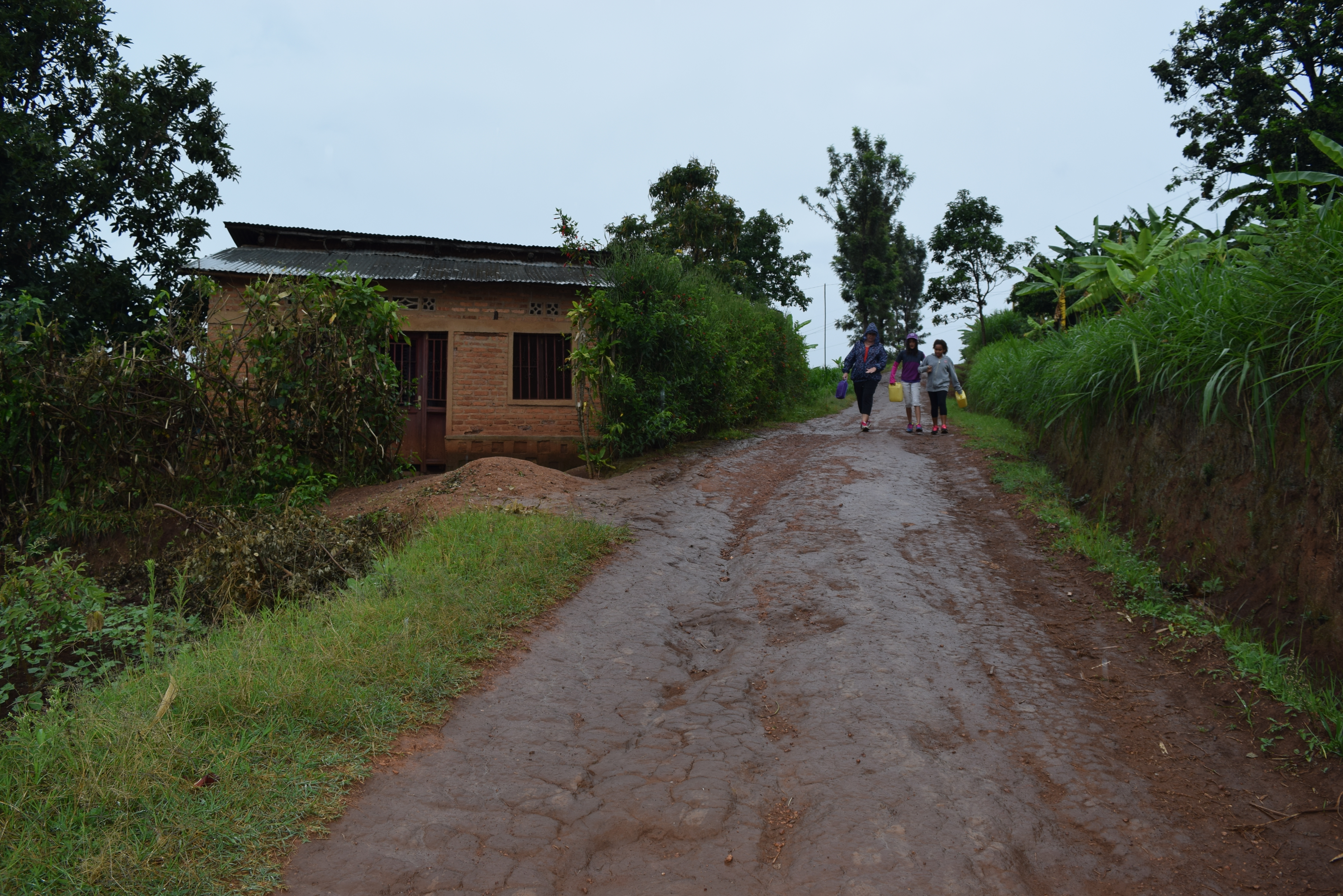
Our field trip took us to a village – about a 1,5 hrs drive north from Kigali, Rulindo District. It was a very grey, cloudy morning with no signs of improvement as we were getting the children on the bus. Exactly the opposite – it started raining as soon as the bus departed. Despite the cheerful mood on the bus, which reminded me of my primary school years, I was getting a bit concerned about the success of our trip mission.
Before I continue, let me say a few words about the organization that provided this amazing culture tour. It is a charity which supports local people with psychosocial disabilities. Members of this group meet regularly to overcome isolation and stigma. Besides, these groups also form co-operatives working together to make traditional handicrafts from natural and recycled materials.
The culture tour is a unique opportunity to see the daily life through the eyes of rural community members. A typical tour program includes participating in daily routines of the community such as milking cows, baking chapattis, cooking traditional meal, gardening, fetching water, winnowing and pounding, basket weaving and making other traditional craft products.
So, now imagine experiencing these activities, most of which take place outside, on a rainy day with a group of twenty 9-years old kids.
Thinking back, this trip wouldn’t have made such strong impact on all of us, has the weather been warm and sunny.
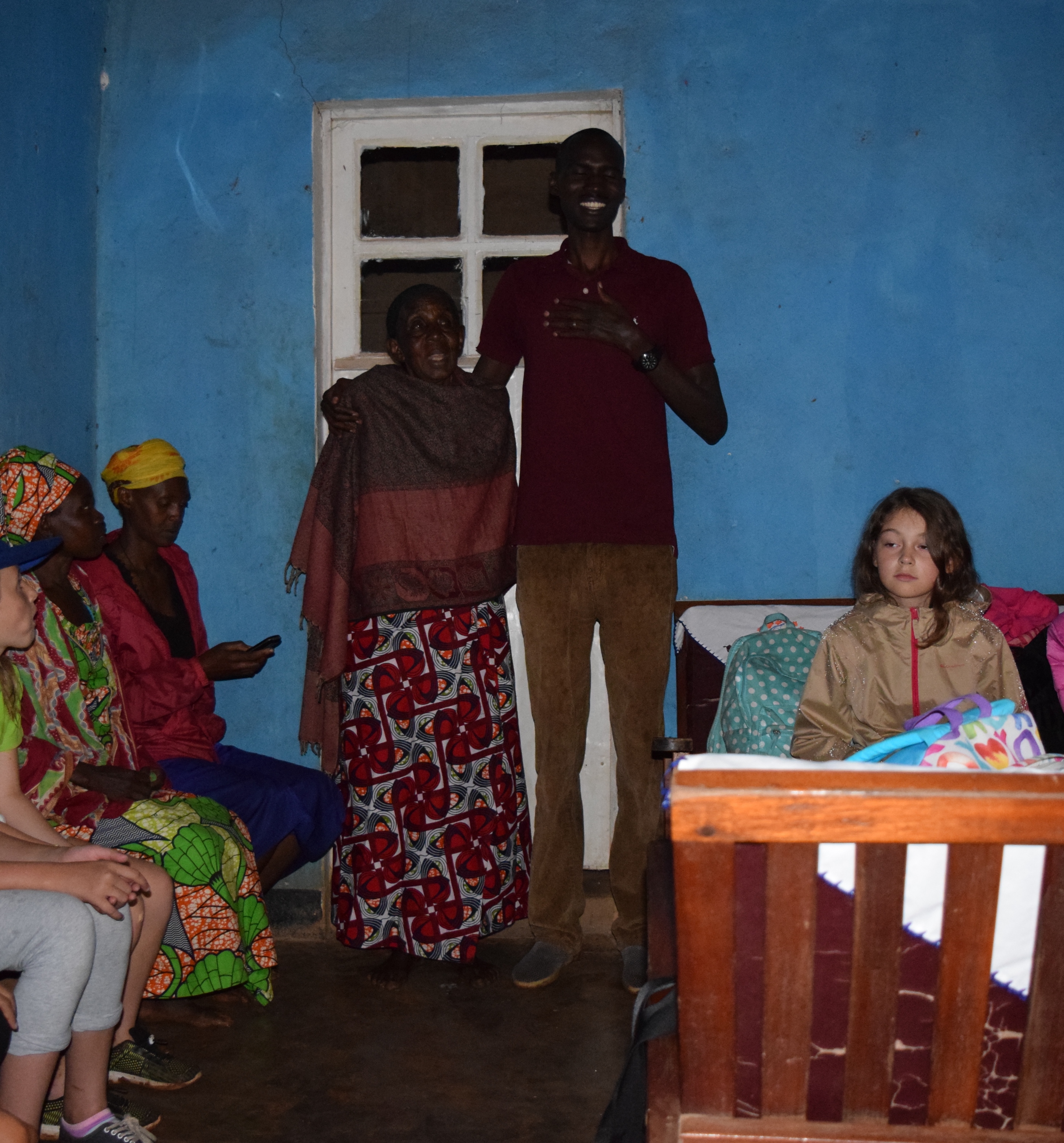
Upon arrival in the village, we received a traditional welcome from members of the cooperative in a typical rural house made of earth bricks. Inside it was quite dark due to the gloomy weather and scarce electricity. As often seen in such houses, not every room is supplied with electricity, and in those which are, there is just a bulb hanging from the ceiling on a plain cable.
Our guide, John Baptist Tugume, was translating for us since people from the rural areas usually don’t speak English or French. Mostly women, the members of the co-operative, looked shy, spoke very quietly but their faces and posture expressed dignity and life wisdom. They shared that people like us who come to spend some time with them and support the charity through the fees for the culture tours, make a huge difference in their lives. It’s not just the financial support that makes a difference, but also the human contact, the interaction, maybe even the hope such interactions bring to those people. I couldn’t help but making a parallel to our Westernized culture, where human contact and interaction has lost so much of its value since the rise of digital communications…
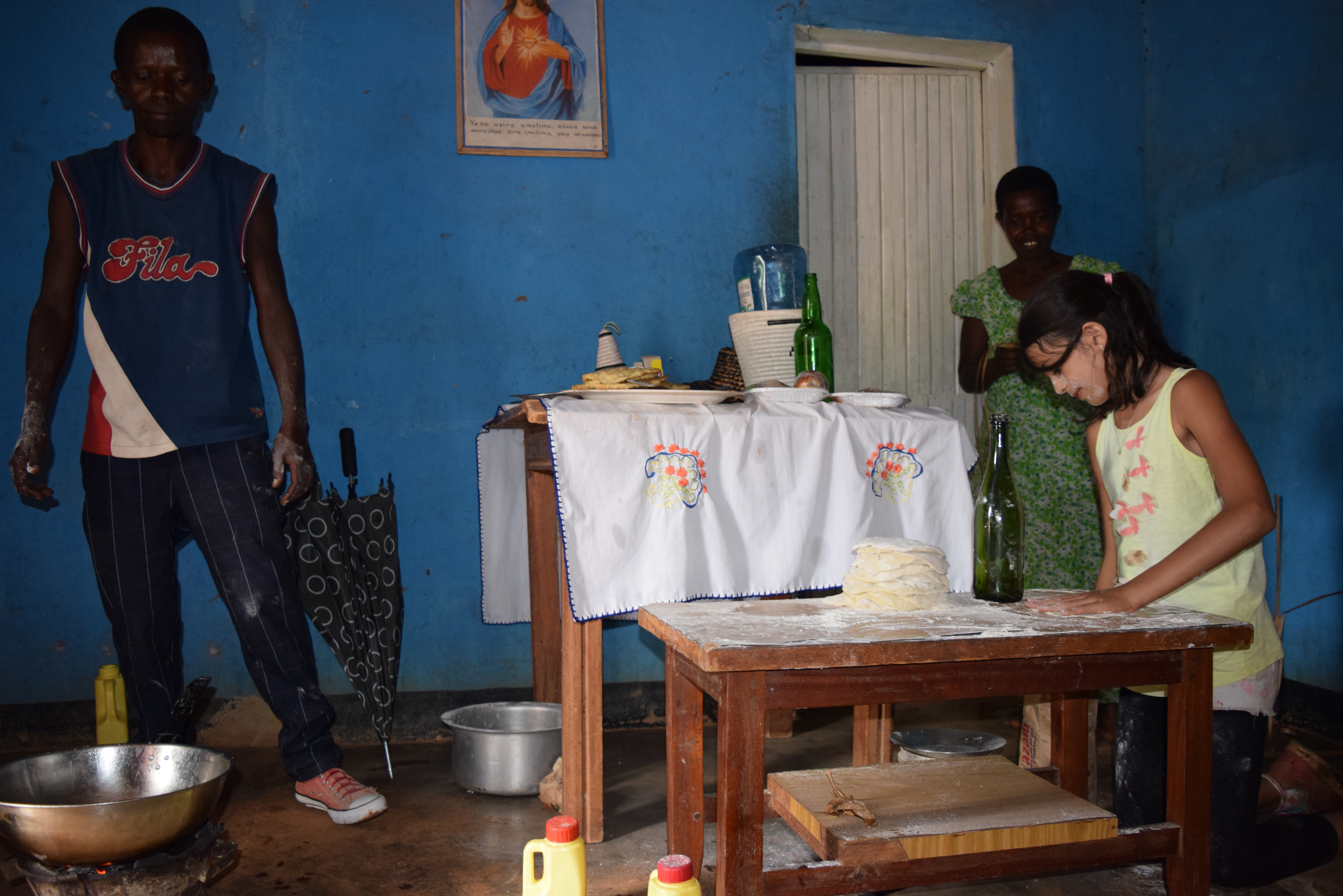
Learning to make chapatti
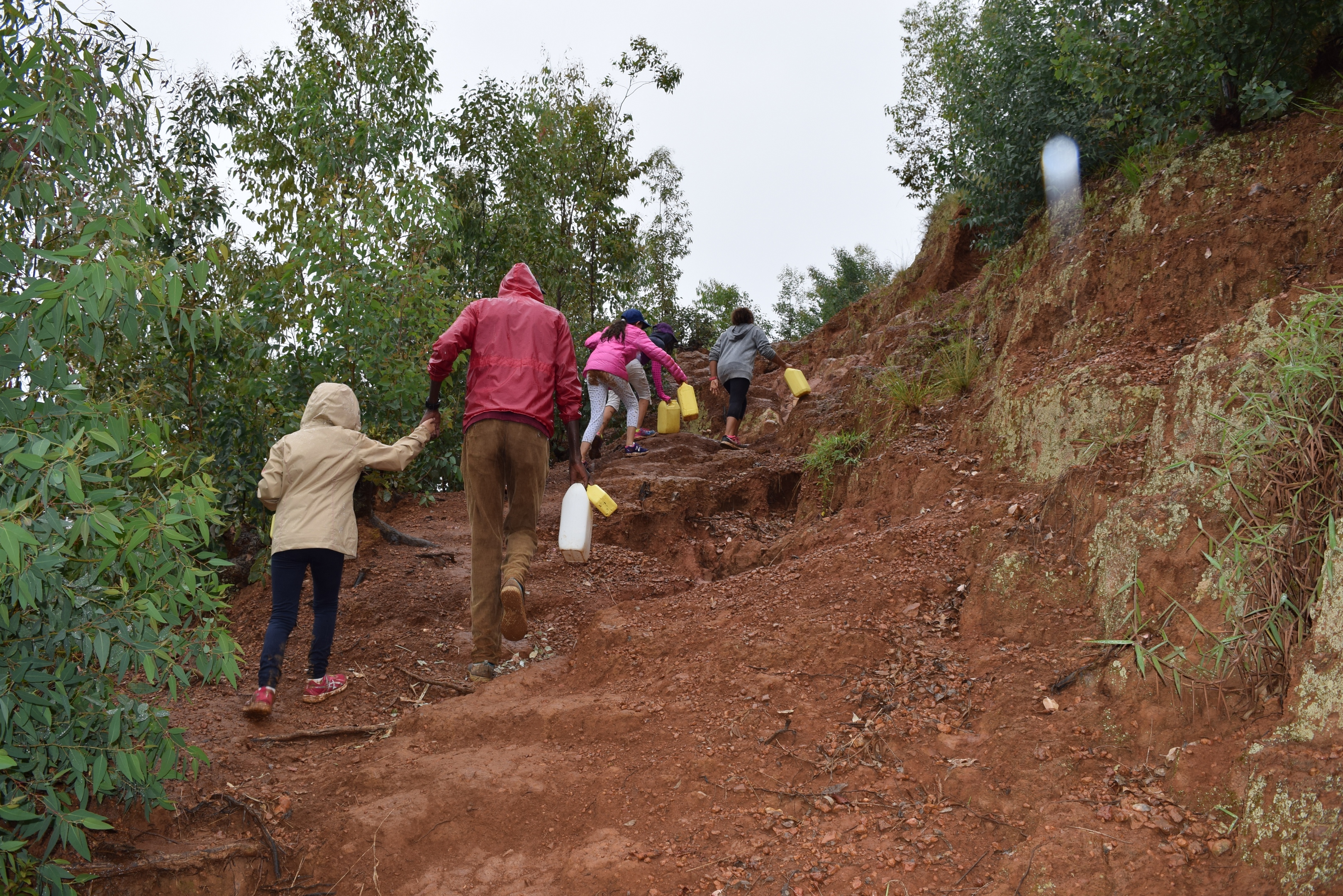
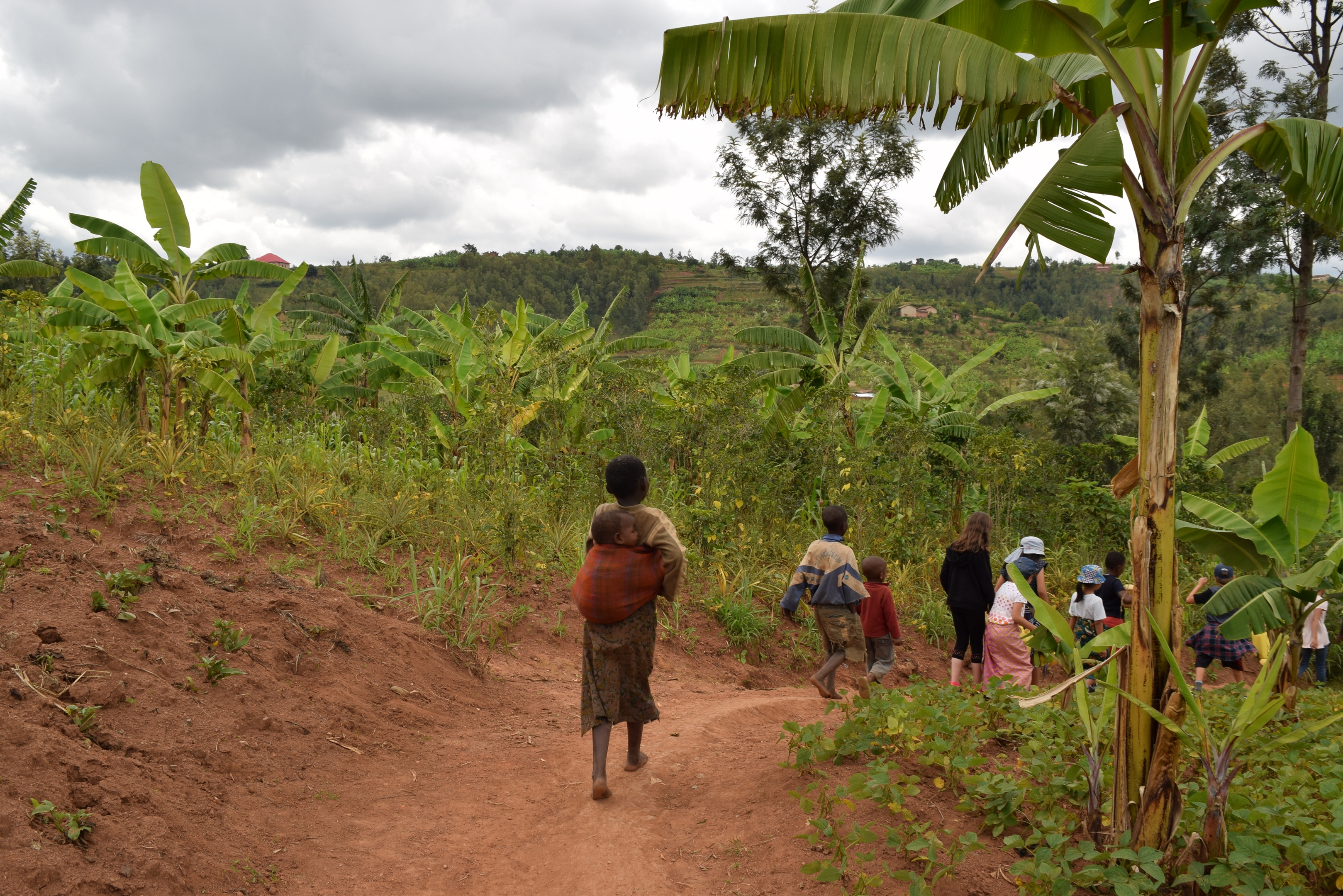
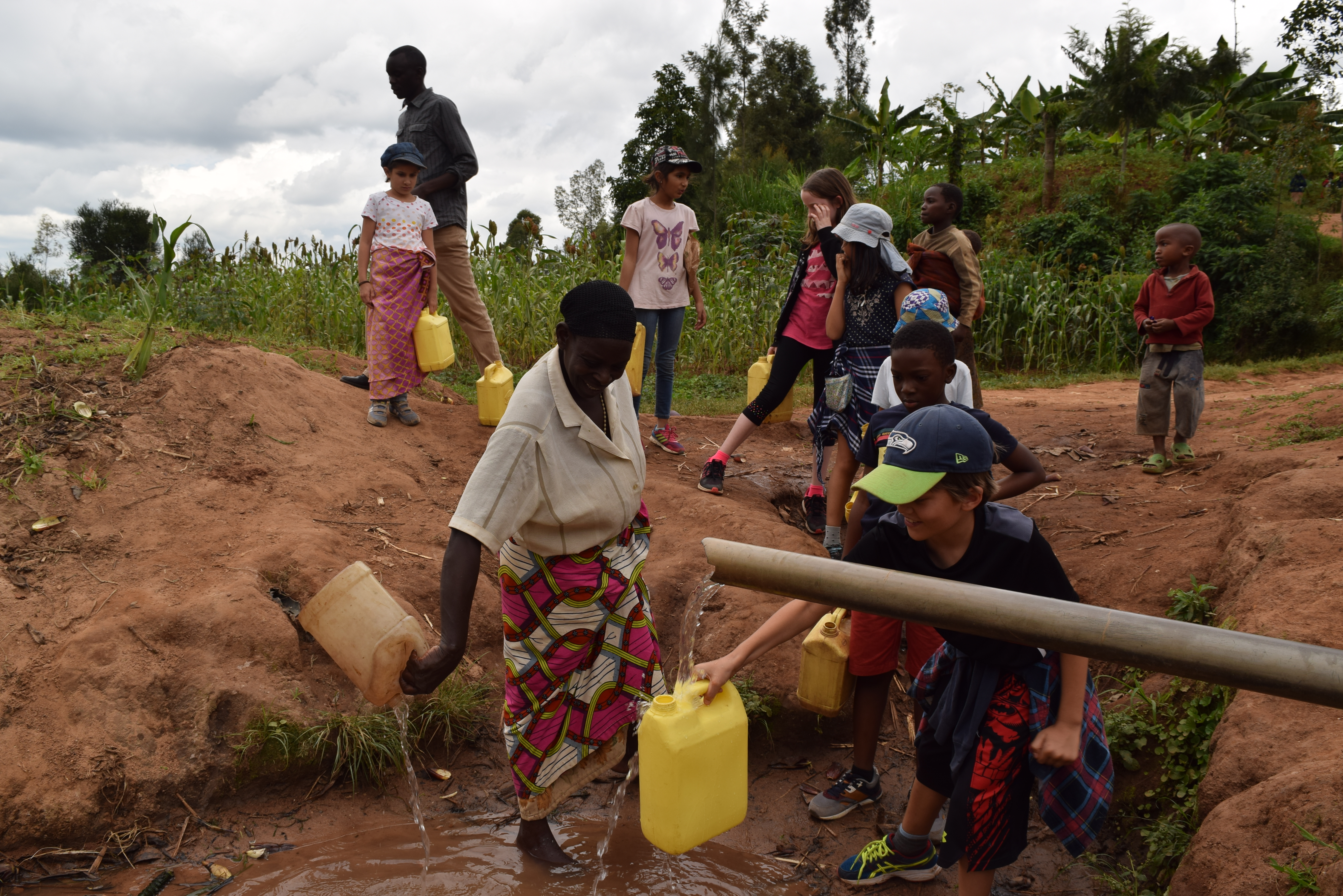
Afterwards we prepared for the main part of our trip – the Water Collection. This is a daily routine for the inhabitants since this village doesn’t have a water supply system. The only source is a pipe that carries natural water from the mountain and is about 20-30 minutes down the hill from the house we stayed.
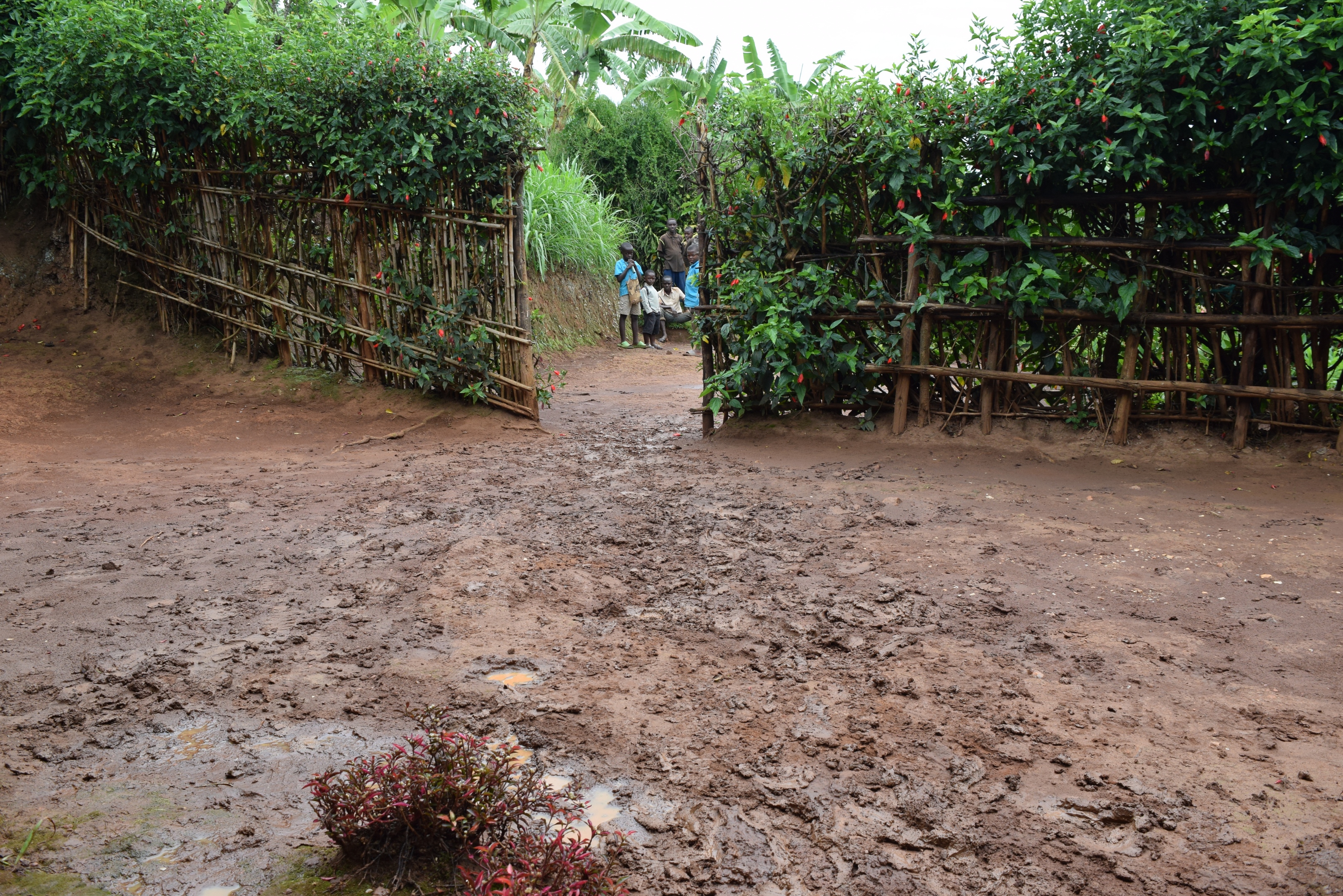
Our starting point
I still remember the mixed emotions raging inside me while walking down and up that slippery dirt path in the rain while providing support to several kids at a time. To keep the kids group manageable, we decided to split them into two groups 10 kids each, so I actually had to make the trip to the pipe twice.
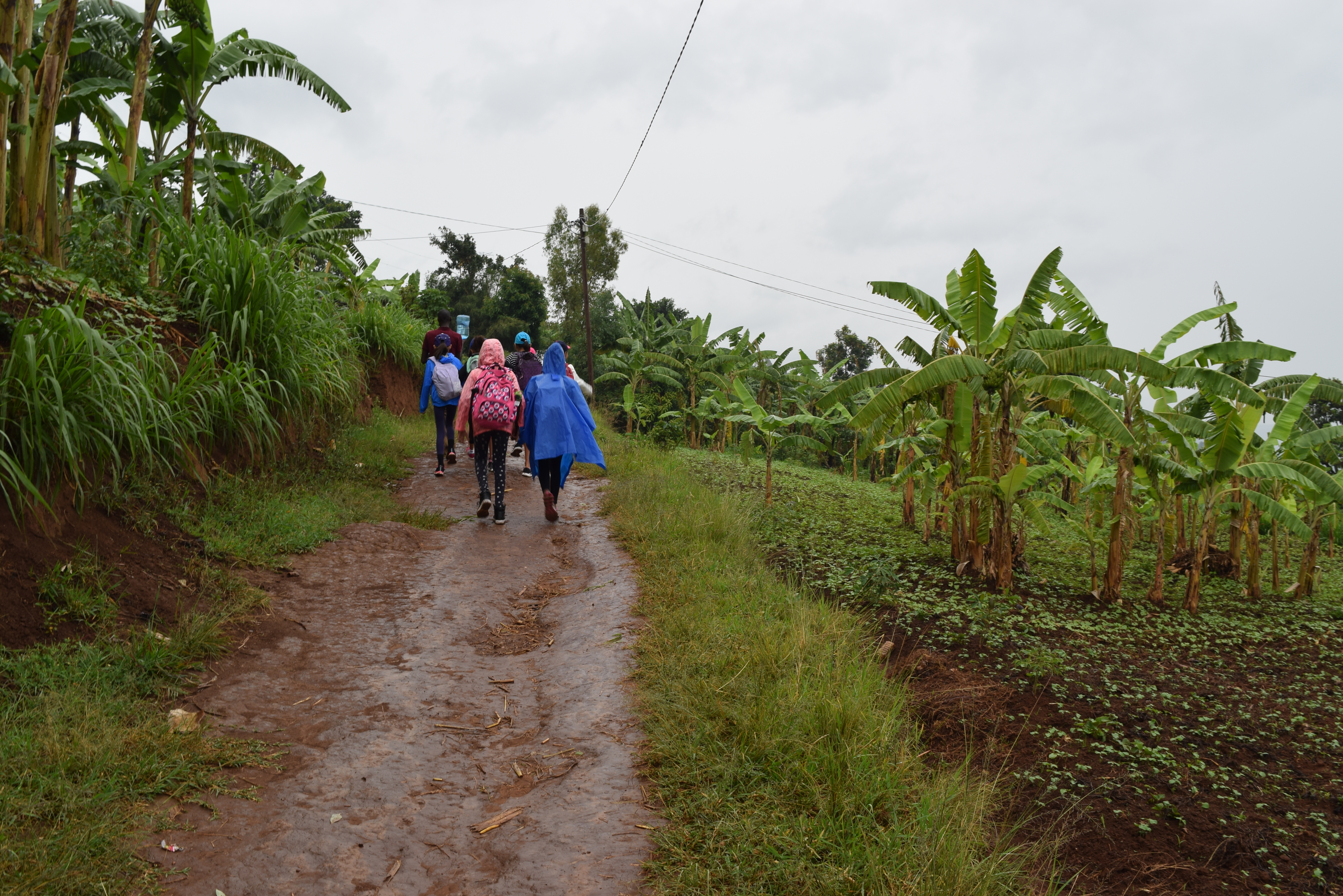
The initial excitement quickly gave way to a feeling of discomfort due to the increasing rainfall, which then turned into worry and even a little bit of fear of not being able to climb up the hill with the jerry cans full of water.
We had to walk through impossible places, slipping at the edge of the downhill, supporting several children at a time, while trying not to think about the steep slope just millimeters from your footsteps.
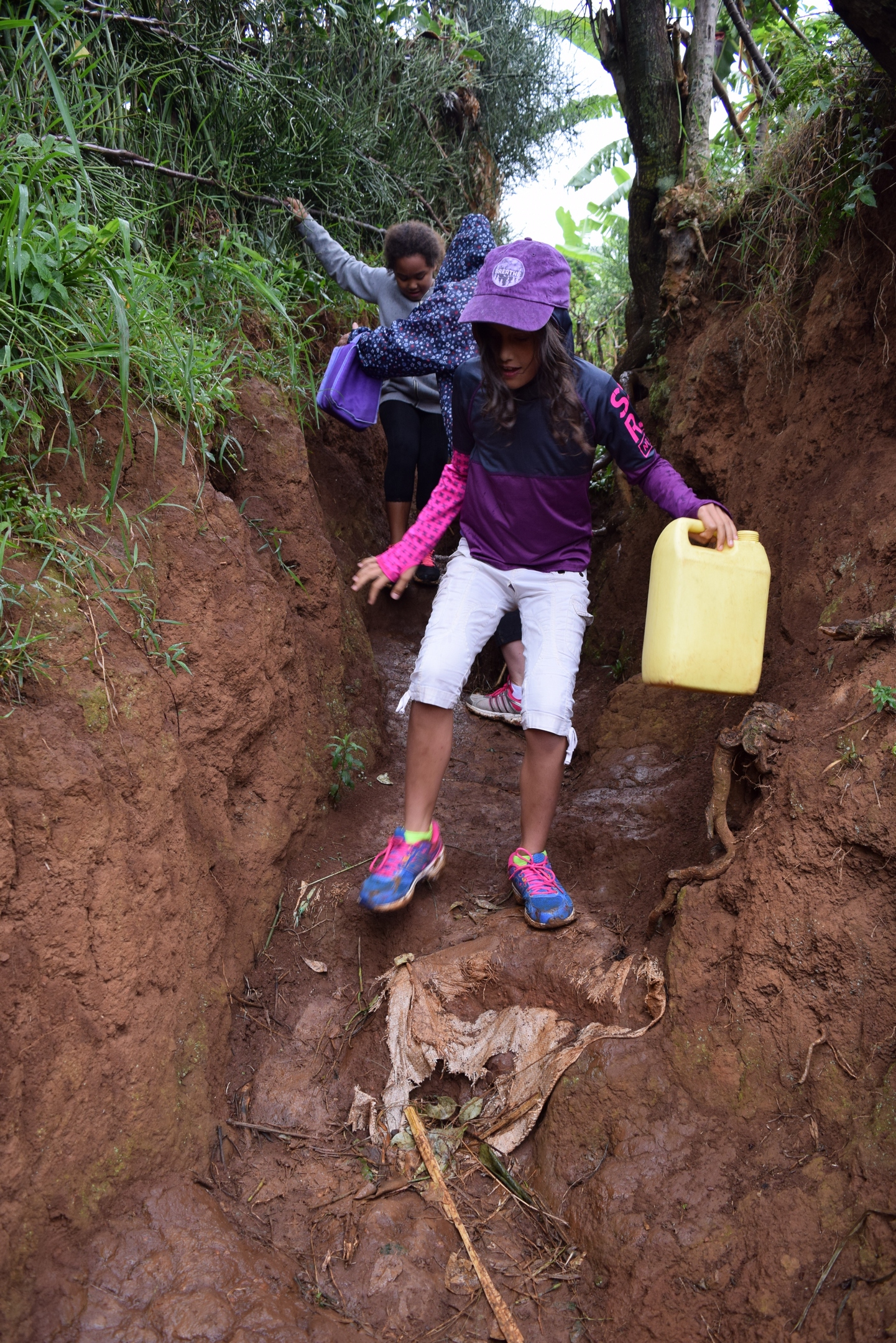
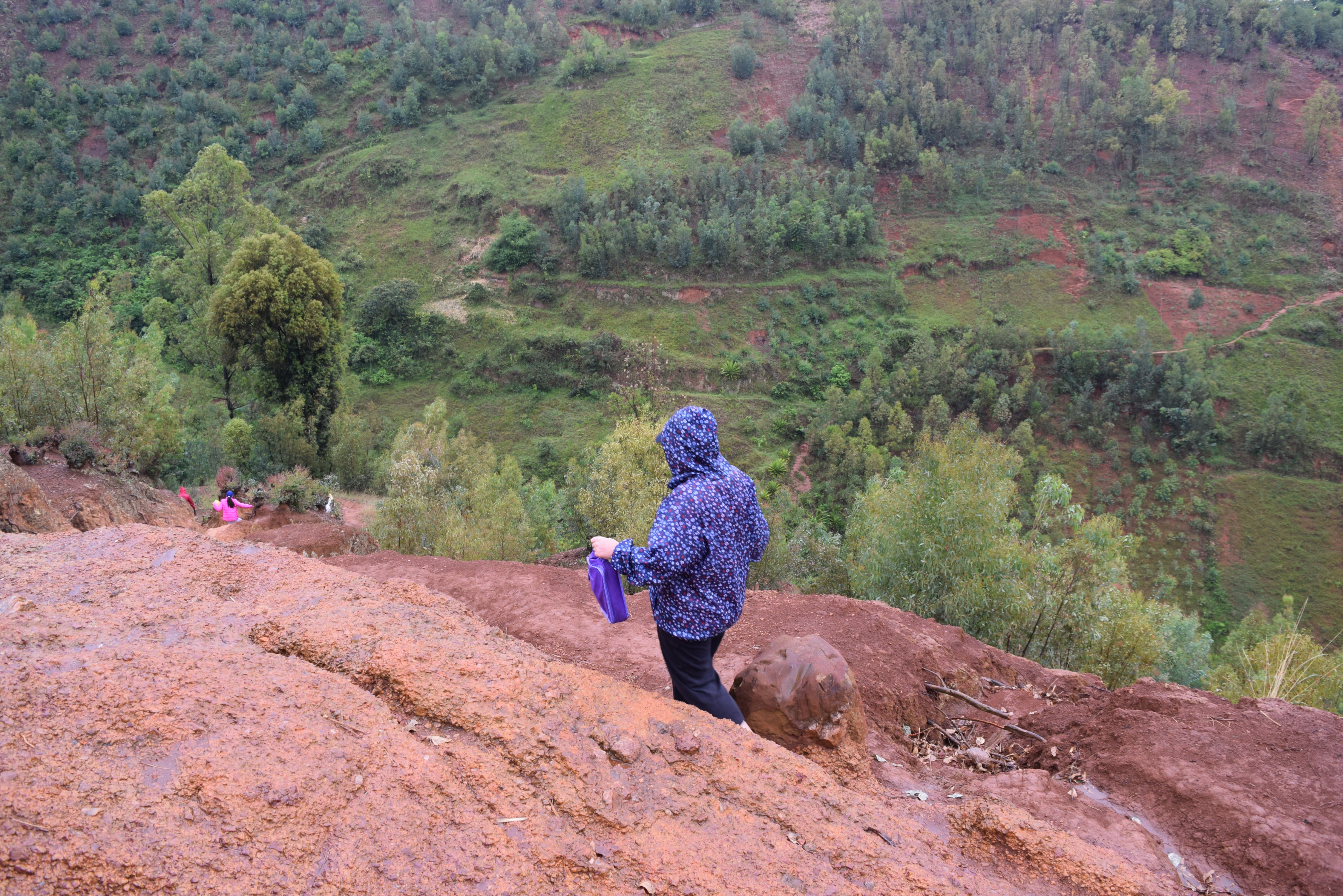
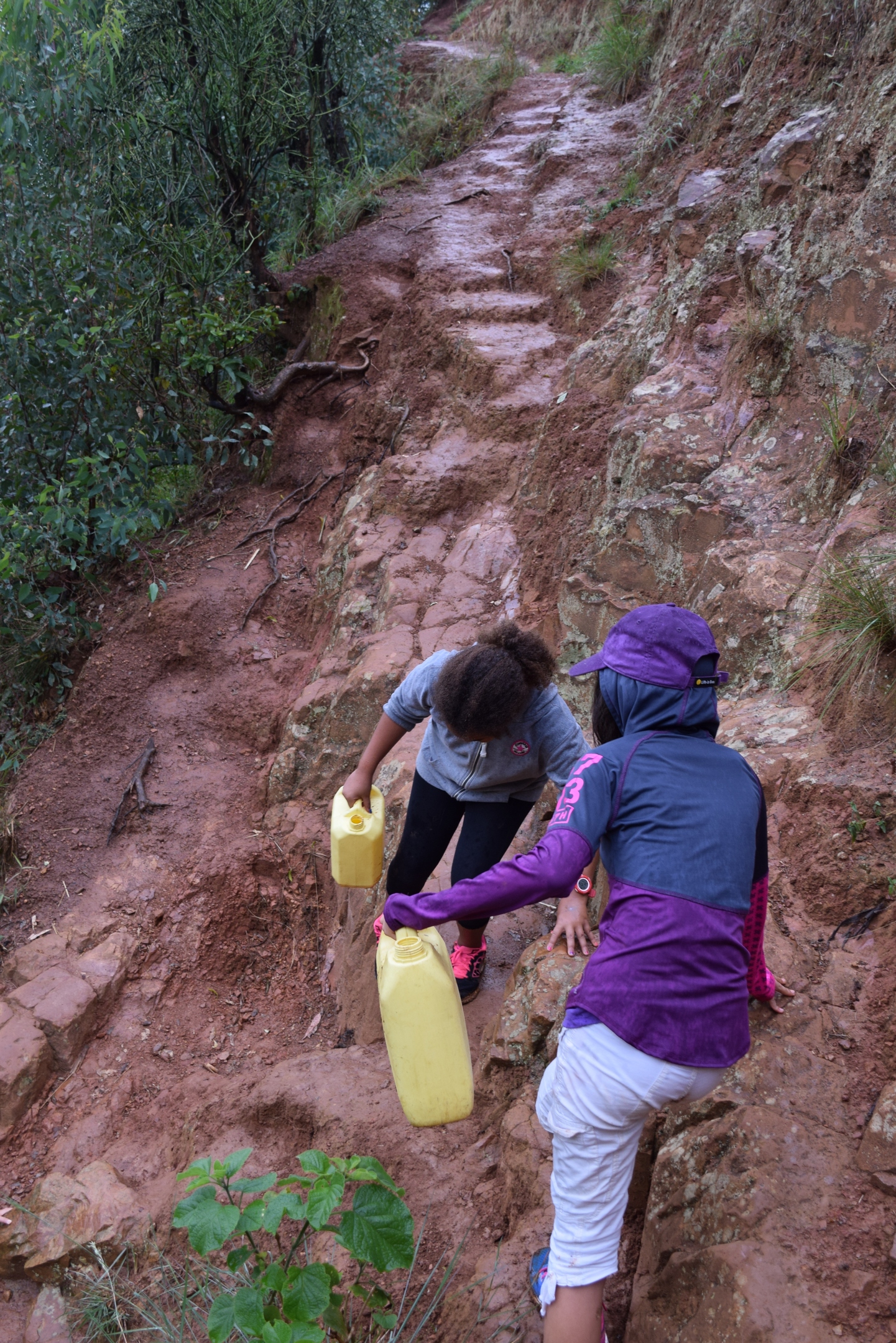
Many of us, including myself, were definitely not prepared for such an arduous journey. But at the sight of the local children who were sloshing around in their flip-flops, we didn’t even dare to complain…
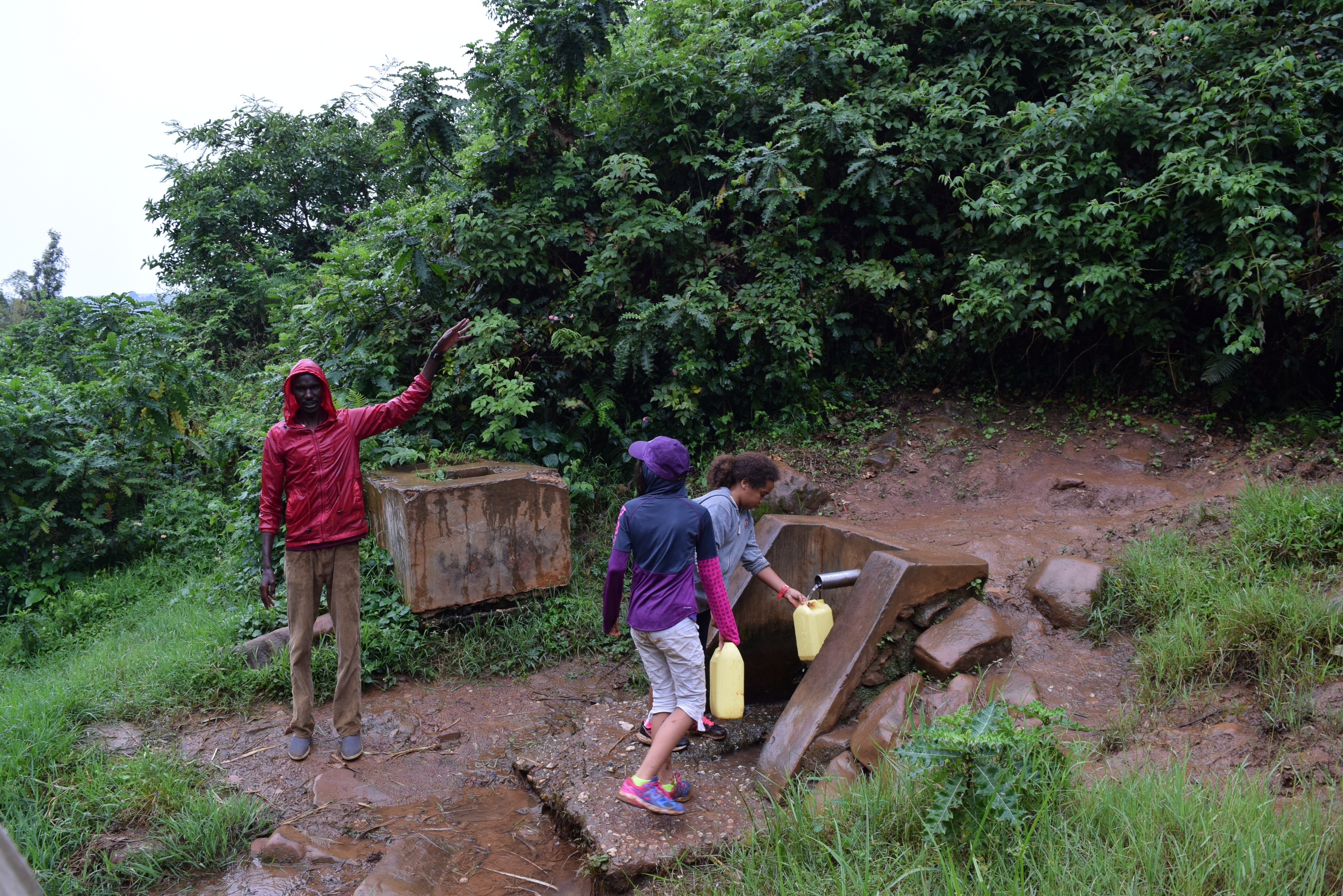
Finally at the water point
On the way back with full jerry cans
On top of all emotions, there was a strong feeling of respect to these people. Even small children are sent twice a day to fetch water, in rain or shine, to help their families with the domestic chores. Some of these children carry jerry cans of 10 liters, while having their little baby brothers or sisters on their backs. Would you complain being wet and all dirty? Absolutely not! Just the opposite, getting wet and dirty made me feel somehow sympathetic with the life of the community.
Well, the weather did turn sunny at the end, as if to compensate for its earlier failure and seal the whole experience with a warm positive lasting impression…
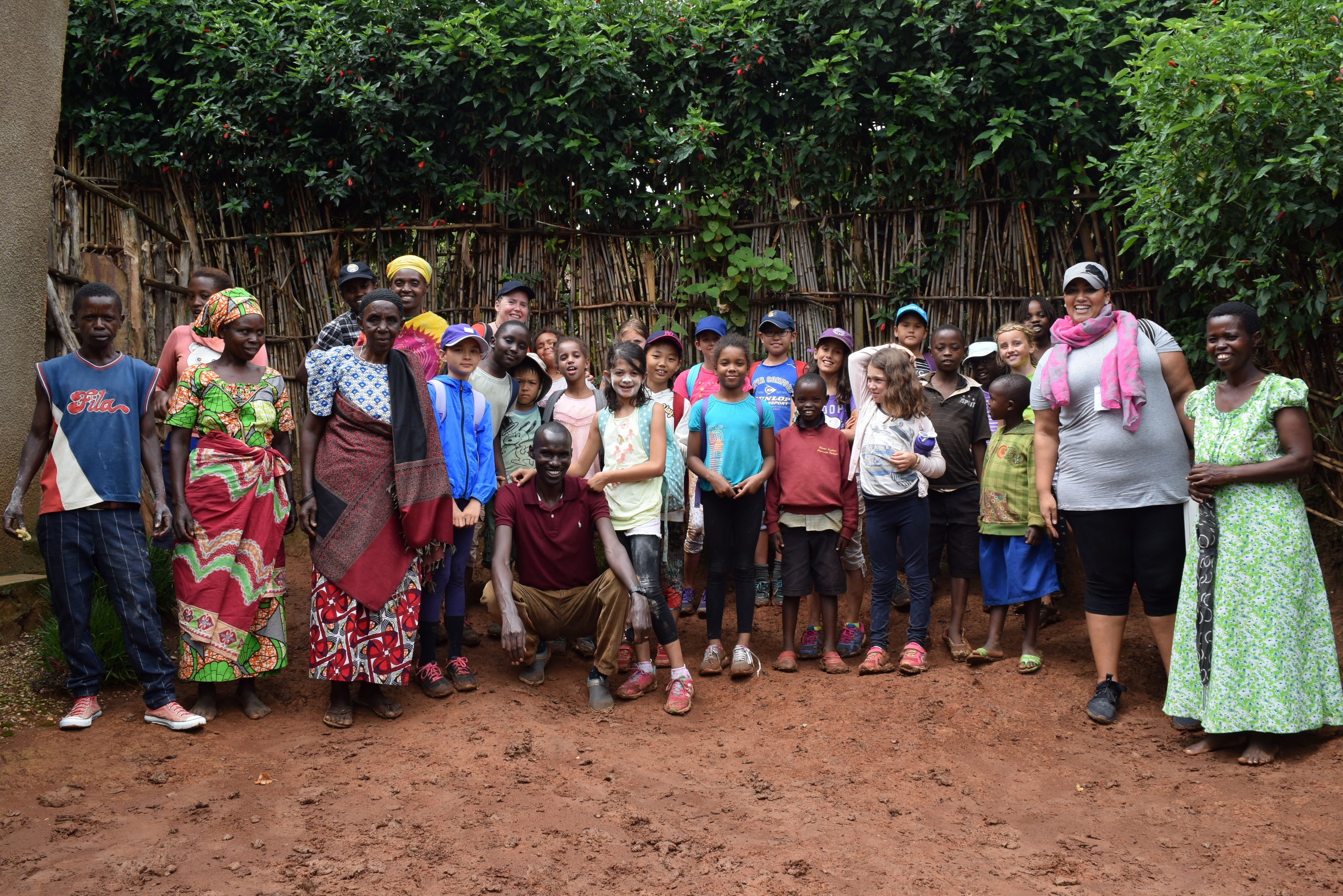
Nevertheless, it’s not the sunny ending that will stay in my memory, but a hope for the better and… a strong internal call for action…
A few days ago I learned from John, the tour guide, that the village has recently got their first water pump. Well, many of the inhabitants still go to the pipe as the water from the pump comes at a cost of 20 francs per liter (for reference, 1 euro is 990 francs). Unfortunately, water supply is too scarce to provide it for free, regardless of where we live on the earth.
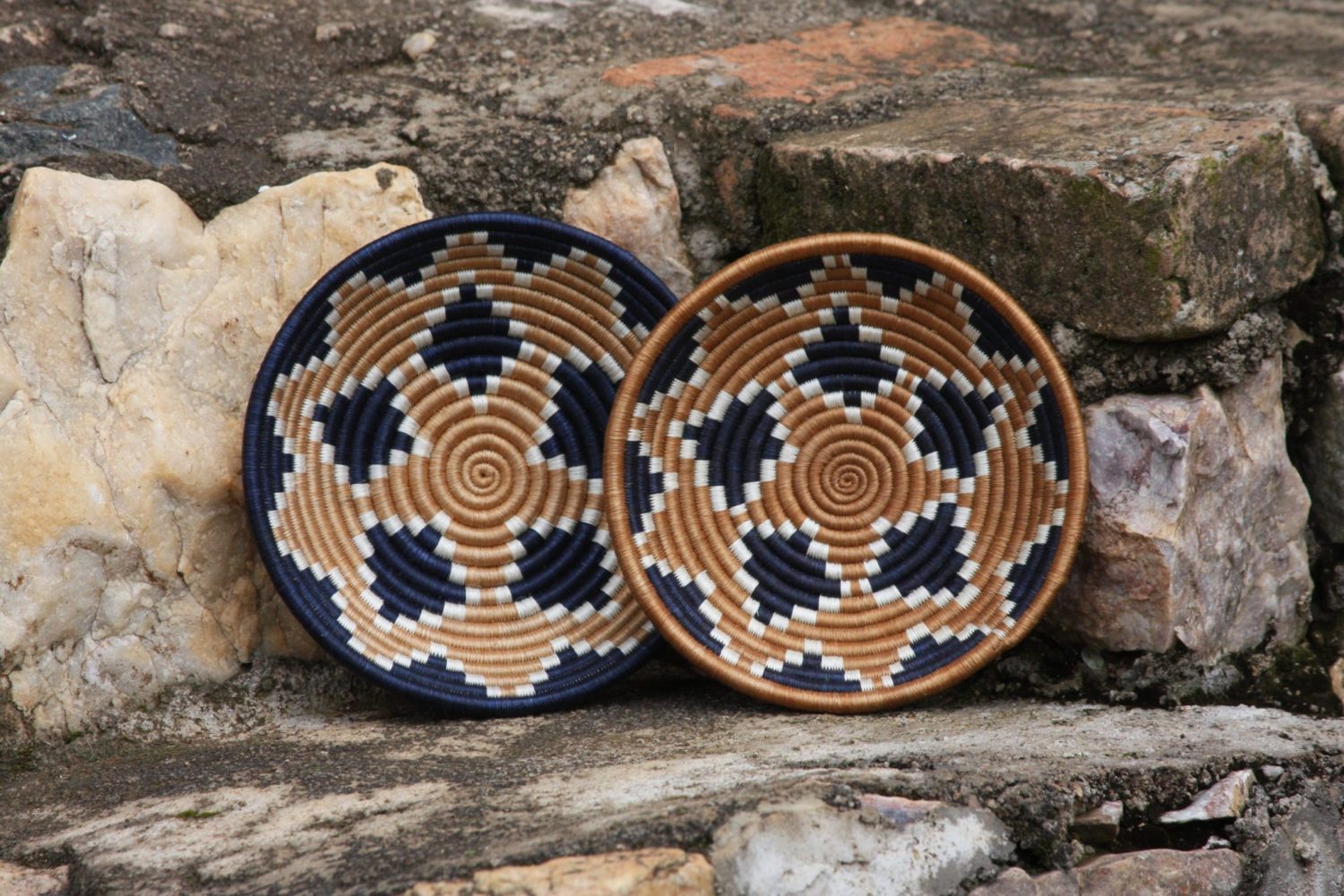
The beautiful creations of Azizi Life
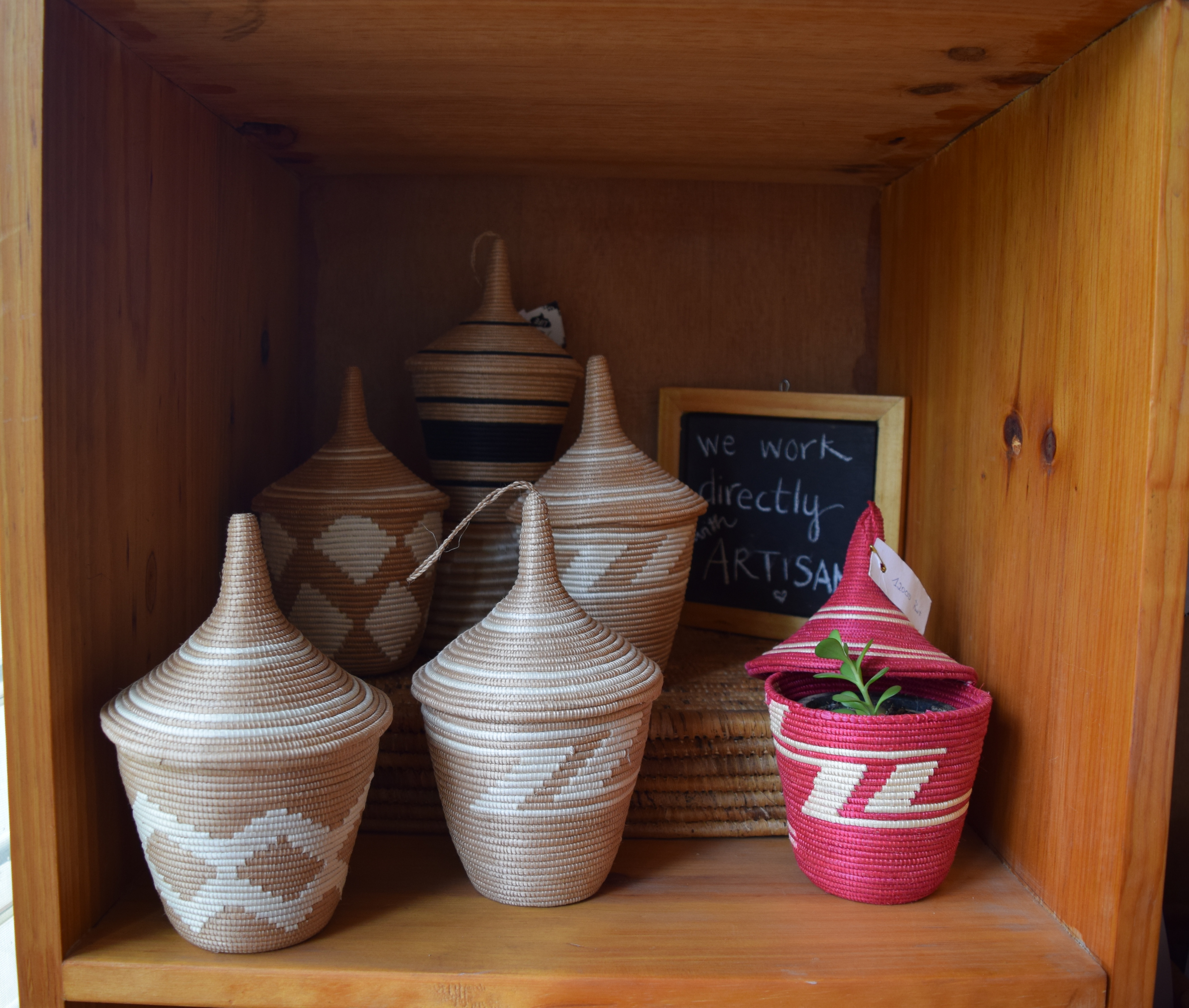
A few months later, our second field trip took us to Muhanga city south-west of Kigali. After 1,5 hour drive through mist-capped fresh green hills, rice plantations and terraced fields, we arrived at Azizi Life – a social enterprise focused on maximizing economic opportunity for rural artisans through the development and promotion of beautiful handicraft products – baskets, jewelry, bags and purses, home décor. Moreover, through its sister company Azizi Life US, the unique works of the local artisans access the wider global market.
In addition, Azizi Life Experiences offers visitors to connect and gain insights into the life of rural Rwandans and their families. There is no better way to learn about Rwandan (or any other culture) than simply experience it.
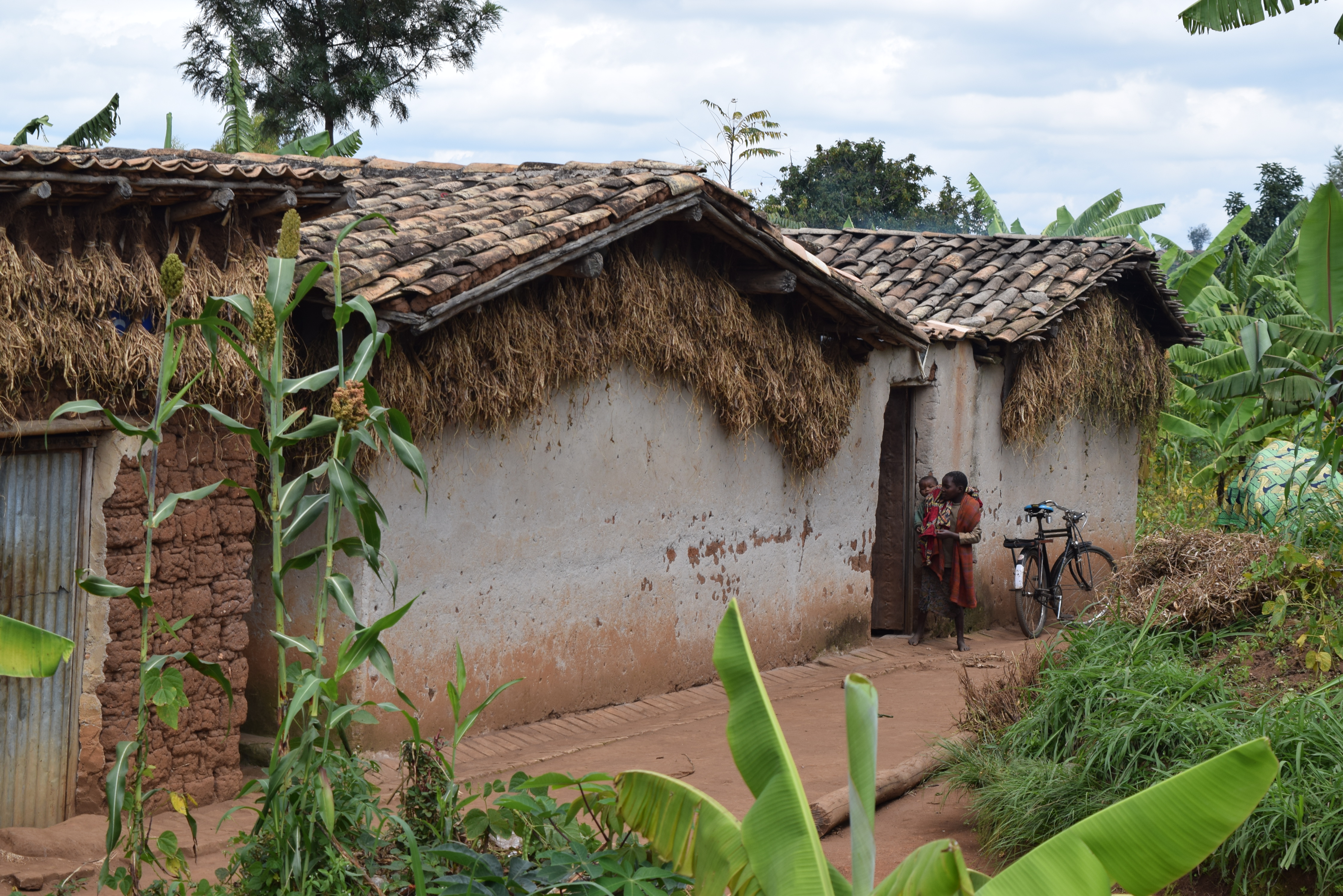
On that day, we immersed in the everyday life of locals to the full. We started off with a visit to one of the community houses, where we tried local traditional food, peeled cassava roots and pounded cassava leaves.
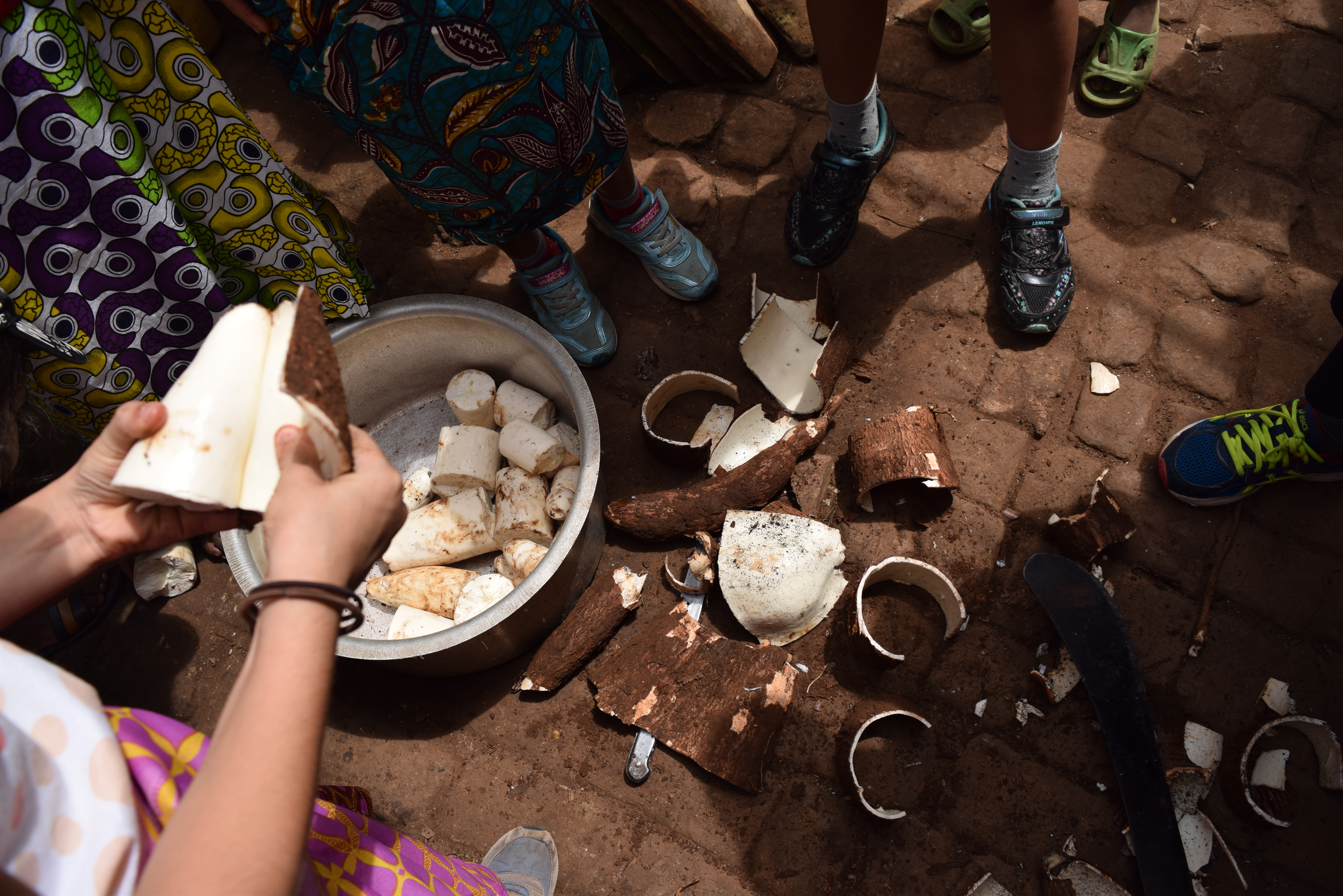
Cassava roots
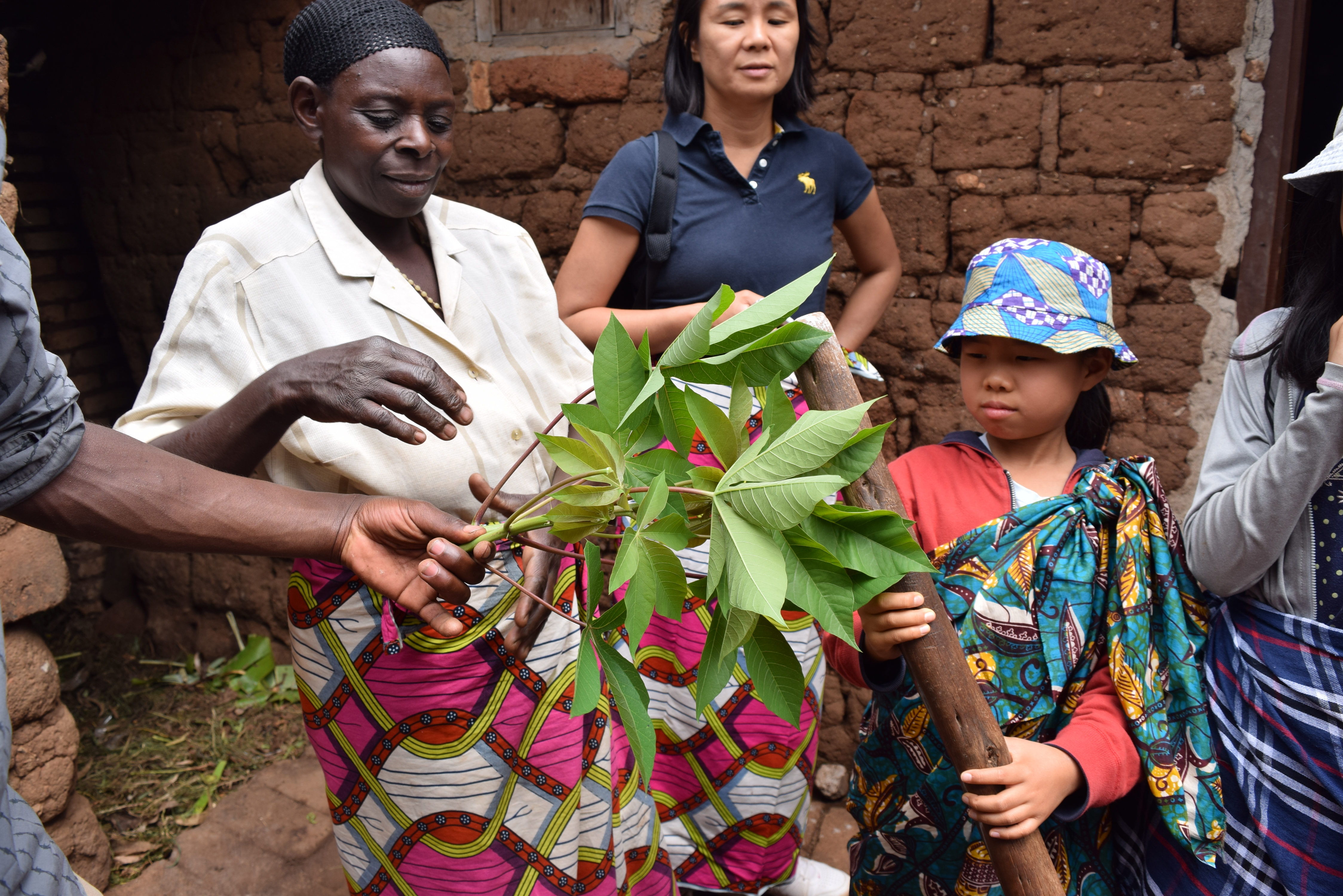
Cassava leaves
Cassava is a very popular plant in tropical and sub-tropical Africa. It’s considered the third-largest source of carbohydrates in this region, after rice and maize. Both, the cassava roots and leaves are editable. Isombe, for example – a traditional Rwandan dish – is prepared from cassava leaves and is super tasty. If you don’t know it, you might take it for spinach puree just by its appearance.
While doing our deeds, a bunch of local children quietly approached to observe us. They were not less intrigued in us than we were in them, even though interaction was pretty much impossible due to the language barrier.
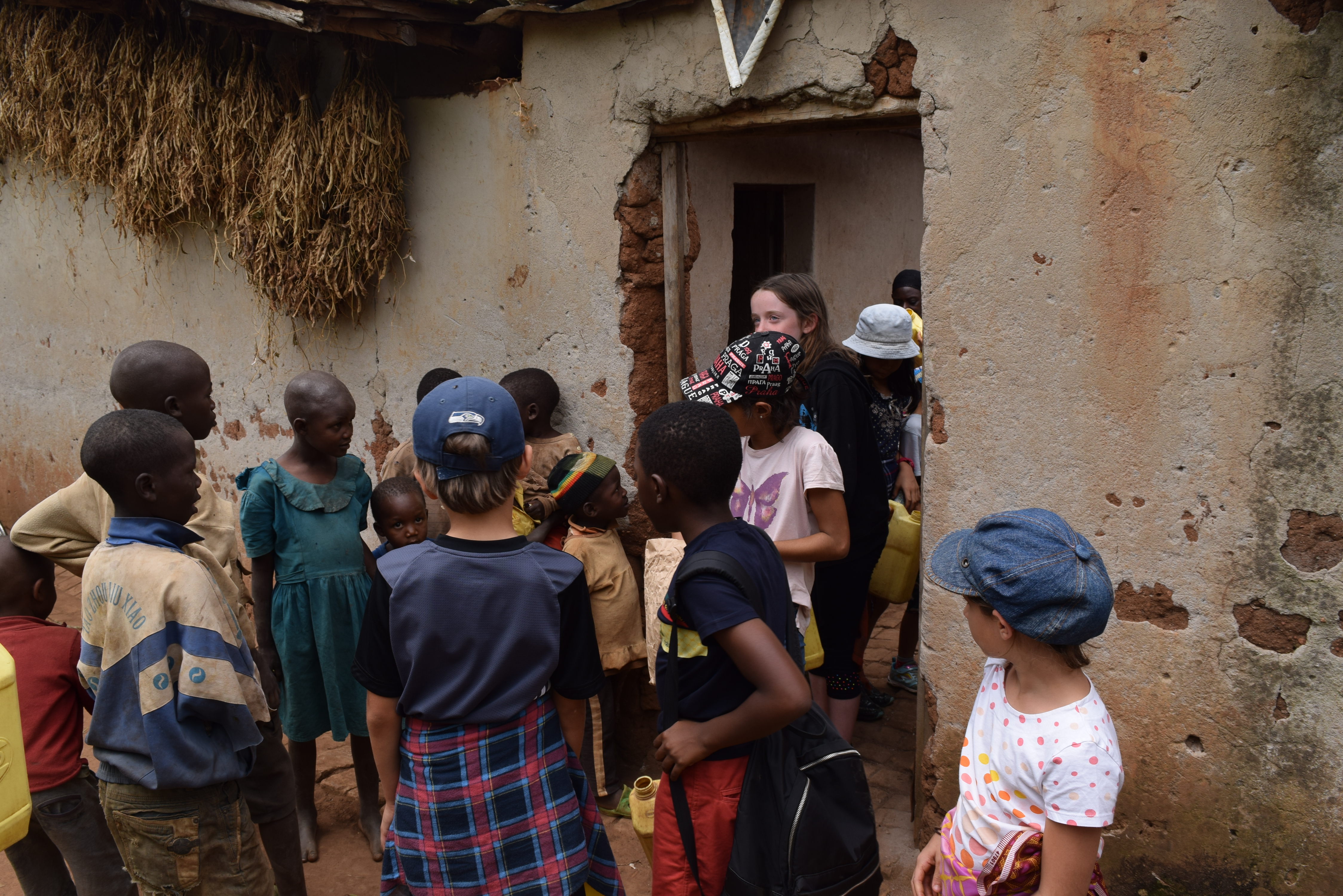
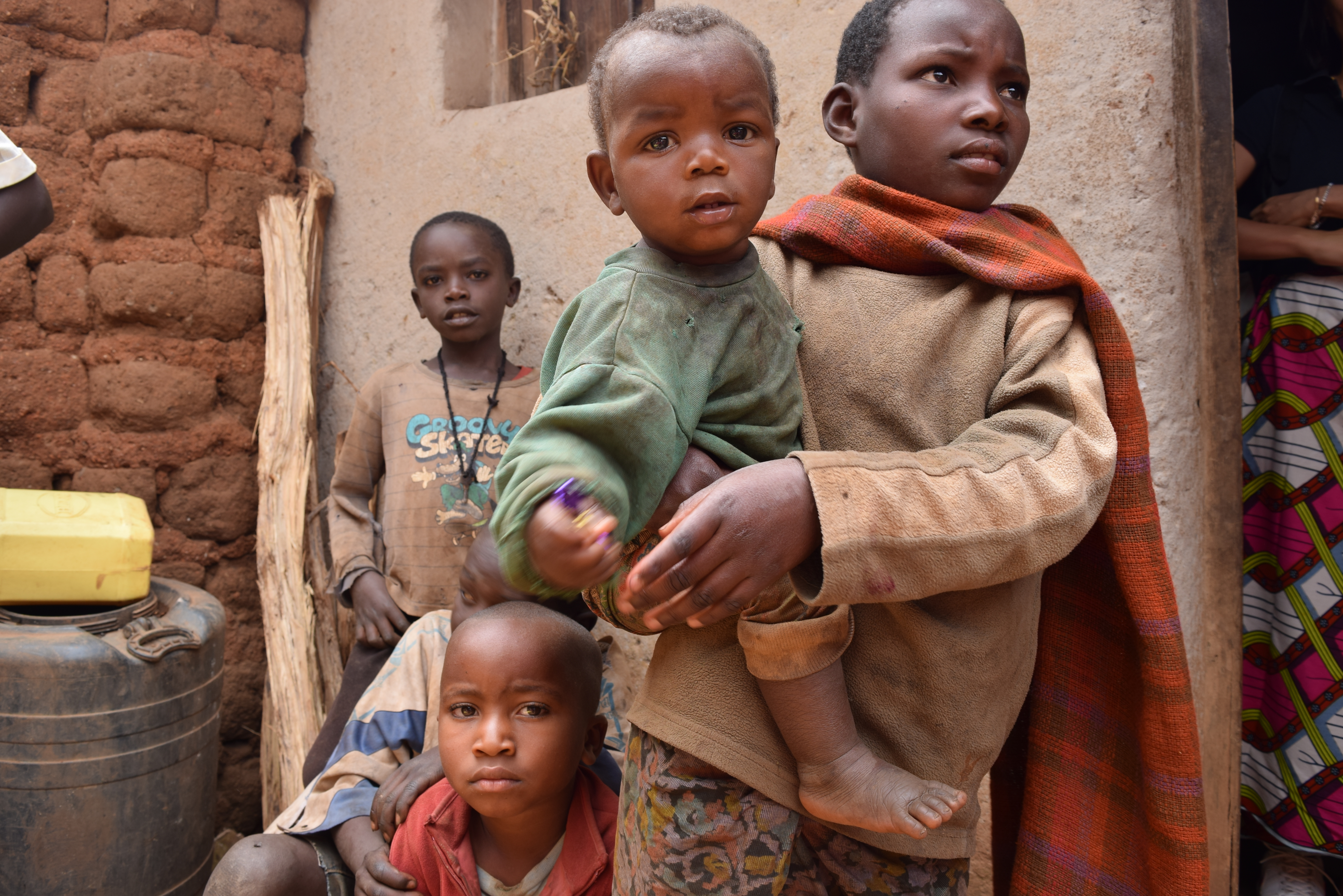
Afterwards we participated in traditional construction, for which we needed to fetch water from a nearby water point. This time the water collection trip was shorter and easier. Our young local company followed us closely. We quickly got plenty of jerry cans full of water. The most interesting part was yet to come.
The oldest member of the family – a woman of indefinite age, did a live demonstration of how earth bricks are made. She first digged up the soil in a certain spot to make it softer, then poured part of the water into the whole, jumped with bare feet on it and started crushing it, holding her colorful kitenge skirt over her knees. Smiling and singing.
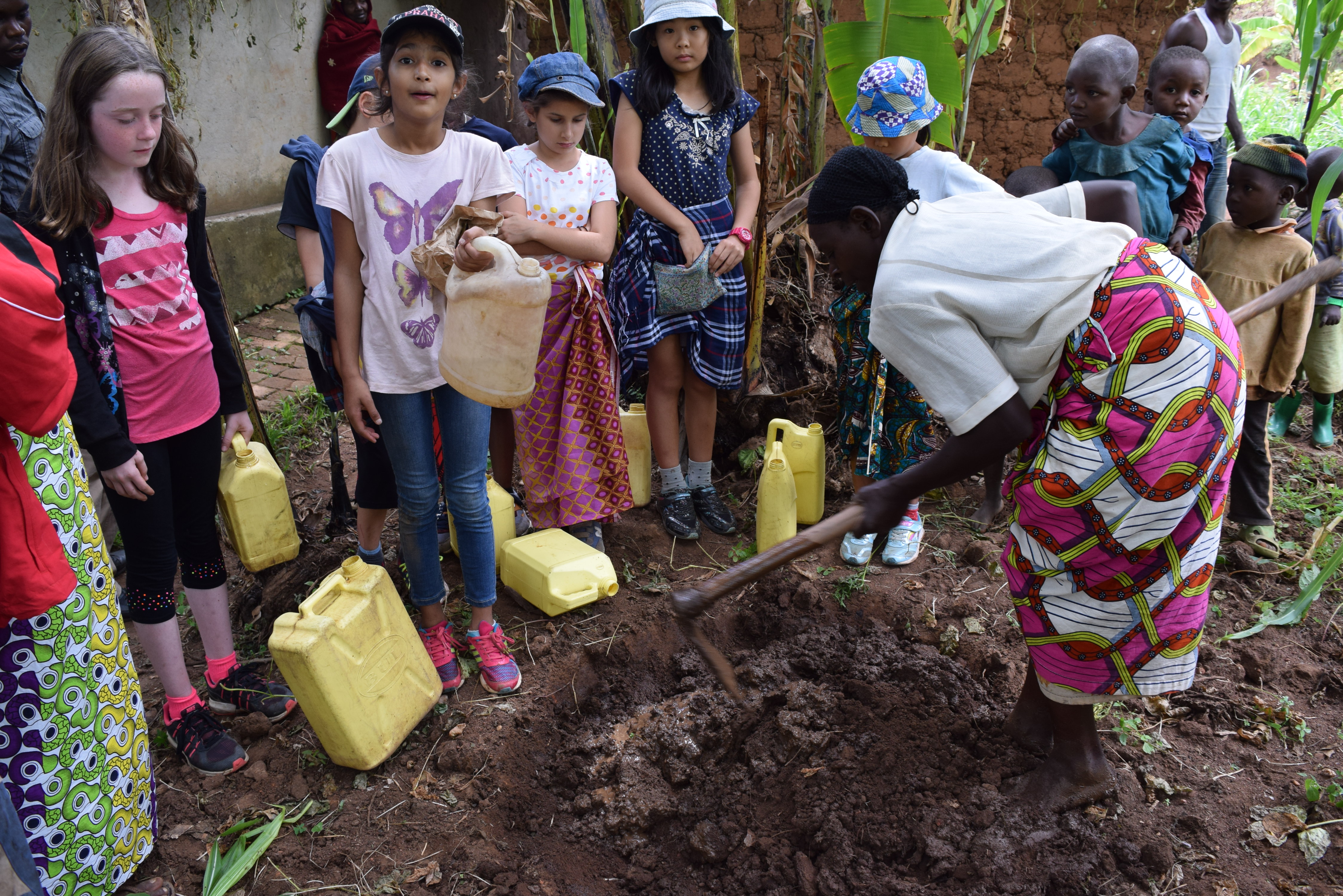
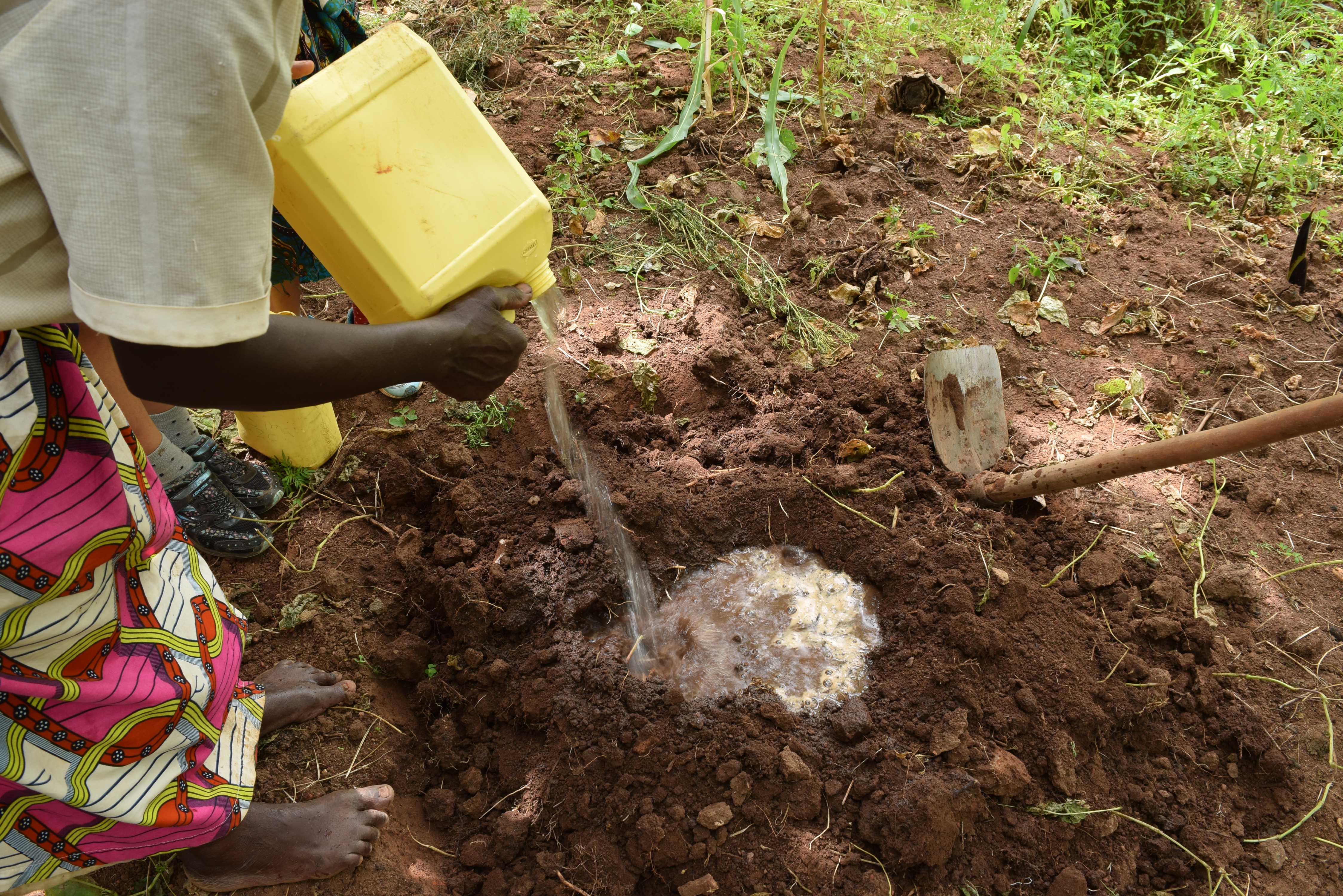
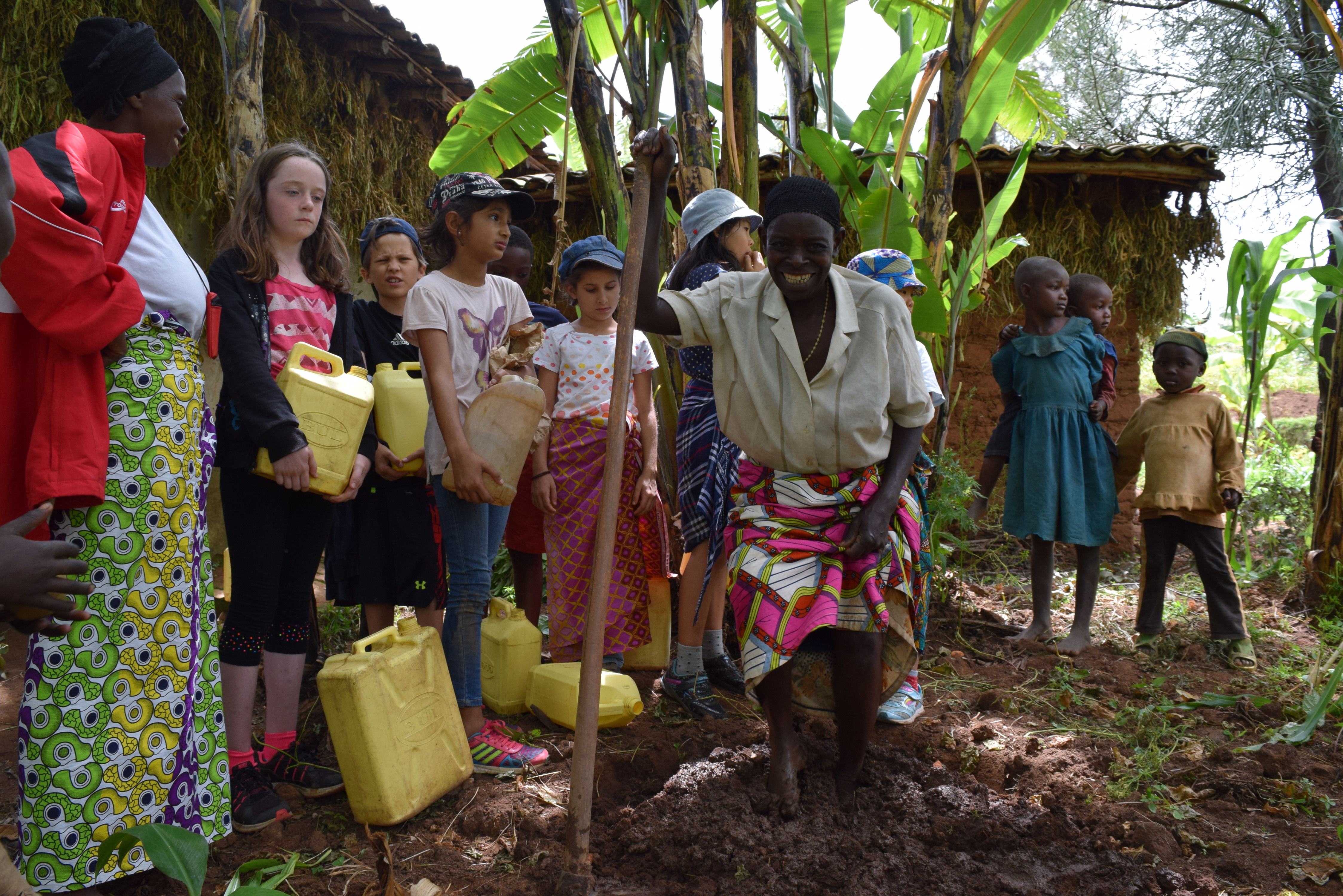
Our children couldn’t stay away from the muddy mess and not before long, they joined in making the earth bricks with the help of special wooden matrices.
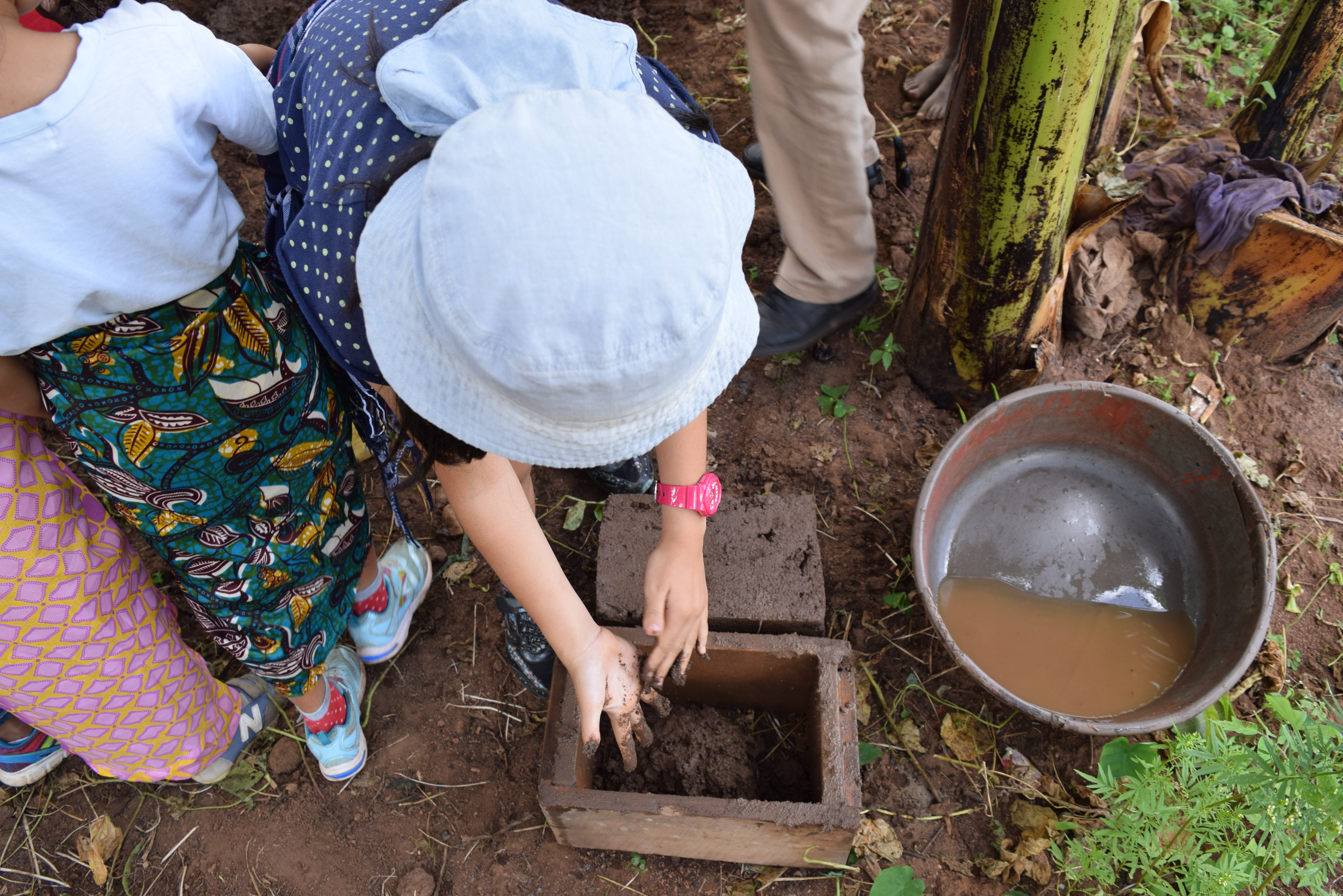
We didn’t wait for the bricks to dry in order to join the construction of a house, well, a house for domestic animals. The message taken out from this experience was that building even a small and simple house might take the efforts of the whole community if it has to be finished just on time before the rain comes again.
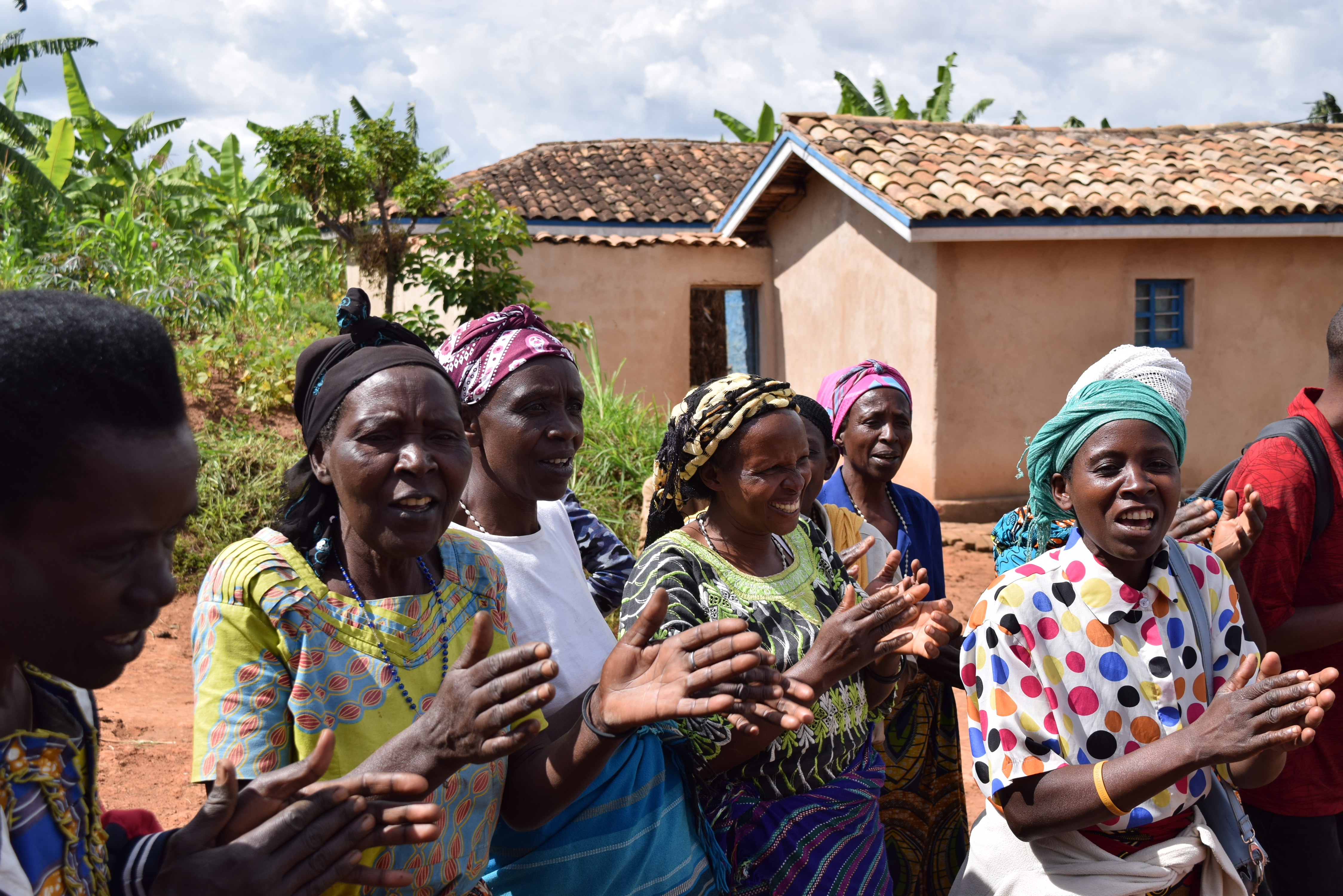
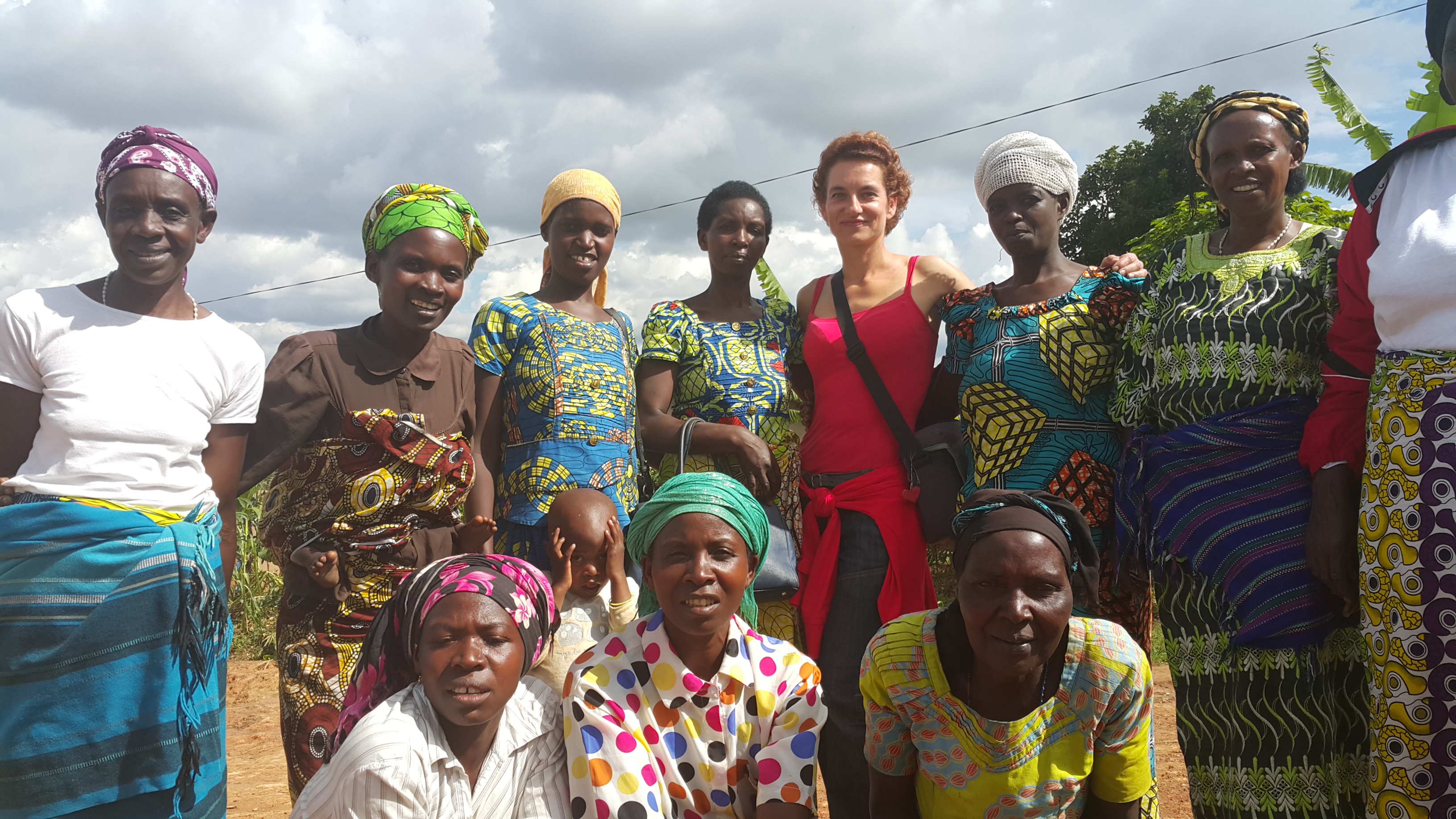
Before we headed back to Azizi Life office, we met a local cooperative called Ingobokarugo (translated Helping Our Homes) – a group of female artisans who make their earnings and support the community by selling beautiful handcraft products.
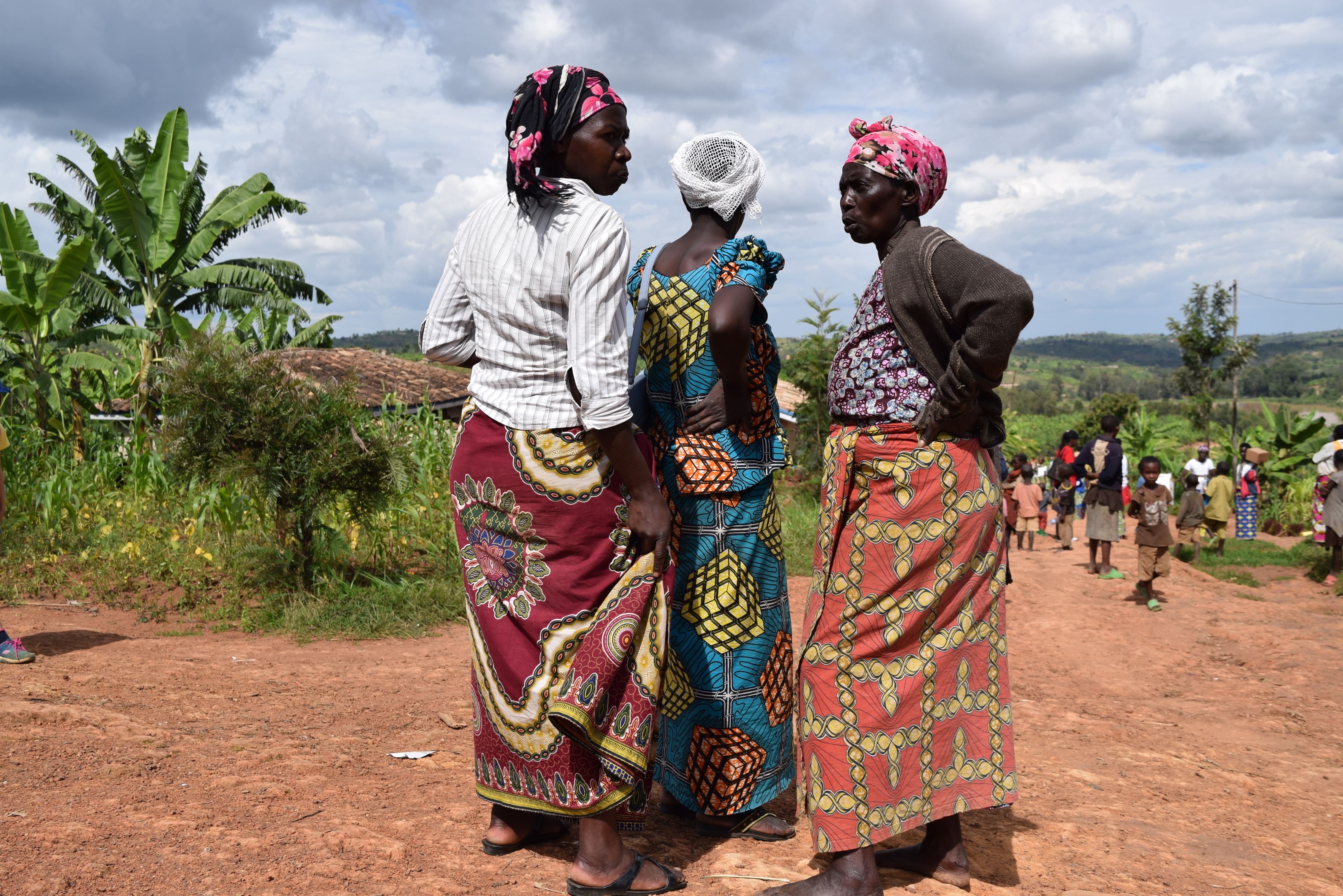
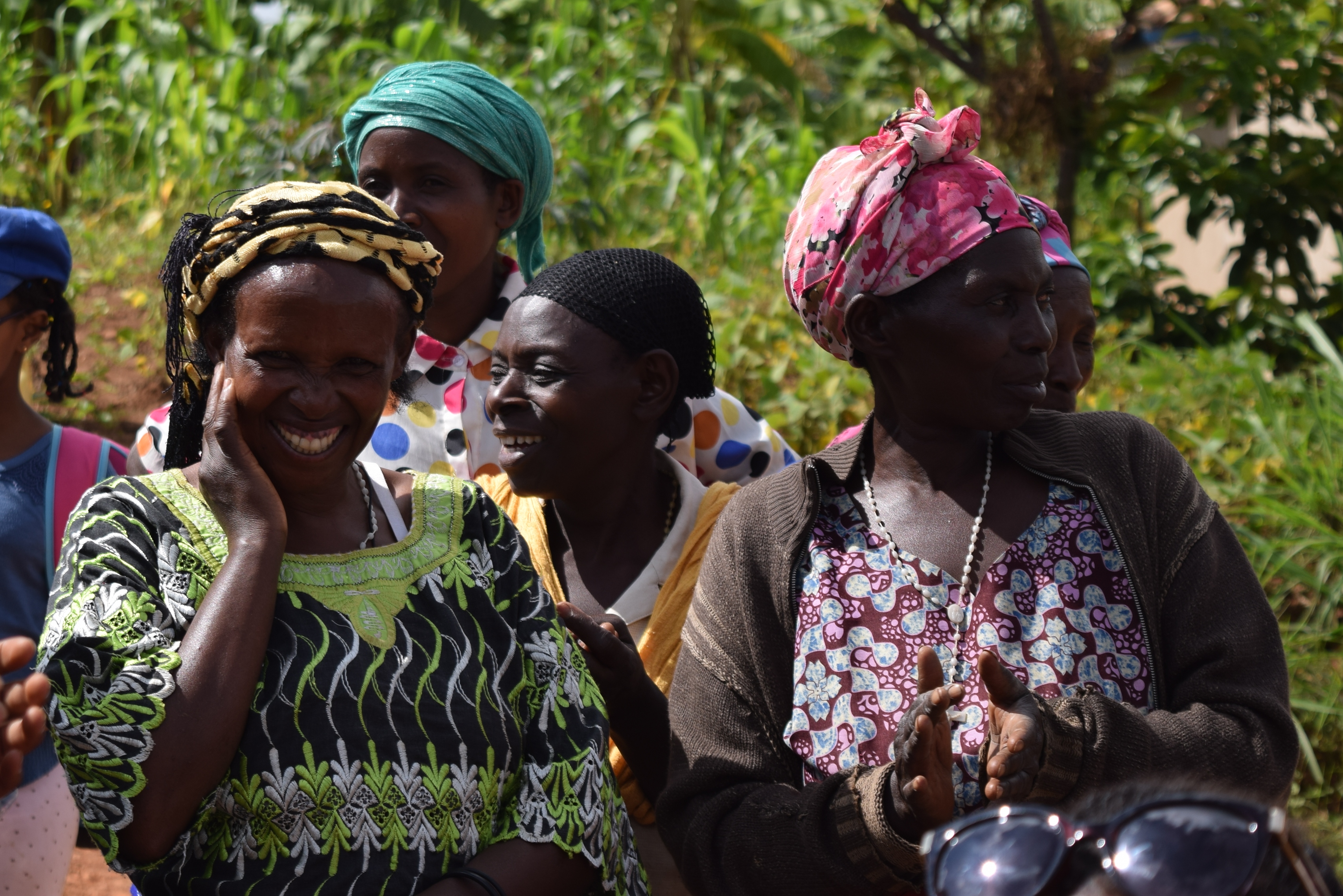
Their wide smiles, loud singing and energetic dancing were contagious. One couldn’t help but join their cheerful dancing. Self-confidence, pride and love on their faces. Happiness on mine.
At the end we had the chance to indulge ourselves in the local boutique of Azizi Life.
Life is Beautiful. Even in Rwanda. Thanks to Azizi Life and the local communities. One more reason to visit Rwanda!
The End.